Cat Scratching Post
CN → US| HS Code | Tariff Rate | Origin | Destination | Doc |
|---|---|---|---|---|
| 3926305000 | 22.8% | CN | US | Official Doc |
| 4421999880 | 38.3% | CN | US | Official Doc |
| 5603949090 | 35.0% | CN | US | Official Doc |
| 4421919880 | 38.3% | CN | US | Official Doc |
| 3926909989 | 22.8% | CN | US | Official Doc |
Product Images
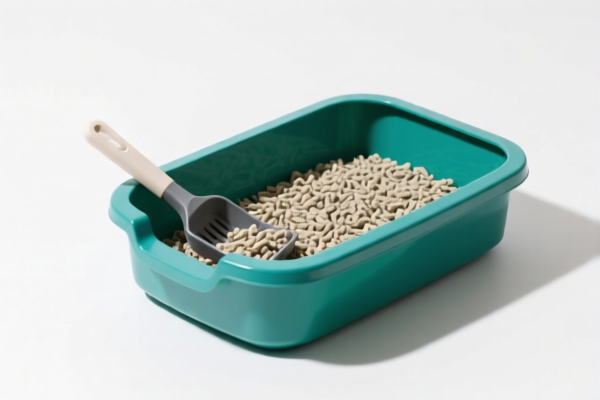
AI Analysis
🐾 Cat Scratching Post & Pads (Feline Furniture & Accessories)
🌐 HS Code Reference & Customs Clearance Guide | 2026 Latest Tariff Analysis | Professional Clearance Strategy
📌 I. Product Definition & Classification: Do You Really Understand "Cat Scratching Posts"?
A cat scratching post (or pad) is a functional item designed to satisfy the natural instinct of cats to scratch, typically used to protect furniture and maintain claw health. In international trade, these products are rarely classified under a single specific category due to variations in material composition and structural design.
The key classification divergence lies in the primary material: * Wood/Bamboo Based: If the structure is primarily wooden or bamboo (e.g., wooden base, sisal-wrapped post). * Plastic Based: If the base or frame is made of plastic (e.g., molded plastic base with cardboard inserts). * Non-Woven/Fiber Based: If the product is essentially a composite of cardboard, sisal fiber, or non-woven fabric without a rigid structural frame.
⚠️ Key Distinction Point:
- If the item has a rigid wooden/bamboo frame → Likely Chapter 44 (Wood).
- If the item has a plastic frame/base → Likely Chapter 39 (Plastics) or Chapter 94 (Furniture) accessories.
- If the item is a flat pad or fiber-based composite → Likely Chapter 56 (Non-wovens) or other "Other" categories.
📦 II. HS Code Classification Details (2026 Latest Tariff Authority Comparison)
| HS Code | Product Description | Applicable Scenario | Primary Material |
|---|---|---|---|
4421.99.98.80 |
Other articles of wood (Fall-back category) | Wooden bases, bamboo structures, or mixed wooden items not specifically listed elsewhere. | 🪵 Wood/Bamboo |
4421.91.98.80 |
Bamboo articles | Specifically bamboo-based scratching posts or pads. | 🎋 Bamboo |
3926.30.50.00 |
Other articles of plastics (Household/Office) | Plastic bases, plastic-coated structures, or plastic-dominant frames. | 🧱 Plastic |
3926.90.99.89 |
Other articles of plastics (Not elsewhere specified) | Complex plastic composites or accessories not covered in 3926.30. | 🧱 Plastic Composite |
5603.94.90.90 |
Other non-woven fabrics (Staple fibers) | Products made primarily of sisal, cardboard fiber, or non-woven materials without rigid structural frames. | 🧶 Fiber/Sisal |
🔍 Key Reminder:
- Wooden items generally fall under 4421.99.98.80 unless they are specifically "Bamboo" (4421.91.98.80). - Plastic items often fall under 3926.30.50.00 if considered "household articles" or 3926.90.99.89 as a general plastic article. - Fiber-based items (like plain cardboard pads or sisal mats) may be classified under 5603.94.90.90 as non-woven fiber products.
💰 III. 2026 Latest Tariff Rate Details (Including Surcharges & Policy Add-ons)
✅ Applicable Country: United States (US)
✅ Origin: China (CN)
✅ Effective Time: Post-November 10, 2025 (Includes subsequent imports)
🎯 1. 4421.99.98.80 & 4421.91.98.80 —— Wood & Bamboo Articles
| Item | Content |
|---|---|
| Basic Duty Rate | 3.3% (ad valorem) |
| Section 301 Surcharge (Trade War) | +25% |
| IEEPA Surcharge (Section 122/Other) | +10% |
| Total Effective Rate | 38.3% |
| Tax Calculation | CIF Value × 38.3% |
| De Minimis Exemption Eligible? | ❌ No (deny_de_minimis) |
| Legal Authority Path | Basic: 3.3% → 301: 25.0% → IEEPA: 10.0% |
📌 Explanation:
- Wooden and bamboo cat furniture is heavily impacted by US-China trade tensions. - The 25% Section 301 tariff is the dominant cost driver. - Combined with the 10% IEEPA surcharge, the total landed tax burden is significant (38.3%).
🎯 2. 3926.30.50.00 & 3926.90.99.89 —— Plastic Articles
| Item | Content |
|---|---|
| Basic Duty Rate | 5.3% (ad valorem) |
| Section 301 Surcharge (Trade War) | +7.5% |
| IEEPA Surcharge (Section 122/Other) | +10% |
| Total Effective Rate | 22.8% |
| Tax Calculation | CIF Value × 22.8% |
| De Minimis Exemption Eligible? | ❌ No (deny_de_minimis) |
| Legal Authority Path | Basic: 5.3% → 301: 7.5% → IEEPA: 10.0% |
📌 Note:
- Plastic-based scratching posts have a lower total rate (22.8%) compared to wood. - The Section 301 surcharge for plastics (7.5%) is lower than that for wood (25%). - This makes plastic-based designs more tariff-efficient for the US market.
🎯 3. 5603.94.90.90 —— Non-Woven/Fiber Products
| Item | Content |
|---|---|
| Basic Duty Rate | 0.0% (ad valorem) |
| Section 301 Surcharge (Trade War) | +25% |
| IEEPA Surcharge (Section 122/Other) | +10% |
| Total Effective Rate | 35.0% |
| Tax Calculation | CIF Value × 35.0% |
| De Minimis Exemption Eligible? | ❌ No (deny_de_minimis) |
| Legal Authority Path | Basic: 0.0% → 301: 25.0% → IEEPA: 10.0% |
📌 Analysis:
- Although the basic duty is 0%, the 25% Section 301 surcharge (often applied to textile/fiber-like goods from China) pushes the total to 35.0%. - This rate is higher than plastic (22.8%) but slightly lower than wood (38.3%).
🛠️ IV. Customs Clearance Practical Advice (Avoid Pitfalls Guide)
✅ 1. Preparation Checklist (Mandatory Documents)
| Document | Required? | Description |
|---|---|---|
| ✅ Product Specifications | ✔️ | Detailed description: Material composition (e.g., "Wooden base with sisal wrap"), dimensions, weight. |
| ✅ Material Breakdown | ✔️ | Clear statement: e.g., "70% Wood, 30% Sisal" or "100% Plastic Base". Crucial for HS Code selection. |
| ✅ Product Photos | ✔️ | Clear images showing the entire product, base material, and texture. |
| ✅ Commercial Invoice | ✔️ | Must accurately describe the item (e.g., "Cat Scratching Post, Wooden Base") to match HS Code. |
| ✅ Packing List | ✔️ | Detailing net/gross weight and volume. |
| ✅ FSC Certificate (If Wood) | ⚠️ Recommended | If claiming wood origin, FSC certification may be required for compliance. |
✅ 2. Declaration Tips (Key Mantras)
🔥 "Match Material to HS, Don't Guess the Code!"
| Scenario | Correct Declaration | Wrong Practice |
|---|---|---|
| Wooden Base + Sisal Post | HS: 4421.99.98.80Desc: "Wooden Cat Scratching Post" |
Declaring as "Plastic" to avoid tax → Penalty! |
| Plastic Base + Cardboard | HS: 3926.30.50.00Desc: "Plastic Cat Scratching Post" |
Declaring as "Textile" → Delay/Seizure |
| Flat Sisal Pad (No Frame) | HS: 5603.94.90.90Desc: "Sisal Non-woven Cat Pad" |
Declaring as "Wood" → Incorrect Classification |
| Bamboo Post | HS: 4421.91.98.80Desc: "Bamboo Cat Scratching Post" |
Declaring as generic "Wood" → May face scrutiny |
✅ 3. Special Situations Handling
| Situation | Handling Advice |
|---|---|
| Mixed Material Products | Declare based on the essential character (primary structural material). If wood dominates, use 4421. |
| OEM/Private Label | Ensure the invoice matches the product exactly. No "hidden" brands or misleading descriptions. |
| Packaging | If the product is disassembled (e.g., flat-packed wooden posts), still declare as one unit (the post), not as separate "wooden boards." |
| Samples vs. Bulk | Even samples are subject to the same HS classification and tariffs if entered for commercial purposes. |
🌍 V. Global Market Comparison (2026 Latest)
| Country/Region | Recommended HS Code | Tariff Rate (China Origin) | Certification | Notes |
|---|---|---|---|---|
| 🇺🇸 USA | 4421.99.98.80 / 3926.30.50.00 |
22.8% – 38.3% | FCC (if electronic), None else | High tariffs due to 301 & IEEPA. |
| 🇨🇳 China | 4421.99.98.80 / 3926.30.50.00 |
5% - 10% | CCC (if applicable) | No extra surcharges. |
| 🇪🇺 EU | 4421.99.98 / 3926.90.99 |
0% - 6.5% | CE (if applicable) | No Section 301. Generally favorable. |
| 🇬🇧 UK | 4421.99.99 / 3926.90.99 |
0% - 6.5% | UKCA | Post-Brexit rules apply. |
| 🇯🇵 Japan | 4421.99.99 / 3926.90.99 |
0% - 8% | PSE (if electronic) | No major surcharges. |
📌 Conclusion:
- The US market is the most expensive due to layered tariffs (Base + 301 + IEEPA). - Plastic-based products enjoy a lower total tariff rate (22.8%) in the US compared to Wood (38.3%). - EU/UK/Japan markets are significantly more tariff-friendly.
📌 VI. Common Errors & Pitfalls (Lessons Learned)
❌ Error 1: Misdeclaring a Wooden Post as "Plastic" to save tax.
👉 Consequence: Customs inspection reveals wood → Heavy fines + Back taxes + Cargo seizure.
❌ Error 2: Declaring a Sisal Pad as "Wood" because it has a tiny wooden hook.
👉 Consequence: Incorrect HS Code → 38.3% applied instead of 35.0%, or rejection by customs.
❌ Error 3: Ignoring the "Essential Character" rule for mixed materials.
👉 Consequence: If the wooden base is 80% of the value/volume, it must be classified under Wood. Failure to do so leads to audit risks.
✅ Correct Practice:
"Cat Scratching Post, Wooden Base, Sisal Wrapped, Model XYZ, 12kg"
🎯 VII. Conclusion: Smart Classification, Cost Efficiency!
🎯 Remember the Mantra:
🔹 "Wood = 38.3%, Plastic = 22.8%, Fiber = 35.0%"
🔹 "Material Determines Code, Code Determines Cost!"
🔹 "In the US, every 1% of tariff saving is pure profit!"
📌 Pro Tip:
- If you are shipping to the US, consider designing products with Plastic bases or non-wooden materials to reduce the 25% Section 301 burden.
- For Wooden products, ensure precise material declaration to avoid being downgraded to higher-tax subcategories.
- Always apply for an Advance Ruling if your product has complex mixed materials.
📣 Call to Action:
📞 Contact a licensed customs broker.
📝 Provide detailed material breakdowns.
🚀 Optimize your supply chain to navigate 2026 tariffs with confidence!
✨ Professional Clearance Starts with Accurate Classification!
💼 Your Bottom Line Depends on Your HS Code!
Customer Reviews
About HS Code Classification
The Harmonized System (HS) is an internationally standardized nomenclature developed by the World Customs Organization (WCO) to classify traded products. Over 200 countries use the HS system as the basis for customs tariffs, trade statistics, and import/export regulations.
Each HS code follows a hierarchical structure:
- Chapter (2 digits) — Broad category of goods (e.g., Chapter 84: Machinery and Mechanical Appliances)
- Heading (4 digits) — More specific grouping within the chapter
- Subheading (6 digits) — Internationally standardized breakdown, used by all WCO member countries
- National subdivisions (8-10 digits) — Country-specific extensions for further classification, such as US HTSUS 10-digit codes
Correct HS code classification is essential for smooth customs clearance, accurate duty payment, and compliance with trade regulations. Misclassification can lead to customs delays, overpayment of duties, or penalties.
When importing from CN to US, the applicable tariff rates may include:
- Most-Favored-Nation (MFN) rate — The standard duty rate applied to WTO members
- General rate — Applied to countries without trade agreements
- Trade remedy duties — Additional tariffs such as Section 301 (anti-dumping), Section 232 (national security), or countervailing duties
The information provided on this page is for reference purposes only. For official classification, please consult with your local customs authority or a licensed customs broker.