Cellulose Acetate Board
CN → US| HS编码 | 关税税率 | 原产国 | 目的国 | 文档 |
|---|---|---|---|---|
| 3912120000 | 40.6% | CN | US | 官方文档 |
| 3920730000 | 37.9% | CN | US | 官方文档 |
| 3920795000 | 38.7% | CN | US | 官方文档 |
| 3921190090 | 41.5% | CN | US | 官方文档 |
| 3921905050 | 39.8% | CN | US | 官方文档 |
商品图片
AI分析
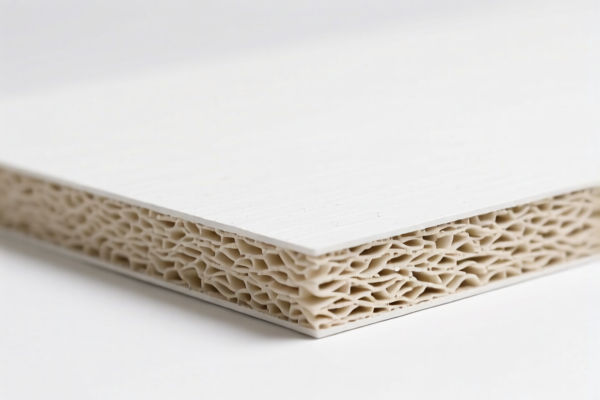
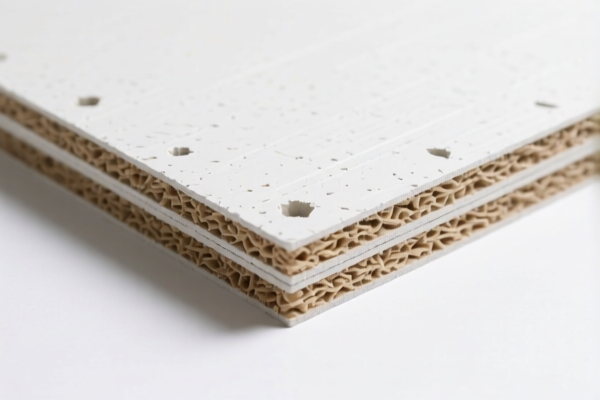
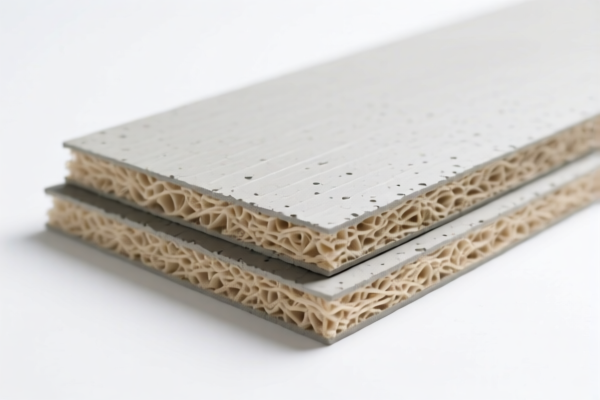
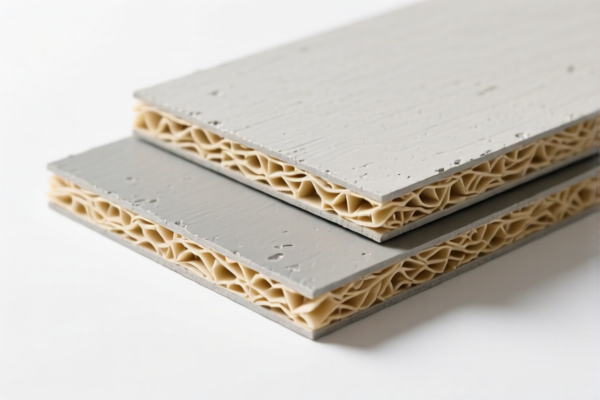
🧪 Cellulose Acetate Board (醋酸纤维改性板)
🌐 HS Code Reference & Customs Clearance Guide | 2026 Latest Tariff Analysis | Professional Clearance Strategy
📌 I. Product Definition & Classification: What Exactly is "Cellulose Acetate Board"?
Cellulose Acetate Board is a high-performance plastic board derived from cellulose (usually wood pulp or cotton linter). In international trade, the classification depends heavily on whether it is classified as a chemical derivative or a manufactured plastic plate/sheet. The key distinction lies in the degree of modification and the specific chemical classification used by customs authorities.
⚠️ Key Classification Logic:
- If the board is defined primarily by its chemical nature as a cellulose derivative in primary or modified form → Group 3912/3920.
- If the board is treated as a finished plastic plate made of synthetic resins or other plastics → Group 3921.
- Note: All codes listed below are subject to significant "Section 301" and "Section 122" additional tariffs for Chinese-origin goods entering the US.
📦 II. HS Code Classification Details (2026 Latest Tariff Authority Comparison)
Based on the provided data, here are the 5 possible HS Code classifications for Cellulose Acetate Board, ranging from chemical derivatives to manufactured plastic plates.
| HS Code | Product Description | Key Material/Shape Definition | Tax Rate (Total) |
|---|---|---|---|
3912.12.00.00 |
Modified Acetate Board, Material: Cellulose Acetate, Shape: Plate. Classified as primary derivatives and chemical derivatives. | Chemical Derivative Focus | 40.6% |
3920.73.00.00 |
Cellulose Acetate Modified Board, Material: Cellulose Acetate Derivative, Shape: Plate. Fits definition of "Plates of Cellulose Acetate". | Specific Cellulose Acetate Plate Focus | 37.9% |
3920.79.50.00 |
Cellulose Acetate Modified Board, Material: Cellulose Derivative, Shape: Plate. Fits "Other cellulose derivatives" non-foamed plastic plate definition. | Other Cellulose Derivative Focus | 38.7% |
3921.19.00.90 |
Cellulose Acetate Modified Board, Shape: Plate, Material: Cellulose Acetate. Belongs to Plastic/Synthetic Polymer category, follows logic of "Other plastics". | General Plastic Plate Focus | 41.5% |
3921.90.50.50 |
Cellulose Acetate Modified Board, Material: Synthetic Resin/Plastic, Shape: Plate. Fits plate/film/foil forms, no material conflict. | Other Plastic/Resin Plate Focus | 39.8% |
🔍 Critical Insight:
- Lowest Tax Option:3920.73.00.00(37.9%) is generally the most favorable if the product can be strictly defined as a specific "Cellulose Acetate" plate under Heading 3920.
- Highest Tax Option:3921.19.00.90(41.5%) applies if classified under the broader "Other plastics" category.
- Common Thread: All options incur Base Tariff + 25% Section 301 Tariff + 10% Section 122 Tariff.
💰 III. 2026 Latest Tariff Rate Breakdown (Including Surcharges & Policy Add-ons)
✅ Applicable Country: United States (US)
✅ Origin: China (CN)
✅ Effective Date: Ongoing (Current Trade War Tariffs)
🎯 1. 3912.12.00.00 – Modified Acetate Board (Chemical Derivative Focus)
| Item | Detail |
|---|---|
| Base Duty Rate | 5.6% |
| Section 301 Surcharge | +25.0% |
| Section 122 Surcharge | +10.0% |
| Total Effective Rate | 40.6% |
| Tax Calculation | CIF Value × 40.6% |
| De Minimis Exemption? | ❌ No (High tariff code, de minimis does not apply to avoid tariff liability in practice for B2B imports) |
| Legal Path | HTSUS 3912.12 → Section 301 List 4 → Section 122 Authority |
📌 Explanation:
- This classification treats the board as a chemical derivative.
- The 25% is the standard USITC Section 301 duty on Chinese chemical/plastic products.
- The 10% is an additional layer under Section 122 of the National Defense Production Act (often applied to specific industrial materials).
- Total 40.6% is a significant cost factor.
🎯 2. 3920.73.00.00 – Cellulose Acetate Plates (Specific Definition)
| Item | Detail |
|---|---|
| Base Duty Rate | 2.9% |
| Section 301 Surcharge | +25.0% |
| Section 122 Surcharge | +10.0% |
| Total Effective Rate | 37.9% |
| Tax Calculation | CIF Value × 37.9% |
| De Minimis Exemption? | ❌ No |
| Legal Path | HTSUS 3920.73 → Section 301 List 4 → Section 122 Authority |
📌 Note:
- This is often the preferred classification if the board is specifically made of cellulose acetate and not mixed with other synthetic resins.
- Lower base rate (2.9%) makes it cheaper than other plastic classifications.
- Total 37.9% is the lowest among the provided options.
🎯 3. 3920.79.50.00 – Other Cellulose Derivatives
| Item | Detail |
|---|---|
| Base Duty Rate | 3.7% |
| Section 301 Surcharge | +25.0% |
| Section 122 Surcharge | +10.0% |
| Total Effective Rate | 38.7% |
| Tax Calculation | CIF Value × 38.7% |
| De Minimis Exemption? | ❌ No |
| Legal Path | HTSUS 3920.79 → Section 301 List 4 → Section 122 Authority |
📌 Note:
- Used if the board is a cellulose derivative but doesn't fit the specific "Cellulose Acetate" sub-heading perfectly.
- Total 38.7% is moderate.
🎯 4. 3921.19.00.90 – Other Plastic Plates (Synthetic Polymer Focus)
| Item | Detail |
|---|---|
| Base Duty Rate | 6.5% |
| Section 301 Surcharge | +25.0% |
| Section 122 Surcharge | +10.0% |
| Total Effective Rate | 41.5% |
| Tax Calculation | CIF Value × 41.5% |
| De Minimis Exemption? | ❌ No |
| Legal Path | HTSUS 3921.19 → Section 301 List 4 → Section 122 Authority |
📌 Note:
- Highest tax rate in this set.
- Applies if customs views the product broadly as "Plastic/Synthetic Polymer" rather than a specific cellulose derivative.
- Total 41.5% should be avoided if possible.
🎯 5. 3921.90.50.50 – Other Plates of Plastic (Resin Focus)
| Item | Detail |
|---|---|
| Base Duty Rate | 4.8% |
| Section 301 Surcharge | +25.0% |
| Section 122 Surcharge | +10.0% |
| Total Effective Rate | 39.8% |
| Tax Calculation | CIF Value × 39.8% |
| De Minimis Exemption? | ❌ No |
| Legal Path | HTSUS 3921.90 → Section 301 List 4 → Section 122 Authority |
📌 Note:
- A middle-ground option.
- Total 39.8% is higher than3920.73but lower than3921.19.
🛠️ IV. Customs Clearance Practical Advice (Real-World Pitfall Guide)
✅ 1. Documentation Checklist (Essential)
| Document | Required? | Description |
|---|---|---|
| ✅ Product Specification Sheet | ✔️ | Must clearly state: Material Composition (e.g., 100% Cellulose Acetate), Form (Plate/Sheet), Dimensions. |
| ✅ Technical Data Sheet (TDS) | ✔️ | Chemical properties, melting point, and manufacturing process (extrusion vs. molding). |
| ✅ Commercial Invoice | ✔️ | Must explicitly describe the item as "Cellulose Acetate Board" and match the HS Code description. |
| ✅ Certificate of Origin (CO) | ✔️ | Critical for proving Chinese origin (to trigger/confirm Section 301 & 122). |
| ✅ Packing List | ✔️ | Weight, dimensions, and packaging details. |
| ✅ Prior Ruling (if available) | ✔️ | If you have a CBP ruling, attach it to speed up clearance. |
✅ 2. Declaration Tips (Key Mantras)
🔥 "Material Dictates Code, Description Must Match, Don't Guess, Check Facts!"
| Scenario | Correct Declaration | Incorrect Action |
|---|---|---|
| Pure Cellulose Acetate Board | Declare as 3920.73.00.00 ("Plates of cellulose acetate") |
Mislabel as "Plastic Board" → Risk of 3921 classification (higher tax) |
| Blended/Modified Board | Declare as 3912.12.00.00 or 3920.79.50.00 based on primary material |
Claim as "Wood Board" → Severe Misdeclaration Fraud |
| Foamed vs. Non-Foamed | Clearly state "Non-foamed" for 3920 codes |
Omitting this → Risk of classification error |
| Thickness | Specify thickness in mm/inches | Vague description → CBP may request sample testing |
✅ 3. Special Handling
| Situation | Advice |
|---|---|
| Hybrid Materials | If the board contains other resins, 3921 codes may apply. Consult a specialist to determine the "essential character". |
| Customs Audit | Keep samples available. CBP may request a physical sample to verify material composition. |
| Tariff Engineering | Consider if minor modifications (e.g., surface coating, specific chemical treatment) can change the classification to a lower-tax code (though limited for Chinese goods due to Section 301). |
🌍 V. Global Market Comparison (2026 Update)
| Country/Region | Recommended HS Code | Estimated Duty (China Origin) | Notes |
|---|---|---|---|
| 🇺🇸 United States | 3920.73.00.00 |
37.9% (Highest risk due to Section 301 & 122) | Aggressive enforcement on cellulose products. |
| 🇨🇳 China | 3920.73.00.00 |
~5-10% (Import Duty) | No Section 301. Standard MFN rates apply. |
| 🇪🇺 European Union | 3920.73.00 |
0% (Under current GSP/General Duty) | Check for anti-dumping duties on specific plastic sheets. |
| 🇯🇵 Japan | 3920.73.00 |
0-5% | Generally favorable trade terms. |
📌 Conclusion:
- USA is the most challenging market for Cellulose Acetate Board from China due to cumulative surcharges.
- Optimization Strategy: Ensure precise documentation to secure3920.73.00.00(37.9%) rather than3921.19.00.90(41.5%).
📌 VI. Common Mistakes & Pitfalls (Lessons Learned)
❌ Mistake 1: Calling the product simply "Plastic Sheet"
👉 Consequence: CBP may classify it under 3921 (General Plastics) → Higher Tax (41.5%).
❌ Mistake 2: Ignoring the "Section 122" 10% surcharge
👉 Consequence: Underestimating landed cost by 10% → Profit Margin Erosion.
❌ Mistake 3: Ambiguous Material Description
👉 Consequence: Customs holds the shipment for material verification → Delays & Storage Fees.
❌ Mistake 4: Assuming De Minimis Applies
👉 Consequence: No Exemption. High-value commercial shipments are always subject to full duty + surcharges.
✅ Correct Practice:
"Cellulose Acetate Sheet, Non-Foamed, Extruded, 2mm Thickness, Pure Cellulose Acetate Material, for Industrial Use, Model CA-200"
🎯 VII. Conclusion: Precision is Profit!
🎯 Remember the Mantra:
🔹 "Cellulose Acetate → 3920.73 → 37.9% Total Tax"
🔹 "Avoid 3921 → Save 3.6% on CIF Value"
🔹 "Section 301 & 122 are Non-Negotiable for China Origin"
📌 Pro Tip:
If you are importing large volumes, consider Advance Ruling from US CBP to lock in the HS Code and tax rate. This prevents post-entry audits and potential penalties.
📣 Immediate Action:
📞 Verify material composition with your supplier.
📄 Ensure Commercial Invoice matches3920.73.00.00description.
📊 Calculate landed cost using 37.9% as the base for budgeting.
✨ Smart Clearance, Clear Costs!
💼 Don't Let Classification Errors Eat Your Margins!
用户评价
关于 HS 编码归类
协调制度(HS)是由世界海关组织(WCO)制定的国际贸易商品分类标准。全球 200 多个国家采用 HS 系统作为海关关税、贸易统计和进出口监管的基础。
每个 HS 编码遵循以下层级结构:
- 章(2 位)——商品大类(例如:第 84 章:机器和机械设备)
- 品目(4 位)——章内的更具体分类
- 子目(6 位)——国际通用细分,所有 WCO 成员国统一使用
- 本国细分(8-10 位)——各国自行扩展的细分编码,如美国 HTSUS 10 位编码
正确的 HS 编码归类对于顺利通关、准确缴纳关税和遵守贸易法规至关重要。错误归类可能导致海关延误、多缴关税或罚款。
从CN进口到US时,适用的关税税率可能包括:
- 最惠国(MFN)税率——适用于 WTO 成员国的标准关税税率
- 普通税率——适用于无贸易协定国家
- 贸易救济关税——附加关税,如 301 条款(反倾销)、232 条款(国家安全)或反补贴税
本页内容仅供参考。如需正式归类,请咨询当地海关或持牌报关代理。