Cellulose Acetate Board
CN → US| HS Code | Tariff Rate | Origin | Destination | Doc |
|---|---|---|---|---|
| 3912120000 | 40.6% | CN | US | Official Doc |
| 3920730000 | 37.9% | CN | US | Official Doc |
| 3920795000 | 38.7% | CN | US | Official Doc |
| 3921190090 | 41.5% | CN | US | Official Doc |
| 3921905050 | 39.8% | CN | US | Official Doc |
Product Images
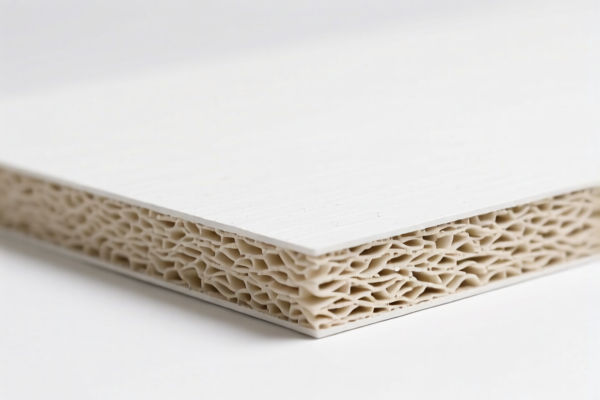
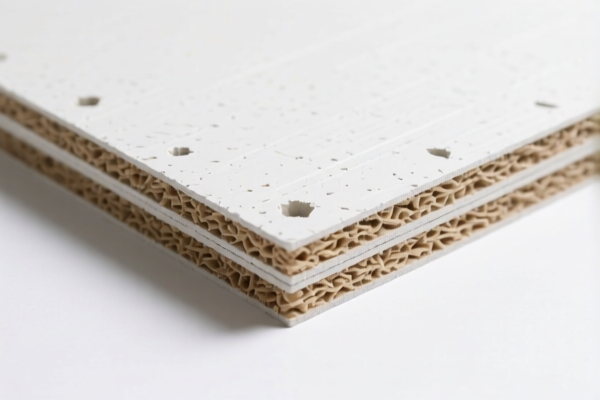
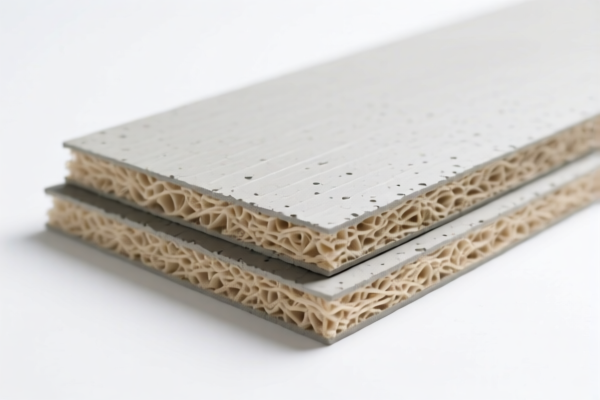
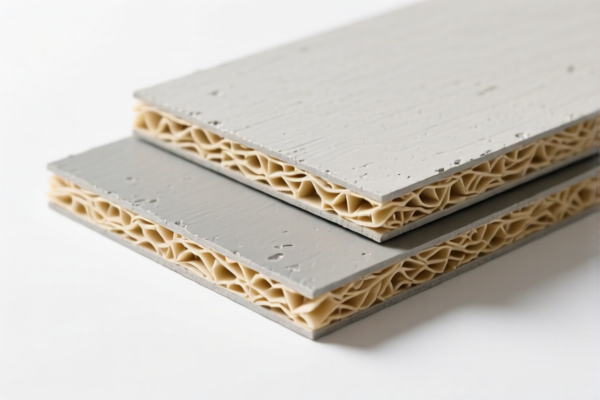
AI Analysis
🧪 Cellulose Acetate Board (醋酸纤维改性板)
🌐 HS Code Reference & Customs Clearance Guide | 2026 Latest Tariff Analysis | Professional Clearance Strategy
📌 I. Product Definition & Classification: What Exactly is "Cellulose Acetate Board"?
Cellulose Acetate Board is a high-performance plastic board derived from cellulose (usually wood pulp or cotton linter). In international trade, the classification depends heavily on whether it is classified as a chemical derivative or a manufactured plastic plate/sheet. The key distinction lies in the degree of modification and the specific chemical classification used by customs authorities.
⚠️ Key Classification Logic:
- If the board is defined primarily by its chemical nature as a cellulose derivative in primary or modified form → Group 3912/3920.
- If the board is treated as a finished plastic plate made of synthetic resins or other plastics → Group 3921.
- Note: All codes listed below are subject to significant "Section 301" and "Section 122" additional tariffs for Chinese-origin goods entering the US.
📦 II. HS Code Classification Details (2026 Latest Tariff Authority Comparison)
Based on the provided data, here are the 5 possible HS Code classifications for Cellulose Acetate Board, ranging from chemical derivatives to manufactured plastic plates.
| HS Code | Product Description | Key Material/Shape Definition | Tax Rate (Total) |
|---|---|---|---|
3912.12.00.00 |
Modified Acetate Board, Material: Cellulose Acetate, Shape: Plate. Classified as primary derivatives and chemical derivatives. | Chemical Derivative Focus | 40.6% |
3920.73.00.00 |
Cellulose Acetate Modified Board, Material: Cellulose Acetate Derivative, Shape: Plate. Fits definition of "Plates of Cellulose Acetate". | Specific Cellulose Acetate Plate Focus | 37.9% |
3920.79.50.00 |
Cellulose Acetate Modified Board, Material: Cellulose Derivative, Shape: Plate. Fits "Other cellulose derivatives" non-foamed plastic plate definition. | Other Cellulose Derivative Focus | 38.7% |
3921.19.00.90 |
Cellulose Acetate Modified Board, Shape: Plate, Material: Cellulose Acetate. Belongs to Plastic/Synthetic Polymer category, follows logic of "Other plastics". | General Plastic Plate Focus | 41.5% |
3921.90.50.50 |
Cellulose Acetate Modified Board, Material: Synthetic Resin/Plastic, Shape: Plate. Fits plate/film/foil forms, no material conflict. | Other Plastic/Resin Plate Focus | 39.8% |
🔍 Critical Insight:
- Lowest Tax Option:3920.73.00.00(37.9%) is generally the most favorable if the product can be strictly defined as a specific "Cellulose Acetate" plate under Heading 3920.
- Highest Tax Option:3921.19.00.90(41.5%) applies if classified under the broader "Other plastics" category.
- Common Thread: All options incur Base Tariff + 25% Section 301 Tariff + 10% Section 122 Tariff.
💰 III. 2026 Latest Tariff Rate Breakdown (Including Surcharges & Policy Add-ons)
✅ Applicable Country: United States (US)
✅ Origin: China (CN)
✅ Effective Date: Ongoing (Current Trade War Tariffs)
🎯 1. 3912.12.00.00 – Modified Acetate Board (Chemical Derivative Focus)
| Item | Detail |
|---|---|
| Base Duty Rate | 5.6% |
| Section 301 Surcharge | +25.0% |
| Section 122 Surcharge | +10.0% |
| Total Effective Rate | 40.6% |
| Tax Calculation | CIF Value × 40.6% |
| De Minimis Exemption? | ❌ No (High tariff code, de minimis does not apply to avoid tariff liability in practice for B2B imports) |
| Legal Path | HTSUS 3912.12 → Section 301 List 4 → Section 122 Authority |
📌 Explanation:
- This classification treats the board as a chemical derivative.
- The 25% is the standard USITC Section 301 duty on Chinese chemical/plastic products.
- The 10% is an additional layer under Section 122 of the National Defense Production Act (often applied to specific industrial materials).
- Total 40.6% is a significant cost factor.
🎯 2. 3920.73.00.00 – Cellulose Acetate Plates (Specific Definition)
| Item | Detail |
|---|---|
| Base Duty Rate | 2.9% |
| Section 301 Surcharge | +25.0% |
| Section 122 Surcharge | +10.0% |
| Total Effective Rate | 37.9% |
| Tax Calculation | CIF Value × 37.9% |
| De Minimis Exemption? | ❌ No |
| Legal Path | HTSUS 3920.73 → Section 301 List 4 → Section 122 Authority |
📌 Note:
- This is often the preferred classification if the board is specifically made of cellulose acetate and not mixed with other synthetic resins.
- Lower base rate (2.9%) makes it cheaper than other plastic classifications.
- Total 37.9% is the lowest among the provided options.
🎯 3. 3920.79.50.00 – Other Cellulose Derivatives
| Item | Detail |
|---|---|
| Base Duty Rate | 3.7% |
| Section 301 Surcharge | +25.0% |
| Section 122 Surcharge | +10.0% |
| Total Effective Rate | 38.7% |
| Tax Calculation | CIF Value × 38.7% |
| De Minimis Exemption? | ❌ No |
| Legal Path | HTSUS 3920.79 → Section 301 List 4 → Section 122 Authority |
📌 Note:
- Used if the board is a cellulose derivative but doesn't fit the specific "Cellulose Acetate" sub-heading perfectly.
- Total 38.7% is moderate.
🎯 4. 3921.19.00.90 – Other Plastic Plates (Synthetic Polymer Focus)
| Item | Detail |
|---|---|
| Base Duty Rate | 6.5% |
| Section 301 Surcharge | +25.0% |
| Section 122 Surcharge | +10.0% |
| Total Effective Rate | 41.5% |
| Tax Calculation | CIF Value × 41.5% |
| De Minimis Exemption? | ❌ No |
| Legal Path | HTSUS 3921.19 → Section 301 List 4 → Section 122 Authority |
📌 Note:
- Highest tax rate in this set.
- Applies if customs views the product broadly as "Plastic/Synthetic Polymer" rather than a specific cellulose derivative.
- Total 41.5% should be avoided if possible.
🎯 5. 3921.90.50.50 – Other Plates of Plastic (Resin Focus)
| Item | Detail |
|---|---|
| Base Duty Rate | 4.8% |
| Section 301 Surcharge | +25.0% |
| Section 122 Surcharge | +10.0% |
| Total Effective Rate | 39.8% |
| Tax Calculation | CIF Value × 39.8% |
| De Minimis Exemption? | ❌ No |
| Legal Path | HTSUS 3921.90 → Section 301 List 4 → Section 122 Authority |
📌 Note:
- A middle-ground option.
- Total 39.8% is higher than3920.73but lower than3921.19.
🛠️ IV. Customs Clearance Practical Advice (Real-World Pitfall Guide)
✅ 1. Documentation Checklist (Essential)
| Document | Required? | Description |
|---|---|---|
| ✅ Product Specification Sheet | ✔️ | Must clearly state: Material Composition (e.g., 100% Cellulose Acetate), Form (Plate/Sheet), Dimensions. |
| ✅ Technical Data Sheet (TDS) | ✔️ | Chemical properties, melting point, and manufacturing process (extrusion vs. molding). |
| ✅ Commercial Invoice | ✔️ | Must explicitly describe the item as "Cellulose Acetate Board" and match the HS Code description. |
| ✅ Certificate of Origin (CO) | ✔️ | Critical for proving Chinese origin (to trigger/confirm Section 301 & 122). |
| ✅ Packing List | ✔️ | Weight, dimensions, and packaging details. |
| ✅ Prior Ruling (if available) | ✔️ | If you have a CBP ruling, attach it to speed up clearance. |
✅ 2. Declaration Tips (Key Mantras)
🔥 "Material Dictates Code, Description Must Match, Don't Guess, Check Facts!"
| Scenario | Correct Declaration | Incorrect Action |
|---|---|---|
| Pure Cellulose Acetate Board | Declare as 3920.73.00.00 ("Plates of cellulose acetate") |
Mislabel as "Plastic Board" → Risk of 3921 classification (higher tax) |
| Blended/Modified Board | Declare as 3912.12.00.00 or 3920.79.50.00 based on primary material |
Claim as "Wood Board" → Severe Misdeclaration Fraud |
| Foamed vs. Non-Foamed | Clearly state "Non-foamed" for 3920 codes |
Omitting this → Risk of classification error |
| Thickness | Specify thickness in mm/inches | Vague description → CBP may request sample testing |
✅ 3. Special Handling
| Situation | Advice |
|---|---|
| Hybrid Materials | If the board contains other resins, 3921 codes may apply. Consult a specialist to determine the "essential character". |
| Customs Audit | Keep samples available. CBP may request a physical sample to verify material composition. |
| Tariff Engineering | Consider if minor modifications (e.g., surface coating, specific chemical treatment) can change the classification to a lower-tax code (though limited for Chinese goods due to Section 301). |
🌍 V. Global Market Comparison (2026 Update)
| Country/Region | Recommended HS Code | Estimated Duty (China Origin) | Notes |
|---|---|---|---|
| 🇺🇸 United States | 3920.73.00.00 |
37.9% (Highest risk due to Section 301 & 122) | Aggressive enforcement on cellulose products. |
| 🇨🇳 China | 3920.73.00.00 |
~5-10% (Import Duty) | No Section 301. Standard MFN rates apply. |
| 🇪🇺 European Union | 3920.73.00 |
0% (Under current GSP/General Duty) | Check for anti-dumping duties on specific plastic sheets. |
| 🇯🇵 Japan | 3920.73.00 |
0-5% | Generally favorable trade terms. |
📌 Conclusion:
- USA is the most challenging market for Cellulose Acetate Board from China due to cumulative surcharges.
- Optimization Strategy: Ensure precise documentation to secure3920.73.00.00(37.9%) rather than3921.19.00.90(41.5%).
📌 VI. Common Mistakes & Pitfalls (Lessons Learned)
❌ Mistake 1: Calling the product simply "Plastic Sheet"
👉 Consequence: CBP may classify it under 3921 (General Plastics) → Higher Tax (41.5%).
❌ Mistake 2: Ignoring the "Section 122" 10% surcharge
👉 Consequence: Underestimating landed cost by 10% → Profit Margin Erosion.
❌ Mistake 3: Ambiguous Material Description
👉 Consequence: Customs holds the shipment for material verification → Delays & Storage Fees.
❌ Mistake 4: Assuming De Minimis Applies
👉 Consequence: No Exemption. High-value commercial shipments are always subject to full duty + surcharges.
✅ Correct Practice:
"Cellulose Acetate Sheet, Non-Foamed, Extruded, 2mm Thickness, Pure Cellulose Acetate Material, for Industrial Use, Model CA-200"
🎯 VII. Conclusion: Precision is Profit!
🎯 Remember the Mantra:
🔹 "Cellulose Acetate → 3920.73 → 37.9% Total Tax"
🔹 "Avoid 3921 → Save 3.6% on CIF Value"
🔹 "Section 301 & 122 are Non-Negotiable for China Origin"
📌 Pro Tip:
If you are importing large volumes, consider Advance Ruling from US CBP to lock in the HS Code and tax rate. This prevents post-entry audits and potential penalties.
📣 Immediate Action:
📞 Verify material composition with your supplier.
📄 Ensure Commercial Invoice matches3920.73.00.00description.
📊 Calculate landed cost using 37.9% as the base for budgeting.
✨ Smart Clearance, Clear Costs!
💼 Don't Let Classification Errors Eat Your Margins!
Customer Reviews
About HS Code Classification
The Harmonized System (HS) is an internationally standardized nomenclature developed by the World Customs Organization (WCO) to classify traded products. Over 200 countries use the HS system as the basis for customs tariffs, trade statistics, and import/export regulations.
Each HS code follows a hierarchical structure:
- Chapter (2 digits) — Broad category of goods (e.g., Chapter 84: Machinery and Mechanical Appliances)
- Heading (4 digits) — More specific grouping within the chapter
- Subheading (6 digits) — Internationally standardized breakdown, used by all WCO member countries
- National subdivisions (8-10 digits) — Country-specific extensions for further classification, such as US HTSUS 10-digit codes
Correct HS code classification is essential for smooth customs clearance, accurate duty payment, and compliance with trade regulations. Misclassification can lead to customs delays, overpayment of duties, or penalties.
When importing from CN to US, the applicable tariff rates may include:
- Most-Favored-Nation (MFN) rate — The standard duty rate applied to WTO members
- General rate — Applied to countries without trade agreements
- Trade remedy duties — Additional tariffs such as Section 301 (anti-dumping), Section 232 (national security), or countervailing duties
The information provided on this page is for reference purposes only. For official classification, please consult with your local customs authority or a licensed customs broker.