Cellulose Acetate Fine Board
CN → US| HS编码 | 关税税率 | 原产国 | 目的国 | 文档 |
|---|---|---|---|---|
| 3921190090 | 41.5% | CN | US | 官方文档 |
| 3912110000 | 40.6% | CN | US | 官方文档 |
| 3921905050 | 39.8% | CN | US | 官方文档 |
| 3912120000 | 40.6% | CN | US | 官方文档 |
| 3920730000 | 37.9% | CN | US | 官方文档 |
| 3920795000 | 38.7% | CN | US | 官方文档 |
商品图片
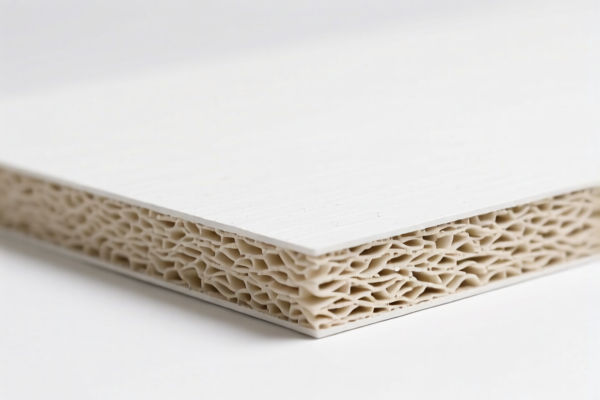
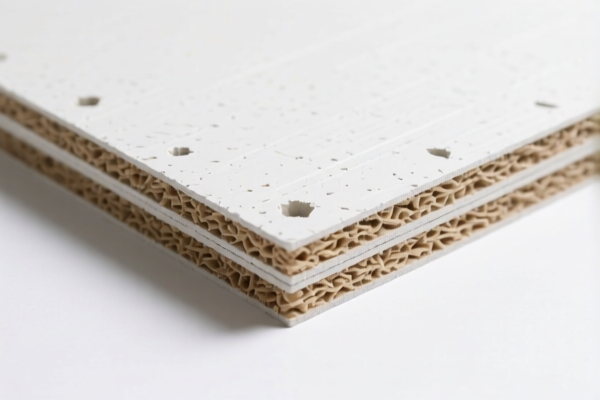
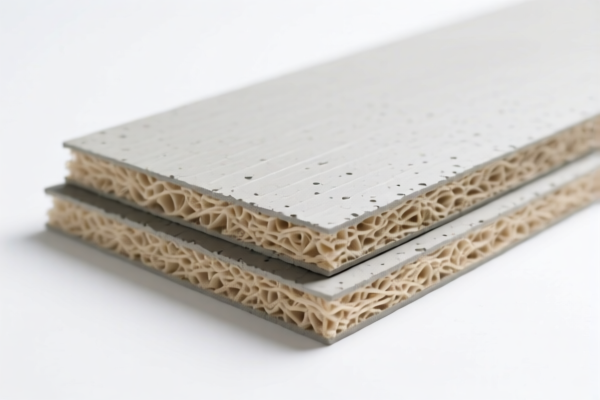
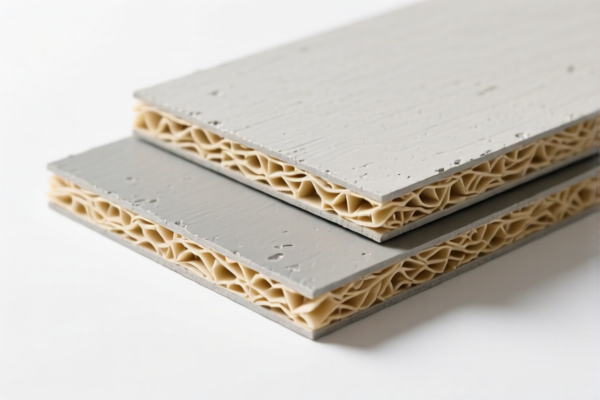
AI分析
🧪 Cellulose Acetate Fine Board (醋酸纤维精密板)
🌐 HS Code Classification & Customs Clearance Guide | Precision Analysis for 2026 | Strategic Tariff Breakdown
📌 I. Product Definition & Core Characteristics: What is "Cellulose Acetate Fine Board"?
Cellulose Acetate Fine Board is a high-precision, semi-finished or finished plastic sheet/plate derived from cellulose acetate. It is widely used in optical films, protective coatings, display components, and precision industrial applications.
In international trade, the classification hinges on two critical factors: 1. Form: Is it a raw material/semi-finished product (Chapters 3912/3917) or a finished sheet/plate (Chapter 3920/3921)? 2. Material Composition: Is it pure cellulose derivatives or a mixture/synthetic blend?
⚠️ Critical Distinction Point:
- If the product is in a primary form (powders, flakes, granules) or unworked cellulose acetate → It belongs to Chapter 3912 (Plastics in primary forms).
- If the product is a finished board/plate/sheet (even if thin/precision) → It usually belongs to Chapter 3920 (Other plates, sheets, film, foil, and strip, of plastics) or Chapter 3921 (Other plates, sheets, etc.).
- Note on "Synthetic Fibers": If the board is made from regenerated fibers (acetate fibers) rather than pure cellulose acetate resin, it may fall under 3921.
📦 II. HS Code Classification Matrix (Based on Provided Data)
Below are the 6 most likely HS Codes for "Cellulose Acetate Fine Board" as per the dataset, categorized by their material and form logic.
| HS Code | Product Description | Classification Logic | Key Identifier |
|---|---|---|---|
3912.11.00.00 |
Cellulose Acetate Fine Board (Primary/Semi-finished) | Chapter 3912: Plastics in primary forms. Specifically for Cellulose Esters (Acetate). | Material: Cellulose Acetate Form: Primary/Semi-finished |
3912.12.00.00 |
Cellulose Acetate Fine Board (Primary/Semi-finished) | Chapter 3912: Plastics in primary forms. Specifically for Cellulose Acetate. | Material: Cellulose Acetate Form: Primary/Semi-finished |
3920.73.00.00 |
Cellulose Acetate Fine Board (Sheet/Plate/Film) | Chapter 3920: Other plates/sheets of plastics. Specifically for Cellulose Acetates. | Material: Cellulose Acetate Form: Sheet/Plate/Film |
3920.79.50.00 |
Cellulose Acetate Fine Board (Sheet/Plate/Film) | Chapter 3920: Other plates/sheets of plastics. Specifically for Other Cellulose Derivatives. | Material: Cellulose Derivatives Form: Sheet/Plate/Film |
3921.19.00.90 |
Cellulose Acetate Fine Board (Board/Plate) | Chapter 3921: Other plates/sheets of plastics. Specifically for Other Plastics (Non-cellulose specific subheading). | Material: Cellulose Acetate Form: Board |
3921.90.50.50 |
Cellulose Acetate Fine Board (Board/Plate) | Chapter 3921: Other plates/sheets of plastics. Specifically for Synthetic Fibers/Plastics. | Material: Synthetic Fibers/Plastics Blend Form: Board |
🔍 Why the Split?
- 3912 codes apply if the "board" is actually a raw block or semi-processed material ready for further manufacturing, not yet a final shaped component.
- 3920 codes apply if it is a finished sheet or plate made of cellulose acetate (a cellulose ester).
- 3921 codes apply if the material is considered "other plastics" or contains synthetic fibers (regenerated cellulose fibers) that change the chemical nature from pure ester to fiber-based board.
💰 III. 2026 Tariff Rate Breakdown (USA Origin: China)
✅ Applicable Country: United States (US)
✅ Origin: China (CN)
✅ Effective Date: 2025/2026 (Current Enforcement)
✅ Tax Structure: Base Tariff + Section 301 Tariff + Section 122 Tariff
🎯 1. Primary Form Classification (HS 3912)
Codes: 3912.11.00.00, 3912.12.00.00
| Item | Rate | Details |
|---|---|---|
| Base Tariff | 5.6% | Standard Most Favored Nation (MFN) rate for cellulose esters in primary forms. |
| Section 301 Tariff | +25.0% | Additional tariff for Chinese origin goods under US Trade Act Section 301. |
| Section 122 Tariff | +10.0% | Additional tariff under Section 122 of the Trade Act (National Security/Supply Chain). |
| Total Tax Rate | 40.6% | 5.6% + 25.0% + 10.0% |
| Calculation | CIF Value × 40.6% |
📌 Analysis:
- High base tariff (5.6%) combined with heavy punitive tariffs (35%) results in a 40.6% total cost.
- This is the second-highest rate in the dataset, applicable if the board is considered "primary form" (raw material).
🎯 2. Sheet/Plate Classification (HS 3920)
Codes: 3920.73.00.00, 3920.79.50.00
| Item | Rate | Details |
|---|---|---|
| Base Tariff | 2.9% - 3.7% | Lower base rate for plastic sheets/films of cellulose derivatives. |
| Section 301 Tariff | +25.0% | Same punitive tariff as above. |
| Section 122 Tariff | +10.0% | Same punitive tariff as above. |
| Total Tax Rate | 37.9% - 38.7% | (2.9% or 3.7%) + 25.0% + 10.0% |
| Calculation | CIF Value × Rate |
📌 Analysis:
-3920.73.00.00(37.9%) is the lowest total rate in the dataset.
-3920.79.50.00(38.7%) is slightly higher due to a higher base tariff for "other cellulose derivatives."
- Recommendation: If your product is a finished sheet/plate, aim for Chapter 3920 to save 2-3% compared to Chapter 3912.
🎯 3. Other Board/Plate Classification (HS 3921)
Codes: 3921.19.00.90, 3921.90.50.50
| Item | Rate | Details |
|---|---|---|
| Base Tariff | 4.8% - 6.5% | Higher base rates for "other plastics" or fiber-based boards. |
| Section 301 Tariff | +25.0% | Standard punitive tariff. |
| Section 122 Tariff | +10.0% | Standard punitive tariff. |
| Total Tax Rate | 39.8% - 41.5% | (4.8% or 6.5%) + 25.0% + 10.0% |
| Calculation | CIF Value × Rate |
📌 Analysis:
-3921.19.00.90(41.5%) is the highest total rate. This applies if the board is classified as "other plastic" (non-cellulose specific) or if the material composition is ambiguous.
-3921.90.50.50(39.8%) applies if it is considered a board made of synthetic fibers/plastics.
- Risk: Misclassifying a cellulose acetate board as "other plastic" can lead to the highest tax burden.
🛠️ IV. Customs Clearance Strategy & Pitfalls
✅ 1. Critical Documentation Checklist
| Document | Purpose |
|---|---|
| Product Specification Sheet | Must explicitly state: Chemical Composition (e.g., "99% Cellulose Acetate", "Cellulose Derivative"), Form (Sheet/Plate vs. Raw Block), and Thickness. |
| Material Safety Data Sheet (MSDS) | Confirms chemical nature and helps customs verify it is a plastic/cellulose derivative, not a textile fiber. |
| Formula/Composition Report | Critical for distinguishing between 3912 (Primary), 3920 (Cellulose Ester Sheet), and 3921 (Other/Fiber Board). |
| Commercial Invoice | Must describe the item as "Cellulose Acetate Board/Sheet" and not just "Plastic Board" to avoid ambiguity. |
| Packaging List | Shows dimensions and weight to support the "Board/Sheet" classification. |
✅ 2. Classification Decision Tree (How to Choose the Right HS Code)
-
Is it in Primary Form? (Powder, Flake, Granule, Unworked Block)
→ YES: Check3912.11.00.00or3912.12.00.00(Tax: 40.6%).
→ NO: Go to Step 2. -
Is it a Sheet, Plate, or Film? (Cut to size, finished surface)
→ YES: Check3920Chapter.- Is it pure Cellulose Acetate? →
3920.73.00.00(Tax: 37.9%). - Is it Other Cellulose Derivative? →
3920.79.50.00(Tax: 38.7%).
→ NO: Go to Step 3.
- Is it pure Cellulose Acetate? →
-
Is it a Board/Plate made of Other Plastics or Synthetic Fibers?
→ YES: Check3921Chapter.- Is it Synthetic Fiber/Plastic Blend? →
3921.90.50.50(Tax: 39.8%). - Is it Other Plastic? →
3921.19.00.90(Tax: 41.5%).
- Is it Synthetic Fiber/Plastic Blend? →
📌 Pro Tip:
- Lowest Tax: Aim for3920.73.00.00(37.9%) if your product is a finished sheet/plate of cellulose acetate.
- Highest Tax: Avoid3921.19.00.90(41.5%) unless the material truly is not a cellulose ester.
- Medium Tax:3912codes (40.6%) are risky if the product is actually a finished board, as customs may reclassify it to 3920.
✅ 3. Common Misclassifications & Penalties
| ❌ Mistake | ✅ Correct Approach | Consequence |
|---|---|---|
Classifying a finished sheet as primary form (3912) |
Classify as sheet/plate (3920) |
Overpayment: You pay 40.6% instead of 37.9%. |
Classifying Cellulose Acetate as Other Plastic (3921.19) |
Classify as Cellulose Ester (3920.73) |
Overpayment: You pay 41.5% instead of 37.9%. |
| Using vague terms like "Plastic Board" | Specify "Cellulose Acetate Board" | Customs Review: Delay in clearance, potential reclassification and penalties. |
| Ignoring Section 122 Tariff | Include 10% in cost calculation | Cash Flow Issue: Underestimating total landed cost by 10%. |
🌍 V. Global Market Comparison (Contextual)
| Region | Recommended HS Code | Est. Total Tariff (China Origin) | Notes |
|---|---|---|---|
| 🇺🇸 USA | 3920.73.00.00 |
37.9% | Includes Base + Sec 301 (25%) + Sec 122 (10%). Highest cost. |
| 🇪🇺 EU | 3920.73.00.00 |
~6.5% | No Section 301/122. Standard MFN rate applies. |
| 🇨🇳 China | 3920.73.00.00 |
5-6% | Import tariff for cellulose esters. No punitive tariffs. |
| 🇯🇵 Japan | 3920.73.00.00 |
3-6% | Varies by FTA status. Generally lower than US. |
📌 Key Takeaway:
The US market is significantly more expensive for Cellulose Acetate Fine Board due to the 35% punitive tariffs (25% + 10%).
- If possible, optimize the product description to ensure it qualifies for3920.73.00.00(37.9%) rather than3921(39.8%+) or3912(40.6%).
📌 VI. Final Recommendation for Importers
- Verify Material Composition: Ensure your supplier provides a chemical analysis proving the product is Cellulose Acetate (a cellulose ester). This is key to qualifying for Chapter 3920.
- Define Form Clearly: If the product is a cut sheet/plate, use
3920. If it is a raw block, use3912. Do not mix them. - Calculate Landed Cost: Include the 37.9% - 41.5% total tax in your pricing model. Do not forget the 10% Section 122 tariff.
- Pre-Classification Ruling: Consider applying for an US Customs Advance Ruling to lock in the
3920.73.00.00classification and avoid disputes at the border.
📣 Action Item:
📞 Contact your customs broker immediately with the MSDS and Product Specifications.
📊 Request a cost comparison:
-3920.73.00.00(37.9%) vs.3921.19.00.90(41.5%)
- Potential Savings: Up to 3.6% of CIF value by correctly classifying as Cellulose Ester Sheet.
✨ Precision Classification = Maximum Profit Margin!
💼 Don't let HS Code ambiguity cost you 35% of your margin.
用户评价
关于 HS 编码归类
协调制度(HS)是由世界海关组织(WCO)制定的国际贸易商品分类标准。全球 200 多个国家采用 HS 系统作为海关关税、贸易统计和进出口监管的基础。
每个 HS 编码遵循以下层级结构:
- 章(2 位)——商品大类(例如:第 84 章:机器和机械设备)
- 品目(4 位)——章内的更具体分类
- 子目(6 位)——国际通用细分,所有 WCO 成员国统一使用
- 本国细分(8-10 位)——各国自行扩展的细分编码,如美国 HTSUS 10 位编码
正确的 HS 编码归类对于顺利通关、准确缴纳关税和遵守贸易法规至关重要。错误归类可能导致海关延误、多缴关税或罚款。
从CN进口到US时,适用的关税税率可能包括:
- 最惠国(MFN)税率——适用于 WTO 成员国的标准关税税率
- 普通税率——适用于无贸易协定国家
- 贸易救济关税——附加关税,如 301 条款(反倾销)、232 条款(国家安全)或反补贴税
本页内容仅供参考。如需正式归类,请咨询当地海关或持牌报关代理。