Central Locking System
CN → US| HS编码 | 关税税率 | 原产国 | 目的国 | 文档 |
|---|---|---|---|---|
| 8708291500 | 0.0% | CN | US | 官方文档 |
| 8708295160 | 0.0% | CN | US | 官方文档 |
| 8536490080 | 37.7% | CN | US | 官方文档 |
| 8536509065 | 35.0% | CN | US | 官方文档 |
| 8301200060 | 40.7% | CN | US | 官方文档 |
商品图片
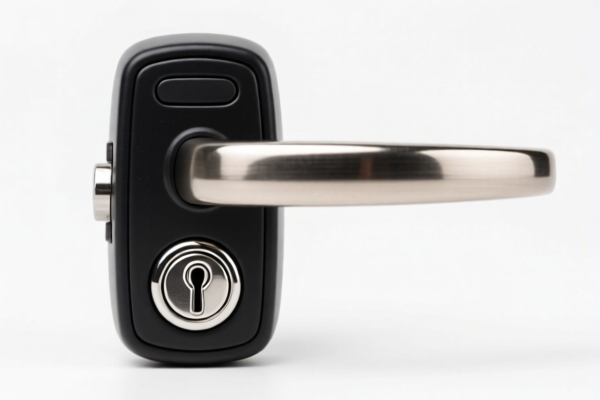
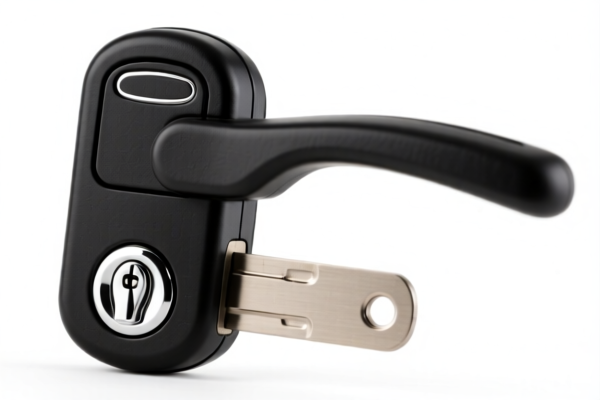
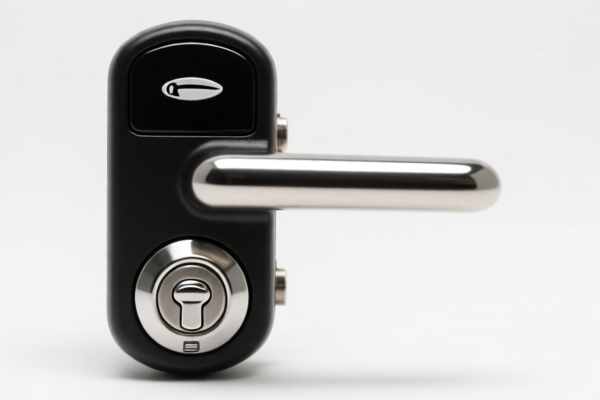
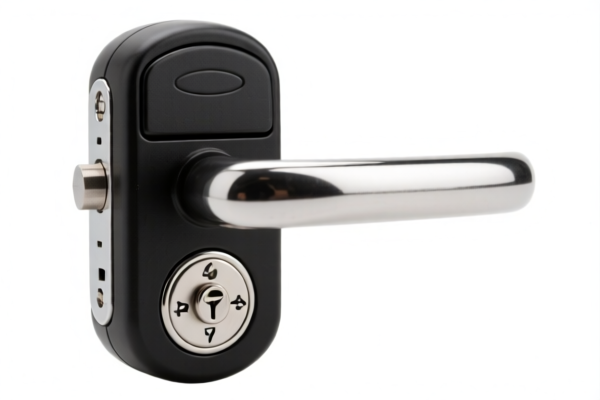
AI分析
🔐 Central Locking System (Automotive)
🌐 HS Code Classification & Customs Clearance Guide | 2026 Latest Tariff Analysis | Strategic Entry Strategy
📌 I. Product Definition & Classification: Decoding the "Central Locking System"
The Central Locking System (CLS) is a critical automotive safety and convenience component. It allows the driver to lock/unlock all doors of a vehicle simultaneously via a key fob, key cylinder, or electronic sensor.
In international trade, the HS Code classification depends entirely on the physical composition and functional role of the specific component being imported. A CLS is rarely a single unit; it is often a mix of mechanical metal parts, electrical control modules, and sensors.
⚠️ Critical Distinction Point:
- If the item is purely mechanical metal assemblies (latches, actuators) without integrated complex electronics → Often classified under Chapter 83 (Miscellaneous Metal Articles).
- If the item is a complete vehicle part specifically designed for car bodies → Classified under Chapter 87 (Vehicles).
- If the item is primarily an electrical control switch or relay → Classified under Chapter 85 (Electrical Machinery).
📦 II. HS Code Classification Details (2026 Latest Tariff Authority Match)
Based on the provided data, here are the specific HS Codes, summaries, and tax implications for Central Locking Systems.
| HS Code | Summary & Classification Logic | Total Tax Rate (CN Origin to US) | Key Tariff Components |
|---|---|---|---|
8301.20.00.60 |
Metal Locks: Central locking systems, metal-made, car locks. Fits "Other" automotive lock category under Chapter 83. | 40.7% | Base: 5.7% + Section 301: 25.0% + Section 122: 10% |
8301.20.00.30 |
Metal Lock Assemblies: Central locking system, metal lock components. Fits attribute of "Locks and fittings" in 8301.20. | 40.7% | Base: 5.7% + Section 301: 25.0% + Section 122: 10% |
8708.29.15.00 |
Vehicle Body Parts: Core component of the door system. Fits "Parts and accessories of bodies" under Chapter 87. | 2.5% + 35.0% | Base: 2.5% + Section 301: 25.0% + Section 122: 10% |
8708.29.51.60 |
Other Vehicle Parts: Vehicle body parts. Fits "Other parts and accessories"范畴. Note: Steel/Aluminum/Copper items have extra surcharge. | 2.5% + 85.0% | Base: 2.5% + Section 301: 25.0% + Section 122: 10% + Steel/Alu/Cu Surcharge: 50% |
8536.49.00.80 |
Electrical Controls: Contains relays and actuators. Fits "Electrical switches/protective devices" under Chapter 85. | 37.7% | Base: 2.7% + Section 301: 25.0% + Section 122: 10% |
8536.50.90.65 |
Electrical Switches: Signal control switches or execution mechanisms. Fits "Other electrical switches" under Chapter 85. | 35.0% | Base: 0.0% + Section 301: 25.0% + Section 122: 10% |
🔍 Key Insight:
- The lowest base duty (2.5% and 0%) is found in Chapter 87 and 85, but the Section 301 (25%) and Section 122 (10%) surcharges are mandatory for Chinese origin.
-8708.29.51.60is the most dangerous due to the additional 50% surcharge for steel/aluminum/copper content, resulting in the highest total tax (87.5% effective rate).
-8301codes treat the lock as a "metal article," ignoring its vehicle-specific design, leading to a moderate-high flat rate of 40.7%.
💰 III. 2026 Detailed Tariff Breakdown & Legal Basis
✅ Applicable Country: United States (US)
✅ Origin: China (CN)
✅ Effective Date: Current (Includes Section 301 & Section 122 adjustments)
🎯 1. 8301.20.00.60 / 8301.20.00.30 – Metal Lock Components
| Item | Details |
|---|---|
| Base Duty | 5.7% |
| Section 301 (Add. Tariff) | +25.0% |
| Section 122 (Additional) | +10.0% |
| Total Effective Rate | 40.7% |
| Legal Reference | HTSUS 8301.20.00; USITC Footnotes regarding Section 301 and Section 122 (China). |
📌 Explanation:
- These codes classify the product as "Miscellaneous Metal Articles" rather than vehicle parts. This is often chosen if the importer does not have proof of vehicle-specific integration or if the part is sold as a generic metal lock assembly.
- The 25% Section 301 tariff is standard for Chapter 83 goods from China.
- The 10% Section 122 tariff applies to specific Chinese imports under the U.S.-China Phase One Agreement provisions (note: verify current applicability as policies shift).
🎯 2. 8708.29.15.00 – Vehicle Body Part (Door System Core)
| Item | Details |
|---|---|
| Base Duty | 2.5% |
| Section 301 (Add. Tariff) | +25.0% |
| Section 122 (Additional) | +10.0% |
| Total Effective Rate | 37.5% (Text says 2.5%+35.0%, implying 35% total add-ons) |
| Legal Reference | HTSUS 8708.29.15; Vehicle Parts classification. |
📌 Explanation:
- This is the most favorable classification for complete CLS units intended for automotive body assembly.
- Base duty is low (2.5%), but the surcharges remain high.
- Risk: Customs may challenge this if the CLS is not clearly identified as a "body part" or if it includes significant non-metal electrical components that might shift classification to Chapter 85.
🎯 3. 8708.29.51.60 – Other Vehicle Parts (High Risk)
| Item | Details |
|---|---|
| Base Duty | 2.5% |
| Section 301 (Add. Tariff) | +25.0% |
| Section 122 (Additional) | +10.0% |
| Steel/Alu/Cu Surcharge | +50.0% |
| Total Effective Rate | 87.5% (2.5 + 25 + 10 + 50) |
| Legal Reference | HTSUS 8708.29.51.60; Special surcharge for metal products. |
📌 WARNING:
- This code attracts an additional 50% tariff specifically for steel, aluminum, or copper products from China under specific trade remedies.
- Avoid this code unless absolutely necessary. The total tax rate is prohibitive for most commercial imports.
🎯 4. 8536.49.00.80 / 8536.50.90.65 – Electrical Components
| Item | Details |
|---|---|
| Base Duty | 2.7% (8536.49) / 0.0% (8536.50) |
| Section 301 (Add. Tariff) | +25.0% |
| Section 122 (Additional) | +10.0% |
| Total Effective Rate | 37.7% (8536.49) / 35.0% (8536.50) |
| Legal Reference | HTSUS 8536.49 / 8536.50; Electrical switches/relays. |
📌 Explanation:
- If the CLS is primarily an electronic control unit (ECU), relay, or switch, Chapter 85 is appropriate.
-8536.50.90.65offers the lowest base duty (0%), making the total 35.0% the most cost-effective option for electronic-heavy CLS components.
- Condition: Must be clearly described as an "electrical switch" or "relay," not a mechanical lock.
🛠️ IV. Customs Clearance Operational Advice (Practical Pitfall Guide)
✅ 1. Documentation Checklist (Non-Negotiable)
| Document | Required | Purpose |
|---|---|---|
| ✅ Product Technical Manual | ✔️ | Must detail if it is mechanical, electrical, or hybrid. |
| ✅ Circuit Diagram | ✔️ | Critical for 8536 classification. Proves it's an electrical switch/relay. |
| ✅ BOM (Bill of Materials) | ✔️ | To prove metal content if 8708.29.51.60 risk is being assessed. |
| ✅ Commercial Invoice | ✔️ | Must specify "Central Locking System – Electrical/ Mechanical". |
| ✅ Packing List | ✔️ | Separate mechanical parts from electrical modules if shipped together. |
| ✅ OEM Contract/Purchase Order | ✔️ | To support "Vehicle Part" (8708) classification. |
✅ 2. Declaration Strategy (Key Keywords)
🔥 "Function Dictates Code, Electronics Favor 85, Mechanics Favor 83, Parts Favor 87!"
| Scenario | Recommended HS Code | Why? |
|---|---|---|
| Electronic Control Module/Relay only | 8536.50.90.65 |
Lowest base duty (0%), total 35%. |
| Complete Mechanical Lock Actuator | 8301.20.00.60 |
Treated as metal lock; safe 40.7%. |
| Complete System for Car Assembly | 8708.29.15.00 |
Treated as vehicle part; base 2.5%, total ~37.5%. |
| Mixed Mechanical/Electrical | Consult Specialist | High risk of misclassification. Prefer 8536 if electronics dominate. |
✅ 3. Special Handling Tips
| Situation | Advice |
|---|---|
| OEM Parts for Aftermarket | Provide proof of vehicle model compatibility to support 8708 classification. |
| Shipped in Multiple Packages | If electronic control units are shipped separately from metal locks, declare them under 8536 and 8301 respectively to optimize tax. |
Avoid 8708.29.51.60 |
Unless you have no other choice, this code incurs a massive 50% surcharge. |
| Section 122 Applicability | Verify if Section 122 (10%) is currently enforced for your specific product type, as policies can change. |
🌍 V. Global Market Comparison (2026 Snapshot)
| Region | Recommended HS Code | Est. Tax (China Origin) | Notes |
|---|---|---|---|
| 🇺🇸 USA | 8536.50.90.65 or 8708.29.15.00 |
35.0% - 37.5% | Highest complexity due to Section 301 & 122. |
| 🇨🇳 China | 8301.20.00.60 |
~5-13% | Import duty + VAT. No Section 301. |
| 🇪🇺 EU | 8301.20.00 or 8708.29 |
0-4% | No Section 301. May require ECE certification. |
| 🇬🇧 UK | 8301.20.00 |
0-5% | Post-Brexit tariffs may apply. |
📌 Conclusion:
- The USA is the most expensive market due to cumulative surcharges.
- Optimization Strategy: Classify electronic components under8536(35% total) and mechanical locks under8301(40.7%) or8708.29.15(37.5%). Avoid8708.29.51.60at all costs.
📌 VI. Common Errors & Pitfalls (Blood Lessons)
❌ Error 1: Declaring a complete electronic CLS as "Metal Lock" (8301)
👉 Consequence: Misclassification penalty. Customs may reject it for lacking electrical characteristics proof.
👉 Fix: Provide circuit diagrams if claiming 8536.
❌ Error 2: Using 8708.29.51.60 for standard CLS
👉 Consequence: 87.5% tax rate. Unprofitable.
👉 Fix: Use 8708.29.15.00 or 8536 codes.
❌ Error 3: Splitting electronic and mechanical parts in the same shipment without clear documentation
👉 Consequence: Customs may apply the highest tax rate to the entire shipment or delay clearance for inspection.
👉 Fix: Clearly label and separate electronic vs. mechanical components in the invoice and packing list.
🎯 VII. Conclusion: Strategic Classification for Cost Savings
🎯 Key Takeaway:
🔹 "Electronics win on base duty, Mechanics pay standard rates, Parts risk surcharges."
🔹 Best Route: Classify electronic control units/relays under8536.50.90.65(35% Total).
🔹 Avoid:8708.29.51.60(87.5% Total).
📌 Pro Tip:
If your Central Locking System is integrated with the vehicle body (e.g., sold as part of a door assembly), use 8708.29.15.00. If it is a standalone electronic module, use 8536.50.90.65. Always consult a licensed customs broker to verify the latest Section 122 status before shipment.
📣 Immediate Action:
📞 Contact a Customs Broker + Provide Circuit Diagrams + Apply for Advance Ruling (if possible)
🚀 Optimize your HS Code to save 5-50% in tariffs!
✨ Professional Clearance Starts with Accurate Classification!
💼 Every dollar saved in tariffs is pure profit!
用户评价
关于 HS 编码归类
协调制度(HS)是由世界海关组织(WCO)制定的国际贸易商品分类标准。全球 200 多个国家采用 HS 系统作为海关关税、贸易统计和进出口监管的基础。
每个 HS 编码遵循以下层级结构:
- 章(2 位)——商品大类(例如:第 84 章:机器和机械设备)
- 品目(4 位)——章内的更具体分类
- 子目(6 位)——国际通用细分,所有 WCO 成员国统一使用
- 本国细分(8-10 位)——各国自行扩展的细分编码,如美国 HTSUS 10 位编码
正确的 HS 编码归类对于顺利通关、准确缴纳关税和遵守贸易法规至关重要。错误归类可能导致海关延误、多缴关税或罚款。
从CN进口到US时,适用的关税税率可能包括:
- 最惠国(MFN)税率——适用于 WTO 成员国的标准关税税率
- 普通税率——适用于无贸易协定国家
- 贸易救济关税——附加关税,如 301 条款(反倾销)、232 条款(国家安全)或反补贴税
本页内容仅供参考。如需正式归类,请咨询当地海关或持牌报关代理。