Central Locking System
CN → US| HS Code | Tariff Rate | Origin | Destination | Doc |
|---|---|---|---|---|
| 8708291500 | 0.0% | CN | US | Official Doc |
| 8708295160 | 0.0% | CN | US | Official Doc |
| 8536490080 | 37.7% | CN | US | Official Doc |
| 8536509065 | 35.0% | CN | US | Official Doc |
| 8301200060 | 40.7% | CN | US | Official Doc |
Product Images
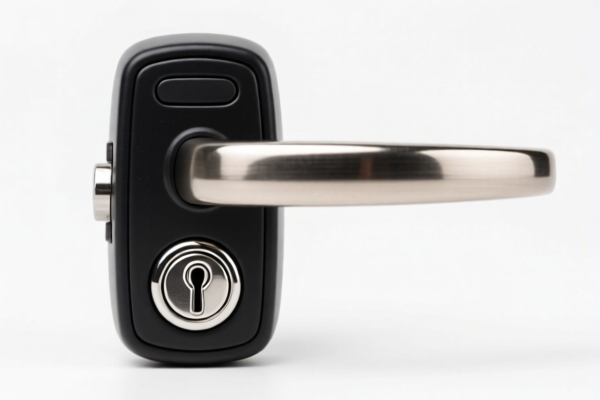
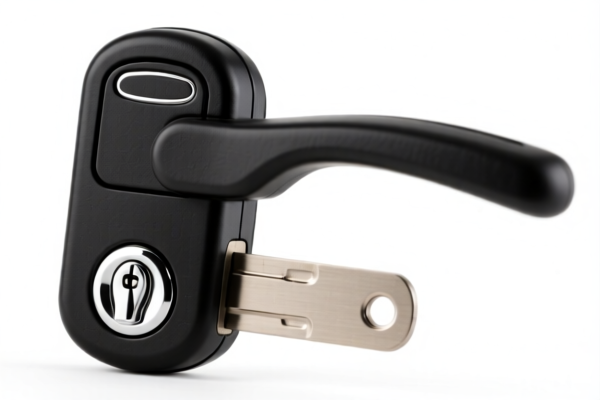
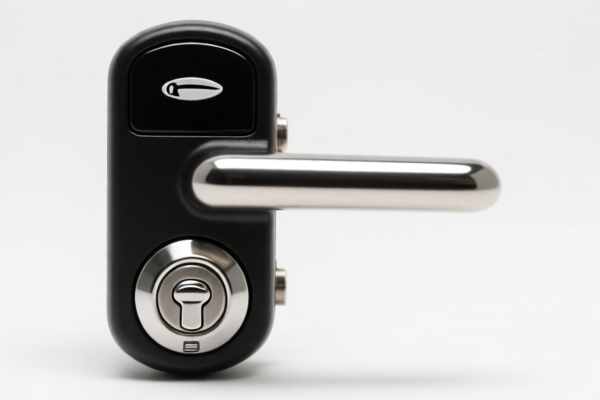
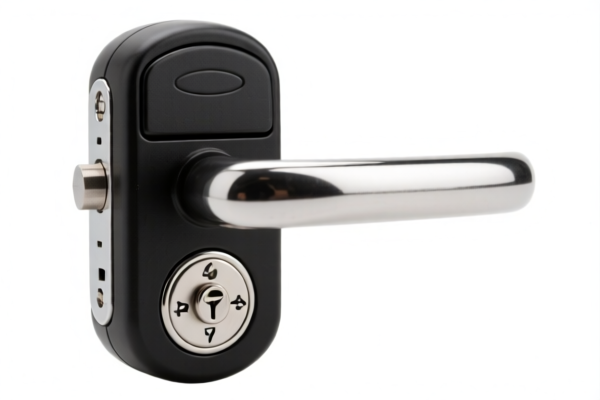
AI Analysis
🔐 Central Locking System (Automotive)
🌐 HS Code Classification & Customs Clearance Guide | 2026 Latest Tariff Analysis | Strategic Entry Strategy
📌 I. Product Definition & Classification: Decoding the "Central Locking System"
The Central Locking System (CLS) is a critical automotive safety and convenience component. It allows the driver to lock/unlock all doors of a vehicle simultaneously via a key fob, key cylinder, or electronic sensor.
In international trade, the HS Code classification depends entirely on the physical composition and functional role of the specific component being imported. A CLS is rarely a single unit; it is often a mix of mechanical metal parts, electrical control modules, and sensors.
⚠️ Critical Distinction Point:
- If the item is purely mechanical metal assemblies (latches, actuators) without integrated complex electronics → Often classified under Chapter 83 (Miscellaneous Metal Articles).
- If the item is a complete vehicle part specifically designed for car bodies → Classified under Chapter 87 (Vehicles).
- If the item is primarily an electrical control switch or relay → Classified under Chapter 85 (Electrical Machinery).
📦 II. HS Code Classification Details (2026 Latest Tariff Authority Match)
Based on the provided data, here are the specific HS Codes, summaries, and tax implications for Central Locking Systems.
| HS Code | Summary & Classification Logic | Total Tax Rate (CN Origin to US) | Key Tariff Components |
|---|---|---|---|
8301.20.00.60 |
Metal Locks: Central locking systems, metal-made, car locks. Fits "Other" automotive lock category under Chapter 83. | 40.7% | Base: 5.7% + Section 301: 25.0% + Section 122: 10% |
8301.20.00.30 |
Metal Lock Assemblies: Central locking system, metal lock components. Fits attribute of "Locks and fittings" in 8301.20. | 40.7% | Base: 5.7% + Section 301: 25.0% + Section 122: 10% |
8708.29.15.00 |
Vehicle Body Parts: Core component of the door system. Fits "Parts and accessories of bodies" under Chapter 87. | 2.5% + 35.0% | Base: 2.5% + Section 301: 25.0% + Section 122: 10% |
8708.29.51.60 |
Other Vehicle Parts: Vehicle body parts. Fits "Other parts and accessories"范畴. Note: Steel/Aluminum/Copper items have extra surcharge. | 2.5% + 85.0% | Base: 2.5% + Section 301: 25.0% + Section 122: 10% + Steel/Alu/Cu Surcharge: 50% |
8536.49.00.80 |
Electrical Controls: Contains relays and actuators. Fits "Electrical switches/protective devices" under Chapter 85. | 37.7% | Base: 2.7% + Section 301: 25.0% + Section 122: 10% |
8536.50.90.65 |
Electrical Switches: Signal control switches or execution mechanisms. Fits "Other electrical switches" under Chapter 85. | 35.0% | Base: 0.0% + Section 301: 25.0% + Section 122: 10% |
🔍 Key Insight:
- The lowest base duty (2.5% and 0%) is found in Chapter 87 and 85, but the Section 301 (25%) and Section 122 (10%) surcharges are mandatory for Chinese origin.
-8708.29.51.60is the most dangerous due to the additional 50% surcharge for steel/aluminum/copper content, resulting in the highest total tax (87.5% effective rate).
-8301codes treat the lock as a "metal article," ignoring its vehicle-specific design, leading to a moderate-high flat rate of 40.7%.
💰 III. 2026 Detailed Tariff Breakdown & Legal Basis
✅ Applicable Country: United States (US)
✅ Origin: China (CN)
✅ Effective Date: Current (Includes Section 301 & Section 122 adjustments)
🎯 1. 8301.20.00.60 / 8301.20.00.30 – Metal Lock Components
| Item | Details |
|---|---|
| Base Duty | 5.7% |
| Section 301 (Add. Tariff) | +25.0% |
| Section 122 (Additional) | +10.0% |
| Total Effective Rate | 40.7% |
| Legal Reference | HTSUS 8301.20.00; USITC Footnotes regarding Section 301 and Section 122 (China). |
📌 Explanation:
- These codes classify the product as "Miscellaneous Metal Articles" rather than vehicle parts. This is often chosen if the importer does not have proof of vehicle-specific integration or if the part is sold as a generic metal lock assembly.
- The 25% Section 301 tariff is standard for Chapter 83 goods from China.
- The 10% Section 122 tariff applies to specific Chinese imports under the U.S.-China Phase One Agreement provisions (note: verify current applicability as policies shift).
🎯 2. 8708.29.15.00 – Vehicle Body Part (Door System Core)
| Item | Details |
|---|---|
| Base Duty | 2.5% |
| Section 301 (Add. Tariff) | +25.0% |
| Section 122 (Additional) | +10.0% |
| Total Effective Rate | 37.5% (Text says 2.5%+35.0%, implying 35% total add-ons) |
| Legal Reference | HTSUS 8708.29.15; Vehicle Parts classification. |
📌 Explanation:
- This is the most favorable classification for complete CLS units intended for automotive body assembly.
- Base duty is low (2.5%), but the surcharges remain high.
- Risk: Customs may challenge this if the CLS is not clearly identified as a "body part" or if it includes significant non-metal electrical components that might shift classification to Chapter 85.
🎯 3. 8708.29.51.60 – Other Vehicle Parts (High Risk)
| Item | Details |
|---|---|
| Base Duty | 2.5% |
| Section 301 (Add. Tariff) | +25.0% |
| Section 122 (Additional) | +10.0% |
| Steel/Alu/Cu Surcharge | +50.0% |
| Total Effective Rate | 87.5% (2.5 + 25 + 10 + 50) |
| Legal Reference | HTSUS 8708.29.51.60; Special surcharge for metal products. |
📌 WARNING:
- This code attracts an additional 50% tariff specifically for steel, aluminum, or copper products from China under specific trade remedies.
- Avoid this code unless absolutely necessary. The total tax rate is prohibitive for most commercial imports.
🎯 4. 8536.49.00.80 / 8536.50.90.65 – Electrical Components
| Item | Details |
|---|---|
| Base Duty | 2.7% (8536.49) / 0.0% (8536.50) |
| Section 301 (Add. Tariff) | +25.0% |
| Section 122 (Additional) | +10.0% |
| Total Effective Rate | 37.7% (8536.49) / 35.0% (8536.50) |
| Legal Reference | HTSUS 8536.49 / 8536.50; Electrical switches/relays. |
📌 Explanation:
- If the CLS is primarily an electronic control unit (ECU), relay, or switch, Chapter 85 is appropriate.
-8536.50.90.65offers the lowest base duty (0%), making the total 35.0% the most cost-effective option for electronic-heavy CLS components.
- Condition: Must be clearly described as an "electrical switch" or "relay," not a mechanical lock.
🛠️ IV. Customs Clearance Operational Advice (Practical Pitfall Guide)
✅ 1. Documentation Checklist (Non-Negotiable)
| Document | Required | Purpose |
|---|---|---|
| ✅ Product Technical Manual | ✔️ | Must detail if it is mechanical, electrical, or hybrid. |
| ✅ Circuit Diagram | ✔️ | Critical for 8536 classification. Proves it's an electrical switch/relay. |
| ✅ BOM (Bill of Materials) | ✔️ | To prove metal content if 8708.29.51.60 risk is being assessed. |
| ✅ Commercial Invoice | ✔️ | Must specify "Central Locking System – Electrical/ Mechanical". |
| ✅ Packing List | ✔️ | Separate mechanical parts from electrical modules if shipped together. |
| ✅ OEM Contract/Purchase Order | ✔️ | To support "Vehicle Part" (8708) classification. |
✅ 2. Declaration Strategy (Key Keywords)
🔥 "Function Dictates Code, Electronics Favor 85, Mechanics Favor 83, Parts Favor 87!"
| Scenario | Recommended HS Code | Why? |
|---|---|---|
| Electronic Control Module/Relay only | 8536.50.90.65 |
Lowest base duty (0%), total 35%. |
| Complete Mechanical Lock Actuator | 8301.20.00.60 |
Treated as metal lock; safe 40.7%. |
| Complete System for Car Assembly | 8708.29.15.00 |
Treated as vehicle part; base 2.5%, total ~37.5%. |
| Mixed Mechanical/Electrical | Consult Specialist | High risk of misclassification. Prefer 8536 if electronics dominate. |
✅ 3. Special Handling Tips
| Situation | Advice |
|---|---|
| OEM Parts for Aftermarket | Provide proof of vehicle model compatibility to support 8708 classification. |
| Shipped in Multiple Packages | If electronic control units are shipped separately from metal locks, declare them under 8536 and 8301 respectively to optimize tax. |
Avoid 8708.29.51.60 |
Unless you have no other choice, this code incurs a massive 50% surcharge. |
| Section 122 Applicability | Verify if Section 122 (10%) is currently enforced for your specific product type, as policies can change. |
🌍 V. Global Market Comparison (2026 Snapshot)
| Region | Recommended HS Code | Est. Tax (China Origin) | Notes |
|---|---|---|---|
| 🇺🇸 USA | 8536.50.90.65 or 8708.29.15.00 |
35.0% - 37.5% | Highest complexity due to Section 301 & 122. |
| 🇨🇳 China | 8301.20.00.60 |
~5-13% | Import duty + VAT. No Section 301. |
| 🇪🇺 EU | 8301.20.00 or 8708.29 |
0-4% | No Section 301. May require ECE certification. |
| 🇬🇧 UK | 8301.20.00 |
0-5% | Post-Brexit tariffs may apply. |
📌 Conclusion:
- The USA is the most expensive market due to cumulative surcharges.
- Optimization Strategy: Classify electronic components under8536(35% total) and mechanical locks under8301(40.7%) or8708.29.15(37.5%). Avoid8708.29.51.60at all costs.
📌 VI. Common Errors & Pitfalls (Blood Lessons)
❌ Error 1: Declaring a complete electronic CLS as "Metal Lock" (8301)
👉 Consequence: Misclassification penalty. Customs may reject it for lacking electrical characteristics proof.
👉 Fix: Provide circuit diagrams if claiming 8536.
❌ Error 2: Using 8708.29.51.60 for standard CLS
👉 Consequence: 87.5% tax rate. Unprofitable.
👉 Fix: Use 8708.29.15.00 or 8536 codes.
❌ Error 3: Splitting electronic and mechanical parts in the same shipment without clear documentation
👉 Consequence: Customs may apply the highest tax rate to the entire shipment or delay clearance for inspection.
👉 Fix: Clearly label and separate electronic vs. mechanical components in the invoice and packing list.
🎯 VII. Conclusion: Strategic Classification for Cost Savings
🎯 Key Takeaway:
🔹 "Electronics win on base duty, Mechanics pay standard rates, Parts risk surcharges."
🔹 Best Route: Classify electronic control units/relays under8536.50.90.65(35% Total).
🔹 Avoid:8708.29.51.60(87.5% Total).
📌 Pro Tip:
If your Central Locking System is integrated with the vehicle body (e.g., sold as part of a door assembly), use 8708.29.15.00. If it is a standalone electronic module, use 8536.50.90.65. Always consult a licensed customs broker to verify the latest Section 122 status before shipment.
📣 Immediate Action:
📞 Contact a Customs Broker + Provide Circuit Diagrams + Apply for Advance Ruling (if possible)
🚀 Optimize your HS Code to save 5-50% in tariffs!
✨ Professional Clearance Starts with Accurate Classification!
💼 Every dollar saved in tariffs is pure profit!
Customer Reviews
About HS Code Classification
The Harmonized System (HS) is an internationally standardized nomenclature developed by the World Customs Organization (WCO) to classify traded products. Over 200 countries use the HS system as the basis for customs tariffs, trade statistics, and import/export regulations.
Each HS code follows a hierarchical structure:
- Chapter (2 digits) — Broad category of goods (e.g., Chapter 84: Machinery and Mechanical Appliances)
- Heading (4 digits) — More specific grouping within the chapter
- Subheading (6 digits) — Internationally standardized breakdown, used by all WCO member countries
- National subdivisions (8-10 digits) — Country-specific extensions for further classification, such as US HTSUS 10-digit codes
Correct HS code classification is essential for smooth customs clearance, accurate duty payment, and compliance with trade regulations. Misclassification can lead to customs delays, overpayment of duties, or penalties.
When importing from CN to US, the applicable tariff rates may include:
- Most-Favored-Nation (MFN) rate — The standard duty rate applied to WTO members
- General rate — Applied to countries without trade agreements
- Trade remedy duties — Additional tariffs such as Section 301 (anti-dumping), Section 232 (national security), or countervailing duties
The information provided on this page is for reference purposes only. For official classification, please consult with your local customs authority or a licensed customs broker.