Ceramic Tableware and Kitchen Utensils
CN → US| HS编码 | 关税税率 | 原产国 | 目的国 | 文档 |
|---|---|---|---|---|
| 6911108010 | 38.3% | CN | US | 官方文档 |
| 6911101000 | 42.5% | CN | US | 官方文档 |
| 6912004810 | 19.8% | CN | US | 官方文档 |
商品图片
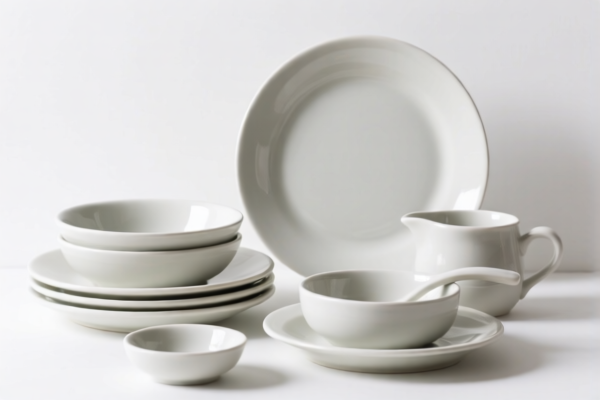
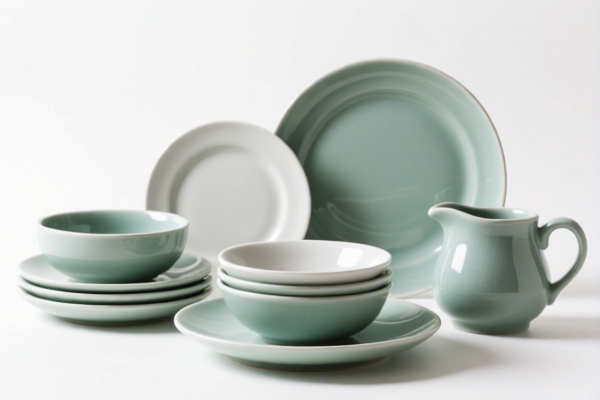
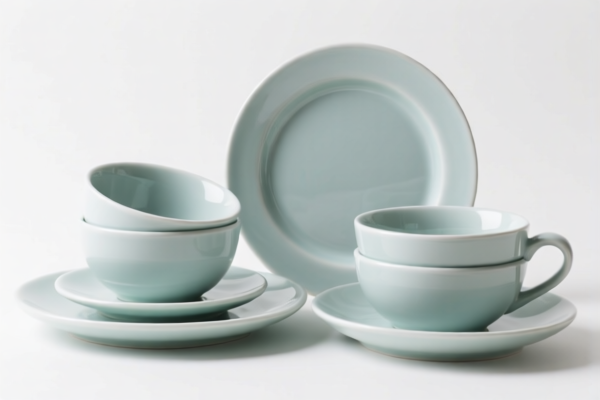
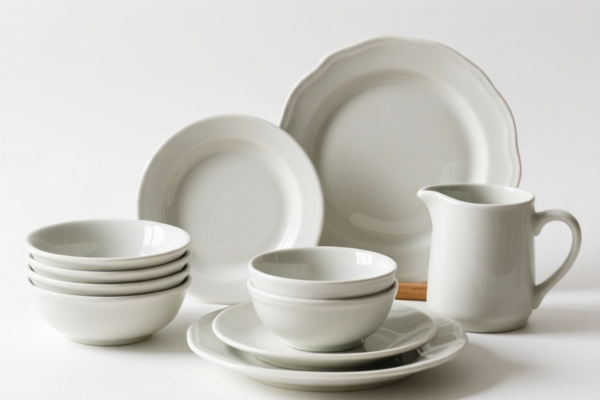
AI分析
🍽️ Ceramic Tableware & Kitchen Utensils (瓷制餐具及厨房器具)
🌐 HS Code Reference & Customs Clearance Guide | 2026 Latest Tariff Analysis | Strategic Clearance Strategy
📌 I. Product Definition & Classification: Are You Identifying Your Ceramics Correctly?
Ceramic tableware and kitchen utensils are essential items in household and hospitality settings. However, in international trade, they are strictly differentiated based on material composition, manufacturing process, and specific use. Misclassification can lead to significant tariff discrepancies or customs delays.
⚠️ Key Distinction Points:
- Hard-Paste Porcelain (Fine China): High firing temperature, translucent, non-porous. Typically used for high-end tableware. → HS 6911
- Soft-Paste/Earthenware/Ceramic (General): Lower firing temperature, opaque, more porous. Often used for cookware, mugs, or durable everyday items. → HS 6912
- Purpose Matters: Is it strictly for eating/drining (Tableware) or for cooking/preparing (Kitchen Utensils)? While both often fall under the same heading, the subheading depends on the material.
📦 II. HS Code Classification Details (2026 Latest Tariff Authority Mapping)
| HS Code | Product Description | Application Scenario | Material Type |
|---|---|---|---|
6911.10.80.10 |
Ceramic tableware & kitchen utensils, made of artificial or technical ceramics (e.g., advanced porcelains) | High-end dining sets, technical ceramic components | ✅ Advanced/Technical Ceramic |
6911.10.10.00 |
Ceramic tableware & kitchen utensils, of fine china or porcelain | Standard fine china dinnerware, tea sets | ✅ Fine Porcelain |
6912.00.48.10 |
Tableware & kitchen utensils, of other ceramics (e.g., earthenware, stoneware) | Everyday mugs, baking dishes, durable ceramic cookware | ✅ General Ceramic |
🔍 Critical Note:
- HS 6911 is generally for porcelain (fine china). It often carries higher tariffs due to stricter anti-dumping or Section 301 measures depending on the origin. - HS 6912 is for other ceramics (earthenware, stoneware). It may benefit from lower base tariffs but is still subject to additional duties depending on trade policies.
💰 III. 2026 Latest Tariff Rate Breakdown (Including Surcharge & Policy Additions)
✅ Applicable Country: United States (US)
✅ Origin: China (CN) (Inferred from "Section 122" and "7.5% surcharge" which align with US-China trade context)
✅ Effective Date: Current as of 2026 Tariff Schedule
🎯 1. 6911.10.80.10 – Ceramic Tableware (Technical/Artificial Ceramic)
| Item | Detail |
|---|---|
| Base Tariff | 20.8% |
| Section 301 Surcharge | +7.5% |
| Section 122 Tariff | +10.0% |
| Total Effective Rate | 38.3% |
| Tax Calculation | CIF Value × 38.3% |
| De Minimis Eligibility | ❌ No (Deny De Minimis for China-origin ceramics under current trade rules) |
| Legal Basis Path | HTSUS:6911.10.80 → USITC:Section 301 → USCG:Section 122 |
📌 Explanation:
- The 20.8% base tariff applies to high-grade technical ceramics. - The 7.5% surcharge is part of the ongoing Section 301 trade remedies. - The 10% Section 122 tariff applies to specific industrial/ceramic imports under national security or economic provisions. - Total: 38.3% is a high-cost category.
🎯 2. 6911.10.10.00 – Ceramic Tableware (Fine Porcelain)
| Item | Detail |
|---|---|
| Base Tariff | 25.0% |
| Section 301 Surcharge | +7.5% |
| Section 122 Tariff | +10.0% |
| Total Effective Rate | 42.5% |
| Tax Calculation | CIF Value × 42.5% |
| De Minimis Eligibility | ❌ No |
| Legal Basis Path | HTSUS:6911.10.10 → USITC:Section 301 → USCG:Section 122 |
📌 Note:
- Fine porcelain attracts the highest base tariff (25%). - Combined with surcharges, this is the most expensive classification (42.5%). - Ideal for luxury brands, but cost-prohibitive for mass-market goods.
🎯 3. 6912.00.48.10 – Ceramic Tableware (Other Ceramics)
| Item | Detail |
|---|---|
| Base Tariff | 9.8% |
| Section 301 Surcharge | 0.0% |
| Section 122 Tariff | +10.0% |
| Total Effective Rate | 19.8% |
| Tax Calculation | CIF Value × 19.8% |
| De Minimis Eligibility | ❌ No |
| Legal Basis Path | HTSUS:6912.00.48 → USCG:Section 122 |
📌 Advantage:
- This classification offers the lowest total tariff (19.8%). - The Section 301 surcharge is 0%, likely because these are considered "daily use" ceramic ware rather than "technical" ceramics. - Best for cost-sensitive supply chains.
🛠️ IV. Customs Clearance Practical Advice (实战避坑指南)
✅ 1. Required Documentation Checklist (No Omissions)
| Document | Required? | Notes |
|---|---|---|
| ✅ Product Specification Sheet | ✔️ | Must specify material (porcelain vs. earthenware), firing temp, lead/cadmium limits |
| ✅ Material Composition Report | ✔️ | Crucial for distinguishing HS 6911 vs. 6912 |
| ✅ Product Photos (Front, Back, Inside) | ✔️ | Show glaze, texture, and any markings |
| ✅ Third-Party Lab Test (Lead/Cadmium) | ✔️ | FDA/CPSC compliance for food contact surfaces |
| ✅ Commercial Invoice | ✔️ | Clearly state: "Ceramic Tableware, Material: [Porcelain/Earthenware]" |
| ✅ Packing List | ✔️ | Detail inner/outer packaging to prove item integrity |
✅ 2. Declaration Tips (Key Mnemonic)
🔥 "Porcelain High, Ceramic Low, Section 122 Hits Both!"
| Scenario | Correct HS Code | Mistake to Avoid |
|---|---|---|
| Fine China/High-Tech Ceramic | 6911.10.10.00 / 6911.10.80.10 |
Misdeclaring as earthenware → Audit Risk |
| Everyday Mugs/Baking Dishes | 6912.00.48.10 |
Misdeclaring as porcelain → Overpay Tariff |
| Mixed Container (Porcelain + Earthenware) | Split Declaration | One HS Code for all → Customs Penalty |
✅ 3. Special Cases Handling
| Case | Handling Advice |
|---|---|
| Lead-Free/Cadmium-Free | Provide lab reports to prove FDA compliance; avoids rejection at US border |
| OEM/Private Label | Ensure invoice matches actual manufacturer, not just brand owner |
| Sample Shipment | Still subject to tariffs; no de minimis exemption for China-origin goods |
| Gift Sets | Must include all items in one declaration; do not split |
🌍 V. Global Market Comparison (2026 Latest)
| Country/Region | Recommended HS Code | Tariff (China Origin) | Certification Required | Notes |
|---|---|---|---|---|
| 🇺🇸 USA | 6912.00.48.10 (Lowest Rate) |
19.8% (Earthenware) / 42.5% (Porcelain) | FDA + Lead/Cadmium Test | Section 122 adds 10% universally |
| 🇨🇳 China | 6911 or 6912 |
5-15% (Import) | CCC (if applicable) | Export from China has no tariff |
| 🇪🇺 EU | 6911 or 6912 |
6.5% | CE + Food Contact Compliance | No Section 122 equivalent |
| 🇬🇧 UK | 6911 or 6912 |
6.5% | UKCA + Food Standards | Post-Brexit rules apply |
| 🇯🇵 Japan | 6911 or 6912 |
6-8% | JIS Standards | Strict food safety testing |
📌 Conclusion:
- USA is the most challenging market due to Section 122 (10%) and potential Section 301 (7.5%) surcharges. - HS 6912 (Earthenware) is the strategic choice for US imports to minimize costs (19.8% vs 38.3%+). - Lead/Cadmium testing is mandatory for all ceramic tableware entering the US.
📌 VI. Common Mistakes & Pitfalls (Lessons Learned)
❌ Mistake 1: Declaring "Porcelain" when it’s actually "Stoneware"
👉 Consequence: Underpayment of Tariff → Back taxes + penalties + potential seizure.
❌ Mistake 2: Ignoring Section 122 Tariff
👉 Consequence: Unexpected 10% charge at customs → Profit margin erosion.
❌ Mistake 3: Failing to Provide Lead/Cadmium Test
👉 Consequence: FDA Hold → Product destruction or re-export at your cost.
❌ Mistake 4: Mixing Porcelain and Earthenware in One HS Code
👉 Consequence: Customs Audit → Delays and fines.
✅ Correct Practice:
"Ceramic Tableware, Material: Earthenware, Glazed, Lead-Free, FDA Compliant, HS 6912.00.48.10"
🎯 VII. Conclusion: Professional Declaration, Save Costs!
🎯 Remember the Mnemonic:
🔹 "Porcelain High, Ceramic Low, Section 122 Adds Ten!"
🔹 "HS Code Saves Money, Misclassification Costs You!"
📌 Pro Tip:
If your ceramics are not from China (e.g., Vietnam, Turkey, India), Section 122 and Section 301 may not apply, potentially reducing tariffs to single-digit percentages.
Consider supply chain diversification to mitigate US trade risks.
📣 Immediate Action:
📞 Contact a licensed customs broker + Provide Material Reports + Apply for Advance Ruling (if needed)
🚀 Ensure smooth clearance, avoid penalties, and maximize profit margins!
✨ Professional Customs Clearance Starts with Accurate Classification!
💼 Every Percentage Point Matters in International Trade!
用户评价
关于 HS 编码归类
协调制度(HS)是由世界海关组织(WCO)制定的国际贸易商品分类标准。全球 200 多个国家采用 HS 系统作为海关关税、贸易统计和进出口监管的基础。
每个 HS 编码遵循以下层级结构:
- 章(2 位)——商品大类(例如:第 84 章:机器和机械设备)
- 品目(4 位)——章内的更具体分类
- 子目(6 位)——国际通用细分,所有 WCO 成员国统一使用
- 本国细分(8-10 位)——各国自行扩展的细分编码,如美国 HTSUS 10 位编码
正确的 HS 编码归类对于顺利通关、准确缴纳关税和遵守贸易法规至关重要。错误归类可能导致海关延误、多缴关税或罚款。
从CN进口到US时,适用的关税税率可能包括:
- 最惠国(MFN)税率——适用于 WTO 成员国的标准关税税率
- 普通税率——适用于无贸易协定国家
- 贸易救济关税——附加关税,如 301 条款(反倾销)、232 条款(国家安全)或反补贴税
本页内容仅供参考。如需正式归类,请咨询当地海关或持牌报关代理。