Ceramic Tableware and Kitchen Utensils
CN → US| HS Code | Tariff Rate | Origin | Destination | Doc |
|---|---|---|---|---|
| 6911108010 | 38.3% | CN | US | Official Doc |
| 6911101000 | 42.5% | CN | US | Official Doc |
| 6912004810 | 19.8% | CN | US | Official Doc |
Product Images
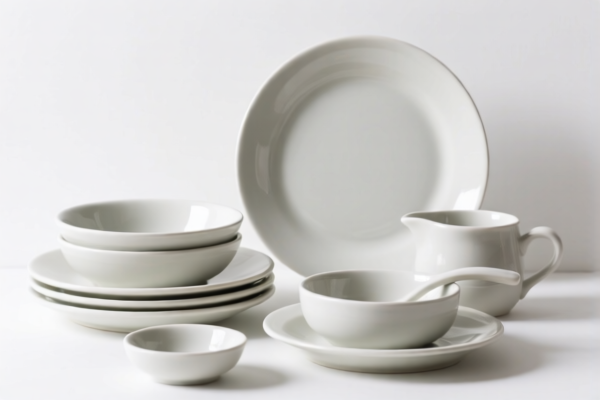
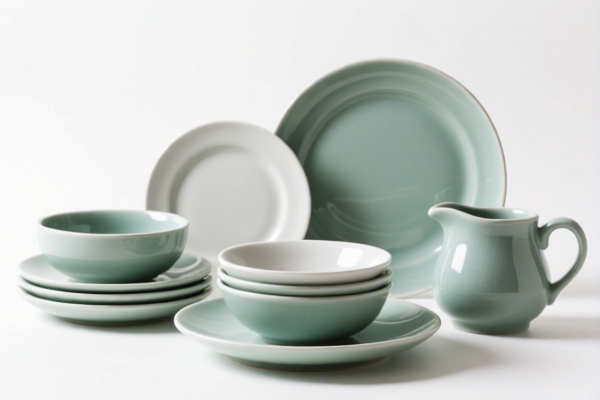
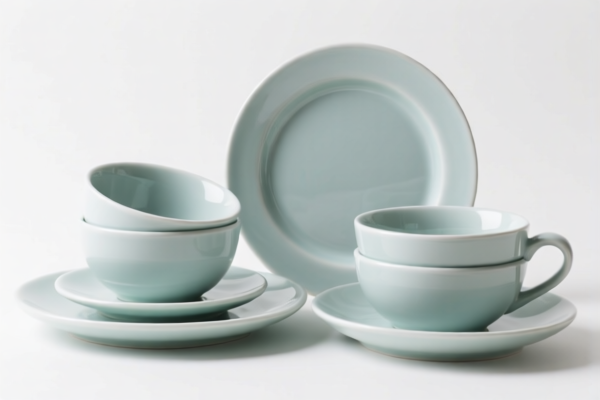
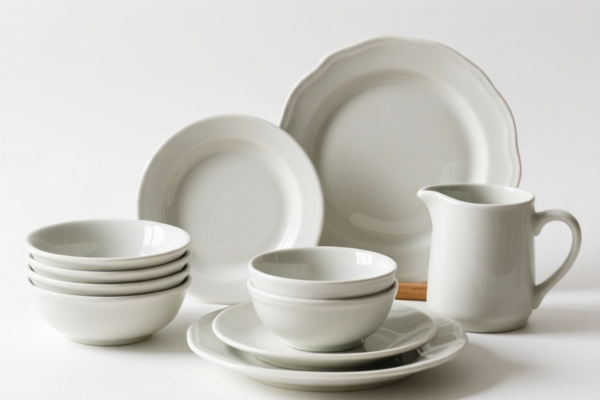
AI Analysis
🍽️ Ceramic Tableware & Kitchen Utensils (瓷制餐具及厨房器具)
🌐 HS Code Reference & Customs Clearance Guide | 2026 Latest Tariff Analysis | Strategic Clearance Strategy
📌 I. Product Definition & Classification: Are You Identifying Your Ceramics Correctly?
Ceramic tableware and kitchen utensils are essential items in household and hospitality settings. However, in international trade, they are strictly differentiated based on material composition, manufacturing process, and specific use. Misclassification can lead to significant tariff discrepancies or customs delays.
⚠️ Key Distinction Points:
- Hard-Paste Porcelain (Fine China): High firing temperature, translucent, non-porous. Typically used for high-end tableware. → HS 6911
- Soft-Paste/Earthenware/Ceramic (General): Lower firing temperature, opaque, more porous. Often used for cookware, mugs, or durable everyday items. → HS 6912
- Purpose Matters: Is it strictly for eating/drining (Tableware) or for cooking/preparing (Kitchen Utensils)? While both often fall under the same heading, the subheading depends on the material.
📦 II. HS Code Classification Details (2026 Latest Tariff Authority Mapping)
| HS Code | Product Description | Application Scenario | Material Type |
|---|---|---|---|
6911.10.80.10 |
Ceramic tableware & kitchen utensils, made of artificial or technical ceramics (e.g., advanced porcelains) | High-end dining sets, technical ceramic components | ✅ Advanced/Technical Ceramic |
6911.10.10.00 |
Ceramic tableware & kitchen utensils, of fine china or porcelain | Standard fine china dinnerware, tea sets | ✅ Fine Porcelain |
6912.00.48.10 |
Tableware & kitchen utensils, of other ceramics (e.g., earthenware, stoneware) | Everyday mugs, baking dishes, durable ceramic cookware | ✅ General Ceramic |
🔍 Critical Note:
- HS 6911 is generally for porcelain (fine china). It often carries higher tariffs due to stricter anti-dumping or Section 301 measures depending on the origin. - HS 6912 is for other ceramics (earthenware, stoneware). It may benefit from lower base tariffs but is still subject to additional duties depending on trade policies.
💰 III. 2026 Latest Tariff Rate Breakdown (Including Surcharge & Policy Additions)
✅ Applicable Country: United States (US)
✅ Origin: China (CN) (Inferred from "Section 122" and "7.5% surcharge" which align with US-China trade context)
✅ Effective Date: Current as of 2026 Tariff Schedule
🎯 1. 6911.10.80.10 – Ceramic Tableware (Technical/Artificial Ceramic)
| Item | Detail |
|---|---|
| Base Tariff | 20.8% |
| Section 301 Surcharge | +7.5% |
| Section 122 Tariff | +10.0% |
| Total Effective Rate | 38.3% |
| Tax Calculation | CIF Value × 38.3% |
| De Minimis Eligibility | ❌ No (Deny De Minimis for China-origin ceramics under current trade rules) |
| Legal Basis Path | HTSUS:6911.10.80 → USITC:Section 301 → USCG:Section 122 |
📌 Explanation:
- The 20.8% base tariff applies to high-grade technical ceramics. - The 7.5% surcharge is part of the ongoing Section 301 trade remedies. - The 10% Section 122 tariff applies to specific industrial/ceramic imports under national security or economic provisions. - Total: 38.3% is a high-cost category.
🎯 2. 6911.10.10.00 – Ceramic Tableware (Fine Porcelain)
| Item | Detail |
|---|---|
| Base Tariff | 25.0% |
| Section 301 Surcharge | +7.5% |
| Section 122 Tariff | +10.0% |
| Total Effective Rate | 42.5% |
| Tax Calculation | CIF Value × 42.5% |
| De Minimis Eligibility | ❌ No |
| Legal Basis Path | HTSUS:6911.10.10 → USITC:Section 301 → USCG:Section 122 |
📌 Note:
- Fine porcelain attracts the highest base tariff (25%). - Combined with surcharges, this is the most expensive classification (42.5%). - Ideal for luxury brands, but cost-prohibitive for mass-market goods.
🎯 3. 6912.00.48.10 – Ceramic Tableware (Other Ceramics)
| Item | Detail |
|---|---|
| Base Tariff | 9.8% |
| Section 301 Surcharge | 0.0% |
| Section 122 Tariff | +10.0% |
| Total Effective Rate | 19.8% |
| Tax Calculation | CIF Value × 19.8% |
| De Minimis Eligibility | ❌ No |
| Legal Basis Path | HTSUS:6912.00.48 → USCG:Section 122 |
📌 Advantage:
- This classification offers the lowest total tariff (19.8%). - The Section 301 surcharge is 0%, likely because these are considered "daily use" ceramic ware rather than "technical" ceramics. - Best for cost-sensitive supply chains.
🛠️ IV. Customs Clearance Practical Advice (实战避坑指南)
✅ 1. Required Documentation Checklist (No Omissions)
| Document | Required? | Notes |
|---|---|---|
| ✅ Product Specification Sheet | ✔️ | Must specify material (porcelain vs. earthenware), firing temp, lead/cadmium limits |
| ✅ Material Composition Report | ✔️ | Crucial for distinguishing HS 6911 vs. 6912 |
| ✅ Product Photos (Front, Back, Inside) | ✔️ | Show glaze, texture, and any markings |
| ✅ Third-Party Lab Test (Lead/Cadmium) | ✔️ | FDA/CPSC compliance for food contact surfaces |
| ✅ Commercial Invoice | ✔️ | Clearly state: "Ceramic Tableware, Material: [Porcelain/Earthenware]" |
| ✅ Packing List | ✔️ | Detail inner/outer packaging to prove item integrity |
✅ 2. Declaration Tips (Key Mnemonic)
🔥 "Porcelain High, Ceramic Low, Section 122 Hits Both!"
| Scenario | Correct HS Code | Mistake to Avoid |
|---|---|---|
| Fine China/High-Tech Ceramic | 6911.10.10.00 / 6911.10.80.10 |
Misdeclaring as earthenware → Audit Risk |
| Everyday Mugs/Baking Dishes | 6912.00.48.10 |
Misdeclaring as porcelain → Overpay Tariff |
| Mixed Container (Porcelain + Earthenware) | Split Declaration | One HS Code for all → Customs Penalty |
✅ 3. Special Cases Handling
| Case | Handling Advice |
|---|---|
| Lead-Free/Cadmium-Free | Provide lab reports to prove FDA compliance; avoids rejection at US border |
| OEM/Private Label | Ensure invoice matches actual manufacturer, not just brand owner |
| Sample Shipment | Still subject to tariffs; no de minimis exemption for China-origin goods |
| Gift Sets | Must include all items in one declaration; do not split |
🌍 V. Global Market Comparison (2026 Latest)
| Country/Region | Recommended HS Code | Tariff (China Origin) | Certification Required | Notes |
|---|---|---|---|---|
| 🇺🇸 USA | 6912.00.48.10 (Lowest Rate) |
19.8% (Earthenware) / 42.5% (Porcelain) | FDA + Lead/Cadmium Test | Section 122 adds 10% universally |
| 🇨🇳 China | 6911 or 6912 |
5-15% (Import) | CCC (if applicable) | Export from China has no tariff |
| 🇪🇺 EU | 6911 or 6912 |
6.5% | CE + Food Contact Compliance | No Section 122 equivalent |
| 🇬🇧 UK | 6911 or 6912 |
6.5% | UKCA + Food Standards | Post-Brexit rules apply |
| 🇯🇵 Japan | 6911 or 6912 |
6-8% | JIS Standards | Strict food safety testing |
📌 Conclusion:
- USA is the most challenging market due to Section 122 (10%) and potential Section 301 (7.5%) surcharges. - HS 6912 (Earthenware) is the strategic choice for US imports to minimize costs (19.8% vs 38.3%+). - Lead/Cadmium testing is mandatory for all ceramic tableware entering the US.
📌 VI. Common Mistakes & Pitfalls (Lessons Learned)
❌ Mistake 1: Declaring "Porcelain" when it’s actually "Stoneware"
👉 Consequence: Underpayment of Tariff → Back taxes + penalties + potential seizure.
❌ Mistake 2: Ignoring Section 122 Tariff
👉 Consequence: Unexpected 10% charge at customs → Profit margin erosion.
❌ Mistake 3: Failing to Provide Lead/Cadmium Test
👉 Consequence: FDA Hold → Product destruction or re-export at your cost.
❌ Mistake 4: Mixing Porcelain and Earthenware in One HS Code
👉 Consequence: Customs Audit → Delays and fines.
✅ Correct Practice:
"Ceramic Tableware, Material: Earthenware, Glazed, Lead-Free, FDA Compliant, HS 6912.00.48.10"
🎯 VII. Conclusion: Professional Declaration, Save Costs!
🎯 Remember the Mnemonic:
🔹 "Porcelain High, Ceramic Low, Section 122 Adds Ten!"
🔹 "HS Code Saves Money, Misclassification Costs You!"
📌 Pro Tip:
If your ceramics are not from China (e.g., Vietnam, Turkey, India), Section 122 and Section 301 may not apply, potentially reducing tariffs to single-digit percentages.
Consider supply chain diversification to mitigate US trade risks.
📣 Immediate Action:
📞 Contact a licensed customs broker + Provide Material Reports + Apply for Advance Ruling (if needed)
🚀 Ensure smooth clearance, avoid penalties, and maximize profit margins!
✨ Professional Customs Clearance Starts with Accurate Classification!
💼 Every Percentage Point Matters in International Trade!
Customer Reviews
About HS Code Classification
The Harmonized System (HS) is an internationally standardized nomenclature developed by the World Customs Organization (WCO) to classify traded products. Over 200 countries use the HS system as the basis for customs tariffs, trade statistics, and import/export regulations.
Each HS code follows a hierarchical structure:
- Chapter (2 digits) — Broad category of goods (e.g., Chapter 84: Machinery and Mechanical Appliances)
- Heading (4 digits) — More specific grouping within the chapter
- Subheading (6 digits) — Internationally standardized breakdown, used by all WCO member countries
- National subdivisions (8-10 digits) — Country-specific extensions for further classification, such as US HTSUS 10-digit codes
Correct HS code classification is essential for smooth customs clearance, accurate duty payment, and compliance with trade regulations. Misclassification can lead to customs delays, overpayment of duties, or penalties.
When importing from CN to US, the applicable tariff rates may include:
- Most-Favored-Nation (MFN) rate — The standard duty rate applied to WTO members
- General rate — Applied to countries without trade agreements
- Trade remedy duties — Additional tariffs such as Section 301 (anti-dumping), Section 232 (national security), or countervailing duties
The information provided on this page is for reference purposes only. For official classification, please consult with your local customs authority or a licensed customs broker.