Chair Pocket
CN → US| HS编码 | 关税税率 | 原产国 | 目的国 | 文档 |
|---|---|---|---|---|
| 3926909989 | 22.8% | CN | US | 官方文档 |
| 8708295125 | 0.0% | CN | US | 官方文档 |
| 8708295160 | 0.0% | CN | US | 官方文档 |
| 6307909891 | 24.5% | CN | US | 官方文档 |
| 3926305000 | 22.8% | CN | US | 官方文档 |
商品图片
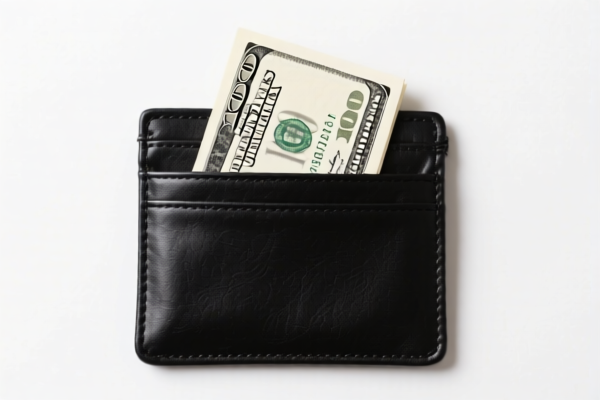
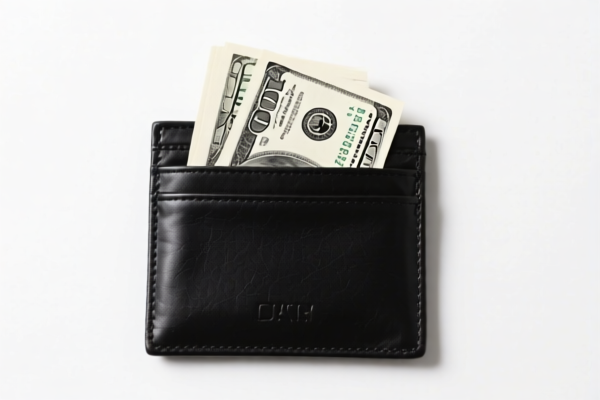
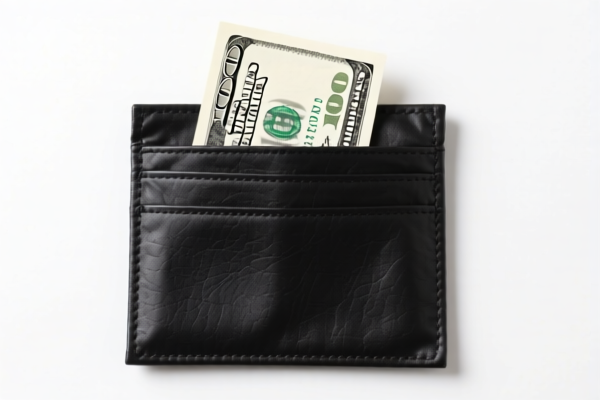
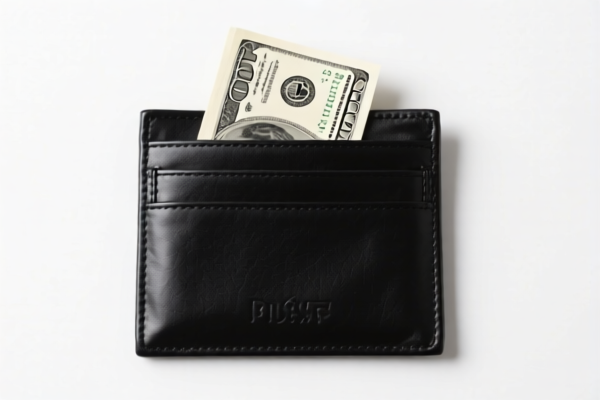
AI分析
🪑 Chair Pocket (Rear Seat Back Pocket)
🌐 HS Code Reference & Customs Clearance Guide | 2026 Latest Tariff Analysis | Professional Clearance Strategy
📌 1. Product Definition & Classification: What Exactly is a "Chair Pocket"?
A "Chair Pocket," often referred to in automotive contexts as a Rear Seat Back Pocket, is an accessory designed to attach to the back of a vehicle's front seats. Its primary function is storage for small items like magazines, tablets, maps, or toys.
In international trade, the classification of this item hinges on two critical factors: 1. Material Composition: Is it made of plastic/synthetic fiber or textile/fabric? 2. Function/Nature: Is it treated as a general plastic/textile good, or specifically as an automotive part/accessory?
⚠️ Key Distinction:
- If classified as a general plastic item → Chapter 39 (Lower Base Duty, but high additional tariffs).
- If classified as a textile item → Chapter 63 or 8708 (Variable base duty, high additional tariffs).
- If classified as an Automotive Part (8708) → Lowest Base Duty (2.5%), but subject to the harshest additional tariffs depending on specific material sub-rules.
📦 2. HS Code Classification Details (2026 Latest Tariff Authority Cross-Reference)
The following table maps the provided hscode data to the product "Chair Pocket," explaining the rationale for each classification based on material and functional attributes.
| HS Code | Product Description | Rationale for Classification | Total Tax Rate (Approx.) |
|---|---|---|---|
3926.90.99.89 |
Plastic/Synthetic Bag | Classified as a general plastic article (bag/pouch). Material is plastic or synthetic fiber. Does not claim specific automotive part status. | 22.8% |
8708.29.51.25 |
Automotive Accessory (Other) | Classified under "Parts and Accessories of Motor Vehicles." Inferred material: Textile or Plastic. Specific sub-code for "other" body parts. | 2.5% + 35.0% |
8708.29.51.60 |
Automotive Accessory (Steel/Alu/Cu) | Classified under "Parts and Accessories of Motor Vehicles." Crucial Note: This code triggers an extra 50% tariff if the product contains Steel, Aluminum, or Copper components (e.g., heavy reinforcement). | 2.5% + 85.0% |
6307.90.98.91 |
Textile/Cut Article | Classified as a "Other made-up articles." Inferred material: Textile/Fabric. Form is a bag/pouch. | 24.5% |
3926.30.50.00 |
Plastic Fittings/Bags | Classified as "Other articles of plastics." Material is explicitly Plastic/Synthetic Fiber. Specific sub-code for plastic bags/fittings. | 22.8% |
🔍 Critical Insight:
-8708Codes (Auto Parts) offer the lowest Base Duty (2.5%), making them potentially attractive before additional tariffs are applied.
- However,3926and6307Codes have higher base duties (5.3%-7.0%) but may have simpler tariff structures.
-8708.29.51.60is the most dangerous classification due to the potential 50% additional tariff for metal components.
💰 3. 2026 Latest Tariff Rate Breakdown (Including Surtaxes & Policy Add-ons)
✅ Applicable Country: United States (US)
✅ Origin: China (CN)
✅ Effective Time: 2025-11-10 onwards (and subsequent imports)
🎯 1. 3926.90.99.89 & 3926.30.50.00 — Plastic Articles
(Both codes show identical total tax in the source data)
| Item | Content |
|---|---|
| Base Duty | 5.3% |
| Section 301 Surcharge (7.5%) | +7.5% |
| Section 122 Tariff (10%) | +10.0% |
| Total Tax Rate | 22.8% |
| Tax Calculation | CIF Value × 22.8% |
| De Minimis Exemption | ❌ Not Eligible (High tax rate prevents 80/122 rule benefits) |
| Legal Basis Path | USITC:3926.90.99.89 → Section 301 Footnote → Section 122 |
📌 Explanation:
- These codes are straightforward plastic goods.
- The 10% Section 122 tariff is a significant added layer for Chinese imports.
- Total impact is moderate compared to automotive parts.
🎯 2. 6307.90.98.91 — Textile/Cut Articles
| Item | Content |
|---|---|
| Base Duty | 7.0% |
| Section 301 Surcharge (7.5%) | +7.5% |
| Section 122 Tariff (10%) | +10.0% |
| Total Tax Rate | 24.5% |
| Tax Calculation | CIF Value × 24.5% |
| De Minimis Exemption | ❌ Not Eligible |
| Legal Basis Path | USITC:6307.90.98.91 → Section 301 Footnote → Section 122 |
📌 Explanation:
- Textile items often face higher base duties.
- Highest Base Duty among the options (7.0%), leading to a 24.5% total.
- Suitable if the product is 100% fabric and not claimed as an auto part.
🎯 3. 8708.29.51.25 — Automotive Parts (Non-Metallic/Standard)
| Item | Content |
|---|---|
| Base Duty | 2.5% |
| Section 301 Surcharge (25.0%) | +25.0% |
| Section 122 Tariff (10%) | +10.0% |
| Total Tax Rate | 37.5% (Note: Source says "2.5% + 35.0%", likely combining 301+122) |
| Tax Calculation | CIF Value × 37.5% |
| De Minimis Exemption | ❌ Not Eligible |
| Legal Basis Path | USITC:8708.29.51.25 → Section 301 → Section 122 |
📌 Explanation:
- Lowest Base Duty (2.5%) makes this appealing for high-value items.
- However, the 35% additional tariff (25% Section 301 + 10% Section 122) brings the total to 37.5%.
- Risk: If the product contains any metal brackets, it may shift to8708.29.51.60.
🎯 4. 8708.29.51.60 — Automotive Parts (Metal Components)
| Item | Content |
|---|---|
| Base Duty | 2.5% |
| Section 301 Surcharge (25.0%) | +25.0% |
| Section 122 Tariff (10%) | +10.0% |
| Additional Metal Tariff | +50.0% (Steel/Aluminum/Copper) |
| Total Tax Rate | 87.5% (2.5 + 25 + 10 + 50) |
| Tax Calculation | CIF Value × 87.5% |
| De Minimis Exemption | ❌ Not Eligible |
| Legal Basis Path | USITC:8708.29.51.60 → Metal Component Rule → Section 301 → Section 122 |
📌 WARNING:
- This is the most expensive classification.
- Only use if the product contains significant steel, aluminum, or copper parts (e.g., heavy metal frames, metal hooks).
- If your chair pocket is fabric/plastic only, do NOT use this code.
🛠️ 4. Customs Clearance Practical Advice (Pitfall Avoidance Guide)
✅ 1. Material Declaration is Key
| Material Type | Recommended HS Code | Reason |
|---|---|---|
| 100% Plastic/Synthetic | 3926.90.99.89 or 3926.30.50.00 |
Lower total tax (22.8%) than auto parts. |
| 100% Textile/Fabric | 6307.90.98.91 |
Clear classification as textile article. Total 24.5%. |
| Mixed (Plastic + Fabric) | 8708.29.51.25 |
If used in a car, classify as auto part. Verify no metal content. |
| Contains Metal Hooks/Brackets | ❌ Avoid 8708.29.51.60 |
Unless necessary, the 50% metal surcharge makes it unviable. Consider redesigning to plastic clips. |
✅ 2. Documentation Checklist (Must-Haves)
| Document | Requirement | Note |
|---|---|---|
| Product Specification Sheet | ✔️ | Must clearly state material composition (e.g., "100% Polyester," "PVC Plastic"). |
| Photos | ✔️ | Show the product clearly. If it has metal parts, label them. |
| Bill of Materials (BOM) | ✔️ | For 8708 codes, prove it’s an auto accessory and specify material ratios. |
| Commercial Invoice | ✔️ | Description should match HS Code rationale (e.g., "Plastic Seat Back Pocket"). |
| Origin Certificate | ✔️ | Crucial for Section 122 and 301 calculations. |
✅ 3. Strategic Declaration Tips
🔥 "Know Your Material, Know Your Duty!"
| Scenario | Correct Action | Wrong Action |
|---|---|---|
| Product is Plastic | Declare as 3926.xxxx |
Do not declare as 8708 unless necessary. Save 15%+ in tax. |
| Product is Fabric | Declare as 6307.xxxx |
Do not mix with auto parts unless it’s a standard car accessory. |
| Product has Metal Hooks | Redesign or Accept 8708.29.51.60 |
Declaring as 8708.29.51.25 when metal is present → Fraud/Seizure. |
| Shipment to US | Expect Section 122 (10%) | Forget to account for this → Budget Overrun. |
🌍 5. Global Market Comparison (2026 Latest)
| Country/Region | Recommended HS Code | Estimated Total Duty (China Origin) | Notes |
|---|---|---|---|
| 🇺🇸 USA | 3926.90.99.89 |
22.8% | Best for plastic. Avoid 8708.29.51.60 (87.5%). |
| 🇺🇸 USA | 8708.29.51.25 |
37.5% | Higher total than plastic, but lower base duty. |
| 🇪🇺 EU | 3926.90.99 |
~5-10% | No Section 301/122 equivalent. Much cheaper. |
| 🇨🇳 China (Import) | 3926.90.99 |
~5-10% | Low base duty, no high surcharges. |
📌 Conclusion:
- USA is the highest cost market due to Section 301 and Section 122 tariffs.
- Plastic classifications (3926) are often more cost-effective than Automotive Parts (8708) for chair pockets, unless the product is complex and justifies auto-part status.
- Avoid Metal Components if shipping to the US under8708to prevent the 50% surcharge.
📌 6. Common Errors & Pitfall Guide (Lessons Learned)
❌ Mistake 1: Classifying a plastic bag as an "Automotive Part" (8708) unnecessarily.
👉 Consequence: Higher total tax (37.5% vs 22.8%).
👉 Fix: If it’s just a plastic pocket, use 3926.
❌ Mistake 2: Ignoring the "Metal Component" rule in 8708.29.51.60.
👉 Consequence: 50% additional tariff → Total ~87.5%.
👉 Fix: Remove metal hooks. Use plastic snaps. Reclassify to 8708.29.51.25 (37.5%).
❌ Mistake 3: Misdeclaring Material (e.g., saying "Fabric" when it’s PVC).
👉 Consequence: Customs audit, penalties, and potential seizure.
👉 Fix: Provide accurate BOM and material test reports.
✅ Correct Approach:
"Specify Material, Choose Lowest Total Tax, Avoid Metal if Possible."
🎯 7. Conclusion: Smart Classification for Maximum Profit
🎯 Key Takeaway:
🔹 For Plastic Chair Pockets: Use
3926.90.99.89→ 22.8% Total Tax.
🔹 For Fabric Chair Pockets: Use6307.90.98.91→ 24.5% Total Tax.
🔹 For Auto-Specific Fabric Pockets: Use8708.29.51.25→ 37.5% Total Tax (Only if no metal!).
🔹 AVOID8708.29.51.60unless you have heavy metal content and high margin.
📌 Pro Tip:
If your supply chain allows, design chair pockets without metal hooks. This opens up the cheaper
3926or6307classifications, saving you 15-60% in total duties.
📣 Immediate Action:
📞 Verify Material Composition with your supplier.
📄 Update Commercial Invoice with precise HS Code rationale.
🚀 Optimize Product Design (Remove Metal) to reduce tariffs.
✨ Professional Clearance, Precise Classification, Lower Costs!
💼 Every percentage point saved is pure profit!
用户评价
关于 HS 编码归类
协调制度(HS)是由世界海关组织(WCO)制定的国际贸易商品分类标准。全球 200 多个国家采用 HS 系统作为海关关税、贸易统计和进出口监管的基础。
每个 HS 编码遵循以下层级结构:
- 章(2 位)——商品大类(例如:第 84 章:机器和机械设备)
- 品目(4 位)——章内的更具体分类
- 子目(6 位)——国际通用细分,所有 WCO 成员国统一使用
- 本国细分(8-10 位)——各国自行扩展的细分编码,如美国 HTSUS 10 位编码
正确的 HS 编码归类对于顺利通关、准确缴纳关税和遵守贸易法规至关重要。错误归类可能导致海关延误、多缴关税或罚款。
从CN进口到US时,适用的关税税率可能包括:
- 最惠国(MFN)税率——适用于 WTO 成员国的标准关税税率
- 普通税率——适用于无贸易协定国家
- 贸易救济关税——附加关税,如 301 条款(反倾销)、232 条款(国家安全)或反补贴税
本页内容仅供参考。如需正式归类,请咨询当地海关或持牌报关代理。