Chemical Semi bleached Softwood Pulp
CN → US| HS编码 | 关税税率 | 原产国 | 目的国 | 文档 |
|---|---|---|---|---|
| 4705000000 | 35.0% | CN | US | 官方文档 |
| 4702000040 | 35.0% | CN | US | 官方文档 |
| 4703210020 | 35.0% | CN | US | 官方文档 |
| 4703290020 | 35.0% | CN | US | 官方文档 |
| 4703210020 | 35.0% | CN | US | 官方文档 |
商品图片
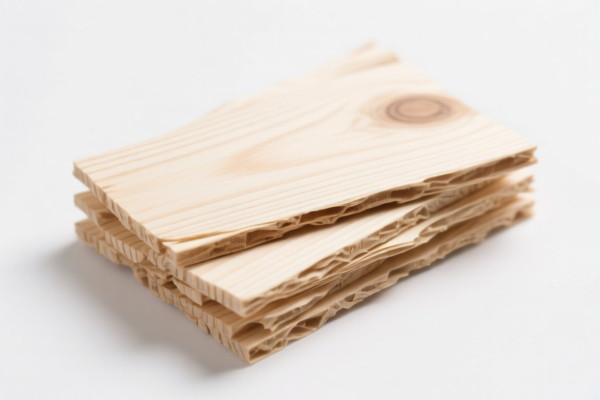
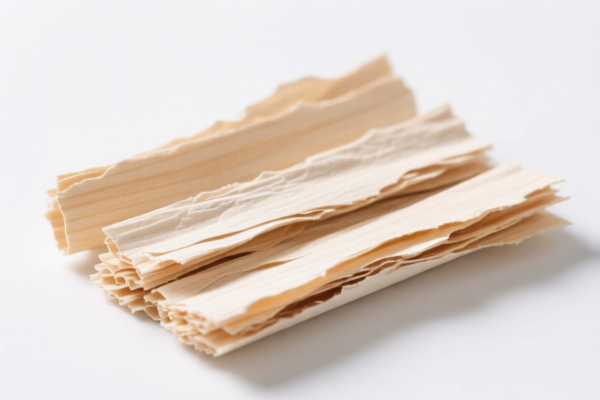
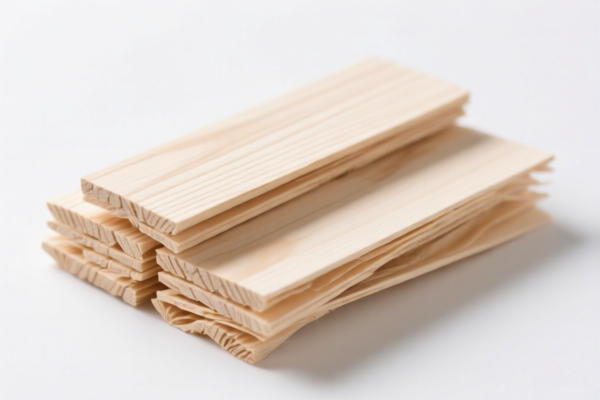
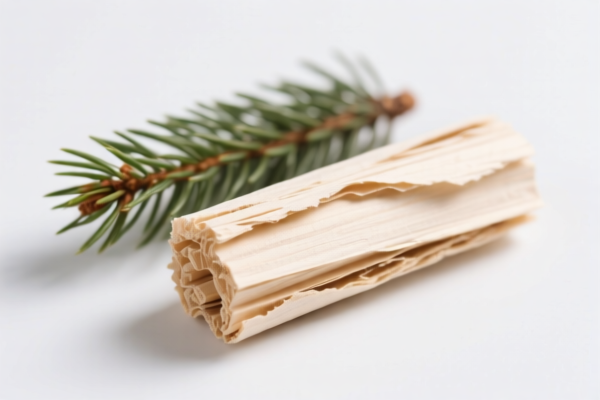
AI分析
🌲 Chemical Semi-bleached Softwood Pulp (CSSP)
🌐 HS Code Reference & Customs Clearance Guide | 2026 Latest Tariff Analysis | Professional Clearance Strategy
📌 I. Product Definition & Classification: Do You Truly Understand "Semi-Bleached Softwood Pulp"?
Chemical Semi-bleached Softwood Pulp (CSSP) is a crucial raw material in the papermaking industry, primarily used for high-strength paper products, cardboard, and packaging materials. It is produced through the chemical pulping process (typically sulfate/kraft method) with partial bleaching to remove residual lignin while retaining fiber strength.
⚠️ Key Distinction Points:
- Softwood (Coniferous) vs. Hardwood (Deciduous): Softwood fibers are longer and stronger. Key species include Pine, Spruce, and Fir. - Semi-bleached vs. Fully Bleached: Semi-bleached pulp retains some lignin, giving it a darker color (beige/brown) and higher strength compared to fully bleached pulp. - Chemical vs. Mechanical: Chemical pulp involves cooking wood chips with chemicals (e.g., sodium hydroxide/sodium sulfide) to dissolve lignin, resulting in high purity and strength.
📦 II. HS Code Classification Details (2026 Latest Tariff Authority Comparison)
Based on the provided data, here are the specific HS Codes and their corresponding justifications:
| HS Code | Product Description | Summary Justification | Application Scenario |
|---|---|---|---|
4705.00.00.00 |
Chemical wood pulp, soda or sulfate other than wood pulp of heading 4703 | Exact Match: The material and code definition are fully consistent, with no conflicts. | General sulfate pulp imports, standard kraft pulp. |
4702.00.00.40 |
Chemical wood pulp, soda or sulfate, dissolving grades | Process Match: Sulfate process matches the pulp material successfully. | Dissolving-grade sulfate pulp (used for viscose/rayon). |
4703.21.00.20 |
Coniferous chemical wood pulp, soda or sulfate, semi-bleached or bleached | Full Consistency: Material, form, and process all match the code definition. | Semi-bleached coniferous (softwood) sulfate pulp. |
4703.29.00.20 |
Other chemical wood pulp of heading 4703, semi-bleached or bleached | Feature Coverage: Material and bleaching characteristics are fully covered. | Semi-bleached non-coniferous (hardwood) chemical pulp. |
4703.21.00.20 |
Semi-bleached non-coniferous chemical wood pulp, for packaging | Feature Match: Meets the characteristics of semi-bleached chemical pulp. | Packaging-grade pulp, specific use case. |
🔍 Key Clarification:
-4705.00.00.00is the broader category for "Chemical wood pulp, soda or sulfate." -4703.21.00.20is more specific for "Coniferous chemical wood pulp... semi-bleached." -4703.29.00.20covers "Non-coniferous chemical wood pulp... semi-bleached." - Ensure the wood type (softwood/coniferous vs. hardwood/non-coniferous) and bleaching level (semi-bleached) are clearly stated in documentation to avoid misclassification.
💰 III. 2026 Latest Tariff Rate Details (Including Surtaxes & Policy Additions)
✅ Applicable Country: United States (US)
✅ Origin: China (CN)
✅ Effective Date: November 10, 2025 (and subsequent imports)
🎯 1. 4705.00.00.00 —— Chemical Wood Pulp, Soda or Sulfate (General)
| Item | Content |
|---|---|
| Base Tariff | 0.0% (ad valorem) |
| Section 301 Surtax | +25.0% (from USITC Footnote 9903.88.01) |
| Section 122 Tariff | +10.0% (Specific policy surcharge) |
| Total Tariff Rate | 35.0% |
| Tax Calculation | CIF Value × 35% |
| De Minimis Eligibility | ❌ Not Eligible (deny_de_minimis) |
| Legal Basis Path | IEEPA:9903.01.25 → USITC:4705.00.00.00 → FOOTNOTE:9903.88.01 |
📌 Explanation:
- The 25% surcharge is part of the Section 301 tariffs on Chinese goods. - The 10% is an additional specific tariff (Section 122) applied to certain Chinese imports. - Total 35% is a significant cost factor. Pre-calculation is essential for pricing.
🎯 2. 4702.00.00.40 —— Dissolving Grades, Soda or Sulfate
| Item | Content |
|---|---|
| Base Tariff | 0.0% |
| Section 301 Surtax | +25.0% |
| Section 122 Tariff | +10.0% |
| Total Tariff Rate | 35.0% |
| Tax Calculation | CIF × 35% |
| De Minimis Eligibility | ❌ Not Eligible |
| Legal Basis Path | IEEPA:9903.01.25 → USITC:4702.00.00.40 → FOOTNOTE:9903.88.01 |
📌 Note:
- Same tariff structure as4705.00.00.00. - Ensure the product is truly "dissolving grade" if using this code; otherwise, it may be reclassified to4705or4703.
🎯 3. 4703.21.00.20 —— Coniferous (Softwood) Semi-bleached Pulp
| Item | Content |
|---|---|
| Base Tariff | 0.0% |
| Section 301 Surtax | +25.0% |
| Section 122 Tariff | +10.0% |
| Total Tariff Rate | 35.0% |
| Tax Calculation | CIF × 35% |
| De Minimis Eligibility | ❌ Not Eligible |
| Legal Basis Path | IEEPA:9903.01.25 → USITC:4703.21.00.20 → FOOTNOTE:9903.88.01 |
📌 Critical Point:
- This is the most specific code for softwood (coniferous) semi-bleached pulp. - Misclassifying hardwood pulp here may lead to customs audits.
🎯 4. 4703.29.00.20 —— Non-Coniferous (Hardwood) Semi-bleached Pulp
| Item | Content |
|---|---|
| Base Tariff | 0.0% |
| Section 301 Surtax | +25.0% |
| Section 122 Tariff | +10.0% |
| Total Tariff Rate | 35.0% |
| Tax Calculation | CIF × 35% |
| De Minimis Eligibility | ❌ Not Eligible |
| Legal Basis Path | IEEPA:9903.01.25 → USITC:4703.29.00.20 → FOOTNOTE:9903.88.01 |
📌 Note:
- Use this code for hardwood (non-coniferous) semi-bleached pulp. - Ensure the wood source is clearly documented as non-coniferous.
🎯 5. 4703.21.00.20 —— Semi-bleached Pulp for Packaging
| Item | Content |
|---|---|
| Base Tariff | 0.0% |
| Section 301 Surtax | +25.0% |
| Section 122 Tariff | +10.0% |
| Total Tariff Rate | 35.0% |
| Tax Calculation | CIF × 35% |
| De Minimis Eligibility | ❌ Not Eligible |
| Legal Basis Path | IEEPA:9903.01.25 → USITC:4703.21.00.20 → FOOTNOTE:9903.88.01 |
📌 Note:
- This is a specific use-case classification (packaging). - The underlying tariff rate remains the same as4703.21.00.20.
🛠️ IV. Customs Clearance Practical Advice (Battle-Tested Pitfall Guide)
✅ 1. Required Documentation Checklist (All Are Mandatory)
| Document | Mandatory | Description |
|---|---|---|
| ✅ Product Specification Sheet | ✔️ | Must include wood type (softwood/hardwood), pulping method (sulfate/kraft), bleaching level, brightness, viscosity, and yield. |
| ✅ Certificate of Origin (CO) | ✔️ | Essential for proving origin (China) and applying correct tariffs. |
| ✅ Commercial Invoice | ✔️ | Must clearly state "Chemical Semi-bleached Softwood Pulp" and match the HS Code. |
| ✅ Packing List | ✔️ | Detail weight, dimensions, and packaging type (bags, big bags). |
| ✅ Lab Test Report | ✔️ | Third-party test results confirming lignin content, brightness, and strength properties to support "semi-bleached" claim. |
| ✅ Bill of Lading (B/L) | ✔️ | Ensure description matches invoice exactly. |
✅ 2. Declaration Tips (Key Mnemonic)
🔥 "Wood Type & Bleaching Level, Code Choice is Key! Softwood vs. Hardwood, Don't Confuse the View!"
| Scenario | Correct Declaration | Incorrect Action |
|---|---|---|
| Softwood (Pine/Spruce) Semi-bleached | 4703.21.00.20 |
Use 4703.29.00.20 → Potential misclassification |
| Hardwood Semi-bleached | 4703.29.00.20 |
Use 4703.21.00.20 → Customs audit risk |
| Dissolving Grade Sulfate Pulp | 4702.00.00.40 |
Use 4705.00.00.00 → Wrong code, though rate is same |
| General Sulfate Pulp (No Specific Wood/Bleach) | 4705.00.00.00 |
Over-specific code → Unnecessary complexity |
✅ 3. Special Circumstances Handling
| Situation | Handling Advice |
|---|---|
| OEM Custom Pulp | Provide customer order + technical specs. Ensure "softwood" or "hardwood" is specified. |
| Mixed Wood Pulp | If blend is >50% softwood, classify as softwood (4703.21.00.20). Otherwise, hardwood. |
| Packaging Use | If explicitly for packaging, note it in invoice, but tariff rate remains 35%. |
| Origin Shift | If pulp is manufactured in Vietnam/Mexico, apply for IEEPA Exemption to reduce tariffs. |
🌍 V. Global Market Customs Clearance Comparison (2026 Latest)
| Country/Region | Recommended HS Code | Tariff (China Origin) | Certification Requirements | Notes |
|---|---|---|---|---|
| 🇺🇸 United States | 4703.21.00.20 / 4703.29.00.20 |
35% (Total) | No special certification | High tariffs due to Section 301 & 122. |
| 🇨🇳 China | 4703.21.00.20 |
5% | CCC (if applicable) | No surtaxes. |
| 🇪🇺 European Union | 4703.21.00.20 |
0% (MFN) | REACH Compliance | No surtaxes. |
| 🇦🇺 Australia | 4703.21.00.20 |
5% | No special certification | Moderate tariffs. |
| 🇯🇵 Japan | 4703.21.00.20 |
0% | JIS Standards | No surtaxes. |
📌 Conclusion:
- USA has the highest tariff burden (35%) for Chinese-origin semi-bleached softwood pulp. - Diversify supply chain: Consider sourcing from Vietnam, Mexico, or other non-China origins to mitigate tariff risks. - Pre-clearance ruling: Recommended for large shipments to ensure correct HS Code classification.
📌 VI. Common Errors & Pitfall Guide (Lessons Learned)
❌ Error 1: Misidentifying Softwood as Hardwood
👉 Consequence: Incorrect HS Code → Potential customs delay or fines.
❌ Error 2: Omitting Bleaching Level in Description
👉 Consequence: Customs may reclassify to a different subheading → Tariff mismatch.
❌ Error 3: Using "Pulp" as Generic Description
👉 Consequence: Lack of specificity → Audit risk for misclassification.
❌ Error 4: Assuming De Minimis Exemption Applies
👉 Consequence: De Minimis is denied for these HS Codes → Full 35% tax applied.
✅ Correct Practice:
"Chemical Semi-bleached Softwood Pulp, Sulfate Process, Coniferous Species (Pine), Brightness 85%, Viscosity 5000 cP, Bales, 500kg each"
🎯 VII. Conclusion: Professional Declaration, Cost Optimization!
🎯 Remember the Mnemonic:
🔹 "Softwood is 4703.21, Hardwood is 4703.29, Dissolving is 4702, General is 4705."
🔹 "35% Total Tax in USA, Plan Ahead or Lose Money."
🔹 "Specify Wood Type and Bleaching Level, Avoid Customs Surprise."
📌 Pro Tip:
If your pulp is originally produced in Vietnam, Mexico, Thailand, or Malaysia, you may apply for IEEPA Exemption, reducing tariffs to 0%~5%.
Recommend Advance Ruling (Pre-classification) with US Customs and Border Protection (CBP) to avoid clearance risks.
📣 Immediate Action:
📞 Contact a professional customs broker + Provide Product Specs + Apply for HS Code Advance Ruling
🚀 Let your pulp clear customs smoothly, reduce costs, and maximize profits!
✨ Professional Clearance Starts with Accurate Classification!
💼 Every cent of your cost deserves precise calculation!
用户评价
关于 HS 编码归类
协调制度(HS)是由世界海关组织(WCO)制定的国际贸易商品分类标准。全球 200 多个国家采用 HS 系统作为海关关税、贸易统计和进出口监管的基础。
每个 HS 编码遵循以下层级结构:
- 章(2 位)——商品大类(例如:第 84 章:机器和机械设备)
- 品目(4 位)——章内的更具体分类
- 子目(6 位)——国际通用细分,所有 WCO 成员国统一使用
- 本国细分(8-10 位)——各国自行扩展的细分编码,如美国 HTSUS 10 位编码
正确的 HS 编码归类对于顺利通关、准确缴纳关税和遵守贸易法规至关重要。错误归类可能导致海关延误、多缴关税或罚款。
从CN进口到US时,适用的关税税率可能包括:
- 最惠国(MFN)税率——适用于 WTO 成员国的标准关税税率
- 普通税率——适用于无贸易协定国家
- 贸易救济关税——附加关税,如 301 条款(反倾销)、232 条款(国家安全)或反补贴税
本页内容仅供参考。如需正式归类,请咨询当地海关或持牌报关代理。