Chemical Semi bleached Softwood Pulp
CN → US| HS Code | Tariff Rate | Origin | Destination | Doc |
|---|---|---|---|---|
| 4705000000 | 35.0% | CN | US | Official Doc |
| 4702000040 | 35.0% | CN | US | Official Doc |
| 4703210020 | 35.0% | CN | US | Official Doc |
| 4703290020 | 35.0% | CN | US | Official Doc |
| 4703210020 | 35.0% | CN | US | Official Doc |
Product Images
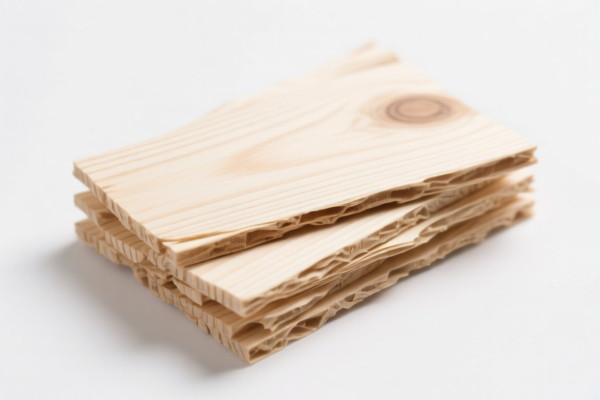
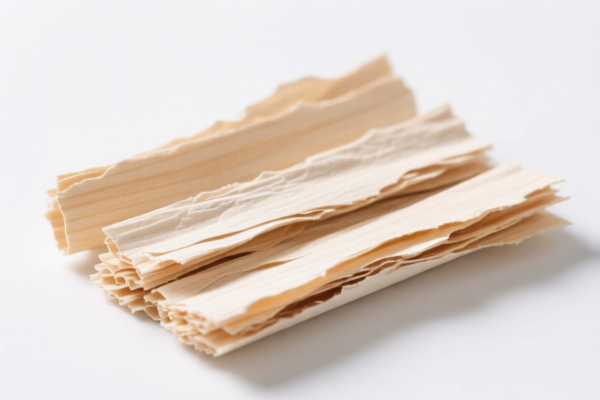
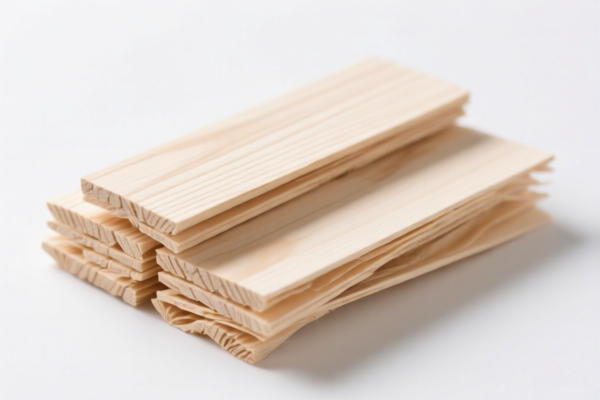
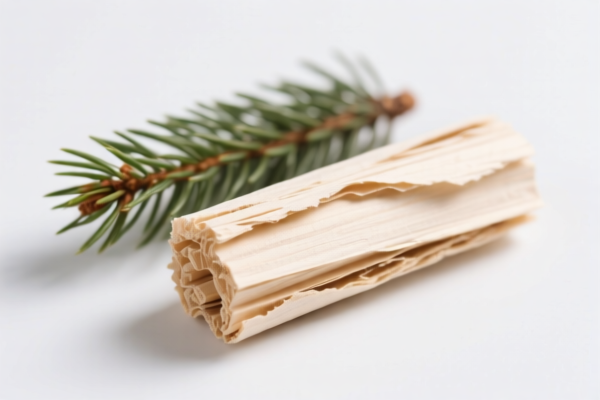
AI Analysis
🌲 Chemical Semi-bleached Softwood Pulp (CSSP)
🌐 HS Code Reference & Customs Clearance Guide | 2026 Latest Tariff Analysis | Professional Clearance Strategy
📌 I. Product Definition & Classification: Do You Truly Understand "Semi-Bleached Softwood Pulp"?
Chemical Semi-bleached Softwood Pulp (CSSP) is a crucial raw material in the papermaking industry, primarily used for high-strength paper products, cardboard, and packaging materials. It is produced through the chemical pulping process (typically sulfate/kraft method) with partial bleaching to remove residual lignin while retaining fiber strength.
⚠️ Key Distinction Points:
- Softwood (Coniferous) vs. Hardwood (Deciduous): Softwood fibers are longer and stronger. Key species include Pine, Spruce, and Fir. - Semi-bleached vs. Fully Bleached: Semi-bleached pulp retains some lignin, giving it a darker color (beige/brown) and higher strength compared to fully bleached pulp. - Chemical vs. Mechanical: Chemical pulp involves cooking wood chips with chemicals (e.g., sodium hydroxide/sodium sulfide) to dissolve lignin, resulting in high purity and strength.
📦 II. HS Code Classification Details (2026 Latest Tariff Authority Comparison)
Based on the provided data, here are the specific HS Codes and their corresponding justifications:
| HS Code | Product Description | Summary Justification | Application Scenario |
|---|---|---|---|
4705.00.00.00 |
Chemical wood pulp, soda or sulfate other than wood pulp of heading 4703 | Exact Match: The material and code definition are fully consistent, with no conflicts. | General sulfate pulp imports, standard kraft pulp. |
4702.00.00.40 |
Chemical wood pulp, soda or sulfate, dissolving grades | Process Match: Sulfate process matches the pulp material successfully. | Dissolving-grade sulfate pulp (used for viscose/rayon). |
4703.21.00.20 |
Coniferous chemical wood pulp, soda or sulfate, semi-bleached or bleached | Full Consistency: Material, form, and process all match the code definition. | Semi-bleached coniferous (softwood) sulfate pulp. |
4703.29.00.20 |
Other chemical wood pulp of heading 4703, semi-bleached or bleached | Feature Coverage: Material and bleaching characteristics are fully covered. | Semi-bleached non-coniferous (hardwood) chemical pulp. |
4703.21.00.20 |
Semi-bleached non-coniferous chemical wood pulp, for packaging | Feature Match: Meets the characteristics of semi-bleached chemical pulp. | Packaging-grade pulp, specific use case. |
🔍 Key Clarification:
-4705.00.00.00is the broader category for "Chemical wood pulp, soda or sulfate." -4703.21.00.20is more specific for "Coniferous chemical wood pulp... semi-bleached." -4703.29.00.20covers "Non-coniferous chemical wood pulp... semi-bleached." - Ensure the wood type (softwood/coniferous vs. hardwood/non-coniferous) and bleaching level (semi-bleached) are clearly stated in documentation to avoid misclassification.
💰 III. 2026 Latest Tariff Rate Details (Including Surtaxes & Policy Additions)
✅ Applicable Country: United States (US)
✅ Origin: China (CN)
✅ Effective Date: November 10, 2025 (and subsequent imports)
🎯 1. 4705.00.00.00 —— Chemical Wood Pulp, Soda or Sulfate (General)
| Item | Content |
|---|---|
| Base Tariff | 0.0% (ad valorem) |
| Section 301 Surtax | +25.0% (from USITC Footnote 9903.88.01) |
| Section 122 Tariff | +10.0% (Specific policy surcharge) |
| Total Tariff Rate | 35.0% |
| Tax Calculation | CIF Value × 35% |
| De Minimis Eligibility | ❌ Not Eligible (deny_de_minimis) |
| Legal Basis Path | IEEPA:9903.01.25 → USITC:4705.00.00.00 → FOOTNOTE:9903.88.01 |
📌 Explanation:
- The 25% surcharge is part of the Section 301 tariffs on Chinese goods. - The 10% is an additional specific tariff (Section 122) applied to certain Chinese imports. - Total 35% is a significant cost factor. Pre-calculation is essential for pricing.
🎯 2. 4702.00.00.40 —— Dissolving Grades, Soda or Sulfate
| Item | Content |
|---|---|
| Base Tariff | 0.0% |
| Section 301 Surtax | +25.0% |
| Section 122 Tariff | +10.0% |
| Total Tariff Rate | 35.0% |
| Tax Calculation | CIF × 35% |
| De Minimis Eligibility | ❌ Not Eligible |
| Legal Basis Path | IEEPA:9903.01.25 → USITC:4702.00.00.40 → FOOTNOTE:9903.88.01 |
📌 Note:
- Same tariff structure as4705.00.00.00. - Ensure the product is truly "dissolving grade" if using this code; otherwise, it may be reclassified to4705or4703.
🎯 3. 4703.21.00.20 —— Coniferous (Softwood) Semi-bleached Pulp
| Item | Content |
|---|---|
| Base Tariff | 0.0% |
| Section 301 Surtax | +25.0% |
| Section 122 Tariff | +10.0% |
| Total Tariff Rate | 35.0% |
| Tax Calculation | CIF × 35% |
| De Minimis Eligibility | ❌ Not Eligible |
| Legal Basis Path | IEEPA:9903.01.25 → USITC:4703.21.00.20 → FOOTNOTE:9903.88.01 |
📌 Critical Point:
- This is the most specific code for softwood (coniferous) semi-bleached pulp. - Misclassifying hardwood pulp here may lead to customs audits.
🎯 4. 4703.29.00.20 —— Non-Coniferous (Hardwood) Semi-bleached Pulp
| Item | Content |
|---|---|
| Base Tariff | 0.0% |
| Section 301 Surtax | +25.0% |
| Section 122 Tariff | +10.0% |
| Total Tariff Rate | 35.0% |
| Tax Calculation | CIF × 35% |
| De Minimis Eligibility | ❌ Not Eligible |
| Legal Basis Path | IEEPA:9903.01.25 → USITC:4703.29.00.20 → FOOTNOTE:9903.88.01 |
📌 Note:
- Use this code for hardwood (non-coniferous) semi-bleached pulp. - Ensure the wood source is clearly documented as non-coniferous.
🎯 5. 4703.21.00.20 —— Semi-bleached Pulp for Packaging
| Item | Content |
|---|---|
| Base Tariff | 0.0% |
| Section 301 Surtax | +25.0% |
| Section 122 Tariff | +10.0% |
| Total Tariff Rate | 35.0% |
| Tax Calculation | CIF × 35% |
| De Minimis Eligibility | ❌ Not Eligible |
| Legal Basis Path | IEEPA:9903.01.25 → USITC:4703.21.00.20 → FOOTNOTE:9903.88.01 |
📌 Note:
- This is a specific use-case classification (packaging). - The underlying tariff rate remains the same as4703.21.00.20.
🛠️ IV. Customs Clearance Practical Advice (Battle-Tested Pitfall Guide)
✅ 1. Required Documentation Checklist (All Are Mandatory)
| Document | Mandatory | Description |
|---|---|---|
| ✅ Product Specification Sheet | ✔️ | Must include wood type (softwood/hardwood), pulping method (sulfate/kraft), bleaching level, brightness, viscosity, and yield. |
| ✅ Certificate of Origin (CO) | ✔️ | Essential for proving origin (China) and applying correct tariffs. |
| ✅ Commercial Invoice | ✔️ | Must clearly state "Chemical Semi-bleached Softwood Pulp" and match the HS Code. |
| ✅ Packing List | ✔️ | Detail weight, dimensions, and packaging type (bags, big bags). |
| ✅ Lab Test Report | ✔️ | Third-party test results confirming lignin content, brightness, and strength properties to support "semi-bleached" claim. |
| ✅ Bill of Lading (B/L) | ✔️ | Ensure description matches invoice exactly. |
✅ 2. Declaration Tips (Key Mnemonic)
🔥 "Wood Type & Bleaching Level, Code Choice is Key! Softwood vs. Hardwood, Don't Confuse the View!"
| Scenario | Correct Declaration | Incorrect Action |
|---|---|---|
| Softwood (Pine/Spruce) Semi-bleached | 4703.21.00.20 |
Use 4703.29.00.20 → Potential misclassification |
| Hardwood Semi-bleached | 4703.29.00.20 |
Use 4703.21.00.20 → Customs audit risk |
| Dissolving Grade Sulfate Pulp | 4702.00.00.40 |
Use 4705.00.00.00 → Wrong code, though rate is same |
| General Sulfate Pulp (No Specific Wood/Bleach) | 4705.00.00.00 |
Over-specific code → Unnecessary complexity |
✅ 3. Special Circumstances Handling
| Situation | Handling Advice |
|---|---|
| OEM Custom Pulp | Provide customer order + technical specs. Ensure "softwood" or "hardwood" is specified. |
| Mixed Wood Pulp | If blend is >50% softwood, classify as softwood (4703.21.00.20). Otherwise, hardwood. |
| Packaging Use | If explicitly for packaging, note it in invoice, but tariff rate remains 35%. |
| Origin Shift | If pulp is manufactured in Vietnam/Mexico, apply for IEEPA Exemption to reduce tariffs. |
🌍 V. Global Market Customs Clearance Comparison (2026 Latest)
| Country/Region | Recommended HS Code | Tariff (China Origin) | Certification Requirements | Notes |
|---|---|---|---|---|
| 🇺🇸 United States | 4703.21.00.20 / 4703.29.00.20 |
35% (Total) | No special certification | High tariffs due to Section 301 & 122. |
| 🇨🇳 China | 4703.21.00.20 |
5% | CCC (if applicable) | No surtaxes. |
| 🇪🇺 European Union | 4703.21.00.20 |
0% (MFN) | REACH Compliance | No surtaxes. |
| 🇦🇺 Australia | 4703.21.00.20 |
5% | No special certification | Moderate tariffs. |
| 🇯🇵 Japan | 4703.21.00.20 |
0% | JIS Standards | No surtaxes. |
📌 Conclusion:
- USA has the highest tariff burden (35%) for Chinese-origin semi-bleached softwood pulp. - Diversify supply chain: Consider sourcing from Vietnam, Mexico, or other non-China origins to mitigate tariff risks. - Pre-clearance ruling: Recommended for large shipments to ensure correct HS Code classification.
📌 VI. Common Errors & Pitfall Guide (Lessons Learned)
❌ Error 1: Misidentifying Softwood as Hardwood
👉 Consequence: Incorrect HS Code → Potential customs delay or fines.
❌ Error 2: Omitting Bleaching Level in Description
👉 Consequence: Customs may reclassify to a different subheading → Tariff mismatch.
❌ Error 3: Using "Pulp" as Generic Description
👉 Consequence: Lack of specificity → Audit risk for misclassification.
❌ Error 4: Assuming De Minimis Exemption Applies
👉 Consequence: De Minimis is denied for these HS Codes → Full 35% tax applied.
✅ Correct Practice:
"Chemical Semi-bleached Softwood Pulp, Sulfate Process, Coniferous Species (Pine), Brightness 85%, Viscosity 5000 cP, Bales, 500kg each"
🎯 VII. Conclusion: Professional Declaration, Cost Optimization!
🎯 Remember the Mnemonic:
🔹 "Softwood is 4703.21, Hardwood is 4703.29, Dissolving is 4702, General is 4705."
🔹 "35% Total Tax in USA, Plan Ahead or Lose Money."
🔹 "Specify Wood Type and Bleaching Level, Avoid Customs Surprise."
📌 Pro Tip:
If your pulp is originally produced in Vietnam, Mexico, Thailand, or Malaysia, you may apply for IEEPA Exemption, reducing tariffs to 0%~5%.
Recommend Advance Ruling (Pre-classification) with US Customs and Border Protection (CBP) to avoid clearance risks.
📣 Immediate Action:
📞 Contact a professional customs broker + Provide Product Specs + Apply for HS Code Advance Ruling
🚀 Let your pulp clear customs smoothly, reduce costs, and maximize profits!
✨ Professional Clearance Starts with Accurate Classification!
💼 Every cent of your cost deserves precise calculation!
Customer Reviews
About HS Code Classification
The Harmonized System (HS) is an internationally standardized nomenclature developed by the World Customs Organization (WCO) to classify traded products. Over 200 countries use the HS system as the basis for customs tariffs, trade statistics, and import/export regulations.
Each HS code follows a hierarchical structure:
- Chapter (2 digits) — Broad category of goods (e.g., Chapter 84: Machinery and Mechanical Appliances)
- Heading (4 digits) — More specific grouping within the chapter
- Subheading (6 digits) — Internationally standardized breakdown, used by all WCO member countries
- National subdivisions (8-10 digits) — Country-specific extensions for further classification, such as US HTSUS 10-digit codes
Correct HS code classification is essential for smooth customs clearance, accurate duty payment, and compliance with trade regulations. Misclassification can lead to customs delays, overpayment of duties, or penalties.
When importing from CN to US, the applicable tariff rates may include:
- Most-Favored-Nation (MFN) rate — The standard duty rate applied to WTO members
- General rate — Applied to countries without trade agreements
- Trade remedy duties — Additional tariffs such as Section 301 (anti-dumping), Section 232 (national security), or countervailing duties
The information provided on this page is for reference purposes only. For official classification, please consult with your local customs authority or a licensed customs broker.