Chopping Block
CN → US| HS编码 | 关税税率 | 原产国 | 目的国 | 文档 |
|---|---|---|---|---|
| 6912005000 | 16.0% | CN | US | 官方文档 |
| 4419909100 | 20.7% | CN | US | 官方文档 |
| 4419110000 | 13.2% | CN | US | 官方文档 |
| 3924104000 | 13.4% | CN | US | 官方文档 |
| 6912004810 | 19.8% | CN | US | 官方文档 |
| 3924102000 | 24.0% | CN | US | 官方文档 |
商品图片
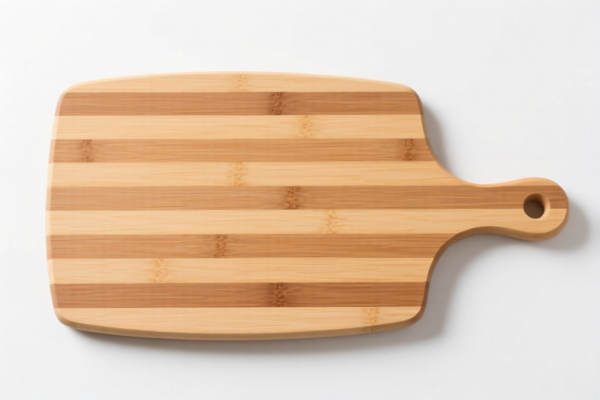
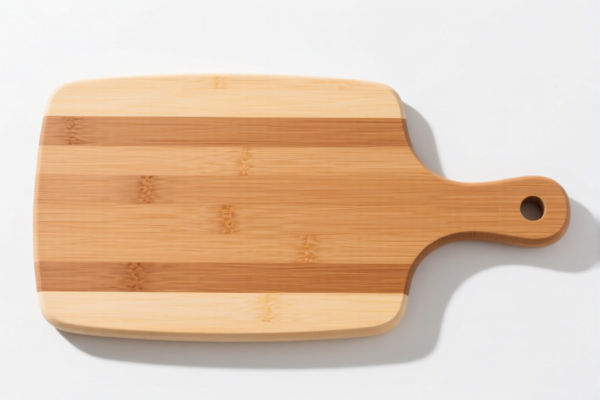
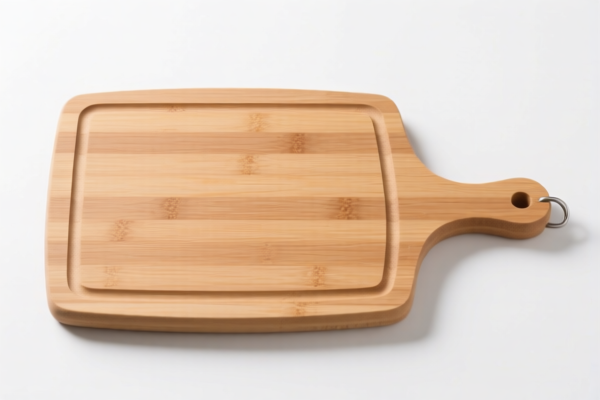
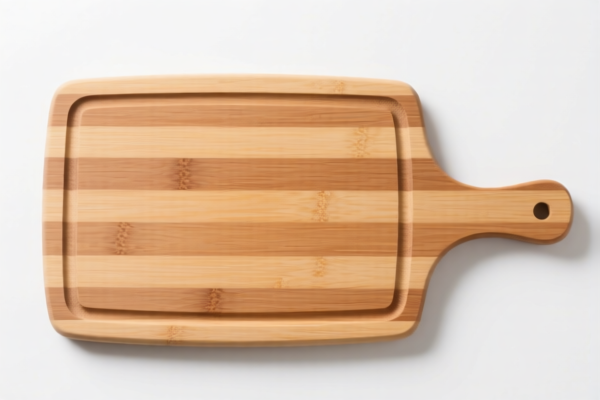
AI分析
🪵 Chopping Block (Cutting Board): The Ultimate HS Code & Tariff Guide | 2026 Clearance Strategy
🌐 HS Code Reference & Customs Clearance Guide | 2026 Latest Tariff Analysis | Professional Compliance Strategy
📌 Part I: Product Definition & Classification: Do You Really Understand "Chopping Blocks"?
A Chopping Block (often referred to as a Cutting Board in modern trade) is an essential kitchen utensil used for food preparation. In international trade, it is not a single commodity but is strictly classified based on its material composition.
The core classification logic follows the "Material Determines Heading" principle: * Wooden: Classified under Chapter 44. * Bamboo: Classified under Chapter 44 (as bamboo is treated similarly to wood in tariff schedules). * Plastic: Classified under Chapter 39. * Ceramic: Classified under Chapter 69.
⚠️ Critical Distinction Point: * If the board is made of Wood → Look at 4419.90 or 4419.11. * If the board is made of Bamboo → Look at 4419.11. * If the board is made of Plastic → Look at 3924.10. * If the board is made of Ceramic → Look at 6912.00.
Misclassification based on material can lead to significant tariff discrepancies and customs delays.
📦 Part II: HS Code Classification Details (2026 Latest Tariff Authority Comparison)
Below is the detailed breakdown for Chopping Blocks, strictly derived from the provided data, covering Wood, Bamboo, Plastic, and Ceramic variants.
| HS Code | Material Inference | Summary / Logic | Total Tax Rate |
|---|---|---|---|
4419.90.91.00 |
Wood | Chopping block belongs to kitchenware; material is wooden or related. Fits the category of wooden tableware and kitchen utensils. | 20.7% |
4419.11.00.00 |
Bamboo | Matches form and use as kitchenware; infers material is Bamboo. No conflict with classification requirements. | 13.2% |
3924.10.40.00 |
Plastic | Chopping block belongs to kitchenware; infers material is Plastic. No material conflict. | 13.4% |
6912.00.48.10 |
Ceramic | Chopping block belongs to kitchenware; infers material is Ceramic, Wood, or Plastic (non-metal). Fits description with no material conflict. | 19.8% |
3924.10.20.00 |
Plastic/Wood | Use matches kitchenware; infers material is Plastic or Wood. No obvious material conflict, fits category definition. | 24.0% |
6912.00.50.00 |
Ceramic | Chopping block belongs to kitchenware; fits ceramic tableware use match; infers compliance with other category fallback logic. | 16.0% |
🔍 Key Reminder: * Wooden boards carry the highest base risk due to additional tariffs. * Bamboo offers the lowest total tax rate (13.2%) among the major materials. * Plastic rates vary significantly (13.4% vs. 24.0%) depending on the specific sub-heading, requiring precise material declaration.
💰 Part III: 2026 Latest Tariff Rate Breakdown (Including Additional Taxes & Policy Add-ons)
✅ Applicable Country: United States (US)
✅ Origin: China (CN)
✅ Note: The tax details reflect Base Tariff, Section 301 (Additional) Tariff, and Section 122 Tariff.
🎯 1. 4419.90.91.00 — Wooden Chopping Block (Kitchenware)
| Item | Details |
|---|---|
| Product Description | Wooden or related material kitchen chopping block |
| Base Tariff | 3.2% |
| Section 301 Additional Tariff | 7.5% |
| Section 122 Tariff | 10.0% |
| Total Tax Rate | 20.7% |
| Tax Calculation | CIF Value × 20.7% |
| Legal Basis | Derived from 4419.90.91.00 tariff schedule with applicable additional duties for Chinese origin goods. |
📌 Explanation: * Wooden kitchenware is subject to multiple layers of tariffs. The 7.5% represents specific Section 301 add-ons, while the 10% is a distinct Section 122 levy. * Total burden is high at 20.7%. Cost optimization requires careful material verification (e.g., is it truly wood vs. bamboo?).
🎯 2. 4419.11.00.00 — Bamboo Chopping Block (Kitchenware)
| Item | Details |
|---|---|
| Product Description | Bamboo kitchen chopping block |
| Base Tariff | 3.2% |
| Section 301 Additional Tariff | 0.0% |
| Section 122 Tariff | 10.0% |
| Total Tax Rate | 13.2% |
| Tax Calculation | CIF Value × 13.2% |
| Legal Basis | Derived from 4419.11.00.00 tariff schedule. |
📌 Explanation: * Best Value Option: Bamboo benefits from a 0% Section 301 Additional Tariff. * While it still bears the 10% Section 122 tariff, the total rate (13.2%) is significantly lower than wooden (20.7%) and high-tier plastic (24.0%) options. * Strategy: If your product is bamboo, ensure the declaration explicitly states "Bamboo" to secure this favorable rate.
🎯 3. 3924.10.40.00 — Plastic Chopping Block (Standard)
| Item | Details |
|---|---|
| Product Description | Plastic kitchen chopping block |
| Base Tariff | 3.4% |
| Section 301 Additional Tariff | 0.0% |
| Section 122 Tariff | 10.0% |
| Total Tax Rate | 13.4% |
| Tax Calculation | CIF Value × 13.4% |
| Legal Basis | Derived from 3924.10.40.00 tariff schedule. |
📌 Explanation: * Standard plastic chopping blocks enjoy 0% Section 301 Additional Tariff. * The total rate (13.4%) is very competitive, only slightly higher than bamboo. * Key: Ensure the plastic type is correctly identified to fit this specific sub-heading.
🎯 4. 6912.00.48.10 — Ceramic Chopping Block
| Item | Details |
|---|---|
| Product Description | Ceramic kitchen chopping block |
| Base Tariff | 9.8% |
| Section 301 Additional Tariff | 0.0% |
| Section 122 Tariff | 10.0% |
| Total Tax Rate | 19.8% |
| Tax Calculation | CIF Value × 19.8% |
| Legal Basis | Derived from 6912.00.48.10 tariff schedule. |
📌 Explanation: * Ceramic items have a higher base tariff (9.8%) compared to wood/bamboo/plastic (3.2-3.4%). * However, it avoids the 7.5% Section 301 add-on seen on some wooden products. * Total rate (19.8%) is comparable to the wooden variant.
🎯 5. 3924.10.20.00 — Plastic/Wooden Chopping Block (High-Tariff Plastic)
| Item | Details |
|---|---|
| Product Description | Kitchenware, plastic or wood material |
| Base Tariff | 6.5% |
| Section 301 Additional Tariff | 7.5% |
| Section 122 Tariff | 10.0% |
| Total Tax Rate | 24.0% |
| Tax Calculation | CIF Value × 24.0% |
| Legal Basis | Derived from 3924.10.20.00 tariff schedule. |
📌 Explanation: * Highest Risk Code: This code incurs both the 7.5% Section 301 additional tariff AND the 10% Section 122 tariff, on top of a higher base rate (6.5%). * Avoidance Strategy: Ensure you are not miscategorizing a standard plastic board into this "catch-all" or specific high-tax sub-heading. Check if
3924.10.40.00(13.4%) is more appropriate for your specific plastic composition.
🎯 6. 6912.00.50.00 — Ceramic Chopping Block (General/Fallback)
| Item | Details |
|---|---|
| Product Description | Ceramic kitchenware (Other) |
| Base Tariff | 6.0% |
| Section 301 Additional Tariff | 0.0% |
| Section 122 Tariff | 10.0% |
| Total Tax Rate | 16.0% |
| Tax Calculation | CIF Value × 16.0% |
| Legal Basis | Derived from 6912.00.50.00 tariff schedule. |
📌 Explanation: * A middle-ground option for ceramic products that do not fit the specific
6912.00.48.10criteria. * Lower total rate (16.0%) than the specific ceramic code, thanks to the 0% Section 301 rate.
🛠️ Part IV: Customs Clearance Practical Advice (Avoiding Pitfalls)
✅ 1. Preparation Checklist (Missing Items Cannot Pass)
| Material | Required Declaration Details | Why? |
|---|---|---|
| Wood | "Wooden Chopping Block, Solid Wood / Sliced Wood" | To determine if it's 4419.90.91.00 or another wood code. Avoids misclassification as plastic. |
| Bamboo | "Bamboo Chopping Block, 100% Bamboo" | Crucial: Must explicitly state "Bamboo" to qualify for 4419.11.00.00 and the 0% Section 301 rate. |
| Plastic | "Plastic Chopping Block, Material: PP/PE/ABS" | Determines if it falls into 3924.10.40.00 (13.4%) or 3924.10.20.00 (24.0%). Specific polymer type helps. |
| Ceramic | "Ceramic Chopping Block, Glazed/Un-glazed" | Helps customs distinguish between 6912.00.48.10 and 6912.00.50.00. |
✅ 2. Declaration Tips (The "Golden Rules")
🔥 "Material First, Code Precision, Tax Savings!"
| Scenario | Correct Declaration | Incorrect Declaration | Consequence |
|---|---|---|---|
| Bamboo Board | 4419.11.00.00 (Bamboo) |
"Wooden Cutting Board" | May be misclassified as Wood (4419.90.91.00), paying 20.7% instead of 13.2%. |
| Plastic Board | 3924.10.40.00 (Plastic) |
"Kitchenware" (Vague) | Risk of being classified under high-tax 3924.10.20.00 (24.0%) or generic high-tariff codes. |
| Mixed Materials | Specify dominant material | "Composite" | Customs may choose the highest duty code or request additional info, causing delays. |
✅ 3. Special Situation Handling
| Situation | Handling Advice |
|---|---|
| OEM/Private Label | Provide supplier declaration confirming material origin. Custom branding does not change HS Code. |
| Gift Sets (Board + Knife) | Declare separately if possible. If bundled, the chopping block dictates the primary classification if it's the principal good. Check specific bundling rules. |
| Anti-Fungal Treated Wood | Still 4419.90.91.00. Treatment does not change material classification. |
🌍 Part V: Global Market Clearance Comparison (2026 Latest)
| Country/Region | Recommended HS Code | Base Tariff | Additional Tariffs (CN Origin) | Total Est. Rate | Notes |
|---|---|---|---|---|---|
| 🇺🇸 USA | 4419.11.00.00 (Bamboo) |
3.2% | 0% (Sec 301) + 10% (Sec 122) | 13.2% | Lowest Total Rate |
| 🇺🇸 USA | 3924.10.40.00 (Plastic) |
3.4% | 0% (Sec 301) + 10% (Sec 122) | 13.4% | Competitive alternative |
| 🇺🇸 USA | 4419.90.91.00 (Wood) |
3.2% | 7.5% (Sec 301) + 10% (Sec 122) | 20.7% | High cost, avoid if possible |
| 🇺🇸 USA | 3924.10.20.00 (Plastic) |
6.5% | 7.5% (Sec 301) + 10% (Sec 122) | 24.0% | Avoid this code if possible |
| 🇪🇺 EU | Various (Chapter 44/39/69) | 0-6.5% | No Section 122 | Varies | No high additional tariffs like US |
| 🇨🇳 China | Various | 5-15% | None | Varies | Domestic trade, different rules |
📌 Conclusion for US Importers: * Bamboo (
13.2%) and Standard Plastic (13.4%) are the most cost-effective options. * Wood (20.7%) and High-Tariff Plastic (24.0%) significantly erode margins. * Section 122 Tariff (10%) is unavoidable for all kitchenware from China in 2026. * Section 301 (7.5%) is the key differentiator. Avoid wood and specific plastic codes that attract this 7.5% add-on.
📌 Part VI: Common Mistakes & Pitfalls (Lessons Learned)
❌ Mistake 1: Calling Bamboo "Wood" 👉 Consequence: Tariff jumps from 13.2% to 20.7%. You lose 7.5% profit margin. 👉 Solution: Always declare "Bamboo" explicitly.
❌ Mistake 2: Using Vague Terms like "Kitchen Utensil" 👉 Consequence: Customs may assign a default high-tariff code or request detailed specs, causing 7-14 day delays. 👉 Solution: Use precise HS Codes and material descriptions.
❌ Mistake 3: Ignoring Section 122 Tariff 👉 Consequence: Budgeting only for Base + Sec 301. You will be unprepared for the additional 10% liability. 👉 Solution: Factor in the 10% Sec 122 tariff in all cost calculations.
✅ Correct Practice:
"Bamboo Chopping Block, Kitchenware, HS: 4419.11.00.00, 100% Natural Bamboo"
🎯 Part VII: Conclusion: Precision in Classification = Profit in Pocket!
🎯 Remember the Mantra:
🔹 "Bamboo is King, Plastic is Queen, Wood is Expensive." 🔹 "Check Sec 301: 0% is the Goal, 7.5% is the Trap." 🔹 "Sec 122 is 10% for All – Plan Accordingly!"
📌 Pro Tip: If your supply chain allows, consider sourcing Bamboo or Standard Plastic products to leverage the 0% Section 301 benefit. For wooden products, the 20.7% total rate may make them less competitive in the US market unless premium pricing is justified.
📣 Immediate Action:
📞 Verify material composition with suppliers. 📦 Align HS Codes with material facts. 📊 Calculate landed cost including the 10% Sec 122 tariff.
✨ Professional Clearance Starts with Accurate Classification! 💼 Every Percent Saved is Pure Profit!
用户评价
关于 HS 编码归类
协调制度(HS)是由世界海关组织(WCO)制定的国际贸易商品分类标准。全球 200 多个国家采用 HS 系统作为海关关税、贸易统计和进出口监管的基础。
每个 HS 编码遵循以下层级结构:
- 章(2 位)——商品大类(例如:第 84 章:机器和机械设备)
- 品目(4 位)——章内的更具体分类
- 子目(6 位)——国际通用细分,所有 WCO 成员国统一使用
- 本国细分(8-10 位)——各国自行扩展的细分编码,如美国 HTSUS 10 位编码
正确的 HS 编码归类对于顺利通关、准确缴纳关税和遵守贸易法规至关重要。错误归类可能导致海关延误、多缴关税或罚款。
从CN进口到US时,适用的关税税率可能包括:
- 最惠国(MFN)税率——适用于 WTO 成员国的标准关税税率
- 普通税率——适用于无贸易协定国家
- 贸易救济关税——附加关税,如 301 条款(反倾销)、232 条款(国家安全)或反补贴税
本页内容仅供参考。如需正式归类,请咨询当地海关或持牌报关代理。