Cleaning Tools
CN → US| HS编码 | 关税税率 | 原产国 | 目的国 | 文档 |
|---|---|---|---|---|
| 4421999880 | 38.3% | CN | US | 官方文档 |
| 4421919880 | 38.3% | CN | US | 官方文档 |
| 3926903500 | 24.0% | CN | US | 官方文档 |
| 3926909989 | 22.8% | CN | US | 官方文档 |
| 9603908050 | 70.3% | CN | US | 官方文档 |
商品图片
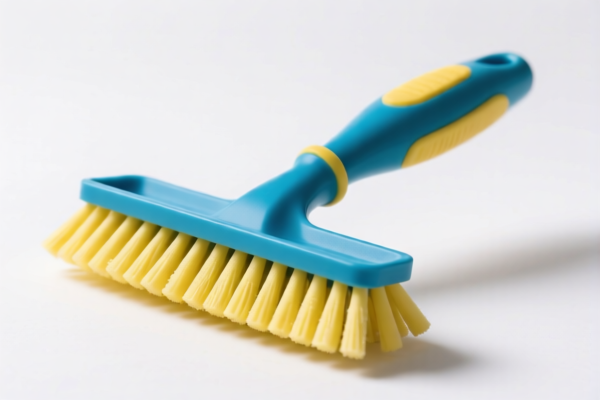
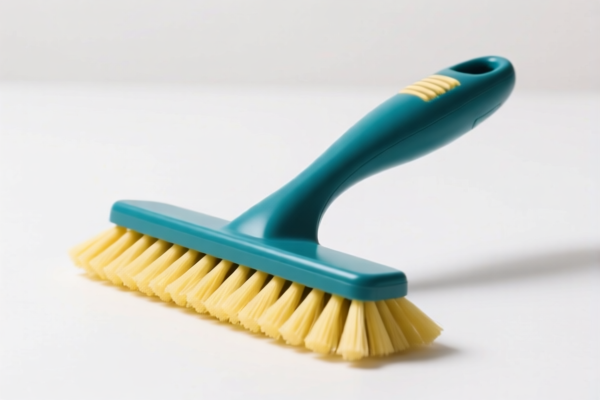
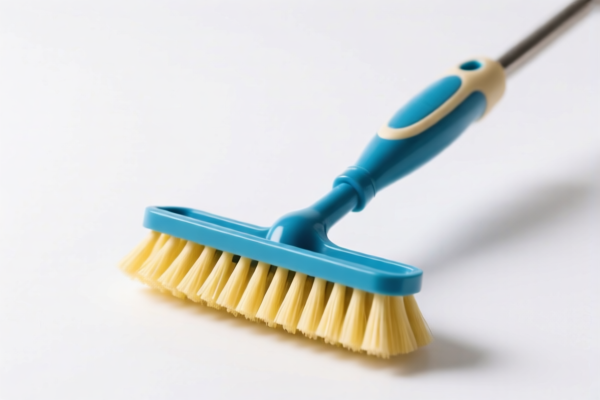
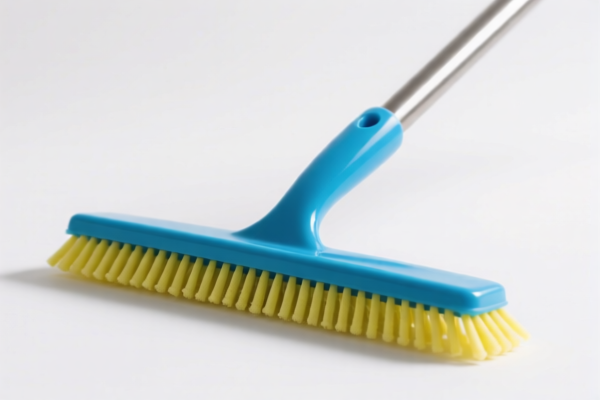
AI分析
🧹 Cleaning Tools: The Ultimate HS Code Classification & Clearance Guide (US Market)
🌐 HS Code Reference & Customs Clearance Strategy | 2026 Latest Tariff Analysis | Professional Compliance Protocol
📌 I. Product Definition & Material Logic: Do You Know What You’re Shipping?
"Cleaning Tools" is a broad category in international trade. In the US customs context, classification hinges entirely on MATERIAL and STRUCTURE. Misidentifying the material leads to severe tariff penalties, especially under Section 301 and IEEPA provisions.
Key Distinctions: * Wooden/Bamboo Handles: Items with wooden shafts or heads often fall under Chapter 44. * Plastic/Synthetic: Pure plastic items or plastic-dominated tools fall under Chapter 39. * Brush-like Structures: Items with bristles, even if plastic, may be classified as brushes (Chapter 96).
⚠️ Critical Distinction Point:
- If the tool is predominantly wood/bamboo (e.g., wooden broom handle, wooden scraper) → Look to HS 4421.
- If the tool is predominantly plastic (e.g., plastic squeegee, plastic dustpan) → Look to HS 3926.
- If the tool is a brush structure (with bristles, regardless of handle material, if classified as a brush) → Look to HS 9603.
📦 II. HS Code Classification Details (2026 Latest Tariff Authority)
| HS Code | Product Description | Material Logic | Applicable Scenario |
|---|---|---|---|
4421.99.98.80 |
Other wooden articles | Wood/Wooden Structure | Wooden-handled cleaning tools, wooden scrapers, "Leaf-like" wooden tools. |
4421.91.98.80 |
Other bamboo articles | Bamboo/Natural Plant Fiber | Bamboo brooms, bamboo handles, natural fiber brushes with bamboo/wood bases. |
3926.90.35.00 |
Other plastic articles | Plastic/Synthetic | Plastic cleaning brushes, plastic sponges, pure plastic cleaning tools. |
3926.90.99.89 |
Other plastic articles (General) | Plastic/Synthetic | Mixed plastic components, plastic cleaning accessories not specifically listed elsewhere. |
9603.90.80.50 |
Other brushes (incl. brushes) | Brush Structure/Bristles | Brooms, brushes, mops with bristles or scrubbing structures. |
🔍 Key Reminder:
- Wooden vs. Plastic: A "cleaning tool" with a wooden handle and plastic bristles is often classified based on the essential character. If the handle is substantial, it may go to 4421. If it's a plastic body with minor wood parts, it likely goes to 3926.
- Brushes vs. Other: If the item is a traditional broom or brush, 9603 is the primary category, but tariffs are significantly higher.
- "Leaf-like Tools": This specific description in the data implies wooden/bamboo structures used for sweeping or scraping, aligning with 4421.
💰 III. 2026 Latest Tariff Rate Breakdown (Including Add-ons & Policies)
✅ Applicable Country: United States (US)
✅ Origin: China (CN)
✅ Effective Date: 2025 onwards (Post-IEEPA Implementation)
🎯 1. 4421.99.98.80 & 4421.91.98.80 —— Wood & Bamboo Cleaning Tools
| Item | Content |
|---|---|
| Base Rate | 3.3% (Ad Valorem) |
| Section 301 Add-on | +25.0% (USITC Footnote 9903.88.01) |
| IEEPA Add-on | +10.0% (China-origin products) |
| Total Tax Rate | 38.3% |
| Tax Calculation | CIF Value × 38.3% |
| De Minimis Eligibility | ❌ No (Not eligible for $800 de minimis exemption) |
| Legal Basis Path | IEEPA:9903.01.25 → USITC:4421.99.98.80 → FOOTNOTE:9903.88.01 |
📌 Explanation:
- Even though the base rate is low (3.3%), the 25% Section 301 and 10% IEEPA add-ons create a high effective duty.
- These tools are considered "Other wooden articles." Do not confuse with "wooden furniture" or "wooden toys."
🎯 2. 3926.90.35.00 & 3926.90.99.89 —— Plastic Cleaning Tools
| Item | Content |
|---|---|
| Base Rate | 5.3% - 6.5% (Ad Valorem) |
| Section 301 Add-on | +7.5% (Note: Lower than 25% due to specific subheading exemptions or phase-outs, but check latest IEEPA updates) |
| IEEPA Add-on | +10.0% (China-origin products) |
| Total Tax Rate | 22.8% - 24.0% |
| Tax Calculation | CIF Value × 22.8%~24.0% |
| De Minimis Eligibility | ❌ No |
| Legal Basis Path | IEEPA:9903.01.25 → USITC:3926.90.35.00 → FOOTNOTE:9903.88.01 |
📌 Note:
- Plastic cleaning tools have a lower total tariff (22.8-24%) compared to wood (38.3%).
- This makes plastic alternatives more cost-effective for US importers, despite higher base duties.
- Crucial: Ensure the product is not classified as a "brush" (HS 9603), which has a much higher rate.
🎯 3. 9603.90.80.50 —— Brush-Style Cleaning Tools
| Item | Content |
|---|---|
| Base Rate | 2.8% (Ad Valorem) |
| Section 301 Add-on | +7.5% (Lower bracket for certain brushes) |
| IEEPA Add-on | +10.0% (China-origin products) |
| Additional Metal Duty | +50% (If containing steel/aluminum/copper parts as essential character) |
| Total Tax Rate | 70.3% (Without metal add-on) |
| Tax Calculation | CIF Value × 70.3% (or higher if metal components dominate) |
| De Minimis Eligibility | ❌ No |
| Legal Basis Path | IEEPA:9903.01.25 → USITC:9603.90.80.50 → FOOTNOTE:9903.88.01 |
📌 Warning:
- HS 9603 is the most expensive category for cleaning tools.
- If the tool has steel, aluminum, or copper parts (e.g., metal bristles, metal frames), an additional 50% may apply, pushing the total tax extremely high.
- Avoid this classification unless the product is unequivocally a "brush" (broom, hairbrush, scrub brush).
🛠️ IV. Customs Clearance Practical Advice (Real-World Pitfall Guide)
✅ 1. Preparation Checklist (Must-Haves)
| Document | Required | Description |
|---|---|---|
| ✅ Product Specification | ✔️ | Detailed material composition (e.g., "Handle: Bamboo; Bristles: Natural Horsehair"). |
| ✅ Product Photos | ✔️ | Clear images showing the entire tool, including handles, heads, and any metal parts. |
| ✅ Commercial Invoice | ✔️ | Must specify "Cleaning Tool" and material, not just generic "Household Goods." |
| ✅ Packing List | ✔️ | Itemize weights and dimensions accurately. |
| ✅ Material Declaration | ✔️ | Explicitly state if the product contains Steel, Aluminum, or Copper to avoid surprise 50% add-ons. |
✅ 2. Classification Strategy (Key Mnemonic)
🔥 “Wooden is 38%, Plastic is 24%, Brush is 70% — Choose Wisely!”
| Scenario | Recommended HS Code | Estimated Total Tax | Risk Level |
|---|---|---|---|
| Wooden/Bamboo Handle Tool | 4421.99.98.80 or 4421.91.98.80 |
38.3% | Medium (High base duty + add-ons) |
| Pure Plastic Tool | 3926.90.35.00 or 3926.90.99.89 |
22.8% - 24.0% | Low (Most cost-effective) |
| Brush/Broom with Bristles | 9603.90.80.50 |
70.3% | High (Avoid if possible) |
| Tool with Metal Parts | 9603.90.80.50 (+50%) |
>120% | Critical (Avoid!) |
✅ 3. Special Cases
| Situation | Handling Advice |
|---|---|
| Mixed Material Tools | If >50% value is plastic, argue for 3926. If >50% is wood, argue for 4421. |
| "Leaf-like" Tools | Describe as "Wooden Scraping Tool" or "Bamboo Cleaning Tool" to fit 4421, not 9603. |
| Plastic Bristles on Wooden Handle | Often classified as 4421 if the wooden handle is the essential character. Confirm with pre-ruling. |
| Metal Framed Brooms | High risk for 9603 + 50% metal duty. Consider redesigning to plastic or wood-only to avoid. |
🌍 V. Global Market Comparison (2026 Latest)
| Country/Region | Recommended HS Code | Tariff (China Origin) | Notes |
|---|---|---|---|
| 🇺🇸 USA | 3926.90.35.00 (Plastic) |
22.8% - 24.0% | Lowest among major categories. |
| 🇺🇸 USA | 4421.99.98.80 (Wood) |
38.3% | Moderate. |
| 🇺🇸 USA | 9603.90.80.50 (Brush) |
70.3% | Very High. Avoid. |
| 🇪🇺 EU | Various (Chapter 96/39/44) | 0% - 6.5% | Generally lower than US. No Section 301/IEEPA. |
| 🇨🇳 China | Various | 5% - 10% | Low base duty. No US-style add-ons. |
📌 Conclusion:
- The US market is the most expensive for Chinese cleaning tools due to Section 301 and IEEPA.
- Plastic tools (HS 3926) offer the lowest tax burden (22.8-24%).
- Wooden tools (HS 4421) are in the middle (38.3%).
- Brush tools (HS 9603) are the most expensive (70.3%) and should be avoided unless structurally necessary.
📌 VI. Common Mistakes & Pitfall Guide (Lessons Learned)
❌ Mistake 1: Classifying a plastic broom as 4421 (Wood)
👉 Consequence: Customs may reclassify, but if accepted, you might miss the "plastic" advantage. If rejected, delays and penalties.
✅ Correct: Be precise. "Plastic Broom" → 3926.
❌ Mistake 2: Classifying a wooden-handled brush as 3926 (Plastic)
👉 Consequence: Customs may reject if the wooden handle is substantial.
✅ Correct: If wood is the essential character, use 4421.
❌ Mistake 3: Ignoring metal components in 9603
👉 Consequence: Surprise 50% add-on for steel/aluminum parts.
✅ Correct: Declare "No Metal Parts" if true. If metal exists, include in cost calculation.
✅ Best Practice:
“Plastic Cleaning Scraper, Model XYZ, 100% Plastic, No Metal, No Bristles”
🎯 VII. Conclusion: Professional Classification Saves Money!
🎯 Remember the Rule:
🔹 “Plastic is 24%, Wood is 38%, Brush is 70% — Plastic Wins!”
🔹 “Check for Metal! Metal Adds 50%!”
🔹 “Avoid ‘Brush’ if possible to save 46%!”
📌 Pro Tip:
If your cleaning tools are made in Vietnam, Thailand, or Malaysia, you may be eligible for IEEPA exemptions or lower tariffs.
Recommend Advance Ruling for complex mixed-material tools to avoid clearance delays.
📣 Immediate Action:
📞 Contact your customs broker with material specs.
📸 Provide clear photos of the product.
🚀 Optimize your supply chain by favoring Plastic (HS 3926) over Brush (HS 9603) for the US market.
✨ Professional clearance starts with accurate classification!
💼 Every percentage point of duty matters! Calculate before you ship!
用户评价
关于 HS 编码归类
协调制度(HS)是由世界海关组织(WCO)制定的国际贸易商品分类标准。全球 200 多个国家采用 HS 系统作为海关关税、贸易统计和进出口监管的基础。
每个 HS 编码遵循以下层级结构:
- 章(2 位)——商品大类(例如:第 84 章:机器和机械设备)
- 品目(4 位)——章内的更具体分类
- 子目(6 位)——国际通用细分,所有 WCO 成员国统一使用
- 本国细分(8-10 位)——各国自行扩展的细分编码,如美国 HTSUS 10 位编码
正确的 HS 编码归类对于顺利通关、准确缴纳关税和遵守贸易法规至关重要。错误归类可能导致海关延误、多缴关税或罚款。
从CN进口到US时,适用的关税税率可能包括:
- 最惠国(MFN)税率——适用于 WTO 成员国的标准关税税率
- 普通税率——适用于无贸易协定国家
- 贸易救济关税——附加关税,如 301 条款(反倾销)、232 条款(国家安全)或反补贴税
本页内容仅供参考。如需正式归类,请咨询当地海关或持牌报关代理。