Coats
CN → US| HS编码 | 关税税率 | 原产国 | 目的国 | 文档 |
|---|---|---|---|---|
| 6202302050 | 26.4% | CN | US | 官方文档 |
| 6201301200 | 21.9% | CN | US | 官方文档 |
| 6101200010 | 33.4% | CN | US | 官方文档 |
| 6117909040 | 32.1% | CN | US | 官方文档 |
| 6217909030 | 32.1% | CN | US | 官方文档 |
商品图片

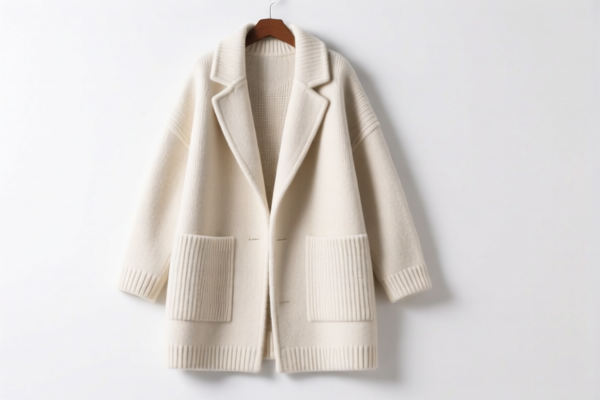
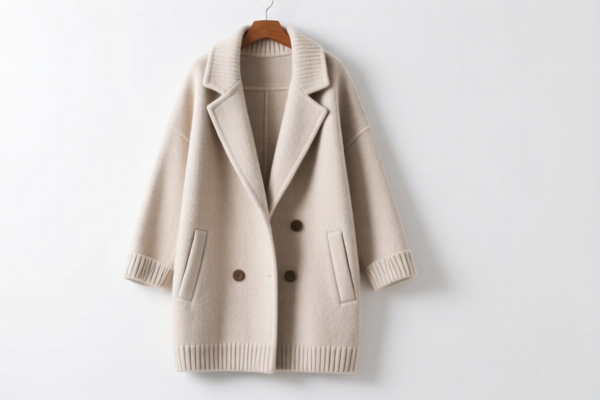

AI分析
🧥 Coats (Outerwear for Men, Women, or Children)
🌐 HS Code Reference & Customs Clearance Guide | 2026 Latest Tariff Analysis | Professional Clearance Strategy
📌 I. Product Definition & Classification: Do You Really Understand "Coats"?
In international trade, "Coats" are not a single category but a broad family of garments classified based on material composition (knitted vs. woven), gender (men’s, women’s, or unisex), and seasonal function (winter/heavy vs. lightweight). The key determinant for HS Code selection is whether the garment is knitted/crocheted (Chapter 61) or not knitted (Chapter 62), and whether it is for men/boys (6201/6101) or women/girls (6202/6102).
⚠️ Key Distinction Points:
- Knitted/Crocheted (Ch 61): Elastic, stretchy fabric (e.g., sweaters, knit wool coats) → 6101 or 6102.
- Woven/Non-Knitted (Ch 62): Structured fabric (e.g., wool trench coats, cotton parkas, synthetics) → 6201 or 6202.
- Parts/Accessories: Separate sleeves, collars, or linings not assembled into a full coat → 6117 or 6217.
📦 II. HS Code Classification Details (2026 Latest Tariff Authority Comparison)
| HS Code | Product Description | Applicable Scenario | Material Inference | Gender Category |
|---|---|---|---|---|
6202.30.20.50 |
Women’s/Girls’ Woven Coats | Women’s fashion coats, trench coats, wool-blend outerwear | Cotton-based (inferred), no conflict | Women/Girls |
6201.30.12.00 |
Men’s/Boys’ Winter Coats | Heavy winter parkas, padded coats, insulation-filled outerwear | Winter wear, insulation-filled, no conflict | Men/Boys |
6101.20.00.10 |
Men’s/Boys’ Knitted Coats | Knitted wool coats, cable-knit cardigans, heavy knit sweaters | Cotton or synthetic fiber, knitted | Men/Boys |
6117.90.90.40 |
Other Made-Up Clothing Accessories (Knitted) | Separate knitted parts: sleeves, collars, hoods (not full coats) | Cotton or other fibers, knitted | Unisex/Parts |
6217.90.90.30 |
Other Made-Up Clothing Accessories (Woven) | Separate woven parts: linings, vests, pockets, non-full outerwear | Wool or fine animal hair, woven | Unisex/Parts |
🔍 Critical Reminders:
- "Coat" vs. "Jacket": If the garment covers the waist or is designed for significant warmth/outerwear, it is a Coat. If it is short, it may be a Jacket (still often 6201/6202 but different subheadings).
- Knitted vs. Woven: This is the most common error. A "wool coat" can be either6201(woven) or6101(knitted). Fabric structure determines the chapter.
- Parts: If importing only the front panel, back panel, or sleeves separately, do not use the full coat HS code. Use 6117 or 6217 to avoid penalties for misdeclaration.
💰 III. 2026 Latest Tariff Rate Breakdown (Including Surcharges & Policy Add-ons)
✅ Applicable Country: United States (US)
✅ Origin: China (CN)
✅ Effective Date: 2025/2026 (Post-Trade War Structure)
🎯 1. 6202.30.20.50 – Women’s Woven Coats (Cotton-Based Inference)
| Item | Content |
|---|---|
| Base Tariff | 8.9% (ad valorem) |
| Section 301 Surcharge | +7.5% (China-specific) |
| Section 122 Tariff | +10% (China-specific) |
| Total Effective Rate | 26.4% |
| Tax Calculation | CIF Value × 26.4% |
| De Minimis Exemption | ❌ Not Eligible (Deny De Minimis for Section 301/122 goods) |
| Legal Authority Path | HTSUS:6202.30.20.50 → Section 301: Footnote 9903.88.01 → Section 122: IEEPA Authority |
📌 Explanation:
- Base 8.9%: Standard US MFN rate for woven women’s coats.
- 7.5% + 10%: Additional tariffs applied due to US-China trade tensions.
- Total 26.4%: This is a high-cost category. Importers must factor this into landed cost calculations.
- No De Minimis: Even small shipments (under $800) are subject to these tariffs if they fall under Section 301/122.
🎯 2. 6201.30.12.00 – Men’s Winter Coats (Insulation Filled)
| Item | Content |
|---|---|
| Base Tariff | 4.4% (ad valorem) |
| Section 301 Surcharge | +7.5% (China-specific) |
| Section 122 Tariff | +10% (China-specific) |
| Total Effective Rate | 21.9% |
| Tax Calculation | CIF Value × 21.9% |
| De Minimis Exemption | ❌ Not Eligible |
| Legal Authority Path | HTSUS:6201.30.12.00 → Section 301: Footnote 9903.88.01 → Section 122: IEEPA Authority |
📌 Explanation:
- Lower Base Rate: Woven men’s winter coats often have slightly lower base duties than women’s fashion coats.
- Same Surcharges: The 17.5% additional tariff (7.5% + 10%) still applies.
- Winter Focus: Clearly declared as "Winter Coat" with insulation details to justify the specific subheading.
🎯 3. 6101.20.00.10 – Men’s Knitted Coats (Cotton/Synthetic)
| Item | Content |
|---|---|
| Base Tariff | 15.9% (ad valorem) |
| Section 301 Surcharge | +7.5% (China-specific) |
| Section 122 Tariff | +10% (China-specific) |
| Total Effective Rate | 33.4% |
| Tax Calculation | CIF Value × 33.4% |
| De Minimis Exemption | ❌ Not Eligible |
| Legal Authority Path | HTSUS:6101.20.00.10 → Section 301: Footnote 9903.88.01 → Section 122: IEEPA Authority |
📌 Explanation:
- Highest Base Rate: Knitted garments often carry higher base duties (15.9%) compared to woven ones.
- Total 33.4%: This is the most expensive category in the provided dataset. High volume importers should consider alternative sourcing or material adjustments.
- Knitted Definition: Must be confirmed as knitted (stretchy, looped structure), not woven.
🎯 4. & 5. Parts & Accessories (6117.90.90.40 & 6217.90.90.30)
| Item | Content |
|---|---|
| Base Tariff | 14.6% (Both HS Codes) |
| Section 301 Surcharge | +7.5% (China-specific) |
| Section 122 Tariff | +10% (China-specific) |
| Total Effective Rate | 32.1% |
| Tax Calculation | CIF Value × 32.1% |
| De Minimis Exemption | ❌ Not Eligible |
📌 Explanation:
- Component Risk: If you import separate parts (e.g., just sleeves or linings), the base tariff is 14.6%, leading to a total of 32.1%.
- Warning: Do not declare parts as "Coats" to lower taxes. Customs will inspect and reclassify, leading to penalties.
- Material Distinction:6117is for knitted parts;6217is for woven parts (often wool/animal hair based on inference).
🛠️ IV. Customs Clearance Practical Advice (Battle-Tested Pitfall Guide)
✅ 1. Documentation Checklist (Mandatory)
| Document | Required | Notes |
|---|---|---|
| ✅ Product Spec Sheet | ✔️ | Must state: Knitted vs. Woven, Material % (Cotton/Wool/Synthetic), Gender |
| ✅ Fabric Swatch/Photo | ✔️ | Visual proof of knit structure vs. woven weave |
| ✅ Commercial Invoice | ✔️ | Clearly state "Woven Women’s Coat" or "Knitted Men’s Parka" – avoid generic "Coat" |
| ✅ Packing List | ✔️ | Itemize parts separately if applicable |
| ✅ Country of Origin | ✔️ | Certify China origin to apply correct surcharges |
| ✅ Brand/Model Info | ✔️ | For intellectual property checks |
✅ 2. Declaration Tips (Critical Mnemonics)
🔥 “Knit is 61, Woven is 62; Men are 01, Women are 02. Parts are 17, Not 01/02!”
| Scenario | Correct Declaration | Incorrect Action |
|---|---|---|
| Women’s Cotton Woven Coat | 6202.30.20.50 (26.4%) |
Declare as Men’s Coat → Wrong gender classification |
| Men’s Knitted Wool Coat | 6101.20.00.10 (33.4%) |
Declare as Woven → 15.9% base vs. 8.9% base (Audit risk) |
| Separate Knitted Sleeve | 6117.90.90.40 (32.1%) |
Declare as Full Coat → 100% penalty for misclassification |
| Separate Woven Wool Lining | 6217.90.90.30 (32.1%) |
Declare as Full Coat → Penalty + Back Taxes |
✅ 3. Special Cases & Mitigation
| Scenario | Handling Advice |
|---|---|
| OEM Custom Coats | Provide design sheets + material breakdown. Avoid "generic" descriptions. |
| Mixed Material Coats | Declare the material constituting the principal value. If >50% cotton, use cotton-based HS. |
| Sample Imports | Even samples of Section 301/122 goods are not exempt from de minimis. Pay duties upfront or use bonded warehouse. |
| Wool vs. Synthetic | If mixed, declare highest value material. Wool items often fall under 6217 if parts, or specific 6201/6202 subheadings if full coats. |
🌍 V. Global Market Clearance Comparison (2026 Latest)
| Country/Region | Recommended HS Code | Tariff (China Origin) | Certification Requirements | Notes |
|---|---|---|---|---|
| 🇺🇸 USA | 6202.30.20.50 etc. |
21.9% – 33.4% | None generally required for apparel | High Surcharges: 301/122 apply heavily |
| 🇨🇳 China | 6202.30.20.50 etc. |
5% – 15% | CCC (if applicable) | Lower duties, no US surcharges |
| 🇪🇺 EU | 6202.30.20.50 etc. |
12% – 16% | CE (if technical), REACH | No Section 301, but anti-dumping checks may apply |
| 🇬🇧 UK | 6202.30.20.50 etc. |
12% – 16% | UKCA (if applicable) | Post-Brexit, aligned with EU rates |
| 🇨🇦 Canada | 6202.30.20.50 etc. |
0% – 15% | CBSA Compliance | USMCA/CUSMA benefits if Canadian/Mexican origin |
📌 Conclusion:
- USA is the most expensive market for Chinese-origin coats due to Section 301 + 122 tariffs.
- EU and UK have stable, lower base rates but require strict compliance with REACH/chemical standards.
- Cost Saving Tip: For US import, consider sourcing from Vietnam, Bangladesh, or India (if free trade agreements apply) to avoid Section 301/122 surcharges.
📌 VI. Common Errors & Pitfall Guide (Blood and Tears Lessons)
❌ Error 1: Declaring a Knitted coat as Woven (6202 instead of 6102)
👉 Consequence: Base duty difference (8.9% vs. 15.9%) → Underpayment of tax → Penalty + Interest.
❌ Error 2: Declaring Parts (sleeves, collars) as Full Coats
👉 Consequence: Severe misdeclaration → Seizure of goods + fines for fraud.
❌ Error 3: Ignoring Section 122 tariffs
👉 Consequence: Even if you think 301 is gone, 122 may still apply → Unexpected 10% charge at border.
❌ Error 4: Using vague terms like "Outerwear" or "Jacket"
👉 Consequence: Customs lacks clarity → Delay in clearance → Storage fees at port.
✅ Correct Practice:
“Women’s Woven Cotton Coat, Fully Lined, Winter Style, Model XYZ, HS 6202.30.20.50”
🎯 VII. Conclusion: Precision in Classification, Profit in Clearance!
🎯 Remember the Mnemonic:
🔹 “Knit 61, Woven 62; Men 01, Women 02.
Parts 17, Full 62/61.
USA Tariff: 22-33%, Don’t let it sting!”
🔹 “HS Code decides the tax. One digit wrong, thousands lost!”
📌 Pro Tip:
If your coats are made from synthetic fibers (polyester, nylon), ensure they are classified under the correct synthetic subheadings within 6201/6202, as rates may vary slightly from cotton-based ones. For high-value wool coats, check for anti-dumping duties in specific markets.
📣 Immediate Action:
📞 Consult with a licensed customs broker + Provide fabric swatches + Apply for HS Code Advance Ruling
🚀 Clear your coats smoothly, legally, and profitably!
✨ Professional Clearance Starts with Accurate Classification!
💼 Every Percent of Tax Saved is Pure Profit!
用户评价
关于 HS 编码归类
协调制度(HS)是由世界海关组织(WCO)制定的国际贸易商品分类标准。全球 200 多个国家采用 HS 系统作为海关关税、贸易统计和进出口监管的基础。
每个 HS 编码遵循以下层级结构:
- 章(2 位)——商品大类(例如:第 84 章:机器和机械设备)
- 品目(4 位)——章内的更具体分类
- 子目(6 位)——国际通用细分,所有 WCO 成员国统一使用
- 本国细分(8-10 位)——各国自行扩展的细分编码,如美国 HTSUS 10 位编码
正确的 HS 编码归类对于顺利通关、准确缴纳关税和遵守贸易法规至关重要。错误归类可能导致海关延误、多缴关税或罚款。
从CN进口到US时,适用的关税税率可能包括:
- 最惠国(MFN)税率——适用于 WTO 成员国的标准关税税率
- 普通税率——适用于无贸易协定国家
- 贸易救济关税——附加关税,如 301 条款(反倾销)、232 条款(国家安全)或反补贴税
本页内容仅供参考。如需正式归类,请咨询当地海关或持牌报关代理。