Coats
CN → US| HS Code | Tariff Rate | Origin | Destination | Doc |
|---|---|---|---|---|
| 6202302050 | 26.4% | CN | US | Official Doc |
| 6201301200 | 21.9% | CN | US | Official Doc |
| 6101200010 | 33.4% | CN | US | Official Doc |
| 6117909040 | 32.1% | CN | US | Official Doc |
| 6217909030 | 32.1% | CN | US | Official Doc |
Product Images

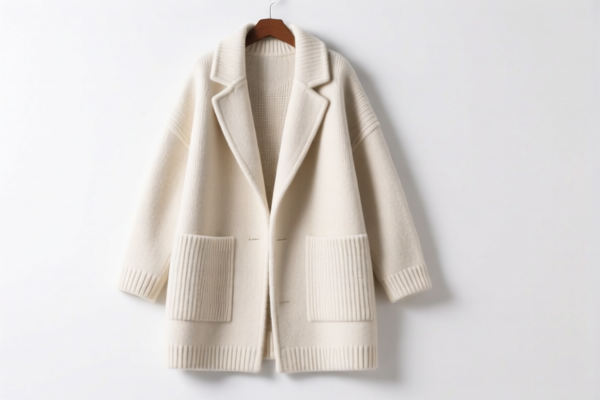
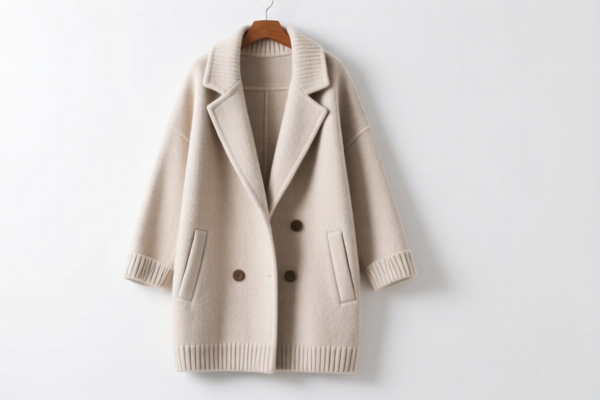

AI Analysis
🧥 Coats (Outerwear for Men, Women, or Children)
🌐 HS Code Reference & Customs Clearance Guide | 2026 Latest Tariff Analysis | Professional Clearance Strategy
📌 I. Product Definition & Classification: Do You Really Understand "Coats"?
In international trade, "Coats" are not a single category but a broad family of garments classified based on material composition (knitted vs. woven), gender (men’s, women’s, or unisex), and seasonal function (winter/heavy vs. lightweight). The key determinant for HS Code selection is whether the garment is knitted/crocheted (Chapter 61) or not knitted (Chapter 62), and whether it is for men/boys (6201/6101) or women/girls (6202/6102).
⚠️ Key Distinction Points:
- Knitted/Crocheted (Ch 61): Elastic, stretchy fabric (e.g., sweaters, knit wool coats) → 6101 or 6102.
- Woven/Non-Knitted (Ch 62): Structured fabric (e.g., wool trench coats, cotton parkas, synthetics) → 6201 or 6202.
- Parts/Accessories: Separate sleeves, collars, or linings not assembled into a full coat → 6117 or 6217.
📦 II. HS Code Classification Details (2026 Latest Tariff Authority Comparison)
| HS Code | Product Description | Applicable Scenario | Material Inference | Gender Category |
|---|---|---|---|---|
6202.30.20.50 |
Women’s/Girls’ Woven Coats | Women’s fashion coats, trench coats, wool-blend outerwear | Cotton-based (inferred), no conflict | Women/Girls |
6201.30.12.00 |
Men’s/Boys’ Winter Coats | Heavy winter parkas, padded coats, insulation-filled outerwear | Winter wear, insulation-filled, no conflict | Men/Boys |
6101.20.00.10 |
Men’s/Boys’ Knitted Coats | Knitted wool coats, cable-knit cardigans, heavy knit sweaters | Cotton or synthetic fiber, knitted | Men/Boys |
6117.90.90.40 |
Other Made-Up Clothing Accessories (Knitted) | Separate knitted parts: sleeves, collars, hoods (not full coats) | Cotton or other fibers, knitted | Unisex/Parts |
6217.90.90.30 |
Other Made-Up Clothing Accessories (Woven) | Separate woven parts: linings, vests, pockets, non-full outerwear | Wool or fine animal hair, woven | Unisex/Parts |
🔍 Critical Reminders:
- "Coat" vs. "Jacket": If the garment covers the waist or is designed for significant warmth/outerwear, it is a Coat. If it is short, it may be a Jacket (still often 6201/6202 but different subheadings).
- Knitted vs. Woven: This is the most common error. A "wool coat" can be either6201(woven) or6101(knitted). Fabric structure determines the chapter.
- Parts: If importing only the front panel, back panel, or sleeves separately, do not use the full coat HS code. Use 6117 or 6217 to avoid penalties for misdeclaration.
💰 III. 2026 Latest Tariff Rate Breakdown (Including Surcharges & Policy Add-ons)
✅ Applicable Country: United States (US)
✅ Origin: China (CN)
✅ Effective Date: 2025/2026 (Post-Trade War Structure)
🎯 1. 6202.30.20.50 – Women’s Woven Coats (Cotton-Based Inference)
| Item | Content |
|---|---|
| Base Tariff | 8.9% (ad valorem) |
| Section 301 Surcharge | +7.5% (China-specific) |
| Section 122 Tariff | +10% (China-specific) |
| Total Effective Rate | 26.4% |
| Tax Calculation | CIF Value × 26.4% |
| De Minimis Exemption | ❌ Not Eligible (Deny De Minimis for Section 301/122 goods) |
| Legal Authority Path | HTSUS:6202.30.20.50 → Section 301: Footnote 9903.88.01 → Section 122: IEEPA Authority |
📌 Explanation:
- Base 8.9%: Standard US MFN rate for woven women’s coats.
- 7.5% + 10%: Additional tariffs applied due to US-China trade tensions.
- Total 26.4%: This is a high-cost category. Importers must factor this into landed cost calculations.
- No De Minimis: Even small shipments (under $800) are subject to these tariffs if they fall under Section 301/122.
🎯 2. 6201.30.12.00 – Men’s Winter Coats (Insulation Filled)
| Item | Content |
|---|---|
| Base Tariff | 4.4% (ad valorem) |
| Section 301 Surcharge | +7.5% (China-specific) |
| Section 122 Tariff | +10% (China-specific) |
| Total Effective Rate | 21.9% |
| Tax Calculation | CIF Value × 21.9% |
| De Minimis Exemption | ❌ Not Eligible |
| Legal Authority Path | HTSUS:6201.30.12.00 → Section 301: Footnote 9903.88.01 → Section 122: IEEPA Authority |
📌 Explanation:
- Lower Base Rate: Woven men’s winter coats often have slightly lower base duties than women’s fashion coats.
- Same Surcharges: The 17.5% additional tariff (7.5% + 10%) still applies.
- Winter Focus: Clearly declared as "Winter Coat" with insulation details to justify the specific subheading.
🎯 3. 6101.20.00.10 – Men’s Knitted Coats (Cotton/Synthetic)
| Item | Content |
|---|---|
| Base Tariff | 15.9% (ad valorem) |
| Section 301 Surcharge | +7.5% (China-specific) |
| Section 122 Tariff | +10% (China-specific) |
| Total Effective Rate | 33.4% |
| Tax Calculation | CIF Value × 33.4% |
| De Minimis Exemption | ❌ Not Eligible |
| Legal Authority Path | HTSUS:6101.20.00.10 → Section 301: Footnote 9903.88.01 → Section 122: IEEPA Authority |
📌 Explanation:
- Highest Base Rate: Knitted garments often carry higher base duties (15.9%) compared to woven ones.
- Total 33.4%: This is the most expensive category in the provided dataset. High volume importers should consider alternative sourcing or material adjustments.
- Knitted Definition: Must be confirmed as knitted (stretchy, looped structure), not woven.
🎯 4. & 5. Parts & Accessories (6117.90.90.40 & 6217.90.90.30)
| Item | Content |
|---|---|
| Base Tariff | 14.6% (Both HS Codes) |
| Section 301 Surcharge | +7.5% (China-specific) |
| Section 122 Tariff | +10% (China-specific) |
| Total Effective Rate | 32.1% |
| Tax Calculation | CIF Value × 32.1% |
| De Minimis Exemption | ❌ Not Eligible |
📌 Explanation:
- Component Risk: If you import separate parts (e.g., just sleeves or linings), the base tariff is 14.6%, leading to a total of 32.1%.
- Warning: Do not declare parts as "Coats" to lower taxes. Customs will inspect and reclassify, leading to penalties.
- Material Distinction:6117is for knitted parts;6217is for woven parts (often wool/animal hair based on inference).
🛠️ IV. Customs Clearance Practical Advice (Battle-Tested Pitfall Guide)
✅ 1. Documentation Checklist (Mandatory)
| Document | Required | Notes |
|---|---|---|
| ✅ Product Spec Sheet | ✔️ | Must state: Knitted vs. Woven, Material % (Cotton/Wool/Synthetic), Gender |
| ✅ Fabric Swatch/Photo | ✔️ | Visual proof of knit structure vs. woven weave |
| ✅ Commercial Invoice | ✔️ | Clearly state "Woven Women’s Coat" or "Knitted Men’s Parka" – avoid generic "Coat" |
| ✅ Packing List | ✔️ | Itemize parts separately if applicable |
| ✅ Country of Origin | ✔️ | Certify China origin to apply correct surcharges |
| ✅ Brand/Model Info | ✔️ | For intellectual property checks |
✅ 2. Declaration Tips (Critical Mnemonics)
🔥 “Knit is 61, Woven is 62; Men are 01, Women are 02. Parts are 17, Not 01/02!”
| Scenario | Correct Declaration | Incorrect Action |
|---|---|---|
| Women’s Cotton Woven Coat | 6202.30.20.50 (26.4%) |
Declare as Men’s Coat → Wrong gender classification |
| Men’s Knitted Wool Coat | 6101.20.00.10 (33.4%) |
Declare as Woven → 15.9% base vs. 8.9% base (Audit risk) |
| Separate Knitted Sleeve | 6117.90.90.40 (32.1%) |
Declare as Full Coat → 100% penalty for misclassification |
| Separate Woven Wool Lining | 6217.90.90.30 (32.1%) |
Declare as Full Coat → Penalty + Back Taxes |
✅ 3. Special Cases & Mitigation
| Scenario | Handling Advice |
|---|---|
| OEM Custom Coats | Provide design sheets + material breakdown. Avoid "generic" descriptions. |
| Mixed Material Coats | Declare the material constituting the principal value. If >50% cotton, use cotton-based HS. |
| Sample Imports | Even samples of Section 301/122 goods are not exempt from de minimis. Pay duties upfront or use bonded warehouse. |
| Wool vs. Synthetic | If mixed, declare highest value material. Wool items often fall under 6217 if parts, or specific 6201/6202 subheadings if full coats. |
🌍 V. Global Market Clearance Comparison (2026 Latest)
| Country/Region | Recommended HS Code | Tariff (China Origin) | Certification Requirements | Notes |
|---|---|---|---|---|
| 🇺🇸 USA | 6202.30.20.50 etc. |
21.9% – 33.4% | None generally required for apparel | High Surcharges: 301/122 apply heavily |
| 🇨🇳 China | 6202.30.20.50 etc. |
5% – 15% | CCC (if applicable) | Lower duties, no US surcharges |
| 🇪🇺 EU | 6202.30.20.50 etc. |
12% – 16% | CE (if technical), REACH | No Section 301, but anti-dumping checks may apply |
| 🇬🇧 UK | 6202.30.20.50 etc. |
12% – 16% | UKCA (if applicable) | Post-Brexit, aligned with EU rates |
| 🇨🇦 Canada | 6202.30.20.50 etc. |
0% – 15% | CBSA Compliance | USMCA/CUSMA benefits if Canadian/Mexican origin |
📌 Conclusion:
- USA is the most expensive market for Chinese-origin coats due to Section 301 + 122 tariffs.
- EU and UK have stable, lower base rates but require strict compliance with REACH/chemical standards.
- Cost Saving Tip: For US import, consider sourcing from Vietnam, Bangladesh, or India (if free trade agreements apply) to avoid Section 301/122 surcharges.
📌 VI. Common Errors & Pitfall Guide (Blood and Tears Lessons)
❌ Error 1: Declaring a Knitted coat as Woven (6202 instead of 6102)
👉 Consequence: Base duty difference (8.9% vs. 15.9%) → Underpayment of tax → Penalty + Interest.
❌ Error 2: Declaring Parts (sleeves, collars) as Full Coats
👉 Consequence: Severe misdeclaration → Seizure of goods + fines for fraud.
❌ Error 3: Ignoring Section 122 tariffs
👉 Consequence: Even if you think 301 is gone, 122 may still apply → Unexpected 10% charge at border.
❌ Error 4: Using vague terms like "Outerwear" or "Jacket"
👉 Consequence: Customs lacks clarity → Delay in clearance → Storage fees at port.
✅ Correct Practice:
“Women’s Woven Cotton Coat, Fully Lined, Winter Style, Model XYZ, HS 6202.30.20.50”
🎯 VII. Conclusion: Precision in Classification, Profit in Clearance!
🎯 Remember the Mnemonic:
🔹 “Knit 61, Woven 62; Men 01, Women 02.
Parts 17, Full 62/61.
USA Tariff: 22-33%, Don’t let it sting!”
🔹 “HS Code decides the tax. One digit wrong, thousands lost!”
📌 Pro Tip:
If your coats are made from synthetic fibers (polyester, nylon), ensure they are classified under the correct synthetic subheadings within 6201/6202, as rates may vary slightly from cotton-based ones. For high-value wool coats, check for anti-dumping duties in specific markets.
📣 Immediate Action:
📞 Consult with a licensed customs broker + Provide fabric swatches + Apply for HS Code Advance Ruling
🚀 Clear your coats smoothly, legally, and profitably!
✨ Professional Clearance Starts with Accurate Classification!
💼 Every Percent of Tax Saved is Pure Profit!
Customer Reviews
About HS Code Classification
The Harmonized System (HS) is an internationally standardized nomenclature developed by the World Customs Organization (WCO) to classify traded products. Over 200 countries use the HS system as the basis for customs tariffs, trade statistics, and import/export regulations.
Each HS code follows a hierarchical structure:
- Chapter (2 digits) — Broad category of goods (e.g., Chapter 84: Machinery and Mechanical Appliances)
- Heading (4 digits) — More specific grouping within the chapter
- Subheading (6 digits) — Internationally standardized breakdown, used by all WCO member countries
- National subdivisions (8-10 digits) — Country-specific extensions for further classification, such as US HTSUS 10-digit codes
Correct HS code classification is essential for smooth customs clearance, accurate duty payment, and compliance with trade regulations. Misclassification can lead to customs delays, overpayment of duties, or penalties.
When importing from CN to US, the applicable tariff rates may include:
- Most-Favored-Nation (MFN) rate — The standard duty rate applied to WTO members
- General rate — Applied to countries without trade agreements
- Trade remedy duties — Additional tariffs such as Section 301 (anti-dumping), Section 232 (national security), or countervailing duties
The information provided on this page is for reference purposes only. For official classification, please consult with your local customs authority or a licensed customs broker.