Color Copy Film Universal
CN → US| HS编码 | 关税税率 | 原产国 | 目的国 | 文档 |
|---|---|---|---|---|
| 3706106030 | 35.0% | CN | US | 官方文档 |
| 4823903100 | 35.0% | CN | US | 官方文档 |
| 4911998000 | 17.5% | CN | US | 官方文档 |
| 3706106060 | 35.0% | CN | US | 官方文档 |
商品图片
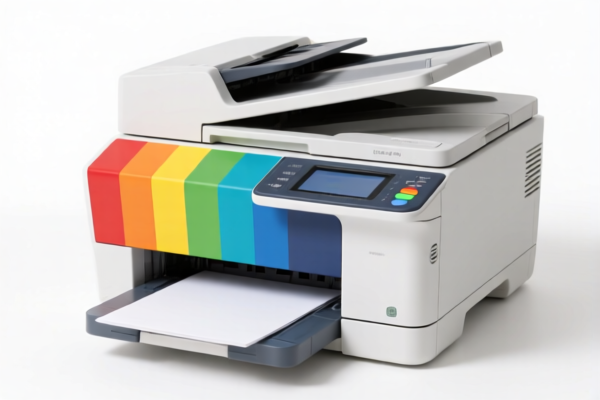
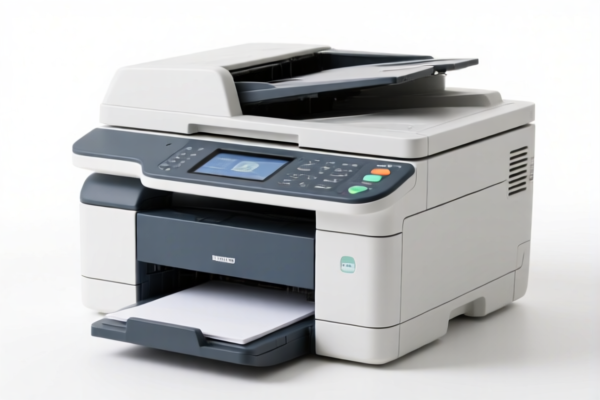
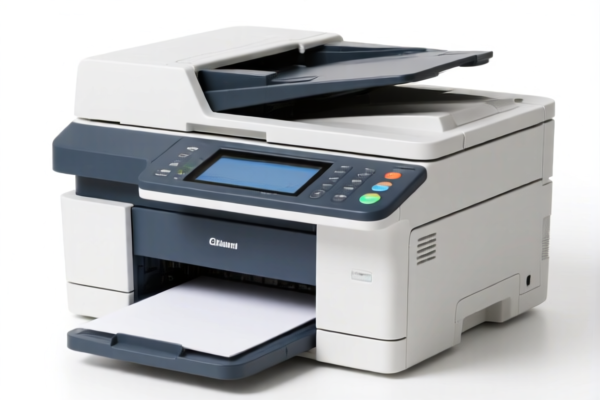
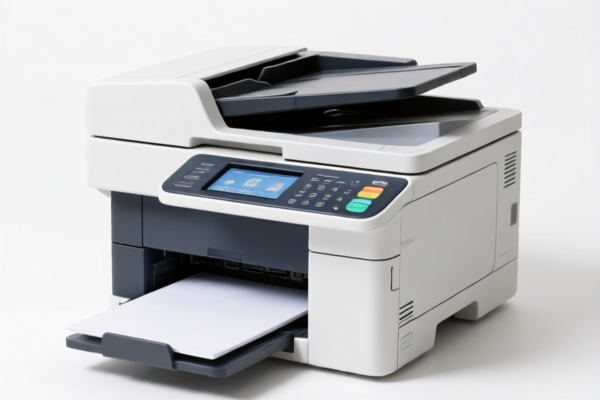
AI分析
🖋️ Color Copy Film Universal (General Purpose Copying Film)
🌐 HS Code Reference & Customs Clearance Guide | 2026 Latest Tariff Analysis | Professional Clearance Strategy
📌 Product Definition & Classification: What is "Universal Color Copy Film"?
Universal Color Copy Film (often referred to as NCR paper sheets, carbonless copy paper sheets, or duplicating film) is a specialized intermediate product used in office, printing, and industrial copying processes. Unlike traditional carbon paper, it relies on micro-encapsulated dye and clay coatings to create copies upon pressure.
In international trade, its classification is complex because it can be viewed through three different lenses: 1. As a Photochemical Product: If it functions like a photographic emulsion or sensitized film. 2. As a Paper/Cardboard Product: If it is primarily a cellulose-based substrate with coating. 3. As a Printed/Paper Goods Item: If it is treated as an intermediate printing material or general paper good.
⚠️ Key Classification Distinction: * If the product is primarily a plastic/polymer film or has photo-sensitive characteristics → It falls under Chapter 37 (Photographic/Chemical Films). * If the product is primarily a cellulose/plant fiber sheet with coating → It falls under Chapter 48 (Paper & Paperboard). * If it is considered a general printed accessory → It may fall under Chapter 49 (Printed Matter).
📦 II. HS Code Classification Details (Based on Provided Data)
| HS Code | Product Description (Summary) | Material/Logic Basis | Total Tax Rate (US/China Origin Context) |
|---|---|---|---|
| 3706.10.60.30 | General Purpose Color Copy Film Form: Film. Material: Transparent/Colored Polymer Film. Logic: Fits the category and usage logic of films. |
Film-Type Polymer-based substrate logic. |
35.0% |
| 4823.90.31.00 | General Purpose Color Copy Film Material: Inferred cellulose or plastic film. Category: Film within Paper/Cardboard/Fiber mats. |
Paper/Cardboard Film Cellulose or plastic film within Chapter 48. |
35.0% |
| 4911.99.80.00 | General Purpose Color Copy Film Category: Intermediate printed product. Logic: Printed carrier/material within "Other Printed Matter." |
Printed Material Intermediate form for printing processes. |
17.5% |
| 3706.10.60.60 | General Purpose Color Copy Film Form: Film. Attribute: Consistent with motion picture/film categories. Category: General catch-all for films. |
Film-Type (Catch-all) Functional/physical attribute alignment with general film. |
35.0% |
🔍 Critical Note on Tax Discrepancy: * HS Codes
3706.10.60.30and4823.90.31.00carry a higher tax burden (35.0%). * HS Code4911.99.80.00offers a significantly lower tax burden (17.5%). * Strategy: Unless the product has strict photo-sensitive or optical film characteristics that mandate Chapter 37, classification under Chapter 49 (Printed Matter) or Chapter 48 (Paper) as a general copying sheet may be more cost-effective. However, Chapter 37 codes are often used if the film structure is strictly polymer-based and not paper.
💰 III. 2026 Latest Tariff Rate Breakdown (Detailed Policy Analysis)
✅ Applicable Country: United States (US) ✅ Origin: China (CN) ✅ Effective Time: Post-2025/2026 Trade Policy Framework
🎯 1. 3706.10.60.30 & 3706.10.60.60 – Photochemical/Plastic Film Category
High Tax Bracket
| Item | Content |
|---|---|
| Base Tariff | 0.0% (Ad Valorem) |
| USITC Additional Tariff (Section 301) | +25.0% |
| 122 Clause Tariff (IEEPA/Other) | +10.0% |
| Total Tax Rate | 35.0% |
| Tax Calculation | CIF Value × 35% |
| De Minimis Exemption | ❌ Not Eligible (High tariff items usually excluded) |
| Legal Basis Path | USITC:3706.10.60.30/60 → Footnote: 9903.88.01 → IEEPA:9903.01.25 |
📌 Explanation: * The 25% comes from US Trade Law Section 301 against Chinese goods. * The 10% is attributed to the "122 Clause" (often related to emergency economic powers or specific trade remedy provisions). * Total 35% is a significant cost driver. Importers must ensure the product genuinely fits the "Film" definition (Chapter 37) to avoid misclassification penalties, but be aware of the high cost.
🎯 2. 4823.90.31.00 – Paper/Cardboard Film Category
High Tax Bracket (Same as Film)
| Item | Content |
|---|---|
| Base Tariff | 0.0% |
| USITC Additional Tariff (Section 301) | +25.0% |
| 122 Clause Tariff | +10.0% |
| Total Tax Rate | 35.0% |
| Tax Calculation | CIF Value × 35% |
| De Minimis Exemption | ❌ Not Eligible |
| Legal Basis Path | USITC:4823.90.31.00 → Footnote: 9903.88.01 → IEEPA:9903.01.25 |
📌 Note: * Even though it is classified under "Paper/Cardboard," the 35% rate applies because these specific subheadings are subject to the same Section 301 and 122 tariffs as the film categories. * This suggests that material composition (plastic vs. cellulose) does not lower the tariff if the final HTS code is subject to these high tariffs.
🎯 3. 4911.99.80.00 – Other Printed Matter Category
Optimized Tax Bracket
| Item | Content |
|---|---|
| Base Tariff | 0.0% |
| USITC Additional Tariff (Section 301) | +7.5% |
| 122 Clause Tariff | +10.0% |
| Total Tax Rate | 17.5% |
| Tax Calculation | CIF Value × 17.5% |
| De Minimis Exemption | ❌ Not Eligible (Likely, due to tariff level) |
| Legal Basis Path | USITC:4911.99.80.00 → Footnote: 9903.88.01 → IEEPA:9903.01.24 |
📌 Explanation: * This is the most cost-effective classification provided. * The 7.5% Section 301 rate is significantly lower than the 25% applied to Chapter 37 and specific Chapter 48 films. * Strategic Implication: If the product can be legally justified as an "intermediate printed material" or "general paper good for copying" rather than a technical "photochemical film" or "specialized paper film," this classification saves 17.5% in tariffs.
🛠️ IV. Customs Clearance Practical Advice (Avoiding Pitfalls)
✅ 1. Documentation Checklist (Non-Negotiable)
| Document | Mandatory? | Description |
|---|---|---|
| ✅ Product Specification Sheet | ✔️ | Must detail: Material (Polymer vs. Cellulose), Coating type, Dimensions, Usage (Office Copying vs. Technical). |
| ✅ Composition Analysis Report | ✔️ | Crucial for distinguishing between Chapter 37 (Film) and Chapter 48 (Paper). Proves if it's cellulose-based. |
| ✅ Product Photos (Labeled) | ✔️ | Show packaging, branding, and the film itself. Label must say "Color Copying Film" not "Photographic Film." |
| ✅ Commercial Invoice | ✔️ | Clearly state: "General Purpose Color Copy Film, NCR Type, for Office Use." Avoid vague terms like "Chemical Sheet." |
| ✅ Certificate of Origin (CO) | ✔️ | Required for origin determination (China) and applying correct trade remedies. |
| ✅ Packing List | ✔️ | Detail weight and dimensions per box. |
✅ 2. Declaration Strategy (Key Mantras)
🔥 "Define Material, Define Usage, Avoid 'Photo' Label!"
| Scenario | Recommended Declaration | HS Code Choice | Risk Level |
|---|---|---|---|
| Plastic-based film, generic use | "Colorless Copying Film Sheet, Polymer Substrate" | 3706.10.60.30 |
⚠️ High Tax (35%) |
| Cellulose-based sheet, coated | "Colored Copying Paper Sheet, Cellulose Base, Coated" | 4823.90.31.00 |
⚠️ High Tax (35%) |
| General office copying accessory | "General Purpose Printing Accessory, Copying Film" | 4911.99.80.00 |
✅ Low Tax (17.5%) |
| Technical/Photographic use | "Sensitized Copying Film for Industrial Use" | 3706.10.60.60 |
⚠️ High Tax (35%) |
📌 Pro Tip: * Avoid using the word "Photographic" or "Photo-sensitive" in your description unless it is strictly for industrial lithography or scientific imaging. * Use terms like "Office Copying," "NCR Sheet," or "Intermediate Printing Material" to align with
4911.99.80.00. * If the product is clearly cellulose-based (paper), argue for Chapter 48, but be aware that4823.90.31.00is still taxed at 35% in this dataset. Therefore,4911.99.80.00is the optimal target if defensible.
✅ 3. Special Situations
| Situation | Handling Advice |
|---|---|
| Mixed Packaging | If sold with printers or paper, declare separately. Do not bundle "Copy Film" with "Standard Paper" in one HS Code. |
| Custom OEM Orders | Provide client drawings showing the film is used for "duplication" not "imaging." |
| Small Samples | Check if "De Minimis" applies. However, with 17.5%-35% tariffs, most commercial shipments will not qualify for $800 exemption if classified under these specific codes due to Section 301 exclusions. |
| Dispute on Material | If customs questions if it's "Paper" or "Film," provide a lab test confirming the base substrate. If it's >50% cellulose, Chapter 48/49 is more likely. |
🌍 V. Global Market Comparison (2026 Overview)
| Market | Recommended HS Code | Est. Tariff (China Origin) | Key Requirement |
|---|---|---|---|
| 🇺🇸 USA | 4911.99.80.00 (Optimal) |
17.5% | Clear description as "Copying Film" not "Photo Film." |
| 🇪🇺 EU | 4823.90 / 4911.99 |
~0-5% | CE Marking (if applicable), REACH compliance for coatings. |
| 🇨🇳 China | 4823.90 / 4911.99 |
5-10% | CCC if applicable (unlikely for this item). |
| 🇬🇧 UK | 4823.90 / 4911.99 |
~5% | Post-Brexit UK Global Tariff applies. |
📌 Conclusion: * The US market is the most critical due to the Section 301 tariffs. * Saving 17.5% tariff by correctly classifying under
4911.99.80.00(vs3706or4823) is a significant competitive advantage. * Ensure your product documentation supports the "Printed Matter/Intermediate Good" classification to qualify for the lower rate.
📌 VI. Common Errors & Pitfalls (Lessons Learned)
❌ Error 1: Classifying as "Photographic Film" (3706) when it's just office copying paper.
👉 Result: Not only do you pay 35%, but you risk penalties for misclassification if the "photo" intent isn't proven.
❌ Error 2: Using generic term "Chemical Film." 👉 Result: Customs may inspect thoroughly, delaying clearance. Be specific: "Colorless Copying Film."
❌ Error 3: Ignoring the "122 Clause" 10% tariff. 👉 Result: Underestimating landed cost. Always include the 10% IEEPA/122 tariff in your CIF calculation.
❌ Error 4: Assuming "Paper" = Low Tariff.
👉 Result: In this specific dataset, Chapter 48 film (4823.90.31.00) is taxed at 35%, same as Chapter 37. Do not assume Chapter 48 is always cheaper here. Check the subheading!
✅ Correct Practice:
"General Purpose Color Copying Film, Polymer/Cellulose Base, for Office Duplication, Model XYZ, NCR Type" Target HS Code:
4911.99.80.00(for 17.5% rate)
🎯 VII. Conclusion: Smart Classification Saves Money!
🎯 Remember the Mantra:
🔹 "Don't call it 'Photo,' call it 'Copy.' Don't call it 'Film,' call it 'Sheet.' Aim for Chapter 49!" 🔹 "17.5% vs 35% is a huge margin. Justify the 'Printed Material' status."
📌 Tip:
If your product is NCR (No Carbon Required) paper sheets, argue strongly for Chapter 49 or Chapter 48 but be prepared to prove it's not a "specialized film" under Chapter 37.
Consider applying for an Advance Ruling from US Customs (CBP) to lock in the 4911.99.80.00 classification and secure the 17.5% rate.
📣 Immediate Action:
📞 Contact your freight forwarder with the Product Spec Sheet highlighting "Office Copying Use." 🚀 Request a Pre-Classification Opinion for HS Code
4911.99.80.00to minimize tariff exposure.
✨ Professional Clearance Starts with Precise Classification! 💼 Every 1% of tariff saved adds directly to your profit margin!
用户评价
关于 HS 编码归类
协调制度(HS)是由世界海关组织(WCO)制定的国际贸易商品分类标准。全球 200 多个国家采用 HS 系统作为海关关税、贸易统计和进出口监管的基础。
每个 HS 编码遵循以下层级结构:
- 章(2 位)——商品大类(例如:第 84 章:机器和机械设备)
- 品目(4 位)——章内的更具体分类
- 子目(6 位)——国际通用细分,所有 WCO 成员国统一使用
- 本国细分(8-10 位)——各国自行扩展的细分编码,如美国 HTSUS 10 位编码
正确的 HS 编码归类对于顺利通关、准确缴纳关税和遵守贸易法规至关重要。错误归类可能导致海关延误、多缴关税或罚款。
从CN进口到US时,适用的关税税率可能包括:
- 最惠国(MFN)税率——适用于 WTO 成员国的标准关税税率
- 普通税率——适用于无贸易协定国家
- 贸易救济关税——附加关税,如 301 条款(反倾销)、232 条款(国家安全)或反补贴税
本页内容仅供参考。如需正式归类,请咨询当地海关或持牌报关代理。