Color Developing Film
CN → US| HS编码 | 关税税率 | 原产国 | 目的国 | 文档 |
|---|---|---|---|---|
| 9001909000 | 35.0% | CN | US | 官方文档 |
| 9010505000 | 35.0% | CN | US | 官方文档 |
| 3705000000 | 35.0% | CN | US | 官方文档 |
| 3707100005 | 38.0% | CN | US | 官方文档 |
| 3704000000 | 35.0% | CN | US | 官方文档 |
商品图片
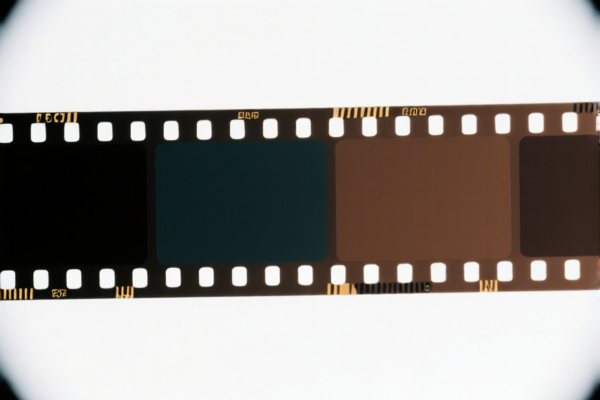
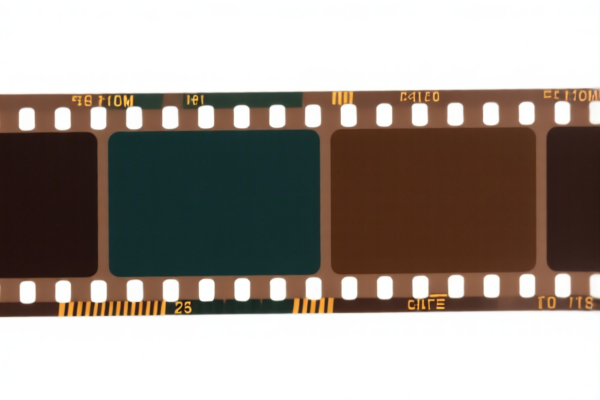
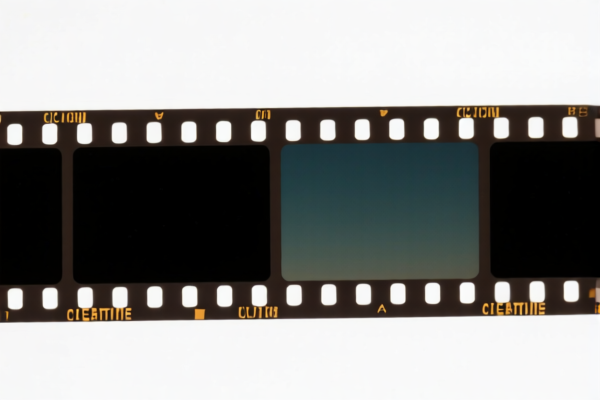

AI分析
🎞️ Color Developing Film (彩色冲洗底片/感光乳剂)
🌐 HS Code Reference & Customs Clearance Guide | 2026 Latest Tariff Analysis | Professional Entry Strategy
📌 I. Product Definition & Classification: Do You Understand "Color Developing Film"?
Color Developing Film, in the context of international trade and photography, refers to photosensitive materials that have undergone specific chemical processing states. It is not a single monolithic product but varies based on its physical state (exposed vs. unexposed) and chemical composition.
In the global supply chain, this product is typically categorized into two main groups:
- Exposed & Developed Films (已曝光并显影的底片): The final photographic medium, ready for viewing or scanning. This includes color negatives, slides, and prints derived from developing.
- Photosensitive Emulsions/Materials (感光乳剂/材料): Raw materials or semi-finished products, such as unexposed film or chemical emulsions used in the printing process.
⚠️ Critical Distinction Point:
- If the film is exposed and chemically developed (ready for use) → It is classified under 3704, 3705, or 9010 depending on the specific physical form and usage.
- If it is an unexposed photographic film or a chemical emulsion for printing → It falls under 3707 (Emulsions) or potentially 3704 if mistakenly considered unexposed.
- If it is treated as an optical component (rare for general film, but possible for specialized flat materials) → It might be incorrectly or broadly classified under 9001.
📦 II. HS Code Classification Details (2026 Latest Tariff Authority Comparison)
Based on the provided data, here are the precise HS Code mappings for "Color Developing Film" variants:
| HS Code | Product Description | Application Scenario | State/Feature |
|---|---|---|---|
3705.00.00.00 |
Exposed & Developed Color Negative Film | Finished photographic negatives, prints, slides | ✅ Exposed & Developed (Ready for viewing) |
9010.50.50.00 |
Photographic Laboratory Equipment/Materials | Film used in professional photo labs, processing chemicals or support materials | 🏭 Lab Equipment/Use |
9001.90.90.00 |
Optical Elements: Other Films and Plates | Specialty optical films, flat plates used in optics or non-standard photographic applications | 🔍 Optical Component |
3707.10.00.05 |
Photosensitive Emulsion for Color Negative Paper | Chemical emulsion coating, raw material for printing paper or film manufacturing | 🧪 Chemical Emulsion (Raw Material) |
3704.00.00.00 |
Exposed but Undeveloped Photographic Film | Film that has been exposed to light but not yet chemically developed | ⏸️ Exposed, Unprocessed |
🔍 Key Reminder:
-3705.00.00.00is the most common classification for finished, developed color films intended for consumer or professional photography.
-3707.10.00.05applies specifically to the chemical emulsion component, not the physical film strip itself.
-3704.00.00.00is for intermediate state film (exposed but not developed), which is critical for supply chain tracking in film production.
- Misclassifying developed film as "emulsion" (3707) or "optical element" (9001) can lead to significant tariff discrepancies and customs delays.
💰 III. 2026 Latest Tariff Rate Breakdown (Including Surcharges & Policy Add-ons)
✅ Applicable Country: USA (US)
✅ Origin: China (CN)
✅ Effective Date: From November 10, 2025 (and subsequent imports)
🎯 1. 3705.00.00.00 —— Exposed & Developed Color Negative Film
| Item | Detail |
|---|---|
| Basic Tariff | 0.0% (ad valorem) |
| USITC Surcharge | +25.0% (Under USITC Footnote 9903.88.01) |
| IEEPA Surcharge | +10.0% (Against China/HK products, effective Nov 10, 2025) |
| Total Tariff | 35.0% |
| Tax Calculation | CIF Value × 35% |
| De Minimis Exemption Eligible? | ❌ No (deny_de_minimis) |
| Legal Basis Path | IEEPA:9903.01.25 → IEEPA:9903.01.24 → USITC:3705.00.00.00 → FOOTNOTE:9903.88.01 |
📌 Explanation:
- The 25% USITC surcharge is part of the Section 301 actions targeting specific Chinese industrial and consumer goods.
- The 10% IEEPA surcharge is a additional penalty under the International Emergency Economic Powers Act.
- Combined 35% is a high tariff rate, requiring careful cost estimation.
🎯 2. 9010.50.50.00 —— Photographic Lab Equipment/Materials
| Item | Detail |
|---|---|
| Basic Tariff | 0.0% |
| USITC Surcharge | +25.0% |
| IEEPA Surcharge | +10.0% |
| Total Tariff | 35.0% |
| Tax Calculation | CIF × 35% |
| De Minimis Exemption Eligible? | ❌ No |
| Legal Basis Path | IEEPA:9903.01.25 → IEEPA:9903.01.24 → USITC:9010.50.50.00 → FOOTNOTE:9903.88.01 |
📌 Note:
- If the "film" is considered part of laboratory equipment or specialized processing materials for labs, it falls under this code.
- The tariff is identical to3705.00.00.00, but the legal justification differs (equipment vs. product).
🎯 3. 9001.90.90.00 —— Optical Elements: Other Films and Plates
| Item | Detail |
|---|---|
| Basic Tariff | 0.0% |
| USITC Surcharge | +25.0% |
| IEEPA Surcharge | +10.0% |
| Total Tariff | 35.0% |
| Tax Calculation | CIF × 35% |
| De Minimis Exemption Eligible? | ❌ No |
| Legal Basis Path | IEEPA:9903.01.25 → IEEPA:9903.01.24 → USITC:9001.90.90.00 → FOOTNOTE:9903.88.01 |
📌 Note:
- This classification is less common for standard photographic film. It applies to specialized optical films or plates that meet the definition of "optical elements."
- Using this code for regular photo film may be challenged by customs as misclassification.
🎯 4. 3707.10.00.05 —— Photosensitive Emulsion for Color Negative Paper
| Item | Detail |
|---|---|
| Basic Tariff | 3.0% |
| USITC Surcharge | +25.0% |
| IEEPA Surcharge | +10.0% |
| Total Tariff | 38.0% |
| Tax Calculation | CIF × 38% |
| De Minimis Exemption Eligible? | ❌ No |
| Legal Basis Path | IEEPA:9903.01.25 → IEEPA:9903.01.24 → USITC:3707.10.00.05 → FOOTNOTE:9903.88.01 |
📌 Warning:
- This code has a 3% Basic Tariff, making the total rate 38%, which is 3% higher than the other codes.
- Ensure your product is indeed a chemical emulsion and not a physical film strip. Misclassification here is risky and expensive.
🎯 5. 3704.00.00.00 —— Exposed but Undeveloped Photographic Film
| Item | Detail |
|---|---|
| Basic Tariff | 0.0% |
| USITC Surcharge | +25.0% |
| IEEPA Surcharge | +10.0% |
| Total Tariff | 35.0% |
| Tax Calculation | CIF × 35% |
| De Minimis Exemption Eligible? | ❌ No |
| Legal Basis Path | IEEPA:9903.01.25 → IEEPA:9903.01.24 → USITC:3704.00.00.00 → FOOTNOTE:9903.88.01 |
📌 Note:
- This code is for intermediate goods in the film production chain.
- If you import developed film but classify it as3704, you risk customs seizure or penalties for incorrect declaration.
🛠️ IV. Customs Clearance Practical Advice (Real-World Pitfall Guide)
✅ 1. Documentation Checklist (Mandatory)
| Document | Required | Description |
|---|---|---|
| ✅ Product Specification Sheet | ✔️ | Must detail: Film type (Negative/Slide), Color/Black & White, Format (35mm/120/etc.), Chemical state (Exposed/Undeveloped). |
| ✅ Photosensitive Material Safety Data Sheet (SDS) | ✔️ | Required for chemical-based products (e.g., emulsions under 3707). |
| ✅ Commercial Invoice | ✔️ | Clearly state: "Color Developing Film," "Exposed & Developed," or "Photosensitive Emulsion." Avoid vague terms like "Film." |
| ✅ Packing List | ✔️ | Detail contents, net/gross weight, and quantity. |
| ✅ Certificate of Origin (CO) | ✔️ | If not from China, to determine eligibility for any potential exemptions. |
| ✅ Third-Party Inspection Report | ✔️ | For chemical stability or quality assurance (optional but recommended for 3707). |
✅ 2. Declaration Tips (Key Mnemonics)
🔥 "State Determines Code, Emulsion is Expensive, Developed is Standard, Don't Guess!"
| Scenario | Correct HS Code | Common Mistake |
|---|---|---|
| Finished Color Negatives (Exposed & Developed) | 3705.00.00.00 |
Classifying as 3704 (undeveloped) → 35% vs 35% (same rate, but wrong description) |
| Color Negative Paper Emulsion (Chemical) | 3707.10.00.05 |
Classifying as 3705 → 38% vs 35% (Higher tax!) |
| Special Optical Film Plates | 9001.90.90.00 |
Classifying as 3705 → Possible customs audit |
| Unexposed Film | Not listed in data, but typically 3702 |
Using 3704 (which requires exposure) → Misclassification Risk |
| Lab Processing Materials | 9010.50.50.00 |
Using 3705 → Possible dispute |
✅ 3. Special Cases Handling
| Scenario | Handling Advice |
|---|---|
| Bulk Chemical Emulsions | Ensure SDS is provided. Declare as 3707.10.00.05 to avoid being treated as "raw materials" with higher scrutiny. |
| Finished Film for Art/Design | Use 3705.00.00.00. Provide examples of usage (e.g., photography prints). |
| Mixed Shipments (Film + Emulsion) | Split Declaration: Film under 3705, Emulsion under 3707. Do not lump together. |
| OEM Custom Films | Provide design files and customer contracts. Specify "Custom Color Developing Film" to justify 3705 or 9010. |
| Used/Recycled Film | High Risk: Customs may reject as waste. Declare as "Industrial Scrap" if applicable, but check local waste import laws. |
🌍 V. Global Market Comparison (2026 Latest)
| Country/Region | Recommended HS Code | Tariff Rate | Certification Required | Notes |
|---|---|---|---|---|
| 🇺🇸 USA | 3705.00.00.00 |
35% | None specific | 38% if classified as emulsion (3707) |
| 🇨🇳 China | 3705.00.00.00 |
5% (approx) | RoHS (if applicable) | No additional US-style surcharges |
| 🇪🇺 EU | 3705.00.00.00 |
0% (if under quota) | CE (for lab equipment) | No 301-style tariffs |
| 🇬🇧 UK | 3705.00.00.00 |
0% | UKCA | Post-Brexit trade agreements may apply |
| 🇯🇵 Japan | 3705.00.00.00 |
0% | PSE (for lab gear) | No surcharges |
📌 Conclusion:
- USA is the only market with significant surcharges (35-38%) for Chinese-origin color developing film.
- Duty avoidance strategies: Consider sourcing from non-China origins (e.g., Japan, Germany) for emulsions to avoid IEEPA/USITC tariffs.
- Documentation precision is key to avoiding audits and delays.
📌 VI. Common Errors & Pitfall Guide (Lessons Learned)
❌ Mistake 1: Declaring developed film as undeveloped (3704)
👉 Consequence: No direct tax difference (35% vs 35%), but high risk of customs audit for misrepresentation. Customs may require proof of development status.
❌ Mistake 2: Declaring chemical emulsion as finished film (3705)
👉 Consequence: Underpayment of 3% (38% vs 35%). Customs will issue a supplemental tax bill + penalties upon discovery.
❌ Mistake 3: Using vague description "Film" on Invoice
👉 Consequence: Customs may assign a default high-tariff code or hold shipment for classification review.
❌ Mistake 4: Ignoring IEEPA 10% Surcharge in cost calculation
👉 Consequence: Profit margin erosion. 35% total tariff can make products uncompetitive if not priced in.
✅ Correct Declaration Example:
"Color Negative Film, Exposed & Developed, 35mm Format, For Photographic Use, Model XYZ, No Hazardous Chemicals"
🎯 VII. Conclusion: Precision in Classification Saves Money!
🎯 Remember the Mnemonic:
🔹 "Developed is
3705, Emulsion is3707(38%), Optical is9001(35%), Lab is9010(35%)."
🔹 "35% is the standard, 38% is the emulsion trap, 10% IEEPA adds pain!"
🔹 "HS Code defines your tax, clarity in description defines your speed!"
📌 Pro Tip:
If your color developing film or emulsion is originated from Japan, Germany, or South Korea, you avoid the IEEPA 10% and USITC 25% surcharges (subject to current trade agreements).
Recommendation:
📞 Consult a licensed customs broker + Provide Product Data Sheets + Apply for Advance Ruling if unsure.
🚀 Ensure smooth clearance, minimize tax liability, and maximize profit!
✨ Professional Clearance Starts with Accurate Classification!
💼 Every Percent Matters in International Trade!
用户评价
关于 HS 编码归类
协调制度(HS)是由世界海关组织(WCO)制定的国际贸易商品分类标准。全球 200 多个国家采用 HS 系统作为海关关税、贸易统计和进出口监管的基础。
每个 HS 编码遵循以下层级结构:
- 章(2 位)——商品大类(例如:第 84 章:机器和机械设备)
- 品目(4 位)——章内的更具体分类
- 子目(6 位)——国际通用细分,所有 WCO 成员国统一使用
- 本国细分(8-10 位)——各国自行扩展的细分编码,如美国 HTSUS 10 位编码
正确的 HS 编码归类对于顺利通关、准确缴纳关税和遵守贸易法规至关重要。错误归类可能导致海关延误、多缴关税或罚款。
从CN进口到US时,适用的关税税率可能包括:
- 最惠国(MFN)税率——适用于 WTO 成员国的标准关税税率
- 普通税率——适用于无贸易协定国家
- 贸易救济关税——附加关税,如 301 条款(反倾销)、232 条款(国家安全)或反补贴税
本页内容仅供参考。如需正式归类,请咨询当地海关或持牌报关代理。