Color Developing Film
CN → US| HS Code | Tariff Rate | Origin | Destination | Doc |
|---|---|---|---|---|
| 9001909000 | 35.0% | CN | US | Official Doc |
| 9010505000 | 35.0% | CN | US | Official Doc |
| 3705000000 | 35.0% | CN | US | Official Doc |
| 3707100005 | 38.0% | CN | US | Official Doc |
| 3704000000 | 35.0% | CN | US | Official Doc |
Product Images
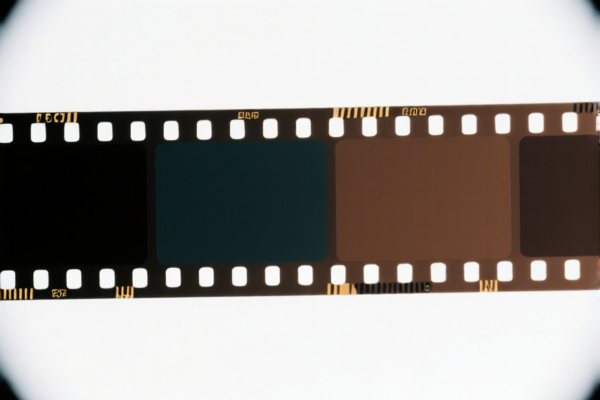
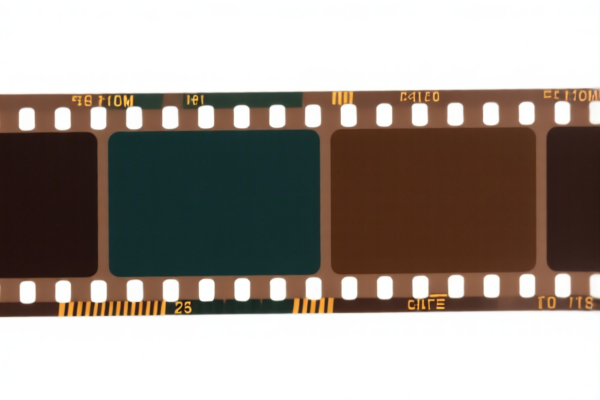
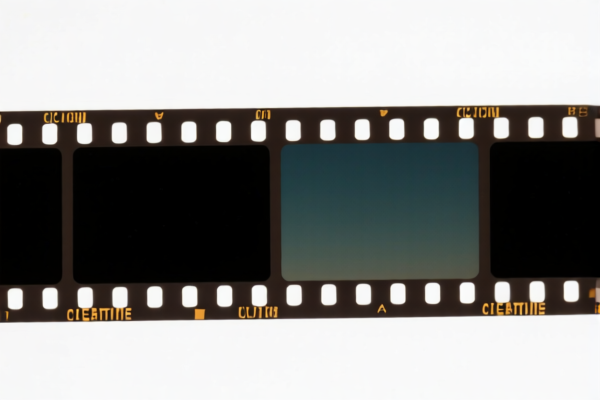

AI Analysis
🎞️ Color Developing Film (彩色冲洗底片/感光乳剂)
🌐 HS Code Reference & Customs Clearance Guide | 2026 Latest Tariff Analysis | Professional Entry Strategy
📌 I. Product Definition & Classification: Do You Understand "Color Developing Film"?
Color Developing Film, in the context of international trade and photography, refers to photosensitive materials that have undergone specific chemical processing states. It is not a single monolithic product but varies based on its physical state (exposed vs. unexposed) and chemical composition.
In the global supply chain, this product is typically categorized into two main groups:
- Exposed & Developed Films (已曝光并显影的底片): The final photographic medium, ready for viewing or scanning. This includes color negatives, slides, and prints derived from developing.
- Photosensitive Emulsions/Materials (感光乳剂/材料): Raw materials or semi-finished products, such as unexposed film or chemical emulsions used in the printing process.
⚠️ Critical Distinction Point:
- If the film is exposed and chemically developed (ready for use) → It is classified under 3704, 3705, or 9010 depending on the specific physical form and usage.
- If it is an unexposed photographic film or a chemical emulsion for printing → It falls under 3707 (Emulsions) or potentially 3704 if mistakenly considered unexposed.
- If it is treated as an optical component (rare for general film, but possible for specialized flat materials) → It might be incorrectly or broadly classified under 9001.
📦 II. HS Code Classification Details (2026 Latest Tariff Authority Comparison)
Based on the provided data, here are the precise HS Code mappings for "Color Developing Film" variants:
| HS Code | Product Description | Application Scenario | State/Feature |
|---|---|---|---|
3705.00.00.00 |
Exposed & Developed Color Negative Film | Finished photographic negatives, prints, slides | ✅ Exposed & Developed (Ready for viewing) |
9010.50.50.00 |
Photographic Laboratory Equipment/Materials | Film used in professional photo labs, processing chemicals or support materials | 🏭 Lab Equipment/Use |
9001.90.90.00 |
Optical Elements: Other Films and Plates | Specialty optical films, flat plates used in optics or non-standard photographic applications | 🔍 Optical Component |
3707.10.00.05 |
Photosensitive Emulsion for Color Negative Paper | Chemical emulsion coating, raw material for printing paper or film manufacturing | 🧪 Chemical Emulsion (Raw Material) |
3704.00.00.00 |
Exposed but Undeveloped Photographic Film | Film that has been exposed to light but not yet chemically developed | ⏸️ Exposed, Unprocessed |
🔍 Key Reminder:
-3705.00.00.00is the most common classification for finished, developed color films intended for consumer or professional photography.
-3707.10.00.05applies specifically to the chemical emulsion component, not the physical film strip itself.
-3704.00.00.00is for intermediate state film (exposed but not developed), which is critical for supply chain tracking in film production.
- Misclassifying developed film as "emulsion" (3707) or "optical element" (9001) can lead to significant tariff discrepancies and customs delays.
💰 III. 2026 Latest Tariff Rate Breakdown (Including Surcharges & Policy Add-ons)
✅ Applicable Country: USA (US)
✅ Origin: China (CN)
✅ Effective Date: From November 10, 2025 (and subsequent imports)
🎯 1. 3705.00.00.00 —— Exposed & Developed Color Negative Film
| Item | Detail |
|---|---|
| Basic Tariff | 0.0% (ad valorem) |
| USITC Surcharge | +25.0% (Under USITC Footnote 9903.88.01) |
| IEEPA Surcharge | +10.0% (Against China/HK products, effective Nov 10, 2025) |
| Total Tariff | 35.0% |
| Tax Calculation | CIF Value × 35% |
| De Minimis Exemption Eligible? | ❌ No (deny_de_minimis) |
| Legal Basis Path | IEEPA:9903.01.25 → IEEPA:9903.01.24 → USITC:3705.00.00.00 → FOOTNOTE:9903.88.01 |
📌 Explanation:
- The 25% USITC surcharge is part of the Section 301 actions targeting specific Chinese industrial and consumer goods.
- The 10% IEEPA surcharge is a additional penalty under the International Emergency Economic Powers Act.
- Combined 35% is a high tariff rate, requiring careful cost estimation.
🎯 2. 9010.50.50.00 —— Photographic Lab Equipment/Materials
| Item | Detail |
|---|---|
| Basic Tariff | 0.0% |
| USITC Surcharge | +25.0% |
| IEEPA Surcharge | +10.0% |
| Total Tariff | 35.0% |
| Tax Calculation | CIF × 35% |
| De Minimis Exemption Eligible? | ❌ No |
| Legal Basis Path | IEEPA:9903.01.25 → IEEPA:9903.01.24 → USITC:9010.50.50.00 → FOOTNOTE:9903.88.01 |
📌 Note:
- If the "film" is considered part of laboratory equipment or specialized processing materials for labs, it falls under this code.
- The tariff is identical to3705.00.00.00, but the legal justification differs (equipment vs. product).
🎯 3. 9001.90.90.00 —— Optical Elements: Other Films and Plates
| Item | Detail |
|---|---|
| Basic Tariff | 0.0% |
| USITC Surcharge | +25.0% |
| IEEPA Surcharge | +10.0% |
| Total Tariff | 35.0% |
| Tax Calculation | CIF × 35% |
| De Minimis Exemption Eligible? | ❌ No |
| Legal Basis Path | IEEPA:9903.01.25 → IEEPA:9903.01.24 → USITC:9001.90.90.00 → FOOTNOTE:9903.88.01 |
📌 Note:
- This classification is less common for standard photographic film. It applies to specialized optical films or plates that meet the definition of "optical elements."
- Using this code for regular photo film may be challenged by customs as misclassification.
🎯 4. 3707.10.00.05 —— Photosensitive Emulsion for Color Negative Paper
| Item | Detail |
|---|---|
| Basic Tariff | 3.0% |
| USITC Surcharge | +25.0% |
| IEEPA Surcharge | +10.0% |
| Total Tariff | 38.0% |
| Tax Calculation | CIF × 38% |
| De Minimis Exemption Eligible? | ❌ No |
| Legal Basis Path | IEEPA:9903.01.25 → IEEPA:9903.01.24 → USITC:3707.10.00.05 → FOOTNOTE:9903.88.01 |
📌 Warning:
- This code has a 3% Basic Tariff, making the total rate 38%, which is 3% higher than the other codes.
- Ensure your product is indeed a chemical emulsion and not a physical film strip. Misclassification here is risky and expensive.
🎯 5. 3704.00.00.00 —— Exposed but Undeveloped Photographic Film
| Item | Detail |
|---|---|
| Basic Tariff | 0.0% |
| USITC Surcharge | +25.0% |
| IEEPA Surcharge | +10.0% |
| Total Tariff | 35.0% |
| Tax Calculation | CIF × 35% |
| De Minimis Exemption Eligible? | ❌ No |
| Legal Basis Path | IEEPA:9903.01.25 → IEEPA:9903.01.24 → USITC:3704.00.00.00 → FOOTNOTE:9903.88.01 |
📌 Note:
- This code is for intermediate goods in the film production chain.
- If you import developed film but classify it as3704, you risk customs seizure or penalties for incorrect declaration.
🛠️ IV. Customs Clearance Practical Advice (Real-World Pitfall Guide)
✅ 1. Documentation Checklist (Mandatory)
| Document | Required | Description |
|---|---|---|
| ✅ Product Specification Sheet | ✔️ | Must detail: Film type (Negative/Slide), Color/Black & White, Format (35mm/120/etc.), Chemical state (Exposed/Undeveloped). |
| ✅ Photosensitive Material Safety Data Sheet (SDS) | ✔️ | Required for chemical-based products (e.g., emulsions under 3707). |
| ✅ Commercial Invoice | ✔️ | Clearly state: "Color Developing Film," "Exposed & Developed," or "Photosensitive Emulsion." Avoid vague terms like "Film." |
| ✅ Packing List | ✔️ | Detail contents, net/gross weight, and quantity. |
| ✅ Certificate of Origin (CO) | ✔️ | If not from China, to determine eligibility for any potential exemptions. |
| ✅ Third-Party Inspection Report | ✔️ | For chemical stability or quality assurance (optional but recommended for 3707). |
✅ 2. Declaration Tips (Key Mnemonics)
🔥 "State Determines Code, Emulsion is Expensive, Developed is Standard, Don't Guess!"
| Scenario | Correct HS Code | Common Mistake |
|---|---|---|
| Finished Color Negatives (Exposed & Developed) | 3705.00.00.00 |
Classifying as 3704 (undeveloped) → 35% vs 35% (same rate, but wrong description) |
| Color Negative Paper Emulsion (Chemical) | 3707.10.00.05 |
Classifying as 3705 → 38% vs 35% (Higher tax!) |
| Special Optical Film Plates | 9001.90.90.00 |
Classifying as 3705 → Possible customs audit |
| Unexposed Film | Not listed in data, but typically 3702 |
Using 3704 (which requires exposure) → Misclassification Risk |
| Lab Processing Materials | 9010.50.50.00 |
Using 3705 → Possible dispute |
✅ 3. Special Cases Handling
| Scenario | Handling Advice |
|---|---|
| Bulk Chemical Emulsions | Ensure SDS is provided. Declare as 3707.10.00.05 to avoid being treated as "raw materials" with higher scrutiny. |
| Finished Film for Art/Design | Use 3705.00.00.00. Provide examples of usage (e.g., photography prints). |
| Mixed Shipments (Film + Emulsion) | Split Declaration: Film under 3705, Emulsion under 3707. Do not lump together. |
| OEM Custom Films | Provide design files and customer contracts. Specify "Custom Color Developing Film" to justify 3705 or 9010. |
| Used/Recycled Film | High Risk: Customs may reject as waste. Declare as "Industrial Scrap" if applicable, but check local waste import laws. |
🌍 V. Global Market Comparison (2026 Latest)
| Country/Region | Recommended HS Code | Tariff Rate | Certification Required | Notes |
|---|---|---|---|---|
| 🇺🇸 USA | 3705.00.00.00 |
35% | None specific | 38% if classified as emulsion (3707) |
| 🇨🇳 China | 3705.00.00.00 |
5% (approx) | RoHS (if applicable) | No additional US-style surcharges |
| 🇪🇺 EU | 3705.00.00.00 |
0% (if under quota) | CE (for lab equipment) | No 301-style tariffs |
| 🇬🇧 UK | 3705.00.00.00 |
0% | UKCA | Post-Brexit trade agreements may apply |
| 🇯🇵 Japan | 3705.00.00.00 |
0% | PSE (for lab gear) | No surcharges |
📌 Conclusion:
- USA is the only market with significant surcharges (35-38%) for Chinese-origin color developing film.
- Duty avoidance strategies: Consider sourcing from non-China origins (e.g., Japan, Germany) for emulsions to avoid IEEPA/USITC tariffs.
- Documentation precision is key to avoiding audits and delays.
📌 VI. Common Errors & Pitfall Guide (Lessons Learned)
❌ Mistake 1: Declaring developed film as undeveloped (3704)
👉 Consequence: No direct tax difference (35% vs 35%), but high risk of customs audit for misrepresentation. Customs may require proof of development status.
❌ Mistake 2: Declaring chemical emulsion as finished film (3705)
👉 Consequence: Underpayment of 3% (38% vs 35%). Customs will issue a supplemental tax bill + penalties upon discovery.
❌ Mistake 3: Using vague description "Film" on Invoice
👉 Consequence: Customs may assign a default high-tariff code or hold shipment for classification review.
❌ Mistake 4: Ignoring IEEPA 10% Surcharge in cost calculation
👉 Consequence: Profit margin erosion. 35% total tariff can make products uncompetitive if not priced in.
✅ Correct Declaration Example:
"Color Negative Film, Exposed & Developed, 35mm Format, For Photographic Use, Model XYZ, No Hazardous Chemicals"
🎯 VII. Conclusion: Precision in Classification Saves Money!
🎯 Remember the Mnemonic:
🔹 "Developed is
3705, Emulsion is3707(38%), Optical is9001(35%), Lab is9010(35%)."
🔹 "35% is the standard, 38% is the emulsion trap, 10% IEEPA adds pain!"
🔹 "HS Code defines your tax, clarity in description defines your speed!"
📌 Pro Tip:
If your color developing film or emulsion is originated from Japan, Germany, or South Korea, you avoid the IEEPA 10% and USITC 25% surcharges (subject to current trade agreements).
Recommendation:
📞 Consult a licensed customs broker + Provide Product Data Sheets + Apply for Advance Ruling if unsure.
🚀 Ensure smooth clearance, minimize tax liability, and maximize profit!
✨ Professional Clearance Starts with Accurate Classification!
💼 Every Percent Matters in International Trade!
Customer Reviews
About HS Code Classification
The Harmonized System (HS) is an internationally standardized nomenclature developed by the World Customs Organization (WCO) to classify traded products. Over 200 countries use the HS system as the basis for customs tariffs, trade statistics, and import/export regulations.
Each HS code follows a hierarchical structure:
- Chapter (2 digits) — Broad category of goods (e.g., Chapter 84: Machinery and Mechanical Appliances)
- Heading (4 digits) — More specific grouping within the chapter
- Subheading (6 digits) — Internationally standardized breakdown, used by all WCO member countries
- National subdivisions (8-10 digits) — Country-specific extensions for further classification, such as US HTSUS 10-digit codes
Correct HS code classification is essential for smooth customs clearance, accurate duty payment, and compliance with trade regulations. Misclassification can lead to customs delays, overpayment of duties, or penalties.
When importing from CN to US, the applicable tariff rates may include:
- Most-Favored-Nation (MFN) rate — The standard duty rate applied to WTO members
- General rate — Applied to countries without trade agreements
- Trade remedy duties — Additional tariffs such as Section 301 (anti-dumping), Section 232 (national security), or countervailing duties
The information provided on this page is for reference purposes only. For official classification, please consult with your local customs authority or a licensed customs broker.