Color Film Landscape Photography
CN → US| HS编码 | 关税税率 | 原产国 | 目的国 | 文档 |
|---|---|---|---|---|
| 3704000000 | 35.0% | CN | US | 官方文档 |
| 3702520130 | 38.7% | CN | US | 官方文档 |
| 3702310100 | 38.7% | CN | US | 官方文档 |
| 3706106060 | 35.0% | CN | US | 官方文档 |
| 3706900060 | 35.0% | CN | US | 官方文档 |
商品图片
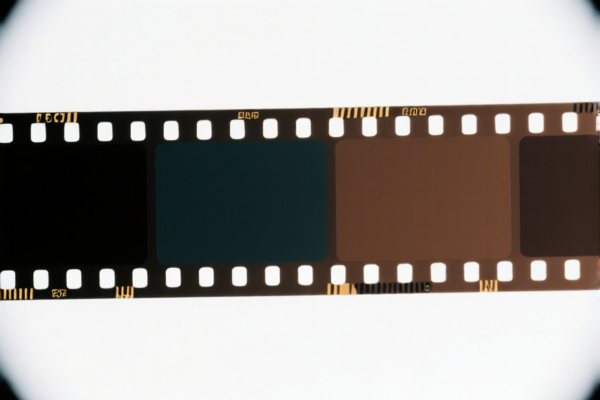
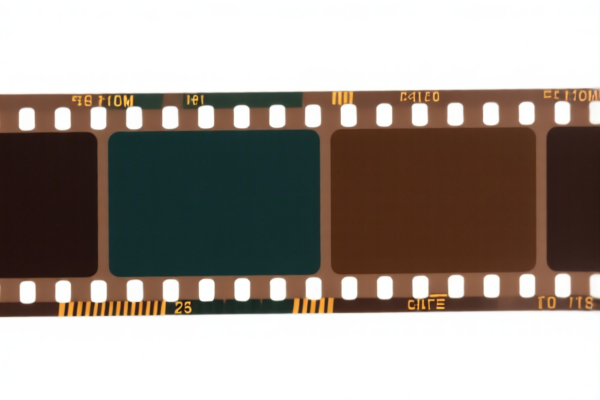
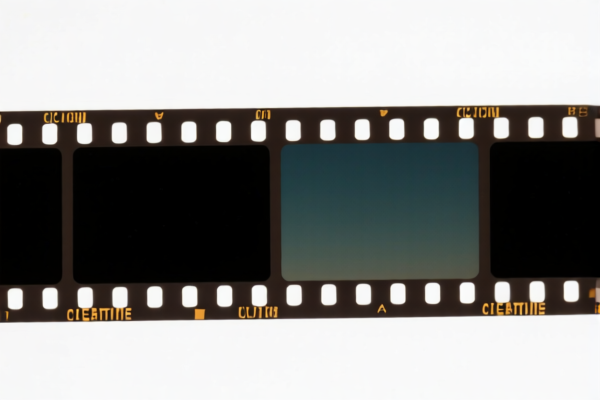

AI分析
🎞️ Color Film for Landscape Photography (Color Negative & Reversal)
🌐 HS Code Reference & Customs Clearance Guide | 2026 Latest Tariff Analysis | Professional Clearance Strategy for Photo Supplies
📌 I. Product Definition & Classification: Is It Really Just "Film"?
Color film, specifically for landscape photography, is a light-sensitive medium crucial for capturing high-resolution, accurate color gradients in natural light. In international trade, it is not a monolithic category but is split based on chemical composition, format, and intended processing type:
- Color Negative Film (Standard Color Film): Used for general landscape photography. It requires negative processing (C-41 process). The resulting image is inverted (positive) after development. This is the most common form for landscape work due to dynamic range and grain structure.
- HS Code Family: 3702 (Photographic film in plates and sheets, other than film of heading 3701 or 3703).
- Color Reversal Film (Slide/Transparency Film): Used for professional landscape photography where direct positives (slides) are desired for projection or scanning. Requires reversal processing.
- HS Code Family: 3702 (Specifically subheading for reversal film).
- Motion Picture Film (Color): Sometimes used in still cameras for experimental landscape shots, but technically classified under cinematic formats.
- HS Code Family: 3706 (Motion picture film, exposed and developed).
⚠️ Key Distinction Point:
- If it is still photography film (35mm roll, medium format roll, or sheet film) for cameras →归入 3702 series.
- If it is motion picture film (even if used creatively by a photographer) →归入 3706 series.
- Note: Unexposed film is generally safer for classification; exposed film faces stricter security and inspection protocols.
📦 II. HS Code Classification Details (2026 Latest Tariff Authority Cross-Reference)
Based on the provided data for "Color Film," here are the precise classifications and tax implications.
| HS Code | Product Description | Applicable Scenario | Key Attributes |
|---|---|---|---|
3704.00.00.00 |
Color Film, Unexposed | General landscape photography, unexposed rolls/sheets. | Material: Photographic base. Form: Rolls/Sheets. |
3702.52.01.30 |
Color Reversal Film (Slide Film) | Professional landscape work requiring slides/positives. | Material: Light-sensitive emulsion. Use: Reversal processing. |
3702.31.01.00 |
Color Negative Film (Rolls/Sheets) | Standard color negative film for landscape photography. | Material: Sensitized material. Format: Rolls/Sheets. |
3706.10.60.60 |
Motion Picture Film, Color | Film used in cameras for motion capture (even if static shots). | Attribute: Cinematic film stock. |
3706.90.00.60 |
Other Motion Picture Film | Catch-all for other cinematic film types not listed elsewhere. | Logic: Residual category for film. |
🔍 Critical Reminder:
-3702codes are for still photography. Landscape photographers typically use 35mm, 120, or 4x5 sheet film falling here.
-3706codes are for cinema. While some photographers use 16mm/35mm cinema film for stills, customs may scrutinize this if the invoice says "still photography film."
-3704is often a residual or specific code for unexposed color film plates/sheets depending on local tariff schedules, but in this context, it represents the broad "Color Film" category.
💰 III. 2026 Latest Tariff Rate Breakdown (Including Surtaxes & Policy Add-ons)
✅ Applicable Country: United States (US)
✅ Origin: China (CN)
✅ Effective Date: November 10, 2025 (and subsequent imports)
⚠️ Note: These tariffs are very high due to Section 301 and IEEPA provisions.
🎯 1. 3704.00.00.00 —— Color Film (General/Unexposed)
| Item | Content |
|---|---|
| Base Tariff | 0.0% (ad valorem) |
| Section 301 Surtax | +25.0% |
| 122-Clause Tariff | +10.0% |
| Total Tax Rate | 35.0% |
| Tax Calculation | CIF Value × 35% |
| De Minimis Eligibility | ❌ Not Eligible (deny_de_minimis) |
| Legal Basis Path | Section 301 → 122-Clause → 3704.00.00.00 |
📌 Explanation:
- The 25% comes from the Trade Act of 1974 (Section 301) targeting Chinese tech/materials.
- The 10% is a specific additional tariff (often referred to as "122-Clause" in internal systems) applied to certain Chinese goods.
- Total 35% is a significant cost increase. No exemption for low-value shipments (de minimis).
🎯 2. 3702.52.01.30 —— Color Reversal Film (Slide Film)
| Item | Content |
|---|---|
| Base Tariff | 3.7% |
| Section 301 Surtax | +25.0% |
| 122-Clause Tariff | +10.0% |
| Total Tax Rate | 38.7% |
| Tax Calculation | CIF Value × 38.7% |
| De Minimis Eligibility | ❌ Not Eligible |
| Legal Basis Path | Section 301 → 122-Clause → 3702.52.01.30 |
📌 Explanation:
- Base tariff is slightly higher (3.7%) than unexposed general film.
- Total 38.7% applies. Slide film is often premium-priced, so this tax hit is substantial on retail value.
🎯 3. 3702.31.01.00 —— Color Negative Film
| Item | Content |
|---|---|
| Base Tariff | 3.7% |
| Section 301 Surtax | +25.0% |
| 122-Clause Tariff | +10.0% |
| Total Tax Rate | 38.7% |
| Tax Calculation | CIF Value × 38.7% |
| De Minimis Eligibility | ❌ Not Eligible |
| Legal Basis Path | Section 301 → 122-Clause → 3702.31.01.00 |
📌 Explanation:
- Same tax structure as slide film. Color negative film for landscape photography is heavily taxed.
🎯 4. 3706.10.60.60 & 3706.90.00.60 —— Motion Picture Film (Color)
| Item | Content |
|---|---|
| Base Tariff | 0.0% |
| Section 301 Surtax | +25.0% |
| 122-Clause Tariff | +10.0% |
| Total Tax Rate | 35.0% |
| Tax Calculation | CIF Value × 35.0% |
| De Minimis Eligibility | ❌ Not Eligible |
| Legal Basis Path | Section 301 → 122-Clause → 3706.* |
📌 Explanation:
- Even though cinema film might seem niche, it is taxed at the same 35% total rate as general color film.
- Warning: Misdeclaring cinema film as "still photography film" (3702) or vice versa can lead to customs audits and penalties.
🛠️ IV. Customs Clearance Practical Advice (Avoiding Pitfalls)
✅ 1. Required Documentation Checklist (Do Not Skip)
| Document | Required | Explanation |
|---|---|---|
| ✅ Product Specification Sheet | ✔️ | Must specify: Film Type (Negative/Reversal), Format (35mm/120/Sheet), Sensitivity (ISO), and Chemical Emulsion type. |
| ✅ HS Code Justification | ✔️ | Link to 3702 (Still) vs 3706 (Cinema). Provide photo of packaging showing "For Photographic Use." |
| ✅ Commercial Invoice | ✔️ | Must clearly state: "Unexposed Color Photographic Film." Avoid vague terms like "Camera Supplies." |
| ✅ Packing List | ✔️ | Detail each roll/box. Ensure quantities match invoice. |
| ✅ Certificate of Origin (CO) | ✔️ | Required to confirm China origin. If from Japan/Germany, tariffs may be lower! |
| ✅ Safety Data Sheet (SDS) | ❌ (Usually not required for unexposed) | Only if chemicals are included. Unexposed film is generally non-hazardous. |
✅ 2. Declaration Tips (Key Mantras)
🔥 “Correct HS Saves Money, Vague Descriptions Kill Profit!”
| Scenario | Correct Declaration | Wrong Approach |
|---|---|---|
| Still Photography Film | 3702.52.01.30 or 3702.31.01.00 |
Misdeclared as 3706 (Cinema) → Audit risk. |
| Cinema Film used for Still | 3706.10.60.60 |
Declared as 3702 → Penalty for misclassification. |
| Bulk Import | Declare per roll/box | Bulk "unspecified film" → Rejection. |
| Origin | Clearly mark "Made in Japan" or "Made in Germany" if applicable | Marking "China" when it's not → Fraud. |
✅ 3. Special Circumstances Handling
| Situation | Handling Advice |
|---|---|
| Non-Chinese Origin | If film is from Kodak (USA), Fujifilm (Japan), or Ilford (UK), check if Section 301 tariffs apply. Often, non-China origins may have 0-10% base rates without surtaxes. |
| Exposed vs. Unexposed | Unexposed is standard. Exposed film is subject to X-ray screening and potential confiscation if it violates privacy/security laws. Assume Unexposed for smooth clearance. |
| Sample Shipments | Even samples are taxed at 35-38.7% if from China. No de minimis exemption. Plan logistics accordingly. |
| Professional/Commercial Use | If importing large quantities for commercial labs, consider duty drawback or FTZ (Foreign Trade Zone) strategies to defer taxes. |
🌍 V. Global Market Clearance Comparison (2026 Latest)
| Country/Region | Recommended HS Code | Tariff (China Origin) | Certification/Notes |
|---|---|---|---|
| 🇺🇸 USA | 3702.52.01.30 / 3704.00.00.00 |
35.0% - 38.7% | High tariffs due to Section 301. Strict enforcement. |
| 🇨🇳 China | 3702.52.01.30 |
~5-10% | Low tariffs for imports. No Section 301. |
| 🇪🇺 EU | 3702 |
0% - 6% | Low tariffs. CE marking not required for film itself. |
| 🇬🇧 UK | 3702 |
0% - 6% | Post-Brexit tariffs similar to EU. |
| 🇯🇵 Japan | 3702 |
0% - 3% | Low tariffs. Fujifilm local production benefits. |
| 🇦🇺 Australia | 3702 |
5% | No special surtaxes. |
📌 Conclusion:
- The USA is the most expensive market for Chinese-origin color film due to 35-38.7% total tariffs.
- Strategy: If possible, source film from Japan, Germany, or the USA to avoid Section 301 surtaxes.
- Cost Impact: A $100 box of film costs $135-$138.70 in duties alone in the US.
📌 VI. Common Mistakes & Pitfalls (Blood & Tears Lessons)
❌ Mistake 1: Declaring "Camera Accessories" instead of "Photographic Film"
👉 Consequence: Misclassification → Penalties + Back Taxes + Delay.
❌ Mistake 2: Ignoring "122-Clause" Tariff
👉 Consequence: Underpaying by 10% → Customs Audit & Fines.
❌ Mistake 3: Mixing Exposed and Unexposed Film in One Shipment
👉 Consequence: Confiscation of exposed rolls due to privacy/security concerns.
❌ Mistake 4: Assuming De Minimis ($800) Applies
👉 Consequence: Full Taxation even on small packages from China. No exemption!
✅ Correct Approach:
“Unexposed Color Negative Film, 35mm, ISO 400, For Still Photography, Made in Japan”
(Note: Origin matters!)
🎯 VII. Conclusion: Smart Classification, Smart Savings!
🎯 Remember the Mantra:
🔹 “Still vs. Cinema: Know Your HS Code!”
🔹 “China Origin = 35%+ Tax! Source Elsewhere to Save!”
🔹 “De Minimis Does Not Apply! Plan for Full Duties!”
📌 Pro Tip:
If you are a landscape photographer importing large quantities, consider group importing or using a bonded warehouse in the US to defer tax payments until film is sold.
Always verify the Country of Origin on the packaging. A small sticker change from "China" to "Japan" can save 25-30% in tariffs.
📣 Immediate Action:
📞 Contact a customs broker with experience in photographic supplies.
🚀 Pre-classify your shipments with an Advance Ruling if importing high volumes.
💰 Calculate landed cost including 35-38.7% tariffs before ordering.
✨ Professional Clearance Starts with Precise Classification!
💼 Every Dollar Saved in Tariffs is a Dollar Added to Your Bottom Line!
用户评价
关于 HS 编码归类
协调制度(HS)是由世界海关组织(WCO)制定的国际贸易商品分类标准。全球 200 多个国家采用 HS 系统作为海关关税、贸易统计和进出口监管的基础。
每个 HS 编码遵循以下层级结构:
- 章(2 位)——商品大类(例如:第 84 章:机器和机械设备)
- 品目(4 位)——章内的更具体分类
- 子目(6 位)——国际通用细分,所有 WCO 成员国统一使用
- 本国细分(8-10 位)——各国自行扩展的细分编码,如美国 HTSUS 10 位编码
正确的 HS 编码归类对于顺利通关、准确缴纳关税和遵守贸易法规至关重要。错误归类可能导致海关延误、多缴关税或罚款。
从CN进口到US时,适用的关税税率可能包括:
- 最惠国(MFN)税率——适用于 WTO 成员国的标准关税税率
- 普通税率——适用于无贸易协定国家
- 贸易救济关税——附加关税,如 301 条款(反倾销)、232 条款(国家安全)或反补贴税
本页内容仅供参考。如需正式归类,请咨询当地海关或持牌报关代理。