Color Film Landscape Photography
CN → US| HS Code | Tariff Rate | Origin | Destination | Doc |
|---|---|---|---|---|
| 3704000000 | 35.0% | CN | US | Official Doc |
| 3702520130 | 38.7% | CN | US | Official Doc |
| 3702310100 | 38.7% | CN | US | Official Doc |
| 3706106060 | 35.0% | CN | US | Official Doc |
| 3706900060 | 35.0% | CN | US | Official Doc |
Product Images
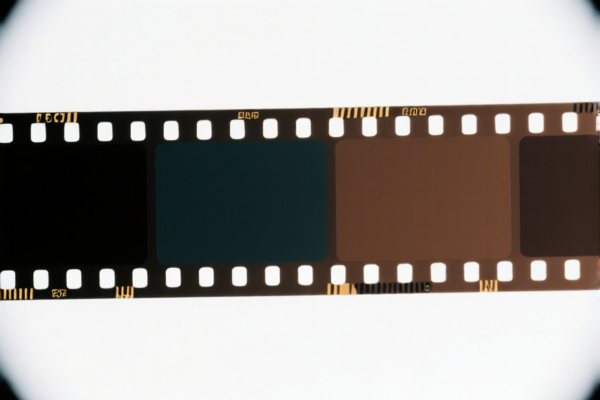
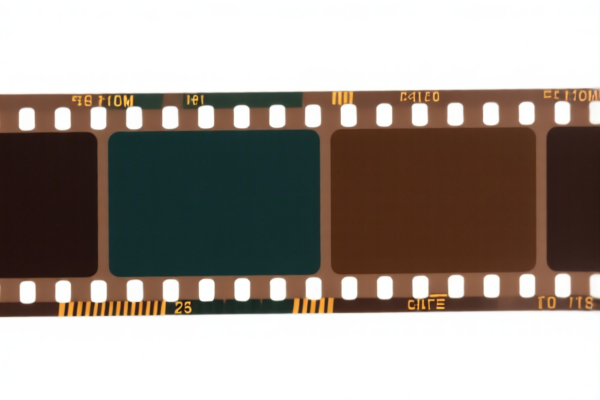
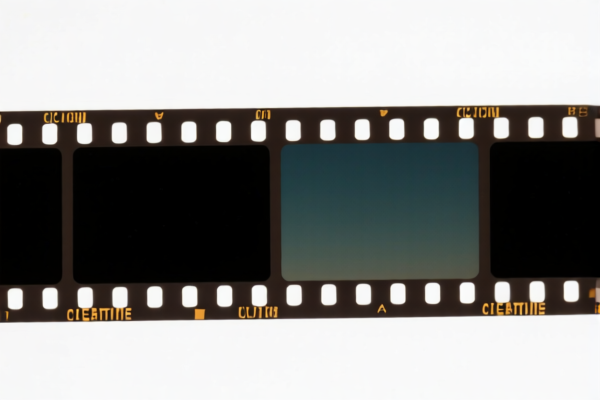

AI Analysis
🎞️ Color Film for Landscape Photography (Color Negative & Reversal)
🌐 HS Code Reference & Customs Clearance Guide | 2026 Latest Tariff Analysis | Professional Clearance Strategy for Photo Supplies
📌 I. Product Definition & Classification: Is It Really Just "Film"?
Color film, specifically for landscape photography, is a light-sensitive medium crucial for capturing high-resolution, accurate color gradients in natural light. In international trade, it is not a monolithic category but is split based on chemical composition, format, and intended processing type:
- Color Negative Film (Standard Color Film): Used for general landscape photography. It requires negative processing (C-41 process). The resulting image is inverted (positive) after development. This is the most common form for landscape work due to dynamic range and grain structure.
- HS Code Family: 3702 (Photographic film in plates and sheets, other than film of heading 3701 or 3703).
- Color Reversal Film (Slide/Transparency Film): Used for professional landscape photography where direct positives (slides) are desired for projection or scanning. Requires reversal processing.
- HS Code Family: 3702 (Specifically subheading for reversal film).
- Motion Picture Film (Color): Sometimes used in still cameras for experimental landscape shots, but technically classified under cinematic formats.
- HS Code Family: 3706 (Motion picture film, exposed and developed).
⚠️ Key Distinction Point:
- If it is still photography film (35mm roll, medium format roll, or sheet film) for cameras →归入 3702 series.
- If it is motion picture film (even if used creatively by a photographer) →归入 3706 series.
- Note: Unexposed film is generally safer for classification; exposed film faces stricter security and inspection protocols.
📦 II. HS Code Classification Details (2026 Latest Tariff Authority Cross-Reference)
Based on the provided data for "Color Film," here are the precise classifications and tax implications.
| HS Code | Product Description | Applicable Scenario | Key Attributes |
|---|---|---|---|
3704.00.00.00 |
Color Film, Unexposed | General landscape photography, unexposed rolls/sheets. | Material: Photographic base. Form: Rolls/Sheets. |
3702.52.01.30 |
Color Reversal Film (Slide Film) | Professional landscape work requiring slides/positives. | Material: Light-sensitive emulsion. Use: Reversal processing. |
3702.31.01.00 |
Color Negative Film (Rolls/Sheets) | Standard color negative film for landscape photography. | Material: Sensitized material. Format: Rolls/Sheets. |
3706.10.60.60 |
Motion Picture Film, Color | Film used in cameras for motion capture (even if static shots). | Attribute: Cinematic film stock. |
3706.90.00.60 |
Other Motion Picture Film | Catch-all for other cinematic film types not listed elsewhere. | Logic: Residual category for film. |
🔍 Critical Reminder:
-3702codes are for still photography. Landscape photographers typically use 35mm, 120, or 4x5 sheet film falling here.
-3706codes are for cinema. While some photographers use 16mm/35mm cinema film for stills, customs may scrutinize this if the invoice says "still photography film."
-3704is often a residual or specific code for unexposed color film plates/sheets depending on local tariff schedules, but in this context, it represents the broad "Color Film" category.
💰 III. 2026 Latest Tariff Rate Breakdown (Including Surtaxes & Policy Add-ons)
✅ Applicable Country: United States (US)
✅ Origin: China (CN)
✅ Effective Date: November 10, 2025 (and subsequent imports)
⚠️ Note: These tariffs are very high due to Section 301 and IEEPA provisions.
🎯 1. 3704.00.00.00 —— Color Film (General/Unexposed)
| Item | Content |
|---|---|
| Base Tariff | 0.0% (ad valorem) |
| Section 301 Surtax | +25.0% |
| 122-Clause Tariff | +10.0% |
| Total Tax Rate | 35.0% |
| Tax Calculation | CIF Value × 35% |
| De Minimis Eligibility | ❌ Not Eligible (deny_de_minimis) |
| Legal Basis Path | Section 301 → 122-Clause → 3704.00.00.00 |
📌 Explanation:
- The 25% comes from the Trade Act of 1974 (Section 301) targeting Chinese tech/materials.
- The 10% is a specific additional tariff (often referred to as "122-Clause" in internal systems) applied to certain Chinese goods.
- Total 35% is a significant cost increase. No exemption for low-value shipments (de minimis).
🎯 2. 3702.52.01.30 —— Color Reversal Film (Slide Film)
| Item | Content |
|---|---|
| Base Tariff | 3.7% |
| Section 301 Surtax | +25.0% |
| 122-Clause Tariff | +10.0% |
| Total Tax Rate | 38.7% |
| Tax Calculation | CIF Value × 38.7% |
| De Minimis Eligibility | ❌ Not Eligible |
| Legal Basis Path | Section 301 → 122-Clause → 3702.52.01.30 |
📌 Explanation:
- Base tariff is slightly higher (3.7%) than unexposed general film.
- Total 38.7% applies. Slide film is often premium-priced, so this tax hit is substantial on retail value.
🎯 3. 3702.31.01.00 —— Color Negative Film
| Item | Content |
|---|---|
| Base Tariff | 3.7% |
| Section 301 Surtax | +25.0% |
| 122-Clause Tariff | +10.0% |
| Total Tax Rate | 38.7% |
| Tax Calculation | CIF Value × 38.7% |
| De Minimis Eligibility | ❌ Not Eligible |
| Legal Basis Path | Section 301 → 122-Clause → 3702.31.01.00 |
📌 Explanation:
- Same tax structure as slide film. Color negative film for landscape photography is heavily taxed.
🎯 4. 3706.10.60.60 & 3706.90.00.60 —— Motion Picture Film (Color)
| Item | Content |
|---|---|
| Base Tariff | 0.0% |
| Section 301 Surtax | +25.0% |
| 122-Clause Tariff | +10.0% |
| Total Tax Rate | 35.0% |
| Tax Calculation | CIF Value × 35.0% |
| De Minimis Eligibility | ❌ Not Eligible |
| Legal Basis Path | Section 301 → 122-Clause → 3706.* |
📌 Explanation:
- Even though cinema film might seem niche, it is taxed at the same 35% total rate as general color film.
- Warning: Misdeclaring cinema film as "still photography film" (3702) or vice versa can lead to customs audits and penalties.
🛠️ IV. Customs Clearance Practical Advice (Avoiding Pitfalls)
✅ 1. Required Documentation Checklist (Do Not Skip)
| Document | Required | Explanation |
|---|---|---|
| ✅ Product Specification Sheet | ✔️ | Must specify: Film Type (Negative/Reversal), Format (35mm/120/Sheet), Sensitivity (ISO), and Chemical Emulsion type. |
| ✅ HS Code Justification | ✔️ | Link to 3702 (Still) vs 3706 (Cinema). Provide photo of packaging showing "For Photographic Use." |
| ✅ Commercial Invoice | ✔️ | Must clearly state: "Unexposed Color Photographic Film." Avoid vague terms like "Camera Supplies." |
| ✅ Packing List | ✔️ | Detail each roll/box. Ensure quantities match invoice. |
| ✅ Certificate of Origin (CO) | ✔️ | Required to confirm China origin. If from Japan/Germany, tariffs may be lower! |
| ✅ Safety Data Sheet (SDS) | ❌ (Usually not required for unexposed) | Only if chemicals are included. Unexposed film is generally non-hazardous. |
✅ 2. Declaration Tips (Key Mantras)
🔥 “Correct HS Saves Money, Vague Descriptions Kill Profit!”
| Scenario | Correct Declaration | Wrong Approach |
|---|---|---|
| Still Photography Film | 3702.52.01.30 or 3702.31.01.00 |
Misdeclared as 3706 (Cinema) → Audit risk. |
| Cinema Film used for Still | 3706.10.60.60 |
Declared as 3702 → Penalty for misclassification. |
| Bulk Import | Declare per roll/box | Bulk "unspecified film" → Rejection. |
| Origin | Clearly mark "Made in Japan" or "Made in Germany" if applicable | Marking "China" when it's not → Fraud. |
✅ 3. Special Circumstances Handling
| Situation | Handling Advice |
|---|---|
| Non-Chinese Origin | If film is from Kodak (USA), Fujifilm (Japan), or Ilford (UK), check if Section 301 tariffs apply. Often, non-China origins may have 0-10% base rates without surtaxes. |
| Exposed vs. Unexposed | Unexposed is standard. Exposed film is subject to X-ray screening and potential confiscation if it violates privacy/security laws. Assume Unexposed for smooth clearance. |
| Sample Shipments | Even samples are taxed at 35-38.7% if from China. No de minimis exemption. Plan logistics accordingly. |
| Professional/Commercial Use | If importing large quantities for commercial labs, consider duty drawback or FTZ (Foreign Trade Zone) strategies to defer taxes. |
🌍 V. Global Market Clearance Comparison (2026 Latest)
| Country/Region | Recommended HS Code | Tariff (China Origin) | Certification/Notes |
|---|---|---|---|
| 🇺🇸 USA | 3702.52.01.30 / 3704.00.00.00 |
35.0% - 38.7% | High tariffs due to Section 301. Strict enforcement. |
| 🇨🇳 China | 3702.52.01.30 |
~5-10% | Low tariffs for imports. No Section 301. |
| 🇪🇺 EU | 3702 |
0% - 6% | Low tariffs. CE marking not required for film itself. |
| 🇬🇧 UK | 3702 |
0% - 6% | Post-Brexit tariffs similar to EU. |
| 🇯🇵 Japan | 3702 |
0% - 3% | Low tariffs. Fujifilm local production benefits. |
| 🇦🇺 Australia | 3702 |
5% | No special surtaxes. |
📌 Conclusion:
- The USA is the most expensive market for Chinese-origin color film due to 35-38.7% total tariffs.
- Strategy: If possible, source film from Japan, Germany, or the USA to avoid Section 301 surtaxes.
- Cost Impact: A $100 box of film costs $135-$138.70 in duties alone in the US.
📌 VI. Common Mistakes & Pitfalls (Blood & Tears Lessons)
❌ Mistake 1: Declaring "Camera Accessories" instead of "Photographic Film"
👉 Consequence: Misclassification → Penalties + Back Taxes + Delay.
❌ Mistake 2: Ignoring "122-Clause" Tariff
👉 Consequence: Underpaying by 10% → Customs Audit & Fines.
❌ Mistake 3: Mixing Exposed and Unexposed Film in One Shipment
👉 Consequence: Confiscation of exposed rolls due to privacy/security concerns.
❌ Mistake 4: Assuming De Minimis ($800) Applies
👉 Consequence: Full Taxation even on small packages from China. No exemption!
✅ Correct Approach:
“Unexposed Color Negative Film, 35mm, ISO 400, For Still Photography, Made in Japan”
(Note: Origin matters!)
🎯 VII. Conclusion: Smart Classification, Smart Savings!
🎯 Remember the Mantra:
🔹 “Still vs. Cinema: Know Your HS Code!”
🔹 “China Origin = 35%+ Tax! Source Elsewhere to Save!”
🔹 “De Minimis Does Not Apply! Plan for Full Duties!”
📌 Pro Tip:
If you are a landscape photographer importing large quantities, consider group importing or using a bonded warehouse in the US to defer tax payments until film is sold.
Always verify the Country of Origin on the packaging. A small sticker change from "China" to "Japan" can save 25-30% in tariffs.
📣 Immediate Action:
📞 Contact a customs broker with experience in photographic supplies.
🚀 Pre-classify your shipments with an Advance Ruling if importing high volumes.
💰 Calculate landed cost including 35-38.7% tariffs before ordering.
✨ Professional Clearance Starts with Precise Classification!
💼 Every Dollar Saved in Tariffs is a Dollar Added to Your Bottom Line!
Customer Reviews
About HS Code Classification
The Harmonized System (HS) is an internationally standardized nomenclature developed by the World Customs Organization (WCO) to classify traded products. Over 200 countries use the HS system as the basis for customs tariffs, trade statistics, and import/export regulations.
Each HS code follows a hierarchical structure:
- Chapter (2 digits) — Broad category of goods (e.g., Chapter 84: Machinery and Mechanical Appliances)
- Heading (4 digits) — More specific grouping within the chapter
- Subheading (6 digits) — Internationally standardized breakdown, used by all WCO member countries
- National subdivisions (8-10 digits) — Country-specific extensions for further classification, such as US HTSUS 10-digit codes
Correct HS code classification is essential for smooth customs clearance, accurate duty payment, and compliance with trade regulations. Misclassification can lead to customs delays, overpayment of duties, or penalties.
When importing from CN to US, the applicable tariff rates may include:
- Most-Favored-Nation (MFN) rate — The standard duty rate applied to WTO members
- General rate — Applied to countries without trade agreements
- Trade remedy duties — Additional tariffs such as Section 301 (anti-dumping), Section 232 (national security), or countervailing duties
The information provided on this page is for reference purposes only. For official classification, please consult with your local customs authority or a licensed customs broker.