Color Film Roll (Low Grain)
CN → US| HS编码 | 关税税率 | 原产国 | 目的国 | 文档 |
|---|---|---|---|---|
| 3702390100 | 38.7% | CN | US | 官方文档 |
| 3702980000 | 38.7% | CN | US | 官方文档 |
| 3919102055 | 40.8% | CN | US | 官方文档 |
| 3920100000 | 39.2% | CN | US | 官方文档 |
| 3920200055 | 39.2% | CN | US | 官方文档 |
| 3919905060 | 40.8% | CN | US | 官方文档 |
商品图片
AI分析
🎞️ Color Film Roll (Low Grain)
🌐 HS Code Reference & Customs Clearance Guide | 2026 Latest Tariff Analysis | Professional Strategy for Sensitised Materials
📌 I. Product Definition & Classification: Decoding "Color Film"
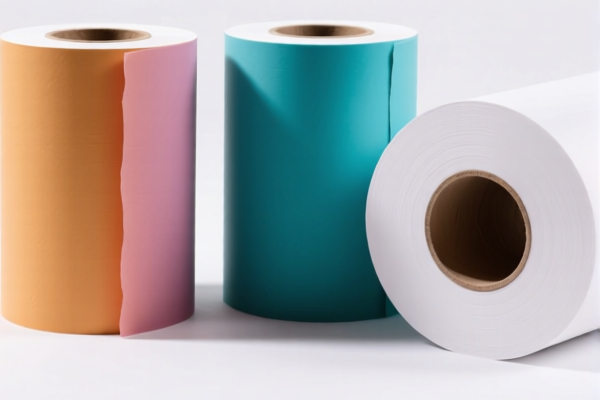
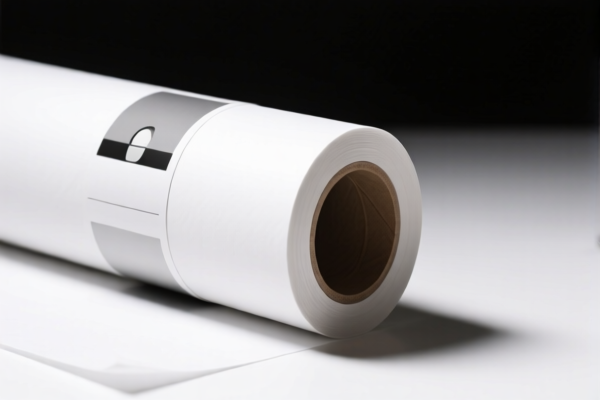
"Color Film Roll (Low Grain)" refers to photographic film sensitized on a plastic base, designed for capturing color images with minimal visual noise (grain). In international trade, the classification depends heavily on two factors: 1. Form & Use: Is it strictly for photographic/sensitizing purposes (Chapter 37) or treated as a general plastic film (Chapter 39)? 2. Material Base: What is the backing material? (Usually cellulose acetate or polyester).
⚠️ Key Distinction:
- Chapter 37 (3702): Correct for sensitised photographic film intended for imaging. This is the primary classification for "Low Grain" film used in photography/cinema. - Chapter 39 (3919/3920): Incorrect unless the film is un-sensitised (plain plastic film) or used for non-photographic industrial purposes (e.g., protective wrapping). Misclassification here leads to severe penalties.
📦 II. HS Code Classification Details (2026 Latest Tariff Authority)
| HS Code | Product Description | Applicable Scenario | Sensitised? |
|---|---|---|---|
3702.39.01.00 |
Sensitised photographic film, in rolls, of any material other than paper, paperboard or textiles (Other) | Specific sub-category for general sensitised film rolls not covered by other specific sub-headings. | ✅ Yes |
3702.98.00.00 |
Sensitised photographic film, in rolls, of any material other than paper, paperboard or textiles (Other) | Catch-all for sensitised film rolls not specified elsewhere. | ✅ Yes |
3919.10.20.55 |
Self-adhesive plates, sheets, film, foil, strip and other flat shapes, of plastics, in rolls of any length... (Other) | Risky: If customs determines the "film" is plastic-based but un-sensitised or used for industrial labeling/packaging rather than photography. | ❌ No (or Disputed) |
3920.10.00.00 |
Other plates, sheets, film, foil and strip, of polymers of ethylene | Risky: Applies if the base is polyethylene and it is deemed a plain plastic film, not sensitised photographic material. | ❌ No |
3920.20.00.55 |
Other plates, sheets, film, foil and strip, of polymers of propylene | Risky: Similar to above, applies to polypropylene plain films. | ❌ No |
3919.90.50.60 |
Self-adhesive plates, sheets, film, foil, strip and other flat shapes, of plastics, in rolls... (Other) | Risky: General plastic film category. Often used as a fallback if the photographic nature cannot be proven. | ❌ No |
🔍 Key Reminder:
- "Low Grain" implies a photographic quality attribute. Therefore, Chapter 37 (3702) is the correct legal classification for sensitised film. - Classifying under Chapter 39 is only acceptable if the film is un-sensitised (plain plastic) or if the importer falsely declares it as a non-photographic plastic product to avoid higher scrutiny (high risk).
💰 III. 2026 Latest Tariff Rate Breakdown (Including Surcharges & Policy Add-ons)
✅ Applicable Country: United States (US)
✅ Origin: China (CN)
✅ Effective Date: From November 10, 2025 (for imports)
🎯 1. Correct Classification: 3702.39.01.00 & 3702.98.00.00 (Sensitised Film)
| Item | Content |
|---|---|
| Base Tariff Rate | 3.7% (Ad Valorem) |
| Section 301 Surcharge | +25.0% (From USITC Footnote) |
| 122 Clause Surcharge | +10.0% (Section 122 of the Trade Act) |
| Total Effective Rate | 38.7% |
| Tax Calculation | CIF Value × 38.7% |
| De Minimis Exemption? | ❌ No (Not eligible for $800 de minimis) |
| Legal Basis Path | Section 301: 9903.88.01 → Section 122: 10% → USITC: 3702.39.01.00 / 3702.98.00.00 |
📌 Explanation:
- 3.7% Base: Standard MFN rate for photographic film. - 25% Surcharge: Section 301 tariffs on Chinese goods (List 3/4). - 10% Surcharge: Section 122 tariffs (national security/trade defense). - Total 38.7%: This is a high-cost entry. Proper classification is critical to justify this rate rather than facing higher penalties for misclassification.
🎯 2. Incorrect/Risky Classification: Chapter 39 Codes (e.g., 3919.10.20.55, 3920.10.00.00)
| Item | Content |
|---|---|
| Base Tariff Rate | 4.2% - 5.8% (Depends on specific plastic polymer) |
| Section 301 Surcharge | +25.0% |
| 122 Clause Surcharge | +10.0% |
| Total Effective Rate | 39.2% - 40.8% |
| Tax Calculation | CIF Value × Rate |
| De Minimis Exemption? | ❌ No |
| Legal Basis Path | Section 301 → Section 122 → USITC: 39xx.xxxx.xxxx |
📌 Warning:
- While the total rate (39.2%-40.8%) is slightly higher than the correct Chapter 37 rate (38.7%), the legal risk is massive. - Customs may audit the "sensitised" nature. If you declare as3920.10.00.00(Polyethylene film) but it is actually sensitised photographic film, it is misdeclaration. - Consequence: Penalty + Back Taxes + Potential Fraud Charges.
🛠️ IV. Customs Clearance Practical Advice (Real-World Pitfall Guide)
✅ 1. Required Documentation Checklist
| Document | Must Provide | Explanation |
|---|---|---|
| ✅ Product Spec Sheet | ✔️ | Must explicitly state "Sensitised Photographic Film", "Color", "Low Grain", "Base Material (Acetate/Polyester)". |
| ✅ Manufacturer Invoice | ✔️ | Clearly describe as "Photographic Film Roll" not "Plastic Film Roll". |
| ✅ HS Code Justification Memo | ✔️ | Explain why Chapter 37 applies (sensitised emulsion layer). |
| ✅ Photos of Product | ✔️ | Show the roll, packaging, and any markings indicating photographic use. |
| ✅ Certificate of Origin | ✔️ | Confirm Chinese origin to apply Section 301 & 122 correctly. |
✅ 2. Declaration Tips (Critical Mnemonics)
🔥 "Film is Photo, Not Plastic; Emulsion is Key, Don't Pass!"
| Scenario | Correct Declaration | Wrong Declaration |
|---|---|---|
| Sensitised Color Film | 3702.39.01.00 or 3702.98.00.00 |
3920.10.00.00 (Plastic Film) |
| Un-sensitised Plastic Roll | 3920.10.00.00 |
3702.98.00.00 (Misuse) |
| Film + Camera Kit | Declare Kit or separate | Splitting incorrectly |
✅ 3. Special Case Handling
| Situation | Handling Advice |
|---|---|
| OEM/Contract Film | Provide contract showing end-use for photography. |
| Sample Rolls | Still subject to 38.7% tariff. Do not declare as "Free Sample" to avoid suspicion. |
| Industrial Scanning Film | If used for medical/industrial imaging, still Chapter 37. Provide proof of emulsion. |
| High-Volume Import | Consider Advance Ruling from CBP to lock in the HS Code and avoid post-entry audits. |
🌍 V. Global Market Clearance Comparison (2026 Latest)
| Country/Region | Recommended HS Code | Tariff Rate (China Origin) | Certification Requirement | Notes |
|---|---|---|---|---|
| 🇺🇸 USA | 3702.39.01.00 / 3702.98.00.00 |
38.7% | None specific | High tariff due to 301/122. |
| 🇨🇳 China | 3702.39.00.00 |
5% - 10% | CCC (if applicable) | Standard import. |
| 🇪🇺 EU | 3702.39.00 / 3702.99.00 |
0% - 4% | None | No additional surcharges. |
| 🇬🇧 UK | 3702.39.00 / 3702.99.00 |
0% - 4% | None | Post-Brexit, no US-style surcharges. |
| 🇦🇺 Australia | 3702.39.00 / 3702.99.00 |
5% | None | Moderate duty. |
📌 Conclusion:
- USA is the most challenging market due to the 38.7% combined tariff. - Chapter 37 is the only compliant classification for sensitised film. - Misclassifying as Chapter 39 plastics may seem cheaper initially but carries high legal risk and potential penalties exceeding the tax difference.
📌 VI. Common Errors & Pitfall Guide (Lessons Learned)
❌ Mistake 1: Declaring "Sensitised Film" as "Plastic Film Roll" (3920.10.00.00)
👉 Consequence: Customs audit reveals emulsion layer → Penalty + Back Taxes + Interest.
❌ Mistake 2: Ignoring Section 122 (10%) in tariff calculation
👉 Consequence: Underpayment → Audit Trigger.
❌ Mistake 3: Using "Photographic Material" vaguely without specifying "Roll/Sensitised"
👉 Consequence: Delay in clearance → Demurrage Charges.
❌ Mistake 4: Assuming "Low Grain" means a special sub-code
👉 Consequence: No special code exists; it falls under general "Other" sub-headings (3702.39 or 3702.98).
✅ Correct Practice:
"Sensitised Color Photographic Film, Roll, Polyester Base, Low Grain, for Cinematic Use, Model XYZ, Origin China"
🎯 VII. Conclusion: Precise Classification Saves Millions!
🎯 Remember the Mantra:
🔹 "Sensitised = Chapter 37, Not Plastic; 38.7% is the Cost, Misdeclaration is the Loss!"
🔹 "Low Grain is Quality, Not a Code; Declare Photo, Not Plastic, Avoid the Road!"
📌 Pro Tip:
- For large-volume imports, file an Advance Ruling with US CBP to confirm the HS Code and tariff application.
- Ensure your commercial invoice matches the packaging and product description exactly.
- Do not attempt to hide the sensitised nature under Chapter 39. The risk is not worth the minor rate difference.
📣 Immediate Action:
📞 Consult a licensed customs broker.
📄 Prepare detailed product specifications highlighting "Sensitised" and "Photographic Use".
🚀 Clear Customs Smoothly, Protect Your Margins!
✨ Professional Clearance Starts with Accurate Classification!
💼 Every Percent Counts in International Trade!
用户评价
关于 HS 编码归类
协调制度(HS)是由世界海关组织(WCO)制定的国际贸易商品分类标准。全球 200 多个国家采用 HS 系统作为海关关税、贸易统计和进出口监管的基础。
每个 HS 编码遵循以下层级结构:
- 章(2 位)——商品大类(例如:第 84 章:机器和机械设备)
- 品目(4 位)——章内的更具体分类
- 子目(6 位)——国际通用细分,所有 WCO 成员国统一使用
- 本国细分(8-10 位)——各国自行扩展的细分编码,如美国 HTSUS 10 位编码
正确的 HS 编码归类对于顺利通关、准确缴纳关税和遵守贸易法规至关重要。错误归类可能导致海关延误、多缴关税或罚款。
从CN进口到US时,适用的关税税率可能包括:
- 最惠国(MFN)税率——适用于 WTO 成员国的标准关税税率
- 普通税率——适用于无贸易协定国家
- 贸易救济关税——附加关税,如 301 条款(反倾销)、232 条款(国家安全)或反补贴税
本页内容仅供参考。如需正式归类,请咨询当地海关或持牌报关代理。