Color Photosensitive Emulsion Dispersion
CN → US| HS编码 | 关税税率 | 原产国 | 目的国 | 文档 |
|---|---|---|---|---|
| 8479820080 | 35.0% | CN | US | 官方文档 |
| 8479820040 | 35.0% | CN | US | 官方文档 |
| 3824994900 | 41.5% | CN | US | 官方文档 |
| 3824997000 | 35.0% | CN | US | 官方文档 |
商品图片
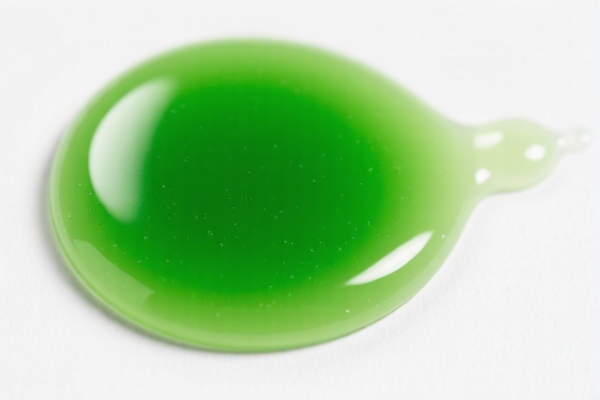
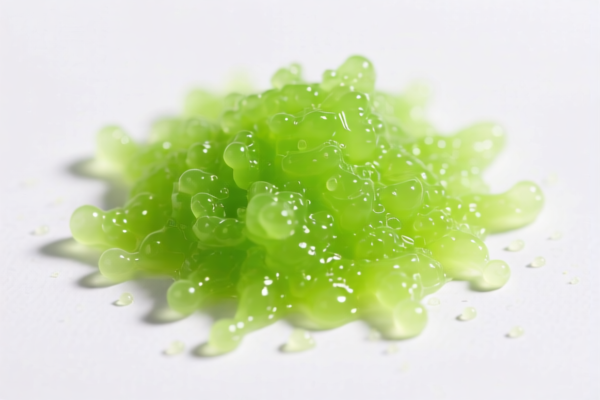
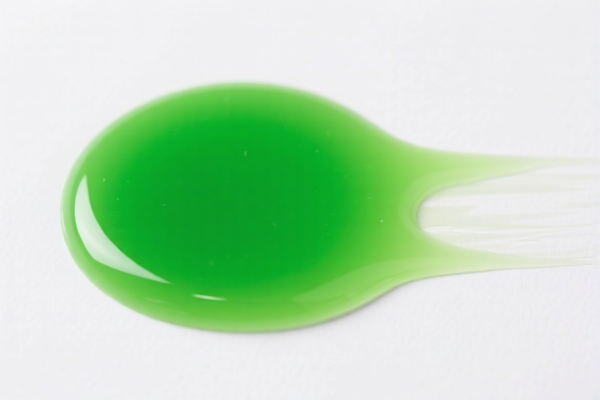
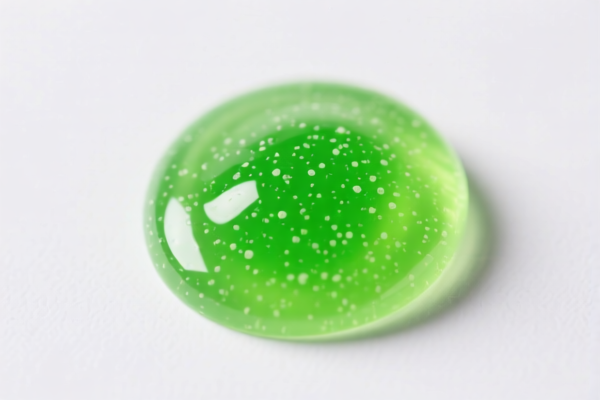
AI分析
🎞️ Color Photosensitive Emulsion Dispersion (感光乳剂分散剂/乳液分散剂)
🌐 HS Code Reference & Customs Clearance Guide | 2026 Latest Tariff Analysis | Professional Clearance Strategy
📌 I. Product Definition & Classification: Do You Really Understand "Emulsion Dispersion"?
Color Photosensitive Emulsion Dispersion is a critical chemical auxiliary agent used in the manufacturing of photo-sensitive materials (such as photographic paper, film, or printing plates). Its primary function is to facilitate the emulsification, homogenization, and stabilization of light-sensitive silver halide particles within a medium.
In international trade, this product is often debated between two main categories: 1. Machinery Parts/Accessories (Chapter 84): If the classification logic leans towards its application in emulsifying or stirring machinery as a chemical processing aid. 2. Chemical Products/Preparations (Chapter 38): If the classification leans towards it being a chemical preparation or auxiliary agent for the chemical industry.
⚠️ Key Distinction Point:
- If the product is described primarily by its function in mechanical emulsification processes (acting as a processing aid for the machine's operation), it may fall under 8479.
- If the product is described primarily by its chemical composition (a preparation of emulsifiers/dispersants for chemical industrial use), it falls under 3824.
- Critical Note: The "122 Clauses" tariff (10%) and "Section 301" tariff (25%) apply to both paths for Chinese-origin goods, significantly impacting the final landed cost.
📦 II. HS Code Classification Details (Latest 2026 Tariff Authority Comparison)
| HS Code | Product Description | Application Scenario | Classification Logic |
|---|---|---|---|
8479.82.00.80 |
Photosensitive emulsion dispersion; chemical auxiliary; function involves emulsification processes, conforming to homogenization/emulsification usage descriptions. | Chemical processing aids for emulsification equipment; intermediate chemical treatment. | ⚙️ Machinery/Process Aid: Focuses on the function in emulsifying/homogenizing processes. |
8479.82.00.40 |
Photosensitive emulsion dispersion; chemical auxiliary; function consistent with chemical treatment logic related to emulsifying or stirring machines. | Auxiliary for stirring/emulsifying machinery; chemical processing support. | ⚙️ Machinery/Process Aid: Focuses on the logical consistency with stirring/emulsifying machine operations. |
3824.99.49.00 |
Emulsion dispersion for photosensitive paper; belongs to chemical industry preparations; fits the category of other unspecified chemical products. | General chemical auxiliary for photographic paper manufacturing; unspecified chemical preparation. | 🧪 Chemical Preparation: Focuses on the chemical nature as an unspecified industrial chemical. |
3824.99.70.00 |
Emulsion dispersion for photosensitive paper; belongs to chemical industry preparations; fits the definition of unspecified/included chemical preparations. | Broad chemical auxiliary; included in "other chemical preparations" not elsewhere specified. | 🧪 Chemical Preparation: Focuses on the broad chemical classification under unspecified preparations. |
🔍 Key Reminder:
- The difference lies in whether the customs authority prioritizes the mechanical processing function (8479) or the chemical substance nature (3824).
- Both paths incur high tariffs due to US-China trade policies. The choice affects the base tariff (0% vs 6.5%) but the additional tariffs are similar.
💰 III. 2026 Latest Tariff Rate Breakdown (Including Surtaxes & Policy Additions)
✅ Applicable Country: United States (US)
✅ Origin: China (CN)
✅ Effective Time: 2025/2026 Import Cycle
🎯 1. 8479.82.00.80 & 8479.82.00.40 —— Machinery/Process Aids
| Item | Content |
|---|---|
| Base Tariff | 0.0% (ad valorem) |
| Section 301 Surcharge | +25.0% (USITC Footnote 9903.88.01 / Section 301) |
| Section 122 Tariff | +10.0% (Specific clause for certain chemical/process aids) |
| Total Tariff | 35.0% |
| Tax Calculation | CIF Value × 35% |
| De Minimis Exemption | ❌ Not Eligible (Deny de minimis for high-tariff goods) |
| Legal Basis Path | Section 301: 9903.88.01 → Section 122: 9903.01.25 → USITC: 8479.82.00.80/40 |
📌 Explanation:
- Although the base tariff is 0%, the Section 301 (25%) and Section 122 (10%) surcharges bring the total to 35%.
- This classification is often used when the importer wants to argue that the product is primarily a processing aid for machinery rather than a standalone chemical product.
- Cost Impact: High, but slightly lower than the 3824 path if base rates were higher (here base is 0, so it's 35% vs 41.5%).
🎯 2. 3824.99.49.00 & 3824.99.70.00 —— Chemical Preparations
| Item | Content |
|---|---|
| Base Tariff | 6.5% (for 3824.99.49.00) / 0.0% (for 3824.99.70.00) |
| Section 301 Surcharge | +25.0% (USITC Footnote 9903.88.01 / Section 301) |
| Section 122 Tariff | +10.0% (Specific clause for chemical products) |
| Total Tariff | 41.5% (for .49) / 35.0% (for .70) |
| Tax Calculation | CIF Value × Total Rate |
| De Minimis Exemption | ❌ Not Eligible |
| Legal Basis Path | Section 301: 9903.88.01 → Section 122: 9903.01.25 → USITC: 3824.99.49.00/70.00 |
📌 Note:
-3824.99.49.00: Has a 6.5% base rate, so total is 41.5%.
-3824.99.70.00: Has a 0% base rate, so total is 35.0%.
- Recommendation: If classifying under Chapter 38, ensure the product fits the "unspecified chemical preparation" definition to potentially qualify for 3824.99.70.00 (35% total) to save costs. However, many customs brokers prefer 8479 to avoid the 6.5% base if the chemical nature is debatable.
🛠️ IV. Customs Clearance Practical Advice (Real-World Pitfall Avoidance)
✅ 1. Documentation Checklist (Non-Negotiable)
| Document | Required | Description |
|---|---|---|
| ✅ Product Specification Sheet | ✔️ | Must detail chemical composition, function (emulsifying/dispersing), and application (photosensitive material). |
| ✅ Formula/Composition List | ✔️ | Crucial for determining if it's a chemical preparation (3824) or a process aid (8479). |
| ✅ Product Photos | ✔️ | Show packaging, label, and any technical data plates. |
| ✅ Third-Party Test Report | ✔️ | SDS (Safety Data Sheet) is mandatory for chemical products. |
| ✅ Commercial Invoice | ✔️ | Clearly state "Photosensitive Emulsion Dispersion" and its industrial use. |
| ✅ Bill of Lading | ✔️ | Consistent with invoice and packing list. |
✅ 2. Declaration Strategy (Key Mantra)
🔥 "Function First, Chemistry Second; Base Rate Matters!"
| Scenario | Correct Declaration Strategy | Wrong Approach |
|---|---|---|
| Emphasize Mechanical Function | Declare as 8479.82.00 (Process Aid for Emulsifying/Homogenizing). Highlight "auxiliary for machinery." | Declaring as "Chemical" when function is mechanical → Potential reclassification risk. |
| Emphasize Chemical Nature | Declare as 3824.99.70.00 if base rate is 0% → Total 35%. Avoid 3824.99.49.00 (41.5%) unless necessary. | Using 3824.99.49.00 unknowingly → Pay extra 6.5% base tariff. |
| Product Description | "Chemical auxiliary for emulsification process, used in photosensitive paper manufacturing." | "Chemical emulsion" or "Liquid" → Too vague, leads to audits. |
| Origin Declaration | Must declare China (CN) to trigger accurate Section 301/122 rates. | Misdeclaring origin → Penalties + Higher Tariffs. |
✅ 3. Special Circumstances Handling
| Situation | Handling Advice |
|---|---|
| High Base Rate Risk | If using 3824.99.49.00, the total tax is 41.5%. Try to justify classification under 3824.99.70.00 (35%) or 8479.82.00 (35%) through detailed technical arguments. |
| Section 122 Applicability | Ensure the product falls under the specific scope of Section 122. If it's a generic chemical not listed, it may not qualify for the 10% surcharge (but might fall under higher Section 301 only). Check latest USITC lists. |
| Pre-Ruling Application | Highly Recommended. File for an Advance Ruling with CBP to determine whether the product is 8479 or 3824. This prevents post-clearance audits and penalty risks. |
| Chemical vs. Process Aid | If the product is sold as a "dispersant" for chemical mixing, argue 3824. If sold as an "emulsification aid" for specific machinery, argue 8479. |
🌍 V. Global Market Comparison (2026 Latest)
| Country/Region | Recommended HS Code | Tariff Rate | Certification | Notes |
|---|---|---|---|---|
| 🇺🇸 USA | 8479.82.00 or 3824.99.70 |
35% (China Origin) | SDS, FCC (if electronic) | High tariff. Section 301 + 122 apply. |
| 🇨🇳 China | 3824.99.90 |
0% | CCC (if applicable) | No additional surcharges. |
| 🇪🇺 EU | 3824.99.97 |
0% | REACH Registration | No Section 301/122. Requires REACH compliance. |
| 🇬🇧 UK | 3824.99.97 |
0% | UK REACH | Post-Brexit, similar to EU but separate registration. |
| 🇦🇺 Australia | 3824.99.99 |
5% | AICIS | Low tariff, no US-style surcharges. |
📌 Conclusion:
- USA is the most challenging market due to the 35% minimum effective tariff (0% base + 25% Sec 301 + 10% Sec 122).
- EU/UK/AU offer much lower tariff advantages (0-5%), making diversification away from the US market strategically valuable for high-cost chemical imports.
- Cost Saving Tip: In the US, fighting for 3824.99.70.00 or 8479.82.00 (35%) is better than 3824.99.49.00 (41.5%).
📌 VI. Common Errors & Pitfall Guide (Lessons Learned)
❌ Error 1: Declaring as 3824.99.49.00 without checking base rates.
👉 Consequence: Paying 41.5% instead of 35%. Unnecessary 6.5% loss.
❌ Error 2: Misclassifying as a general chemical without SDS.
👉 Consequence: Customs hold, audit, potential reclassification to higher duty rates or denial of entry.
❌ Error 3: Ignoring Section 122 applicability.
👉 Consequence: If the product is exempt from Section 122, the tariff might drop to 25% (Sec 301 only). Failing to claim this exemption means paying an extra 10%.
❌ Error 4: Using vague descriptions like "Chemical Liquid."
👉 Consequence: High risk of detention and request for additional documentation, delaying clearance by weeks.
✅ Correct Practice:
"Photosensitive Emulsion Dispersion, Chemical Auxiliary for Emulsification Process, Used in Photographic Paper Manufacturing, HS Code 8479.82.00.80, Origin: China"
🎯 VII. Conclusion: Precise Classification, Cost Control!
🎯 Remember the Mantra:
🔹 "Base Rate 0% is Key; Sec 301 + 122 Make 35%; Avoid 41.5%!"
🔹 "Function vs. Chemistry: Choose Wisely to Minimize Tax!"
📌 Pro Tip:
If your product is originated from Vietnam, Mexico, or Thailand, you may qualify for IEEPA/Section 301 exemptions, reducing the total tariff to 0%~5%.
Recommendation: Apply for an Advance Ruling from CBP to confirm the correct HS Code (8479vs3824) and ensure eligibility for Section 122 exclusions if applicable.
📣 Immediate Action:
📞 Contact a professional customs broker + Provide Product Formula + Apply for HS Code Pre-Ruling
🚀 Ensure your Color Photosensitive Emulsion Dispersion clears customs smoothly, efficiently, and cost-effectively!
✨ Professional Clearance Starts with Accurate Classification!
💼 Every cent of cost deserves precise calculation!
用户评价
关于 HS 编码归类
协调制度(HS)是由世界海关组织(WCO)制定的国际贸易商品分类标准。全球 200 多个国家采用 HS 系统作为海关关税、贸易统计和进出口监管的基础。
每个 HS 编码遵循以下层级结构:
- 章(2 位)——商品大类(例如:第 84 章:机器和机械设备)
- 品目(4 位)——章内的更具体分类
- 子目(6 位)——国际通用细分,所有 WCO 成员国统一使用
- 本国细分(8-10 位)——各国自行扩展的细分编码,如美国 HTSUS 10 位编码
正确的 HS 编码归类对于顺利通关、准确缴纳关税和遵守贸易法规至关重要。错误归类可能导致海关延误、多缴关税或罚款。
从CN进口到US时,适用的关税税率可能包括:
- 最惠国(MFN)税率——适用于 WTO 成员国的标准关税税率
- 普通税率——适用于无贸易协定国家
- 贸易救济关税——附加关税,如 301 条款(反倾销)、232 条款(国家安全)或反补贴税
本页内容仅供参考。如需正式归类,请咨询当地海关或持牌报关代理。