Color Photosensitive Emulsion Dispersion
CN → US| HS Code | Tariff Rate | Origin | Destination | Doc |
|---|---|---|---|---|
| 8479820080 | 35.0% | CN | US | Official Doc |
| 8479820040 | 35.0% | CN | US | Official Doc |
| 3824994900 | 41.5% | CN | US | Official Doc |
| 3824997000 | 35.0% | CN | US | Official Doc |
Product Images
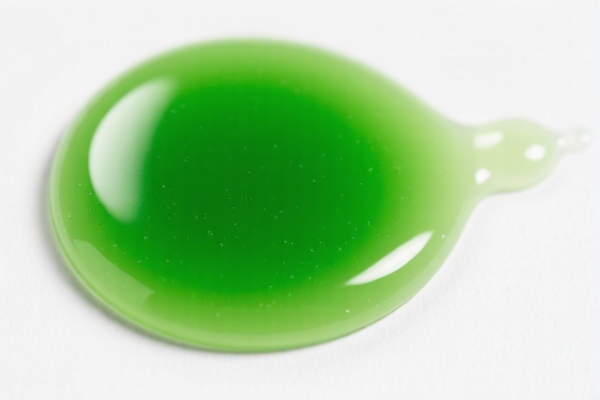
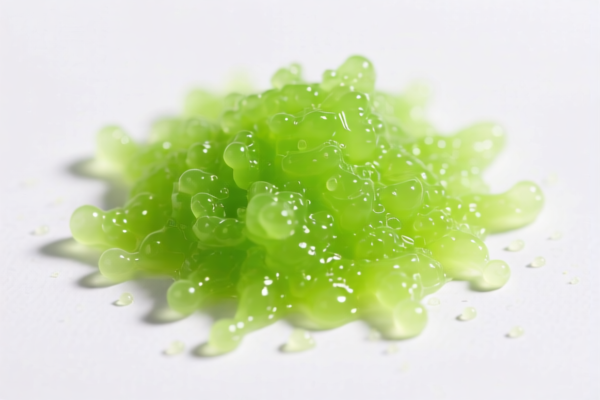
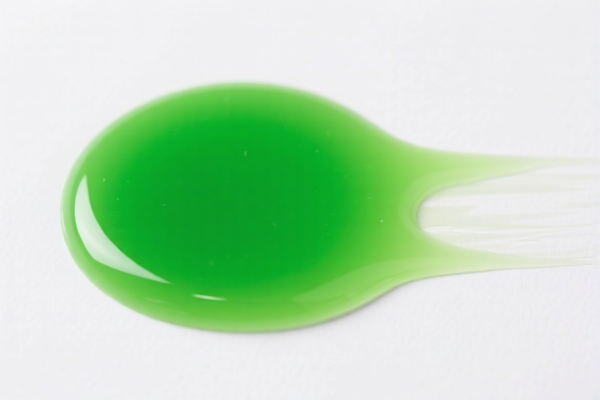

AI Analysis
🎞️ Color Photosensitive Emulsion Dispersion (感光乳剂分散剂/乳液分散剂)
🌐 HS Code Reference & Customs Clearance Guide | 2026 Latest Tariff Analysis | Professional Clearance Strategy
📌 I. Product Definition & Classification: Do You Really Understand "Emulsion Dispersion"?
Color Photosensitive Emulsion Dispersion is a critical chemical auxiliary agent used in the manufacturing of photo-sensitive materials (such as photographic paper, film, or printing plates). Its primary function is to facilitate the emulsification, homogenization, and stabilization of light-sensitive silver halide particles within a medium.
In international trade, this product is often debated between two main categories: 1. Machinery Parts/Accessories (Chapter 84): If the classification logic leans towards its application in emulsifying or stirring machinery as a chemical processing aid. 2. Chemical Products/Preparations (Chapter 38): If the classification leans towards it being a chemical preparation or auxiliary agent for the chemical industry.
⚠️ Key Distinction Point:
- If the product is described primarily by its function in mechanical emulsification processes (acting as a processing aid for the machine's operation), it may fall under 8479.
- If the product is described primarily by its chemical composition (a preparation of emulsifiers/dispersants for chemical industrial use), it falls under 3824.
- Critical Note: The "122 Clauses" tariff (10%) and "Section 301" tariff (25%) apply to both paths for Chinese-origin goods, significantly impacting the final landed cost.
📦 II. HS Code Classification Details (Latest 2026 Tariff Authority Comparison)
| HS Code | Product Description | Application Scenario | Classification Logic |
|---|---|---|---|
8479.82.00.80 |
Photosensitive emulsion dispersion; chemical auxiliary; function involves emulsification processes, conforming to homogenization/emulsification usage descriptions. | Chemical processing aids for emulsification equipment; intermediate chemical treatment. | ⚙️ Machinery/Process Aid: Focuses on the function in emulsifying/homogenizing processes. |
8479.82.00.40 |
Photosensitive emulsion dispersion; chemical auxiliary; function consistent with chemical treatment logic related to emulsifying or stirring machines. | Auxiliary for stirring/emulsifying machinery; chemical processing support. | ⚙️ Machinery/Process Aid: Focuses on the logical consistency with stirring/emulsifying machine operations. |
3824.99.49.00 |
Emulsion dispersion for photosensitive paper; belongs to chemical industry preparations; fits the category of other unspecified chemical products. | General chemical auxiliary for photographic paper manufacturing; unspecified chemical preparation. | 🧪 Chemical Preparation: Focuses on the chemical nature as an unspecified industrial chemical. |
3824.99.70.00 |
Emulsion dispersion for photosensitive paper; belongs to chemical industry preparations; fits the definition of unspecified/included chemical preparations. | Broad chemical auxiliary; included in "other chemical preparations" not elsewhere specified. | 🧪 Chemical Preparation: Focuses on the broad chemical classification under unspecified preparations. |
🔍 Key Reminder:
- The difference lies in whether the customs authority prioritizes the mechanical processing function (8479) or the chemical substance nature (3824).
- Both paths incur high tariffs due to US-China trade policies. The choice affects the base tariff (0% vs 6.5%) but the additional tariffs are similar.
💰 III. 2026 Latest Tariff Rate Breakdown (Including Surtaxes & Policy Additions)
✅ Applicable Country: United States (US)
✅ Origin: China (CN)
✅ Effective Time: 2025/2026 Import Cycle
🎯 1. 8479.82.00.80 & 8479.82.00.40 —— Machinery/Process Aids
| Item | Content |
|---|---|
| Base Tariff | 0.0% (ad valorem) |
| Section 301 Surcharge | +25.0% (USITC Footnote 9903.88.01 / Section 301) |
| Section 122 Tariff | +10.0% (Specific clause for certain chemical/process aids) |
| Total Tariff | 35.0% |
| Tax Calculation | CIF Value × 35% |
| De Minimis Exemption | ❌ Not Eligible (Deny de minimis for high-tariff goods) |
| Legal Basis Path | Section 301: 9903.88.01 → Section 122: 9903.01.25 → USITC: 8479.82.00.80/40 |
📌 Explanation:
- Although the base tariff is 0%, the Section 301 (25%) and Section 122 (10%) surcharges bring the total to 35%.
- This classification is often used when the importer wants to argue that the product is primarily a processing aid for machinery rather than a standalone chemical product.
- Cost Impact: High, but slightly lower than the 3824 path if base rates were higher (here base is 0, so it's 35% vs 41.5%).
🎯 2. 3824.99.49.00 & 3824.99.70.00 —— Chemical Preparations
| Item | Content |
|---|---|
| Base Tariff | 6.5% (for 3824.99.49.00) / 0.0% (for 3824.99.70.00) |
| Section 301 Surcharge | +25.0% (USITC Footnote 9903.88.01 / Section 301) |
| Section 122 Tariff | +10.0% (Specific clause for chemical products) |
| Total Tariff | 41.5% (for .49) / 35.0% (for .70) |
| Tax Calculation | CIF Value × Total Rate |
| De Minimis Exemption | ❌ Not Eligible |
| Legal Basis Path | Section 301: 9903.88.01 → Section 122: 9903.01.25 → USITC: 3824.99.49.00/70.00 |
📌 Note:
-3824.99.49.00: Has a 6.5% base rate, so total is 41.5%.
-3824.99.70.00: Has a 0% base rate, so total is 35.0%.
- Recommendation: If classifying under Chapter 38, ensure the product fits the "unspecified chemical preparation" definition to potentially qualify for 3824.99.70.00 (35% total) to save costs. However, many customs brokers prefer 8479 to avoid the 6.5% base if the chemical nature is debatable.
🛠️ IV. Customs Clearance Practical Advice (Real-World Pitfall Avoidance)
✅ 1. Documentation Checklist (Non-Negotiable)
| Document | Required | Description |
|---|---|---|
| ✅ Product Specification Sheet | ✔️ | Must detail chemical composition, function (emulsifying/dispersing), and application (photosensitive material). |
| ✅ Formula/Composition List | ✔️ | Crucial for determining if it's a chemical preparation (3824) or a process aid (8479). |
| ✅ Product Photos | ✔️ | Show packaging, label, and any technical data plates. |
| ✅ Third-Party Test Report | ✔️ | SDS (Safety Data Sheet) is mandatory for chemical products. |
| ✅ Commercial Invoice | ✔️ | Clearly state "Photosensitive Emulsion Dispersion" and its industrial use. |
| ✅ Bill of Lading | ✔️ | Consistent with invoice and packing list. |
✅ 2. Declaration Strategy (Key Mantra)
🔥 "Function First, Chemistry Second; Base Rate Matters!"
| Scenario | Correct Declaration Strategy | Wrong Approach |
|---|---|---|
| Emphasize Mechanical Function | Declare as 8479.82.00 (Process Aid for Emulsifying/Homogenizing). Highlight "auxiliary for machinery." | Declaring as "Chemical" when function is mechanical → Potential reclassification risk. |
| Emphasize Chemical Nature | Declare as 3824.99.70.00 if base rate is 0% → Total 35%. Avoid 3824.99.49.00 (41.5%) unless necessary. | Using 3824.99.49.00 unknowingly → Pay extra 6.5% base tariff. |
| Product Description | "Chemical auxiliary for emulsification process, used in photosensitive paper manufacturing." | "Chemical emulsion" or "Liquid" → Too vague, leads to audits. |
| Origin Declaration | Must declare China (CN) to trigger accurate Section 301/122 rates. | Misdeclaring origin → Penalties + Higher Tariffs. |
✅ 3. Special Circumstances Handling
| Situation | Handling Advice |
|---|---|
| High Base Rate Risk | If using 3824.99.49.00, the total tax is 41.5%. Try to justify classification under 3824.99.70.00 (35%) or 8479.82.00 (35%) through detailed technical arguments. |
| Section 122 Applicability | Ensure the product falls under the specific scope of Section 122. If it's a generic chemical not listed, it may not qualify for the 10% surcharge (but might fall under higher Section 301 only). Check latest USITC lists. |
| Pre-Ruling Application | Highly Recommended. File for an Advance Ruling with CBP to determine whether the product is 8479 or 3824. This prevents post-clearance audits and penalty risks. |
| Chemical vs. Process Aid | If the product is sold as a "dispersant" for chemical mixing, argue 3824. If sold as an "emulsification aid" for specific machinery, argue 8479. |
🌍 V. Global Market Comparison (2026 Latest)
| Country/Region | Recommended HS Code | Tariff Rate | Certification | Notes |
|---|---|---|---|---|
| 🇺🇸 USA | 8479.82.00 or 3824.99.70 |
35% (China Origin) | SDS, FCC (if electronic) | High tariff. Section 301 + 122 apply. |
| 🇨🇳 China | 3824.99.90 |
0% | CCC (if applicable) | No additional surcharges. |
| 🇪🇺 EU | 3824.99.97 |
0% | REACH Registration | No Section 301/122. Requires REACH compliance. |
| 🇬🇧 UK | 3824.99.97 |
0% | UK REACH | Post-Brexit, similar to EU but separate registration. |
| 🇦🇺 Australia | 3824.99.99 |
5% | AICIS | Low tariff, no US-style surcharges. |
📌 Conclusion:
- USA is the most challenging market due to the 35% minimum effective tariff (0% base + 25% Sec 301 + 10% Sec 122).
- EU/UK/AU offer much lower tariff advantages (0-5%), making diversification away from the US market strategically valuable for high-cost chemical imports.
- Cost Saving Tip: In the US, fighting for 3824.99.70.00 or 8479.82.00 (35%) is better than 3824.99.49.00 (41.5%).
📌 VI. Common Errors & Pitfall Guide (Lessons Learned)
❌ Error 1: Declaring as 3824.99.49.00 without checking base rates.
👉 Consequence: Paying 41.5% instead of 35%. Unnecessary 6.5% loss.
❌ Error 2: Misclassifying as a general chemical without SDS.
👉 Consequence: Customs hold, audit, potential reclassification to higher duty rates or denial of entry.
❌ Error 3: Ignoring Section 122 applicability.
👉 Consequence: If the product is exempt from Section 122, the tariff might drop to 25% (Sec 301 only). Failing to claim this exemption means paying an extra 10%.
❌ Error 4: Using vague descriptions like "Chemical Liquid."
👉 Consequence: High risk of detention and request for additional documentation, delaying clearance by weeks.
✅ Correct Practice:
"Photosensitive Emulsion Dispersion, Chemical Auxiliary for Emulsification Process, Used in Photographic Paper Manufacturing, HS Code 8479.82.00.80, Origin: China"
🎯 VII. Conclusion: Precise Classification, Cost Control!
🎯 Remember the Mantra:
🔹 "Base Rate 0% is Key; Sec 301 + 122 Make 35%; Avoid 41.5%!"
🔹 "Function vs. Chemistry: Choose Wisely to Minimize Tax!"
📌 Pro Tip:
If your product is originated from Vietnam, Mexico, or Thailand, you may qualify for IEEPA/Section 301 exemptions, reducing the total tariff to 0%~5%.
Recommendation: Apply for an Advance Ruling from CBP to confirm the correct HS Code (8479vs3824) and ensure eligibility for Section 122 exclusions if applicable.
📣 Immediate Action:
📞 Contact a professional customs broker + Provide Product Formula + Apply for HS Code Pre-Ruling
🚀 Ensure your Color Photosensitive Emulsion Dispersion clears customs smoothly, efficiently, and cost-effectively!
✨ Professional Clearance Starts with Accurate Classification!
💼 Every cent of cost deserves precise calculation!
Customer Reviews
About HS Code Classification
The Harmonized System (HS) is an internationally standardized nomenclature developed by the World Customs Organization (WCO) to classify traded products. Over 200 countries use the HS system as the basis for customs tariffs, trade statistics, and import/export regulations.
Each HS code follows a hierarchical structure:
- Chapter (2 digits) — Broad category of goods (e.g., Chapter 84: Machinery and Mechanical Appliances)
- Heading (4 digits) — More specific grouping within the chapter
- Subheading (6 digits) — Internationally standardized breakdown, used by all WCO member countries
- National subdivisions (8-10 digits) — Country-specific extensions for further classification, such as US HTSUS 10-digit codes
Correct HS code classification is essential for smooth customs clearance, accurate duty payment, and compliance with trade regulations. Misclassification can lead to customs delays, overpayment of duties, or penalties.
When importing from CN to US, the applicable tariff rates may include:
- Most-Favored-Nation (MFN) rate — The standard duty rate applied to WTO members
- General rate — Applied to countries without trade agreements
- Trade remedy duties — Additional tariffs such as Section 301 (anti-dumping), Section 232 (national security), or countervailing duties
The information provided on this page is for reference purposes only. For official classification, please consult with your local customs authority or a licensed customs broker.