Color Photosensitive Emulsion Resin Liquid
CN → US| HS编码 | 关税税率 | 原产国 | 目的国 | 文档 |
|---|---|---|---|---|
| 3208100000 | 38.7% | CN | US | 官方文档 |
| 3208200000 | 38.6% | CN | US | 官方文档 |
商品图片

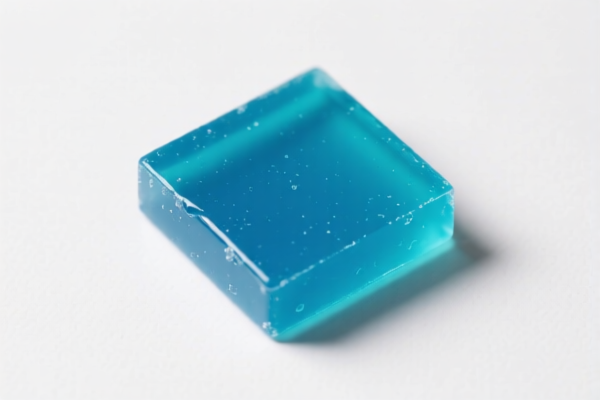
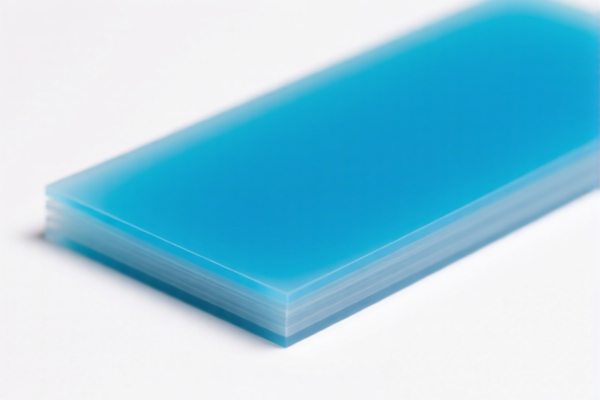
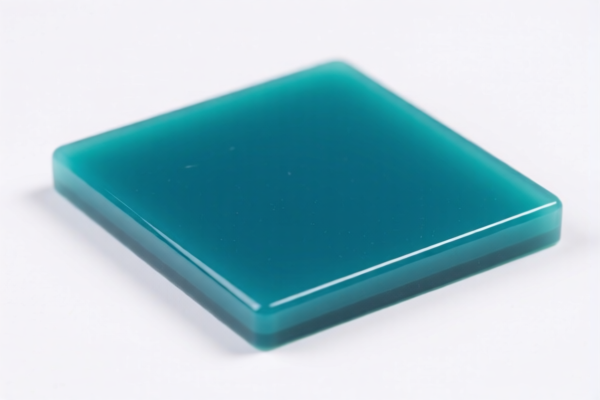
AI分析
🎨 Color Photosensitive Emulsion Resin Liquid
🌐 HS Code Reference & Customs Clearance Guide | 2026 Latest Tariff Analysis | Professional Clearance Strategy
📌 I. Product Definition and Classification: What Exactly Is "Color Photosensitive Emulsion Resin Liquid"?
Color Photosensitive Emulsion Resin Liquid is a specialized chemical medium used primarily in photolithography, screen printing, and printing plate manufacturing. It consists of a resin binder (often synthetic polymers like polyesters, acrylics, or vinyls) dispersed in a non-aqueous solvent, mixed with light-sensitive agents (photo-initiators) and colorants.
In international trade, this product is strictly classified as a paint, varnish, or lacquer-based product because it is a liquid coating applied to substrates (like metal plates or screens) that cures or hardens upon exposure to light. It is not classified as a simple solvent or raw chemical resin unless it is uncolored and unsold as a coating material, but "emulsion resin liquid" with "color photosensitive" attributes typically falls under Chapter 32.
⚠️ Critical Distinction:
- If the product is a liquid solution/dispersion based on synthetic polymers (e.g., polyester, acrylic) in a non-aqueous medium → It falls under HS Code 3208.
- It is NOT classified as Chapter 35 (Albuminoidal substances) or Chapter 39 (Plastics in raw forms) because it is prepared as a coating/varnish product.
📦 II. HS Code Classification Details (2026 Latest Tariff Authority)
Based on the provided data, there are two main categories for this product depending on the base polymer used in the resin:
| HS Code | Product Description | Typical Composition | Application Scenario |
|---|---|---|---|
3208.10.00.00 |
Based on Polyesters | Resin derived from polycondensation of acids and alcohols | High durability printing plates, industrial screens |
3208.20.00.00 |
Based on Acrylic or Vinyl Polymers | Resin derived from acrylic monomers or vinyl resins | General photoresists, screen printing emulsions, softer coatings |
🔍 Key Determination Point:
You must identify the primary polymer base in your Material Safety Data Sheet (MSDS) or Technical Data Sheet (TDS).
- If the resin is polyester-based → Use3208.10.00.00.
- If the resin is acrylic or vinyl-based → Use3208.20.00.00.
- Do not use generic codes like 3215 (Paints) without specifying the polymer base, as Chapter 32 Note 4 requires specific identification for these solutions.
💰 III. 2026 Latest Tariff Rate Breakdown (Detailed Tax Clauses)
✅ Applicable Country: United States (US)
✅ Origin: China (CN) (Assumed based on typical trade context; verify actual origin)
✅ Effective Time: Current Tariff Schedule
🎯 1. 3208.10.00.00 — Based on Polyesters
| Item | Content |
|---|---|
| Base Tariff Rate | 0.0% |
| Additional Tariff (Section 301 / IEEPA) | 0.0% |
| Total Tax Rate | 0.0% |
| Tax Detail | "基础关税: 0.0%, 加征关税: 0.0%" |
| Calculation Basis | Ad Valorem (based on CIF value) |
| De Minimis Eligibility | ✅ Yes (If shipped via informal entry/courier, subject to current $800 threshold rules) |
| Legal Reference Path | USITC:3208.10.00.00 → HTSUS Chapter 32 Note 4 |
📌 Explanation:
- Polyester-based photosensitive liquids currently enjoy zero tariffs under the standard Most Favored Nation (MFN) rate.
- Unlike electronics or certain machinery, chemical coatings in this specific subclass are not subject to the aggressive Section 301 or IEEPA additional tariffs that apply to many other Chinese imports.
- Total Cost Impact: No additional customs duty burden.
🎯 2. 3208.20.00.00 — Based on Acrylic or Vinyl Polymers
| Item | Content |
|---|---|
| Base Tariff Rate | 0.0% |
| Additional Tariff (Section 301 / IEEPA) | 0.0% |
| Total Tax Rate | 0.0% |
| Tax Detail | "基础关税: 0.0%, 加征关税: 0.0%" |
| Calculation Basis | Ad Valorem (based on CIF value) |
| De Minimis Eligibility | ✅ Yes (Subject to $800 threshold) |
| Legal Reference Path | USITC:3208.20.00.00 → HTSUS Chapter 32 Note 4 |
📌 Explanation:
- Acrylic and vinyl-based photosensitive liquids also benefit from zero tariffs.
- This makes the US a highly competitive market for importing these specialized chemical coatings compared to jurisdictions with higher protective tariffs.
- Total Cost Impact: Zero customs duty liability.
🛠️ IV. Customs Clearance Practical Advice (Expert Pitfall Avoidance)
✅ 1. Required Documentation Checklist (Mandatory)
| Document | Required? | Description |
|---|---|---|
| ✅ MSDS / SDS (Safety Data Sheet) | YES | Must clearly state the chemical composition, including the type of resin (Polyester vs. Acrylic/Vinyl) and solvent content. |
| ✅ Technical Data Sheet (TDS) | YES | Must specify: "Photosensitive," "Non-aqueous medium," and "Resin type." |
| ✅ Commercial Invoice | YES | Must explicitly list: "Color Photosensitive Emulsion Resin Liquid" and the correct HS Code. |
| ✅ Bill of Lading / Air Waybill | YES | Ensure packaging is labeled as "Chemicals" if hazardous, or "Non-Hazardous" if exempt. |
| ✅ CoA (Certificate of Analysis) | Recommended | Proves concentration and purity, helping customs verify the product matches the description. |
⚠️ Critical Warning:
- If the MSDS indicates the product contains hazardous substances (e.g., high volatile organic compounds - VOCs), additional environmental declarations may be required by EPA or DOT.
- Ensure the resin type is explicitly stated. If the customs officer cannot determine if it is polyester or acrylic, they may classify it under a generic "Other" category, potentially leading to delays or audits.
✅ 2. Declaration Tips (Key Phrases)
🔥 "Declare by Polymer Base, Specify Solvent System!"
| Scenario | Correct Declaration | Incorrect Declaration |
|---|---|---|
| Acrylic-based | "Photosensitive Liquid, Acrylic Polymer Based, Non-aqueous" | "Photoresist" (Too vague) |
| Polyester-based | "Photosensitive Liquid, Polyester Resin Based" | "Varnish" (Too generic) |
| Mixed Base | Identify the dominant polymer by weight. If equal, consult a broker. | "Chemical Liquid" (Will be audited) |
📌 Why it Matters:
- Vague terms like "Paint," "Coating," or "Chemical" trigger manual inspections.
- Specific terms like "Based on acrylic polymers" align directly with HS 3208.20, ensuring 0% tax and fast release.
✅ 3. Special Handling for Sensitive Shipments
| Situation | Handling Advice |
|---|---|
| High VOC Content | If solvents are flammable, ensure proper IATA/IMO compliance. May require "Non-Dangerous Goods" letter from lab. |
| Sample vs. Commercial | For samples under $800, use De Minimis entry (Form 7501). No duty, but still requires accurate HS code. |
| Re-export / Warehousing | If entering a Foreign Trade Zone (FTZ), duty is deferred until the product is sold into US commerce. |
🌍 V. Global Market Comparison (2026 Latest)
| Country/Region | Recommended HS Code | Tariff (China Origin) | Certification Requirements | Notes |
|---|---|---|---|---|
| 🇺🇸 USA | 3208.10.00.00 or 3208.20.00.00 |
0.0% | EPA Registration (if pesticide/fumigant), but exempt for standard printing resins | No additional tariffs. Best market for cost efficiency. |
| 🇨🇳 China | 3208.10 or 3208.20 | 6.0% - 8.0% | N/A | Domestic consumption tax may apply if used industrially. |
| 🇪🇺 EU | 3208 10 / 3208 20 | 6.5% | REACH Registration | REACH compliance is strict; ensure all chemicals are registered. |
| 🇯🇵 Japan | 3208.10 / 3208.20 | 6.0% | JIS Standards | Verify if product falls under "Chemical Substances Control Law." |
📌 Conclusion:
- The USA offers the lowest tariff burden (0%) for these products currently.
- EU requires REACH compliance, which can add significant cost and time for new chemical imports.
- China has moderate tariffs but high local competition.
📌 VI. Common Errors & Pitfall Guide (Blood & Tears Lessons)
❌ Error 1: Declaring as "Resin" under Chapter 39
👉 Consequence: Incorrect classification. Chapter 39 is for unprocessed plastics. This product is a preparation (liquid coating). Customs will reclassify to Chapter 32 and may apply penalties.
❌ Error 2: Omitting "Photosensitive" in description
👉 Consequence: Customs may classify it as standard industrial paint (3208.90), which might have different regulatory scrutiny or future tariff changes. Specificity protects you.
❌ Error 3: Confusing "Aqueous" vs "Non-aqueous"
👉 Consequence: If it's non-aqueous, it must be 3208. If it's aqueous (water-based), it falls under 3213 or 3209, which have different tariff structures. Verify solvent type!
✅ Correct Practice:
"Color Photosensitive Emulsion Resin Liquid, Acrylic Polymer Based, Non-Aqueous Medium, for Screen Printing Plates, Model XYZ, MSDS Attached"
🎯 VII. Conclusion: Professional Declaration, Save Costs!
🎯 Remember the Golden Rule:
🔹 "Polyester = 3208.10, Acrylic/Vinyl = 3208.20"
🔹 "Non-aqueous + Polymer = 0% Tariff in USA"
🔹 "Specificity Avoids Audits!"
📌 Pro Tip:
If your product contains unique photo-initiators not commonly listed, provide the chemical abstract service (CAS) numbers in your TDS. This speeds up customs clearance significantly by proving the product identity.
📣 Immediate Action:
📞 Verify your MSDS resin type → Confirm HS Code 3208.10 or 3208.20 → Prepare Accurate Invoice
🚀 Enjoy 0% Tariff Efficiency and Smooth Customs Clearance!
✨ Professional Clearance Starts with Precise Classification!
💼 Every Cent of Duty Saved is Pure Profit!
用户评价
关于 HS 编码归类
协调制度(HS)是由世界海关组织(WCO)制定的国际贸易商品分类标准。全球 200 多个国家采用 HS 系统作为海关关税、贸易统计和进出口监管的基础。
每个 HS 编码遵循以下层级结构:
- 章(2 位)——商品大类(例如:第 84 章:机器和机械设备)
- 品目(4 位)——章内的更具体分类
- 子目(6 位)——国际通用细分,所有 WCO 成员国统一使用
- 本国细分(8-10 位)——各国自行扩展的细分编码,如美国 HTSUS 10 位编码
正确的 HS 编码归类对于顺利通关、准确缴纳关税和遵守贸易法规至关重要。错误归类可能导致海关延误、多缴关税或罚款。
从CN进口到US时,适用的关税税率可能包括:
- 最惠国(MFN)税率——适用于 WTO 成员国的标准关税税率
- 普通税率——适用于无贸易协定国家
- 贸易救济关税——附加关税,如 301 条款(反倾销)、232 条款(国家安全)或反补贴税
本页内容仅供参考。如需正式归类,请咨询当地海关或持牌报关代理。