Color Photosensitive Emulsion Resin Liquid
CN → US| HS Code | Tariff Rate | Origin | Destination | Doc |
|---|---|---|---|---|
| 3208100000 | 38.7% | CN | US | Official Doc |
| 3208200000 | 38.6% | CN | US | Official Doc |
Product Images

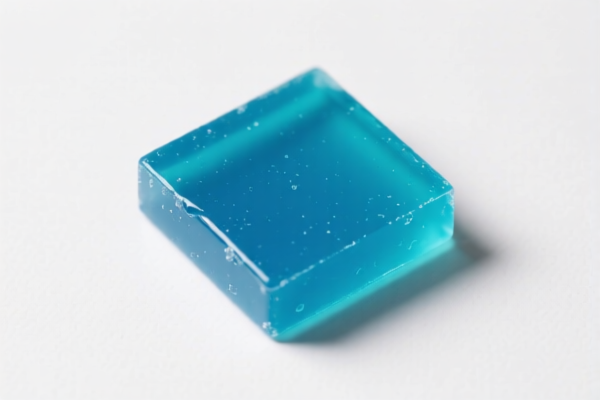
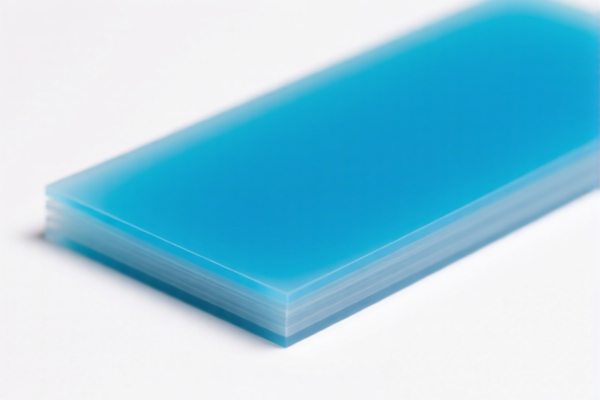
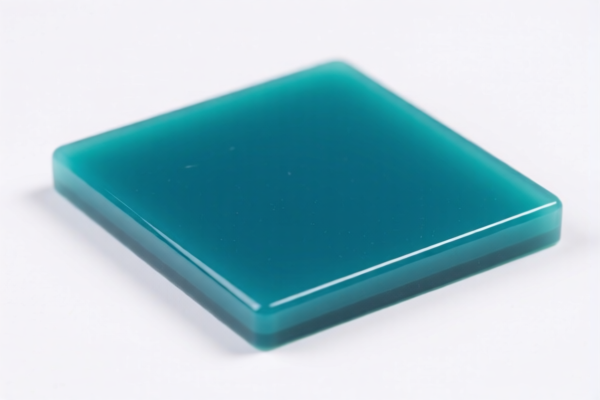
AI Analysis
🎨 Color Photosensitive Emulsion Resin Liquid
🌐 HS Code Reference & Customs Clearance Guide | 2026 Latest Tariff Analysis | Professional Clearance Strategy
📌 I. Product Definition and Classification: What Exactly Is "Color Photosensitive Emulsion Resin Liquid"?
Color Photosensitive Emulsion Resin Liquid is a specialized chemical medium used primarily in photolithography, screen printing, and printing plate manufacturing. It consists of a resin binder (often synthetic polymers like polyesters, acrylics, or vinyls) dispersed in a non-aqueous solvent, mixed with light-sensitive agents (photo-initiators) and colorants.
In international trade, this product is strictly classified as a paint, varnish, or lacquer-based product because it is a liquid coating applied to substrates (like metal plates or screens) that cures or hardens upon exposure to light. It is not classified as a simple solvent or raw chemical resin unless it is uncolored and unsold as a coating material, but "emulsion resin liquid" with "color photosensitive" attributes typically falls under Chapter 32.
⚠️ Critical Distinction:
- If the product is a liquid solution/dispersion based on synthetic polymers (e.g., polyester, acrylic) in a non-aqueous medium → It falls under HS Code 3208.
- It is NOT classified as Chapter 35 (Albuminoidal substances) or Chapter 39 (Plastics in raw forms) because it is prepared as a coating/varnish product.
📦 II. HS Code Classification Details (2026 Latest Tariff Authority)
Based on the provided data, there are two main categories for this product depending on the base polymer used in the resin:
| HS Code | Product Description | Typical Composition | Application Scenario |
|---|---|---|---|
3208.10.00.00 |
Based on Polyesters | Resin derived from polycondensation of acids and alcohols | High durability printing plates, industrial screens |
3208.20.00.00 |
Based on Acrylic or Vinyl Polymers | Resin derived from acrylic monomers or vinyl resins | General photoresists, screen printing emulsions, softer coatings |
🔍 Key Determination Point:
You must identify the primary polymer base in your Material Safety Data Sheet (MSDS) or Technical Data Sheet (TDS).
- If the resin is polyester-based → Use3208.10.00.00.
- If the resin is acrylic or vinyl-based → Use3208.20.00.00.
- Do not use generic codes like 3215 (Paints) without specifying the polymer base, as Chapter 32 Note 4 requires specific identification for these solutions.
💰 III. 2026 Latest Tariff Rate Breakdown (Detailed Tax Clauses)
✅ Applicable Country: United States (US)
✅ Origin: China (CN) (Assumed based on typical trade context; verify actual origin)
✅ Effective Time: Current Tariff Schedule
🎯 1. 3208.10.00.00 — Based on Polyesters
| Item | Content |
|---|---|
| Base Tariff Rate | 0.0% |
| Additional Tariff (Section 301 / IEEPA) | 0.0% |
| Total Tax Rate | 0.0% |
| Tax Detail | "基础关税: 0.0%, 加征关税: 0.0%" |
| Calculation Basis | Ad Valorem (based on CIF value) |
| De Minimis Eligibility | ✅ Yes (If shipped via informal entry/courier, subject to current $800 threshold rules) |
| Legal Reference Path | USITC:3208.10.00.00 → HTSUS Chapter 32 Note 4 |
📌 Explanation:
- Polyester-based photosensitive liquids currently enjoy zero tariffs under the standard Most Favored Nation (MFN) rate.
- Unlike electronics or certain machinery, chemical coatings in this specific subclass are not subject to the aggressive Section 301 or IEEPA additional tariffs that apply to many other Chinese imports.
- Total Cost Impact: No additional customs duty burden.
🎯 2. 3208.20.00.00 — Based on Acrylic or Vinyl Polymers
| Item | Content |
|---|---|
| Base Tariff Rate | 0.0% |
| Additional Tariff (Section 301 / IEEPA) | 0.0% |
| Total Tax Rate | 0.0% |
| Tax Detail | "基础关税: 0.0%, 加征关税: 0.0%" |
| Calculation Basis | Ad Valorem (based on CIF value) |
| De Minimis Eligibility | ✅ Yes (Subject to $800 threshold) |
| Legal Reference Path | USITC:3208.20.00.00 → HTSUS Chapter 32 Note 4 |
📌 Explanation:
- Acrylic and vinyl-based photosensitive liquids also benefit from zero tariffs.
- This makes the US a highly competitive market for importing these specialized chemical coatings compared to jurisdictions with higher protective tariffs.
- Total Cost Impact: Zero customs duty liability.
🛠️ IV. Customs Clearance Practical Advice (Expert Pitfall Avoidance)
✅ 1. Required Documentation Checklist (Mandatory)
| Document | Required? | Description |
|---|---|---|
| ✅ MSDS / SDS (Safety Data Sheet) | YES | Must clearly state the chemical composition, including the type of resin (Polyester vs. Acrylic/Vinyl) and solvent content. |
| ✅ Technical Data Sheet (TDS) | YES | Must specify: "Photosensitive," "Non-aqueous medium," and "Resin type." |
| ✅ Commercial Invoice | YES | Must explicitly list: "Color Photosensitive Emulsion Resin Liquid" and the correct HS Code. |
| ✅ Bill of Lading / Air Waybill | YES | Ensure packaging is labeled as "Chemicals" if hazardous, or "Non-Hazardous" if exempt. |
| ✅ CoA (Certificate of Analysis) | Recommended | Proves concentration and purity, helping customs verify the product matches the description. |
⚠️ Critical Warning:
- If the MSDS indicates the product contains hazardous substances (e.g., high volatile organic compounds - VOCs), additional environmental declarations may be required by EPA or DOT.
- Ensure the resin type is explicitly stated. If the customs officer cannot determine if it is polyester or acrylic, they may classify it under a generic "Other" category, potentially leading to delays or audits.
✅ 2. Declaration Tips (Key Phrases)
🔥 "Declare by Polymer Base, Specify Solvent System!"
| Scenario | Correct Declaration | Incorrect Declaration |
|---|---|---|
| Acrylic-based | "Photosensitive Liquid, Acrylic Polymer Based, Non-aqueous" | "Photoresist" (Too vague) |
| Polyester-based | "Photosensitive Liquid, Polyester Resin Based" | "Varnish" (Too generic) |
| Mixed Base | Identify the dominant polymer by weight. If equal, consult a broker. | "Chemical Liquid" (Will be audited) |
📌 Why it Matters:
- Vague terms like "Paint," "Coating," or "Chemical" trigger manual inspections.
- Specific terms like "Based on acrylic polymers" align directly with HS 3208.20, ensuring 0% tax and fast release.
✅ 3. Special Handling for Sensitive Shipments
| Situation | Handling Advice |
|---|---|
| High VOC Content | If solvents are flammable, ensure proper IATA/IMO compliance. May require "Non-Dangerous Goods" letter from lab. |
| Sample vs. Commercial | For samples under $800, use De Minimis entry (Form 7501). No duty, but still requires accurate HS code. |
| Re-export / Warehousing | If entering a Foreign Trade Zone (FTZ), duty is deferred until the product is sold into US commerce. |
🌍 V. Global Market Comparison (2026 Latest)
| Country/Region | Recommended HS Code | Tariff (China Origin) | Certification Requirements | Notes |
|---|---|---|---|---|
| 🇺🇸 USA | 3208.10.00.00 or 3208.20.00.00 |
0.0% | EPA Registration (if pesticide/fumigant), but exempt for standard printing resins | No additional tariffs. Best market for cost efficiency. |
| 🇨🇳 China | 3208.10 or 3208.20 | 6.0% - 8.0% | N/A | Domestic consumption tax may apply if used industrially. |
| 🇪🇺 EU | 3208 10 / 3208 20 | 6.5% | REACH Registration | REACH compliance is strict; ensure all chemicals are registered. |
| 🇯🇵 Japan | 3208.10 / 3208.20 | 6.0% | JIS Standards | Verify if product falls under "Chemical Substances Control Law." |
📌 Conclusion:
- The USA offers the lowest tariff burden (0%) for these products currently.
- EU requires REACH compliance, which can add significant cost and time for new chemical imports.
- China has moderate tariffs but high local competition.
📌 VI. Common Errors & Pitfall Guide (Blood & Tears Lessons)
❌ Error 1: Declaring as "Resin" under Chapter 39
👉 Consequence: Incorrect classification. Chapter 39 is for unprocessed plastics. This product is a preparation (liquid coating). Customs will reclassify to Chapter 32 and may apply penalties.
❌ Error 2: Omitting "Photosensitive" in description
👉 Consequence: Customs may classify it as standard industrial paint (3208.90), which might have different regulatory scrutiny or future tariff changes. Specificity protects you.
❌ Error 3: Confusing "Aqueous" vs "Non-aqueous"
👉 Consequence: If it's non-aqueous, it must be 3208. If it's aqueous (water-based), it falls under 3213 or 3209, which have different tariff structures. Verify solvent type!
✅ Correct Practice:
"Color Photosensitive Emulsion Resin Liquid, Acrylic Polymer Based, Non-Aqueous Medium, for Screen Printing Plates, Model XYZ, MSDS Attached"
🎯 VII. Conclusion: Professional Declaration, Save Costs!
🎯 Remember the Golden Rule:
🔹 "Polyester = 3208.10, Acrylic/Vinyl = 3208.20"
🔹 "Non-aqueous + Polymer = 0% Tariff in USA"
🔹 "Specificity Avoids Audits!"
📌 Pro Tip:
If your product contains unique photo-initiators not commonly listed, provide the chemical abstract service (CAS) numbers in your TDS. This speeds up customs clearance significantly by proving the product identity.
📣 Immediate Action:
📞 Verify your MSDS resin type → Confirm HS Code 3208.10 or 3208.20 → Prepare Accurate Invoice
🚀 Enjoy 0% Tariff Efficiency and Smooth Customs Clearance!
✨ Professional Clearance Starts with Precise Classification!
💼 Every Cent of Duty Saved is Pure Profit!
Customer Reviews
About HS Code Classification
The Harmonized System (HS) is an internationally standardized nomenclature developed by the World Customs Organization (WCO) to classify traded products. Over 200 countries use the HS system as the basis for customs tariffs, trade statistics, and import/export regulations.
Each HS code follows a hierarchical structure:
- Chapter (2 digits) — Broad category of goods (e.g., Chapter 84: Machinery and Mechanical Appliances)
- Heading (4 digits) — More specific grouping within the chapter
- Subheading (6 digits) — Internationally standardized breakdown, used by all WCO member countries
- National subdivisions (8-10 digits) — Country-specific extensions for further classification, such as US HTSUS 10-digit codes
Correct HS code classification is essential for smooth customs clearance, accurate duty payment, and compliance with trade regulations. Misclassification can lead to customs delays, overpayment of duties, or penalties.
When importing from CN to US, the applicable tariff rates may include:
- Most-Favored-Nation (MFN) rate — The standard duty rate applied to WTO members
- General rate — Applied to countries without trade agreements
- Trade remedy duties — Additional tariffs such as Section 301 (anti-dumping), Section 232 (national security), or countervailing duties
The information provided on this page is for reference purposes only. For official classification, please consult with your local customs authority or a licensed customs broker.