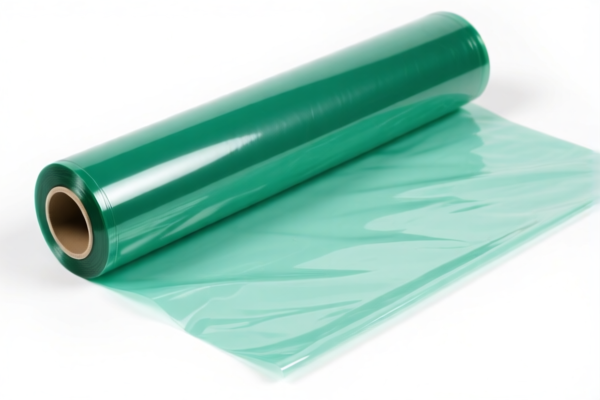
Color Wide Width Film (Industrial Grade)
CN → US| HS编码 | 关税税率 | 原产国 | 目的国 | 文档 |
|---|---|---|---|---|
| 3919905060 | 40.8% | CN | US | 官方文档 |
| 3921904010 | 39.2% | CN | US | 官方文档 |
| 7607119090 | 13.0% | CN | US | 官方文档 |
| 3921904090 | 39.2% | CN | US | 官方文档 |
| 7607116090 | 40.3% | CN | US | 官方文档 |
商品图片
AI分析
🎬 Color Wide Width Film (Industrial Grade)
🌐 HS Code Reference & Customs Clearance Guide | 2026 Latest Tariff Analysis | Professional Strategy for Industrial Materials
📌 I. Product Definition & Classification: Decoding "Color Wide Width Film"
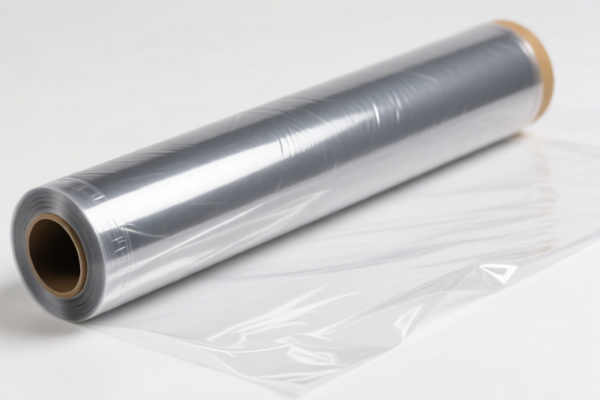
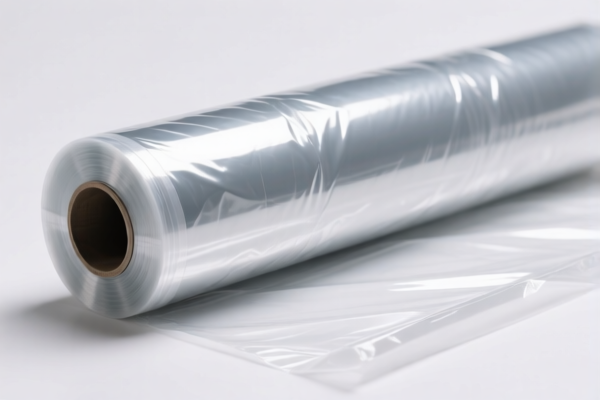
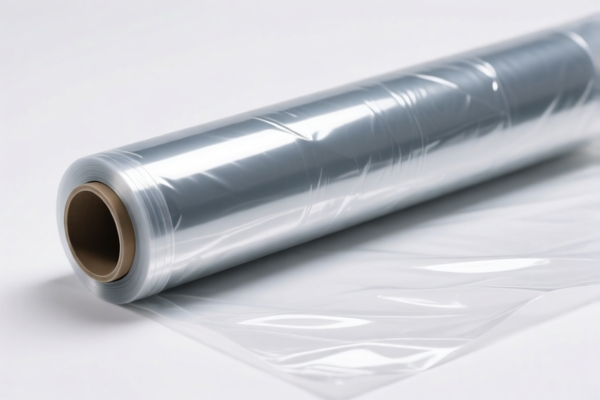
Color Wide Width Film (Industrial Grade) refers to large-scale, colored plastic or metallic films used in industrial applications such as packaging, construction, agriculture, or electronics. The key distinguishing factors are: 1. Form: "Film" indicates a flexible, flat sheet format. 2. Material: The term "Industrial Grade" implies a specific quality standard but does not explicitly define the base material. It requires inference: * Plastic (Polymer): Most common for industrial films (PE, PP, PET, etc.). * Aluminum (Metal): Common for high-barrier or heat-resistant industrial films (Aluminum Foil/Film). 3. Width: "Wide Width" suggests it is not a standard consumer roll but an intermediate or bulk industrial product.
⚠️ Critical Distinction Point:
- If the film is Plastic-based: It falls under Chapter 39 (Plastics). The specific HS code depends on whether it is coated, printed, or just plain film.
- If the film is Aluminum-based: It falls under Chapter 76 (Aluminum). Specifically, 7607 covers aluminum foil and similar forms.
- Risk: Misidentifying the material (e.g., declaring aluminum as plastic or vice versa) leads to severe customs penalties and duty discrepancies.
📦 II. HS Code Classification Details (Based on Provided Data)
Based on the provided dataset, the product is evaluated against two primary material hypotheses: Plastic and Aluminum.
| HS Code | Material Inference | Classification Logic | Total Duty Rate |
|---|---|---|---|
3919.90.50.60 |
Plastic | Flat Shape, Other: Matches "Film" morphology. "Industrial Grade" implies no specific consumer use, fitting the "Other" category under self-adhesive or non-adhesive plastic films. | 40.8% |
3921.90.40.10 |
Plastic | Other Plates/Sheets/Films: Matches "Film" shape. Plausible for industrial-grade plastic films not specifically coated or printed. No material conflict with Chapter 39. | 39.2% |
3921.90.40.90 |
Plastic | Other Plates/Sheets/Films: Similar to above. Fits "Other" category for industrial plastic films. No material conflict. | 39.2% |
7607.11.90.90 |
Aluminum | Aluminum Foil/Film: Matches "Film" morphology (non-backed). Assumes material is Aluminum based on industrial foil commonality. No conflict with Chapter 76. | 13.0% |
7607.11.60.90 |
Aluminum | Aluminum Foil/Film (Intermediate): Matches "Film" as a semi-finished/intermediate good. Fits "Industrial Grade" characteristics. | 40.3% |
🔍 Key Insight:
- Plastic Options (39xx): High duty rates (~39-40.8%) due to Section 301 and 122 Clause tariffs.
- Aluminum Option (7607.11.90.90): Significantly lower base duty (13.0%), but still subject to additional tariffs.
- Decision Factor: The actual material composition of the film is the single most critical determinant. You must verify if the "Color" comes from plastic dye (Plastic) or metallic coating (Aluminum).
💰 III. Detailed Tariff Breakdown (US Market Context)
✅ Applicable Country: United States (US)
✅ Origin: China (CN) (Inferred from "122 Clause" and typical Section 301 context)
✅ Effective Time: Current enforcement (2024-2026)
🎯 1. Plastic Film Cases (3919.90.50.60, 3921.90.40.10, 3921.90.40.90)
These codes fall under Chapter 39 (Plastics) and are subject to aggressive US trade policies.
| Tax Component | Details | Legal Basis |
|---|---|---|
| Base Tariff | 4.2% - 5.8% | Standard HTSUS rate |
| Section 301 Tariff | +25.0% | List 4A/B/C/D (China-specific) |
| 122 Clause Tariff | +10.0% | USMCA/Trade Enforcement Clause (often applied to specific plastic categories or general enforcement) |
| Total Effective Duty | 39.2% - 40.8% | Sum of Base + Sec 301 + 122 |
📌 Explanation:
- The 25% is the standard Section 301 tariff on Chinese plastic articles.
- The 10% "122 Clause" is an additional enforcement tariff often applied to prevent transshipment or to specific product categories.
- Total Cost Impact: For a $10,000 shipment, duty costs are $3,920 - $4,080.
🎯 2. Aluminum Film Case (7607.11.90.90)
This code falls under Chapter 76 (Aluminum).
| Tax Component | Details | Legal Basis |
|---|---|---|
| Base Tariff | 3.0% | Standard HTSUS rate for aluminum foil |
| Section 301 Tariff | 0.0% | Note: Some aluminum products have different 301 rates; here listed as 0% in data |
| 122 Clause Tariff | +10.0% | Applied under specific trade enforcement measures |
| Total Effective Duty | 13.0% | Sum of Base + 122 Clause |
📌 Explanation:
- This is the most cost-effective option if the film is indeed Aluminum.
- However, if the film is plastic, declaring it as Aluminum is fraud and leads to heavy penalties.
🎯 3. Aluminum Film Case (Intermediate) (7607.11.60.90)
| Tax Component | Details | Legal Basis |
|---|---|---|
| Base Tariff | 5.3% | Higher base rate for specific intermediate aluminum forms |
| Section 301 Tariff | 25.0% | Standard Section 301 on Chinese aluminum |
| 122 Clause Tariff | +10.0% | Additional enforcement tariff |
| Total Effective Duty | 40.3% | Sum of Base + Sec 301 + 122 |
📌 Note: This intermediate aluminum code is more expensive than
7607.11.90.90due to the higher base rate and full Section 301 application.
🛠️ IV. Customs Clearance Practical Advice
✅ 1. Essential Documentation (Must-Have)
| Document | Requirement | Purpose |
|---|---|---|
| Material Safety Data Sheet (MSDS) | ✔️ Mandatory | To prove material composition (Plastic vs. Aluminum). |
| Product Specification Sheet | ✔️ Mandatory | Details: Width, Thickness, Color, Application, Weight per roll. |
| Commercial Invoice | ✔️ Mandatory | Must clearly state: "Industrial Grade [Plastic/Aluminum] Film". |
| Packing List | ✔️ Mandatory | Include net/gross weight, number of rolls, core diameter. |
| Certificate of Origin (CO) | ✔️ Recommended | To verify Chinese origin and apply correct Section 301 rates. |
| Photos of Product & Label | ✔️ Highly Recommended | Show the film roll, any printing, and manufacturer label. |
✅ 2. Critical Clearance Tips
🔥 "Material First, Form Second, Declare Accurate, Avoid Seizure!"
| Scenario | Correct Declaration | Common Mistake | Consequence |
|---|---|---|---|
| Plastic Film | 3921.90.40.10 or 3919.90.50.60 |
Declaring as Aluminum | Fraud Penalty + 40% Duty Back Pay + Fine |
| Aluminum Film | 7607.11.90.90 |
Declaring as Plastic | Overpayment (Lost Savings) |
| Mixed Material | Split Shipment / Dual Declaration | Single HS Code | Confusion & Delay |
| Wide Width | Specify width in invoice | Omitting dimensions | Customs Request for More Info (RFI) |
✅ 3. Special Considerations for "Industrial Grade"
- No Consumer Packaging: Since it's industrial grade, it likely lacks retail packaging. Ensure the invoice reflects "Bulk Industrial Packaging" to avoid consumer product scrutiny.
- Colorant Composition: If the "Color" is achieved via metallic pigments (aluminum flakes), the product may still be considered plastic. If it's a thin aluminum layer, it's aluminum. Provide a lab test report if possible.
- Adhesive Status: If the film is self-adhesive,
3919is more likely. If it's non-adhesive,3921is more appropriate.
🌍 V. Global Market Comparison (2026 Outlook)
| Country/Region | Recommended HS Code | Est. Duty Rate (China Origin) | Key Certification | Notes |
|---|---|---|---|---|
| 🇺🇸 USA | 3921.90.40.10 (Plastic) or 7607.11.90.90 (Aluminum) |
39.2% (Plastic) / 13.0% (Aluminum) | None specific, but Section 301 applies | Highest risk due to 122 Clause + Sec 301 |
| 🇨🇳 China | 3921.90 or 7607.11 |
4.2% - 5.8% | CCC (if applicable) | No Section 301 |
| 🇪🇺 EU | 3921.90 or 7607.11 |
6.5% | REACH, RoHS | No 122 Clause |
| 🇬🇧 UK | 3921.90 or 7607.11 |
6.5% | UKCA | Post-Brexit rules apply |
📌 Conclusion:
- USA is the most challenging market due to dual tariffs (Section 301 + 122 Clause).
- Aluminum films have a significant cost advantage in the US market if correctly declared.
- Plastic films are heavily taxed; consider supply chain diversification if volumes are high.
📌 VI. Common Errors & Pitfalls (Blood & Tears Lessons)
❌ Error 1: Assuming all "Film" is Plastic.
👉 Consequence: If it's Aluminum, you pay 40% instead of 13%. Cost Increase: ~27%.
❌ Error 2: Declaring Aluminum Film as Plastic to avoid aluminum-specific quotas.
👉 Consequence: Customs will reject via X-ray/spectrometry. Seizure + Fine.
❌ Error 3: Ignoring the "122 Clause" in tariff calculations.
👉 Consequence: Underestimating duty by 10%, leading to cash flow issues.
❌ Error 4: Vague description "Industrial Film" on invoice.
👉 Consequence: Customs delays for material verification. Demurrage Charges.
✅ Correct Approach:
"Polyethylene Film, Industrial Grade, 24" Width, Color: Blue, Non-Adhesive, for Packaging Use, Model: XYZ, Made in China."
OR
"Aluminum Foil, Industrial Grade, 30" Width, Non-Backed, for Insulation Use, Model: ABC, Made in China."
🎯 VII. Conclusion: Precision is Profit
🎯 Key Takeaway:
🔹 "Plastic = 40% Duty. Aluminum = 13% Duty. Verify Material First!"
🔹 "122 Clause + Section 301 = High Barrier. Plan Ahead."
🔹 "Vague Descriptions = Delays. Be Specific."
📌 Pro Tip:
If you are unsure about the material, request a pre-import sample analysis from a lab to determine if it's polymer or metal. This small investment can save thousands in potential duties and penalties.
📣 Immediate Action:
📞 Contact a licensed customs broker with your product specs.
📄 Provide detailed material composition (MSDS/Spec Sheet).
🚀 Apply for an Advance Ruling if your shipment volume is high.
✨ Professional Customs Clearance Starts with Accurate Classification!
💼 Every percentage point of duty is a percentage point of your profit margin!
用户评价
关于 HS 编码归类
协调制度(HS)是由世界海关组织(WCO)制定的国际贸易商品分类标准。全球 200 多个国家采用 HS 系统作为海关关税、贸易统计和进出口监管的基础。
每个 HS 编码遵循以下层级结构:
- 章(2 位)——商品大类(例如:第 84 章:机器和机械设备)
- 品目(4 位)——章内的更具体分类
- 子目(6 位)——国际通用细分,所有 WCO 成员国统一使用
- 本国细分(8-10 位)——各国自行扩展的细分编码,如美国 HTSUS 10 位编码
正确的 HS 编码归类对于顺利通关、准确缴纳关税和遵守贸易法规至关重要。错误归类可能导致海关延误、多缴关税或罚款。
从CN进口到US时,适用的关税税率可能包括:
- 最惠国(MFN)税率——适用于 WTO 成员国的标准关税税率
- 普通税率——适用于无贸易协定国家
- 贸易救济关税——附加关税,如 301 条款(反倾销)、232 条款(国家安全)或反补贴税
本页内容仅供参考。如需正式归类,请咨询当地海关或持牌报关代理。