Colored Film (Sheet)
CN → US| HS编码 | 关税税率 | 原产国 | 目的国 | 文档 |
|---|---|---|---|---|
| 4811904090 | 35.0% | CN | US | 官方文档 |
| 3920992000 | 39.2% | CN | US | 官方文档 |
| 3920991000 | 41.0% | CN | US | 官方文档 |
| 9001200000 | 35.0% | CN | US | 官方文档 |
商品图片
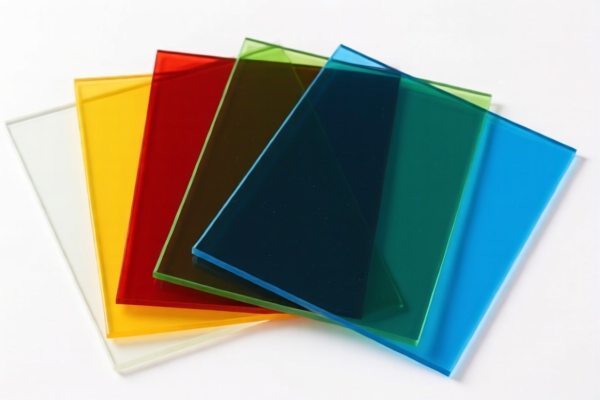
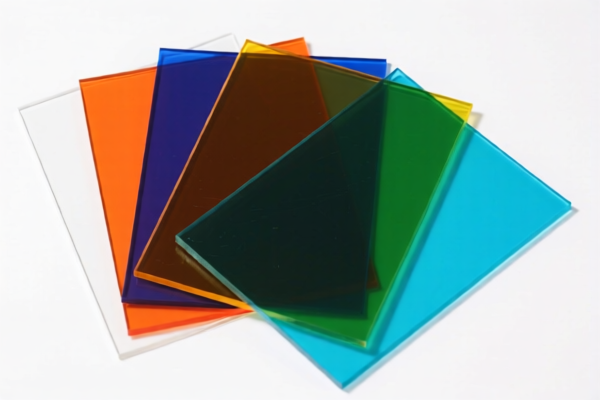
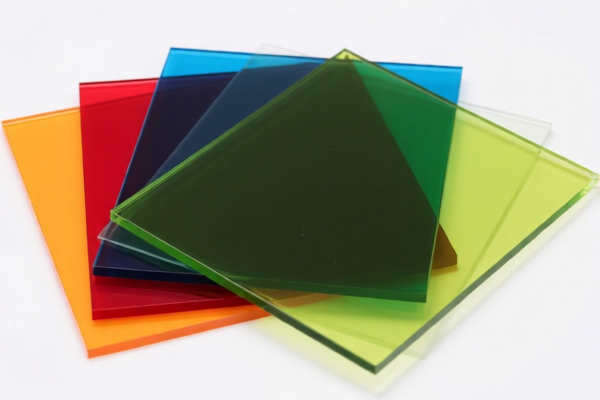
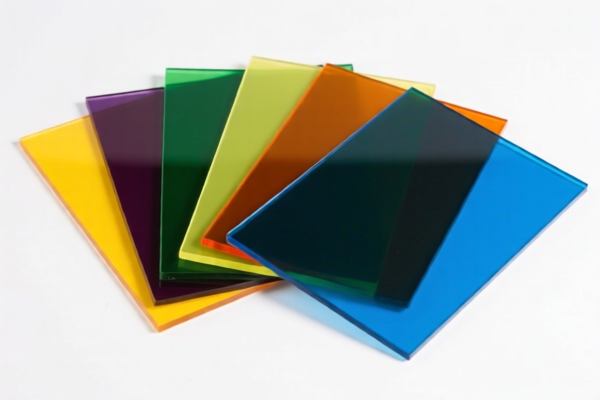
AI分析
🎨 Colored Film (Sheet) | Plastics & Paper Variants
🌐 HS Code Reference & Customs Clearance Guide | 2026 Latest Tariff Analysis | Professional Entry Strategies
📌 I. Product Definition & Classification: What Exactly is "Colored Film (Sheet)"?
"Colored Film (Sheet)" is a broad term that can refer to vastly different materials in international trade. The key to accurate classification lies in distinguishing between Plastic Materials (non-cellular, flexible/thick sheets) and Paper-Based Materials (coated, printed, or thin webs). Misclassification leads to severe tariff penalties, especially under current US trade policies.
⚠️ Critical Distinction:
- If the material is plastic (PVC, PET, PE, etc.) and flexible or rigid sheets/film → It falls under Chapter 39.
- If the material is paper/paperboard, thin, coated, or printed → It falls under Chapter 48.
- Note: Optical polarizing sheets are explicitly excluded from Chapter 39/48 and belong to Chapter 90.
📦 II. HS Code Classification Details (2026 Latest Tariff Authority)
Based on the provided data, the following HS codes apply depending on the specific material and thickness:
| HS Code | Product Description | Material Type | Key Characteristics |
|---|---|---|---|
3920.99.10.00 |
Plastic sheets/film, flexible, >0.152 mm thickness | Plastics (Other) | Non-cellular, not reinforced. Flexible film/sheet. Thicker than 0.152 mm. |
3920.99.20.00 |
Plastic sheets/film, flexible, ≤0.152 mm or other | Plastics (Other) | Non-cellular, not reinforced. Flexible film/sheet. Thinner than 0.152 mm or other specific plastic types not covered above. |
4811.90.40.90 |
Coated/Impregnated Paper, thin | Paper/Cardboard | Rolls/strips >15cm or sheets >36x15cm. Weight ≤15 g/m². Other paper goods. |
4811.90.60.10 |
Tissue Papers, very thin | Paper/Cardboard | Rolls/strips >15cm or sheets >36x15cm. Weight >15 g/m² but ≤30 g/m². Tissue papers ≤29 g/m² in sheets. |
🔍 Important Note on Optical Films:
If the "colored film" is a polarizing sheet (used in LCDs, sunglasses, or optical devices), it DOES NOT belong to Chapters 39 or 48. It belongs to Chapter 90: - HS Code:9001.20.00.00(Sheets and plates of polarizing material). - Although not listed in the main tax table provided, it is crucial to exclude it from plastic/paper classifications.
💰 III. 2026 Latest Tariff Rate Breakdown (US Import from China)
✅ Applicable Country: United States (US)
✅ Origin: China (CN)
✅ Effective Date: Current trade policies (Section 301 + IEEPA)
🎯 1. Plastic Films & Sheets (Chapter 39)
A. 3920.99.10.00 (Thicker Plastic Film >0.152 mm)
| Item | Content |
|---|---|
| Base Tariff | 0.0% (ad valorem) |
| Additional Tariff (Section 301) | +25.0% |
| Total Tax Rate | 25.0% |
| Tax Calculation | CIF Value × 25% |
| De Minimis Eligibility | ❌ No (Subject to strict scrutiny) |
B. 3920.99.20.00 (Thinner Plastic Film ≤0.152 mm)
| Item | Content |
|---|---|
| Base Tariff | 4.2% (ad valorem) |
| Additional Tariff (Section 301) | +25.0% |
| Total Tax Rate | 29.2% |
| Tax Calculation | CIF Value × 29.2% |
| De Minimis Eligibility | ❌ No |
📌 Explanation:
- The 25% additional tariff is imposed under USITC Footnote 9903.88.01 (Section 301 tariffs on Chinese goods). - The 4.2% base tariff for thinner films (3920.99.20.00) adds to the cost, making it more expensive than thicker films (3920.99.10.00) in terms of percentage burden. - Total Impact: You are paying 25%–29.2% in duties alone, excluding any VAT or handling fees.
🎯 2. Paper-Based Films & Sheets (Chapter 48)
A. 4811.90.40.90 (Paper ≤15 g/m²)
| Item | Content |
|---|---|
| Base Tariff | 0.0% |
| Additional Tariff (Section 301) | +25.0% |
| Total Tax Rate | 25.0% |
| Tax Calculation | CIF Value × 25% |
| De Minimis Eligibility | ❌ No |
B. 4811.90.60.10 (Tissue Paper 15-30 g/m²)
| Item | Content |
|---|---|
| Base Tariff | 0.0% |
| Additional Tariff (Section 301) | +25.0% |
| Total Tax Rate | 25.0% |
| Tax Calculation | CIF Value × 25% |
| De Minimis Eligibility | ❌ No |
📌 Explanation:
- Paper products in this category face the same 25% additional tariff as plastic films. - The description emphasizes "coated, impregnated, covered" or "tissue papers". If your "colored film" is merely printed paper, it may still fall here if it meets the weight criteria.
🛠️ IV. Customs Clearance Practical Advice (Pitfall Avoidance Guide)
✅ 1. Preparation Checklist (Mandatory)
| Document | Required? | Description |
|---|---|---|
| ✅ Product Specification Sheet | ✔️ | Must clearly state: Material (Plastic vs. Paper), Thickness (in mm or g/m²), Dimensions, and Usage. |
| ✅ Composition Analysis | ✔️ | For plastic films: Confirm if it is "non-cellular" and "not reinforced." For paper: Confirm basis weight. |
| ✅ Product Photos | ✔️ | Clear images of the roll/sheet, showing texture, color, and packaging. |
| ✅ Commercial Invoice | ✔️ | Must accurately describe the product as "Colored Plastic Film" or "Colored Coated Paper," NOT generic "Film." |
| ✅ Packing List | ✔️ | Detail the net/gross weight to verify basis weight calculations (for paper). |
✅ 2. Declaration Tips (Key Mantras)
🔥 "Material First, Thickness Key, Weight Determines Paper!"
| Scenario | Correct Declaration | Error to Avoid |
|---|---|---|
| Plastic Film, >0.152 mm | 3920.99.10.00 |
Misclassifying as 3920.99.20.00 → Pay 4.2% extra base duty. |
| Plastic Film, ≤0.152 mm | 3920.99.20.00 |
Misclassifying as 3920.99.10.00 → Undervaluation Penalty + 25% Retroactive Duty. |
| Thin Paper (<15 g/m²) | 4811.90.40.90 |
Declaring as plastic → Misdeclaration Fine. |
| Polarizing Sheet | 9001.20.00.00 |
Declaring as plastic 39xx → Rejection & Return. |
| Tissue Paper (15-30 g/m²) | 4811.90.60.10 |
Declaring as general paper 4811.90.40.90 → Weight Verification Delay. |
✅ 3. Special Case Handling
| Situation | Handling Advice |
|---|---|
| Transparent vs. Colored | Color does not change the HS Code. Only material and physical properties (thickness/weight) matter. |
| Flexible vs. Rigid | Chapter 39 distinguishes based on flexibility. If it rolls easily, it’s likely "flexible film/sheet." If it snaps, it might be "plate/sheet" (different subheading, not in this specific list). |
| Paper Weight Calculation | For paper films, you MUST provide the basis weight (g/m²). If unknown, customs will estimate it, often leading to higher tariffs or delays. Provide a lab report! |
| Optical Film | If the film has polarizing properties (reduces glare, used in screens), do NOT use 39/48 codes. Use 9001.20.00.00. |
🌍 V. Global Market Comparison (2026)
| Country/Region | Recommended HS Code | Tariff Rate (China Origin) | Certification | Notes |
|---|---|---|---|---|
| 🇺🇸 USA | 3920.99.10.00 / 3920.99.20.00 / 4811.xx.xx |
25% - 29.2% | None (General) | High Tariff Environment. Budget for extra costs. |
| 🇨🇳 China | 3920.99.10.00 / 3920.99.20.00 |
~6.5% - 9.0% | N/A | No additional Section 301 tariffs. |
| 🇪🇺 EU | 3920.99.90 / 4811.90 |
~6.5% | CE (if applicable) | No major political tariffs. |
| 🇸🇬 Singapore | 3920.99.90 |
0% | None | Free trade agreement benefits may apply. |
📌 Conclusion:
- The USA is the most challenging market due to the 25%+ Section 301 tariff.
- Cost Optimization: If possible, consider suppliers from Vietnam or Mexico (if rules of origin are met) to potentially avoid US tariffs.
📌 VI. Common Errors & Pitfall Guide (Lessons Learned)
❌ Error 1: Ignoring Thickness in Plastic Classification
👉 Consequence: Using 3920.99.20.00 (29.2%) for a sheet that is actually >0.152 mm (3920.99.10.00 at 25.0%).
✅ Fix: Measure thickness precisely. Provide a thickness test report.
❌ Error 2: Confusing Paper Weight Units
👉 Consequence: Misclassifying 20 g/m² paper as ≤15 g/m².
✅ Fix: Always provide Basis Weight (g/m²) in the invoice and spec sheet.
❌ Error 3: Calling Polarizing Film "Colored Plastic Film"
👉 Consequence: Customs detects optical properties, reclassifies to 9001.20.00.00, and imposes penalties for misdeclaration.
✅ Fix: Identify if the film has optical/polarizing function. If yes, use 9001.20.00.00.
❌ Error 4: Generic Description "Film"
👉 Consequence: Customs cannot determine if it’s plastic or paper, leading to inspection delays and potential automatic highest tariff assessment.
✅ Fix: Use specific descriptions: "Polyester Colored Film, 0.2mm thick, non-cellular" or "Coated Tissue Paper, 20g/m²".
🎯 VII. Conclusion: Precision Saves Money!
🎯 Remember:
🔹 "Plastic? Check Thickness (0.152mm is the line)."
🔹 "Paper? Check Weight (15g/m² and 30g/m² are the lines)."
🔹 "Optical? Use Chapter 90, not 39/48."
🔹 "US Import? Expect 25%–29.2% Tax."
📌 Pro Tip:
If your product is thin plastic film (≤0.152 mm), the base tariff is 4.2%. Even with the 25% additional tariff, the total is 29.2%. However, thicker films (>0.152 mm) have a 0% base tariff, making the total 25.0%.
Strategy: If your product can be manufactured slightly thicker (>0.152 mm) without compromising function, you save 4.2% on the base duty rate!
📣 Immediate Action:
📞 Consult a Customs Broker to verify the exact thickness/weight of your product.
📄 Request a Pre-Ruling from US Customs if the classification is ambiguous.
🚀 Optimize your supply chain to mitigate the 25%+ tariff impact.
✨ Professional Customs Clearance Starts with Accurate Classification!
💼 Your profit margin depends on every percentage point!
用户评价
关于 HS 编码归类
协调制度(HS)是由世界海关组织(WCO)制定的国际贸易商品分类标准。全球 200 多个国家采用 HS 系统作为海关关税、贸易统计和进出口监管的基础。
每个 HS 编码遵循以下层级结构:
- 章(2 位)——商品大类(例如:第 84 章:机器和机械设备)
- 品目(4 位)——章内的更具体分类
- 子目(6 位)——国际通用细分,所有 WCO 成员国统一使用
- 本国细分(8-10 位)——各国自行扩展的细分编码,如美国 HTSUS 10 位编码
正确的 HS 编码归类对于顺利通关、准确缴纳关税和遵守贸易法规至关重要。错误归类可能导致海关延误、多缴关税或罚款。
从CN进口到US时,适用的关税税率可能包括:
- 最惠国(MFN)税率——适用于 WTO 成员国的标准关税税率
- 普通税率——适用于无贸易协定国家
- 贸易救济关税——附加关税,如 301 条款(反倾销)、232 条款(国家安全)或反补贴税
本页内容仅供参考。如需正式归类,请咨询当地海关或持牌报关代理。