Colored Film (Sheet)
CN → US| HS Code | Tariff Rate | Origin | Destination | Doc |
|---|---|---|---|---|
| 4811904090 | 35.0% | CN | US | Official Doc |
| 3920992000 | 39.2% | CN | US | Official Doc |
| 3920991000 | 41.0% | CN | US | Official Doc |
| 9001200000 | 35.0% | CN | US | Official Doc |
Product Images
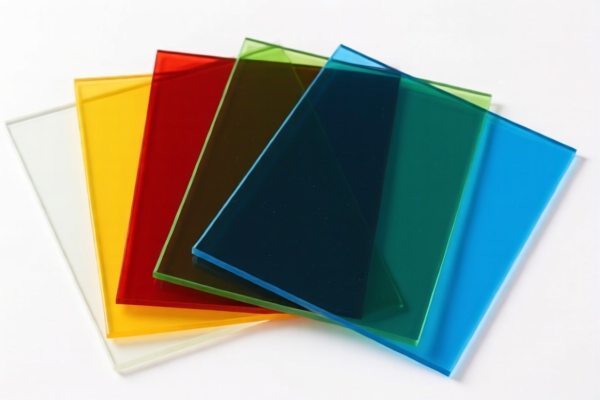
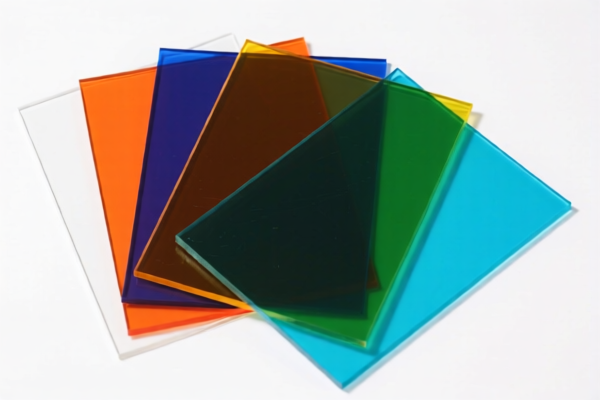
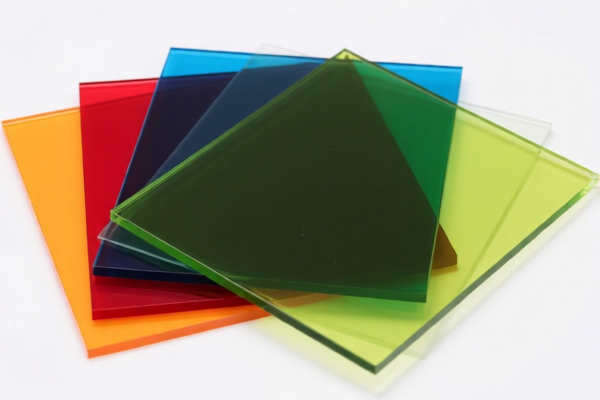
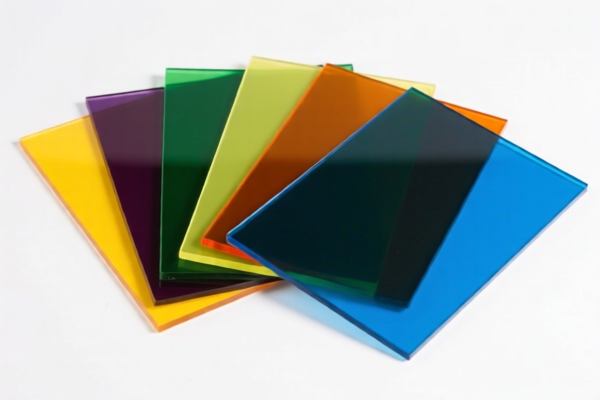
AI Analysis
🎨 Colored Film (Sheet) | Plastics & Paper Variants
🌐 HS Code Reference & Customs Clearance Guide | 2026 Latest Tariff Analysis | Professional Entry Strategies
📌 I. Product Definition & Classification: What Exactly is "Colored Film (Sheet)"?
"Colored Film (Sheet)" is a broad term that can refer to vastly different materials in international trade. The key to accurate classification lies in distinguishing between Plastic Materials (non-cellular, flexible/thick sheets) and Paper-Based Materials (coated, printed, or thin webs). Misclassification leads to severe tariff penalties, especially under current US trade policies.
⚠️ Critical Distinction:
- If the material is plastic (PVC, PET, PE, etc.) and flexible or rigid sheets/film → It falls under Chapter 39.
- If the material is paper/paperboard, thin, coated, or printed → It falls under Chapter 48.
- Note: Optical polarizing sheets are explicitly excluded from Chapter 39/48 and belong to Chapter 90.
📦 II. HS Code Classification Details (2026 Latest Tariff Authority)
Based on the provided data, the following HS codes apply depending on the specific material and thickness:
| HS Code | Product Description | Material Type | Key Characteristics |
|---|---|---|---|
3920.99.10.00 |
Plastic sheets/film, flexible, >0.152 mm thickness | Plastics (Other) | Non-cellular, not reinforced. Flexible film/sheet. Thicker than 0.152 mm. |
3920.99.20.00 |
Plastic sheets/film, flexible, ≤0.152 mm or other | Plastics (Other) | Non-cellular, not reinforced. Flexible film/sheet. Thinner than 0.152 mm or other specific plastic types not covered above. |
4811.90.40.90 |
Coated/Impregnated Paper, thin | Paper/Cardboard | Rolls/strips >15cm or sheets >36x15cm. Weight ≤15 g/m². Other paper goods. |
4811.90.60.10 |
Tissue Papers, very thin | Paper/Cardboard | Rolls/strips >15cm or sheets >36x15cm. Weight >15 g/m² but ≤30 g/m². Tissue papers ≤29 g/m² in sheets. |
🔍 Important Note on Optical Films:
If the "colored film" is a polarizing sheet (used in LCDs, sunglasses, or optical devices), it DOES NOT belong to Chapters 39 or 48. It belongs to Chapter 90: - HS Code:9001.20.00.00(Sheets and plates of polarizing material). - Although not listed in the main tax table provided, it is crucial to exclude it from plastic/paper classifications.
💰 III. 2026 Latest Tariff Rate Breakdown (US Import from China)
✅ Applicable Country: United States (US)
✅ Origin: China (CN)
✅ Effective Date: Current trade policies (Section 301 + IEEPA)
🎯 1. Plastic Films & Sheets (Chapter 39)
A. 3920.99.10.00 (Thicker Plastic Film >0.152 mm)
| Item | Content |
|---|---|
| Base Tariff | 0.0% (ad valorem) |
| Additional Tariff (Section 301) | +25.0% |
| Total Tax Rate | 25.0% |
| Tax Calculation | CIF Value × 25% |
| De Minimis Eligibility | ❌ No (Subject to strict scrutiny) |
B. 3920.99.20.00 (Thinner Plastic Film ≤0.152 mm)
| Item | Content |
|---|---|
| Base Tariff | 4.2% (ad valorem) |
| Additional Tariff (Section 301) | +25.0% |
| Total Tax Rate | 29.2% |
| Tax Calculation | CIF Value × 29.2% |
| De Minimis Eligibility | ❌ No |
📌 Explanation:
- The 25% additional tariff is imposed under USITC Footnote 9903.88.01 (Section 301 tariffs on Chinese goods). - The 4.2% base tariff for thinner films (3920.99.20.00) adds to the cost, making it more expensive than thicker films (3920.99.10.00) in terms of percentage burden. - Total Impact: You are paying 25%–29.2% in duties alone, excluding any VAT or handling fees.
🎯 2. Paper-Based Films & Sheets (Chapter 48)
A. 4811.90.40.90 (Paper ≤15 g/m²)
| Item | Content |
|---|---|
| Base Tariff | 0.0% |
| Additional Tariff (Section 301) | +25.0% |
| Total Tax Rate | 25.0% |
| Tax Calculation | CIF Value × 25% |
| De Minimis Eligibility | ❌ No |
B. 4811.90.60.10 (Tissue Paper 15-30 g/m²)
| Item | Content |
|---|---|
| Base Tariff | 0.0% |
| Additional Tariff (Section 301) | +25.0% |
| Total Tax Rate | 25.0% |
| Tax Calculation | CIF Value × 25% |
| De Minimis Eligibility | ❌ No |
📌 Explanation:
- Paper products in this category face the same 25% additional tariff as plastic films. - The description emphasizes "coated, impregnated, covered" or "tissue papers". If your "colored film" is merely printed paper, it may still fall here if it meets the weight criteria.
🛠️ IV. Customs Clearance Practical Advice (Pitfall Avoidance Guide)
✅ 1. Preparation Checklist (Mandatory)
| Document | Required? | Description |
|---|---|---|
| ✅ Product Specification Sheet | ✔️ | Must clearly state: Material (Plastic vs. Paper), Thickness (in mm or g/m²), Dimensions, and Usage. |
| ✅ Composition Analysis | ✔️ | For plastic films: Confirm if it is "non-cellular" and "not reinforced." For paper: Confirm basis weight. |
| ✅ Product Photos | ✔️ | Clear images of the roll/sheet, showing texture, color, and packaging. |
| ✅ Commercial Invoice | ✔️ | Must accurately describe the product as "Colored Plastic Film" or "Colored Coated Paper," NOT generic "Film." |
| ✅ Packing List | ✔️ | Detail the net/gross weight to verify basis weight calculations (for paper). |
✅ 2. Declaration Tips (Key Mantras)
🔥 "Material First, Thickness Key, Weight Determines Paper!"
| Scenario | Correct Declaration | Error to Avoid |
|---|---|---|
| Plastic Film, >0.152 mm | 3920.99.10.00 |
Misclassifying as 3920.99.20.00 → Pay 4.2% extra base duty. |
| Plastic Film, ≤0.152 mm | 3920.99.20.00 |
Misclassifying as 3920.99.10.00 → Undervaluation Penalty + 25% Retroactive Duty. |
| Thin Paper (<15 g/m²) | 4811.90.40.90 |
Declaring as plastic → Misdeclaration Fine. |
| Polarizing Sheet | 9001.20.00.00 |
Declaring as plastic 39xx → Rejection & Return. |
| Tissue Paper (15-30 g/m²) | 4811.90.60.10 |
Declaring as general paper 4811.90.40.90 → Weight Verification Delay. |
✅ 3. Special Case Handling
| Situation | Handling Advice |
|---|---|
| Transparent vs. Colored | Color does not change the HS Code. Only material and physical properties (thickness/weight) matter. |
| Flexible vs. Rigid | Chapter 39 distinguishes based on flexibility. If it rolls easily, it’s likely "flexible film/sheet." If it snaps, it might be "plate/sheet" (different subheading, not in this specific list). |
| Paper Weight Calculation | For paper films, you MUST provide the basis weight (g/m²). If unknown, customs will estimate it, often leading to higher tariffs or delays. Provide a lab report! |
| Optical Film | If the film has polarizing properties (reduces glare, used in screens), do NOT use 39/48 codes. Use 9001.20.00.00. |
🌍 V. Global Market Comparison (2026)
| Country/Region | Recommended HS Code | Tariff Rate (China Origin) | Certification | Notes |
|---|---|---|---|---|
| 🇺🇸 USA | 3920.99.10.00 / 3920.99.20.00 / 4811.xx.xx |
25% - 29.2% | None (General) | High Tariff Environment. Budget for extra costs. |
| 🇨🇳 China | 3920.99.10.00 / 3920.99.20.00 |
~6.5% - 9.0% | N/A | No additional Section 301 tariffs. |
| 🇪🇺 EU | 3920.99.90 / 4811.90 |
~6.5% | CE (if applicable) | No major political tariffs. |
| 🇸🇬 Singapore | 3920.99.90 |
0% | None | Free trade agreement benefits may apply. |
📌 Conclusion:
- The USA is the most challenging market due to the 25%+ Section 301 tariff.
- Cost Optimization: If possible, consider suppliers from Vietnam or Mexico (if rules of origin are met) to potentially avoid US tariffs.
📌 VI. Common Errors & Pitfall Guide (Lessons Learned)
❌ Error 1: Ignoring Thickness in Plastic Classification
👉 Consequence: Using 3920.99.20.00 (29.2%) for a sheet that is actually >0.152 mm (3920.99.10.00 at 25.0%).
✅ Fix: Measure thickness precisely. Provide a thickness test report.
❌ Error 2: Confusing Paper Weight Units
👉 Consequence: Misclassifying 20 g/m² paper as ≤15 g/m².
✅ Fix: Always provide Basis Weight (g/m²) in the invoice and spec sheet.
❌ Error 3: Calling Polarizing Film "Colored Plastic Film"
👉 Consequence: Customs detects optical properties, reclassifies to 9001.20.00.00, and imposes penalties for misdeclaration.
✅ Fix: Identify if the film has optical/polarizing function. If yes, use 9001.20.00.00.
❌ Error 4: Generic Description "Film"
👉 Consequence: Customs cannot determine if it’s plastic or paper, leading to inspection delays and potential automatic highest tariff assessment.
✅ Fix: Use specific descriptions: "Polyester Colored Film, 0.2mm thick, non-cellular" or "Coated Tissue Paper, 20g/m²".
🎯 VII. Conclusion: Precision Saves Money!
🎯 Remember:
🔹 "Plastic? Check Thickness (0.152mm is the line)."
🔹 "Paper? Check Weight (15g/m² and 30g/m² are the lines)."
🔹 "Optical? Use Chapter 90, not 39/48."
🔹 "US Import? Expect 25%–29.2% Tax."
📌 Pro Tip:
If your product is thin plastic film (≤0.152 mm), the base tariff is 4.2%. Even with the 25% additional tariff, the total is 29.2%. However, thicker films (>0.152 mm) have a 0% base tariff, making the total 25.0%.
Strategy: If your product can be manufactured slightly thicker (>0.152 mm) without compromising function, you save 4.2% on the base duty rate!
📣 Immediate Action:
📞 Consult a Customs Broker to verify the exact thickness/weight of your product.
📄 Request a Pre-Ruling from US Customs if the classification is ambiguous.
🚀 Optimize your supply chain to mitigate the 25%+ tariff impact.
✨ Professional Customs Clearance Starts with Accurate Classification!
💼 Your profit margin depends on every percentage point!
Customer Reviews
About HS Code Classification
The Harmonized System (HS) is an internationally standardized nomenclature developed by the World Customs Organization (WCO) to classify traded products. Over 200 countries use the HS system as the basis for customs tariffs, trade statistics, and import/export regulations.
Each HS code follows a hierarchical structure:
- Chapter (2 digits) — Broad category of goods (e.g., Chapter 84: Machinery and Mechanical Appliances)
- Heading (4 digits) — More specific grouping within the chapter
- Subheading (6 digits) — Internationally standardized breakdown, used by all WCO member countries
- National subdivisions (8-10 digits) — Country-specific extensions for further classification, such as US HTSUS 10-digit codes
Correct HS code classification is essential for smooth customs clearance, accurate duty payment, and compliance with trade regulations. Misclassification can lead to customs delays, overpayment of duties, or penalties.
When importing from CN to US, the applicable tariff rates may include:
- Most-Favored-Nation (MFN) rate — The standard duty rate applied to WTO members
- General rate — Applied to countries without trade agreements
- Trade remedy duties — Additional tariffs such as Section 301 (anti-dumping), Section 232 (national security), or countervailing duties
The information provided on this page is for reference purposes only. For official classification, please consult with your local customs authority or a licensed customs broker.