Combed Blended Premium Animal Fiber Fabric
CN → US| HS编码 | 关税税率 | 原产国 | 目的国 | 文档 |
|---|---|---|---|---|
| 5111196020 | 60.0% | CN | US | 官方文档 |
| 5111196060 | 60.0% | CN | US | 官方文档 |
| 5111196060 | 60.0% | CN | US | 官方文档 |
| 5111113000 | 45.0% | CN | US | 官方文档 |
商品图片
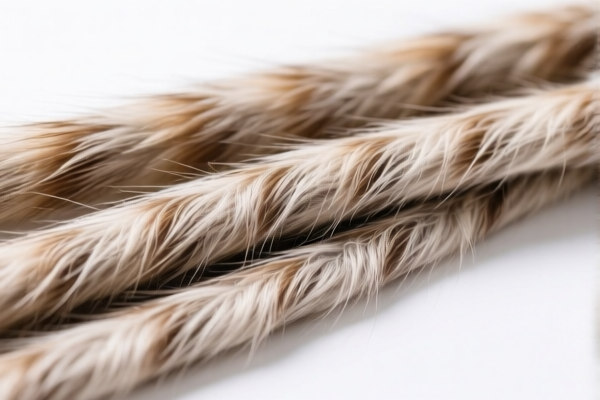
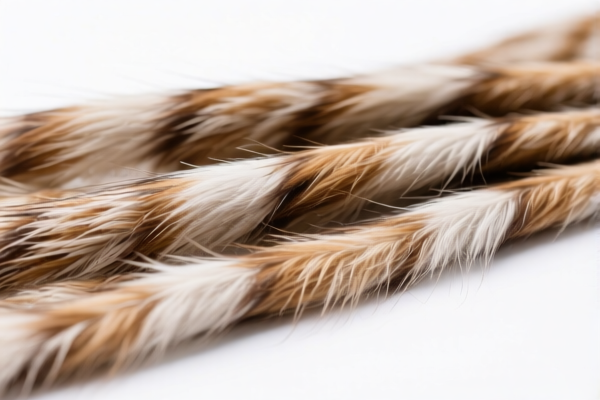
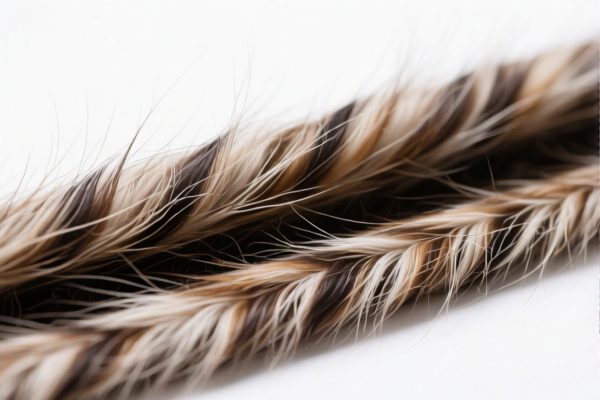
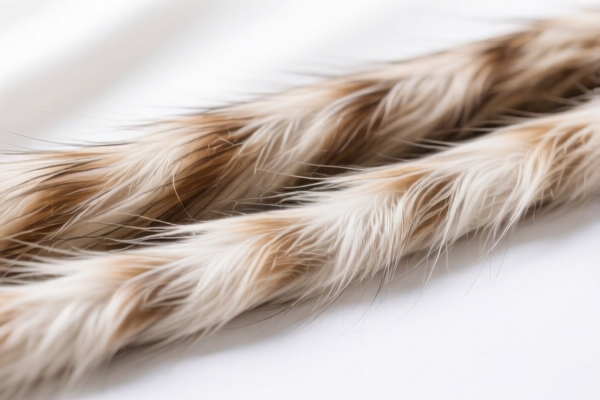
AI分析
🧵 Combed Blended Premium Animal Fiber Fabric
🌐 HS Code Reference & Customs Clearance Guide | 2026 Latest Tariff Breakdown | Professional Clearance Strategy
📌 I. Product Definition & Classification: Do You Really Understand "Animal Fiber Fabric"?
Combed Blended Premium Animal Fiber Fabric refers to woven textiles made from high-quality animal fibers (such as wool, cashmere, alpaca, or mohair) that have undergone a combing process to remove short fibers and align the remaining long fibers, resulting in a smoother, stronger, and higher-quality yarn.
In international trade, classification depends on: 1. The Specific Animal Fiber Content (e.g., Wool vs. Camel Hair vs. Other). 2. The Weaving Method (Woven vs. Knitted). 3. The Treatment Process (Bleached, Scoured, Dyed, etc.). 4. Weight/Composition Thresholds (e.g., >85% animal fiber vs. mixed).
⚠️ Key Distinction Points:
- If the fabric is combed, woven, and made of specific premium animal fibers (like merino wool or cashmere) with weight ≥ 200g/m², it often falls under 5111.
- If it is bleached/scoured and meets specific wool criteria, it may fall under 5111.11.
- "Blended" implies it is not 100% pure animal fiber, but the animal fiber content determines the primary classification.
- "Premium" is a marketing term, not a tariff term; customs rely on technical specs (fiber type, weight, structure).
📦 II. HS Code Classification Details (2026 Latest Tariff Authority Reference)
Based on the provided data, here are the four possible HS Codes and their specific applications:
| HS Code | Product Description | Applicable Scenario | Key Characteristics |
|---|---|---|---|
5111.19.60.20 |
Combed woven fabric of other animal fibers (blended) | Combed, woven fabrics from premium animal fibers (e.g., camel hair, alpaca) that are blended (not pure wool). | ✅ Combed, ✅ Woven, ✅ Blended, ❌ Not pure wool (5111.11) |
5111.19.60.60 |
Bleached/scoured animal fiber fabric (blended) | Bleached or scoured fabrics from animal fibers (camel hair, alpaca, etc.), woven, with no conflict in weight or composition. | ✅ Bleached/Scoured, ✅ Woven, ✅ Animal Fiber |
5111.19.60.60 |
Bleached/scoured animal fiber fabric (blended) | Duplicate HS Code for similar bleached/scoured items. Focuses on the process (bleaching/scouring) rather than just combing. | ✅ Bleached/Scoured, ✅ Woven, ✅ Animal Fiber |
5111.11.30.00 |
Bleached/scoured woven fabric of wool (blended) | Specifically for wool (not other animal fibers) that is bleached/scoured and woven. Lower tax burden. | ✅ Wool-based, ✅ Bleached/Scoured, ✅ Woven |
🔍 Important Note:
- 5111.11 is for Wool (sheep/goat).
- 5111.19 is for Other Animal Fibers (camel hair, alpaca, vicuña, mohair, etc.).
- If your "Premium Animal Fiber" is Wool, use5111.11.30.00.
- If it is Camel Hair, Alpaca, or Mohair, use5111.19.60.20or5111.19.60.60.
- Bleaching/Scouring changes the specific subheading under 5111.19.
💰 III. 2026 Latest Tariff Rate Details (Including Surcharges & Policy Add-ons)
✅ Applicable Country: United States (US)
✅ Origin: China (CN)
✅ Effective Date: 2025-11-10 onwards (for subsequent imports)
🎯 1. 5111.19.60.20 —— Combed Woven Fabric of Other Animal Fibers (Blended)
| Item | Content |
|---|---|
| Base Tariff Rate | 25.0% (ad valorem) |
| Section 301 Surcharge | +25.0% (China-specific) |
| Section 122 Tariff | +10.0% (Specific to certain textile/apparel categories) |
| Total Tax Rate | 60.0% |
| Tax Calculation | CIF Value × 60% |
| De Minimis Exemption | ❌ Not Applicable (deny_de_minimis) |
| Legal Basis Path | Section 301 → Section 122 → USITC:5111.19.60.20 |
📌 Explanation:
- This code targets blended fabrics made from non-wool animal fibers (e.g., cashmere blends, alpaca blends) that are combed.
- The 60% total rate is extremely high, driven by the combination of Section 301 (25%) and Section 122 (10%) on top of the base duty (25%).
- Critical: Ensure the fabric is indeed combed and blended. If it is pure wool, this code is incorrect.
🎯 2. 5111.19.60.60 —— Bleached/Scoured Woven Fabric of Other Animal Fibers (Blended)
| Item | Content |
|---|---|
| Base Tariff Rate | 25.0% (ad valorem) |
| Section 301 Surcharge | +25.0% (China-specific) |
| Section 122 Tariff | +10.0% (Specific to certain textile/apparel categories) |
| Total Tax Rate | 60.0% |
| Tax Calculation | CIF Value × 60% |
| De Minimis Exemption | ❌ Not Applicable (deny_de_minimis) |
| Legal Basis Path | Section 301 → Section 122 → USITC:5111.19.60.60 |
📌 Explanation:
- This code applies if the fabric is bleached or scoured (chemically treated to whiten/clean) rather than just combed.
- Even though the HS Code ends in.60, it falls under 5111.19 (Other Animal Fibers), not Wool.
- Same 60% rate as above. The difference lies in the processing state (combed vs. bleached/scoured).
- Warning: Do not mix up "combed" (mechanical) and "bleached" (chemical). If both apply, check the primary treatment. Usually, bleaching/scouring is the defining characteristic for.60.
🎯 3. 5111.11.30.00 —— Bleached/Scoured Woven Fabric of Wool (Blended)
| Item | Content |
|---|---|
| Base Tariff Rate | 10.0% (ad valorem) |
| Section 301 Surcharge | +25.0% (China-specific) |
| Section 122 Tariff | +10.0% (Specific to certain textile/apparel categories) |
| Total Tax Rate | 45.0% |
| Tax Calculation | CIF Value × 45% |
| De Minimis Exemption | ❌ Not Applicable (deny_de_minimis) |
| Legal Basis Path | Section 301 → Section 122 → USITC:5111.11.30.00 |
📌 Explanation:
- This code is for Wool (sheep/goat hair), not other animal fibers.
- If your "Premium Animal Fiber" is Merino Wool, this is the correct code.
- Savings: 15% less tax than the other codes (45% vs. 60%).
- Key: Confirm the fiber content is Wool (≥50% or primary fiber). If it's 100% wool, bleached/scoured, woven →5111.11.30.00.
🛠️ IV. Customs Clearance Practical Advice (Battle-Tested Pitfall Avoidance Guide)
✅ 1. Required Documentation Checklist (Missing Items = Delays)
| Document | Must Provide | Explanation |
|---|---|---|
| ✅ Fiber Content Analysis Report | ✔️ | Must specify exact % of wool vs. other animal fibers (e.g., 80% Wool, 20% Polyester). Critical for distinguishing 5111.11 vs. 5111.19. |
| ✅ Process Description | ✔️ | Detail if "Combed" (mechanical) or "Bleached/Scoured" (chemical). Use technical terms: "Scoured in acid/alkali," "Bleached with H2O2," etc. |
| ✅ Product Photos | ✔️ | Show fabric texture, weave type (plain, twill, satin), and weight (g/m²). |
| ✅ Commercial Invoice | ✔️ | Must list: "Combed Blended Premium Animal Fiber Fabric," HS Code, Unit Price, Total Value. |
| ✅ Packing List | ✔️ | Include roll length, weight, and dimensions. |
| ✅ Certificate of Origin | ✔️ | Required for origin verification. |
✅ 2. Declaration Tips (Key Mantras)
🔥 “Fiber Type First, Process Second, No De Minimis, Pay 45-60%! ”
| Scenario | Correct Declaration | Wrong Practice |
|---|---|---|
| 100% Wool, Bleached | 5111.11.30.00 (45%) |
Declared as 5111.19.60.60 → Overpaid 15% |
| Camel Hair Blend, Combed | 5111.19.60.20 (60%) |
Declared as "Cotton Fabric" → Smuggling/Seizure |
| Alpaca, Bleached | 5111.19.60.60 (60%) |
Declared as "Wool" → Misclassification, Penalties |
| Knitted Fabric | ❌ Not in this list | Use 5111.20-5111.90 series → Wrong Code |
📌 Critical Reminder:
- "Premium" is not a customs term. Use scientific fiber names.
- "Blended" means it’s not 100% animal fiber. You must declare the blend ratio.
- Combed vs. Bleached: If a fabric is both combed AND bleached, check the specific heading notes. Usually, bleaching/scouring is a more specific processing step than combing for subheading purposes in some cases, but always consult the latest HTS notes.
✅ 3. Special Cases Handling
| Scenario | Handling Advice |
|---|---|
| Mixed Animal Fibers (e.g., Wool + Cashmere) | Classify based on the principal fiber. If wool >50%, use 5111.11. If cashmere >50%, use 5111.19. |
| Fabric with Synthetic Blend (e.g., 70% Wool, 30% Polyester) | Still classified under Chapter 51 (Animal Fibers) if animal fiber is principal. Do not use Chapter 55 (Synthetic). |
| Sample vs. Bulk | Samples still face 45-60% duty. Do not declare as "Free of Charge" without proper justification. |
| Origin Fraud | Ensure no transshipment through Vietnam/Mexico to evade tariffs. USCBP checks fiber origin and processing country. |
🌍 V. Global Market Customs Comparison (2026 Latest)
| Country/Region | Recommended HS Code | Tariff Rate | Certification Requirement | Notes |
|---|---|---|---|---|
| 🇺🇸 USA | 5111.11.30.00 or 5111.19.60.60 |
45%-60% | None specific, but accurate fiber declaration is critical | Highest Tariff Burden. Section 301 + 122 applies. |
| 🇨🇳 China | 5111.11.30.00 or 5111.19.60.60 |
5%-10% | None | Low tariff. Focus on domestic quality standards. |
| 🇪🇺 EU | 5111.11.30 or 5111.19.60 |
6.5%-12% | REACH, Oeko-Tex (if dyed) | No Section 301/122. Lower risk. |
| 🇬🇧 UK | 5111.11.30 or 5111.19.60 |
6.5%-12% | UKCA, REACH | Post-Brexit rules mirror EU. |
| 🇦🇺 Australia | 5111.11.30 or 5111.19.60 |
5% | None | Low tariff, straightforward clearance. |
📌 Conclusion:
- USA is the most challenging market for animal fiber fabrics due to 45-60% total tariffs.
- EU/UK/Australia offer much lower duty rates (5-12%) but stricter environmental/safety certifications.
- Cost-Benefit Analysis: If exporting to the US, ensure the margin can absorb 45-60% duty. Consider shifting production to non-China origins if possible.
📌 VI. Common Mistakes & Pitfall Guide (Blood & Tears Lessons)
❌ Mistake 1: Declaring "Camel Hair" as "Wool"
👉 Consequence: Using 5111.11 (45%) instead of 5111.19 (60%) → Undervaluation + Penalties + Audit.
❌ Mistake 2: Ignoring "Bleached" vs. "Combed"
👉 Consequence: Misclassification between .20 and .60 → Delayed Customs Release + Storage Fees.
❌ Mistake 3: Claiming "De Minimis" (800 USD) for Textiles
👉 Consequence: Denied. Textiles from China are explicitly excluded from de minimis. Shipment will be held or returned.
❌ Mistake 4: Vague Description: "Fabric"
👉 Consequence: Customs cannot determine fiber type → Request for Additional Info → Delay.
✅ Correct Practice:
"Combed Woven Fabric, 80% Merino Wool, 20% Polyester, Bleached, 200g/m², Gray Color, Model: ABC-123"
🎯 VII. Conclusion: Precise Declaration Saves Money!
🎯 Remember the Mantra:
🔹 "Wool = 45%, Other Animal = 60%, No De Minimis, Always Declare Fiber!"
🔹 "HS Code Determines Tax, Misclassification Costs Double!"
📌 Pro Tip:
If your fabric is not made in China (e.g., made in Italy, Peru, Australia), you may avoid Section 301/122 tariffs and pay only the base rate.
Apply for a Pre-Ruling from USCBP if your fiber blend is complex.
📣 Immediate Action:
📞 Contact a licensed customs broker + Provide Fiber Analysis Report + Apply for HS Code Pre-Ruling
🚀 Ensure your fabric, smoothly cleared, efficiently exported, profit maximized!
✨ Professional Clearance Starts with Accurate Classification!
💼 Every cent of your cost deserves precise calculation!
用户评价
关于 HS 编码归类
协调制度(HS)是由世界海关组织(WCO)制定的国际贸易商品分类标准。全球 200 多个国家采用 HS 系统作为海关关税、贸易统计和进出口监管的基础。
每个 HS 编码遵循以下层级结构:
- 章(2 位)——商品大类(例如:第 84 章:机器和机械设备)
- 品目(4 位)——章内的更具体分类
- 子目(6 位)——国际通用细分,所有 WCO 成员国统一使用
- 本国细分(8-10 位)——各国自行扩展的细分编码,如美国 HTSUS 10 位编码
正确的 HS 编码归类对于顺利通关、准确缴纳关税和遵守贸易法规至关重要。错误归类可能导致海关延误、多缴关税或罚款。
从CN进口到US时,适用的关税税率可能包括:
- 最惠国(MFN)税率——适用于 WTO 成员国的标准关税税率
- 普通税率——适用于无贸易协定国家
- 贸易救济关税——附加关税,如 301 条款(反倾销)、232 条款(国家安全)或反补贴税
本页内容仅供参考。如需正式归类,请咨询当地海关或持牌报关代理。