Combed Blended Premium Animal Fiber Fabric
CN → US| HS Code | Tariff Rate | Origin | Destination | Doc |
|---|---|---|---|---|
| 5111196020 | 60.0% | CN | US | Official Doc |
| 5111196060 | 60.0% | CN | US | Official Doc |
| 5111196060 | 60.0% | CN | US | Official Doc |
| 5111113000 | 45.0% | CN | US | Official Doc |
Product Images
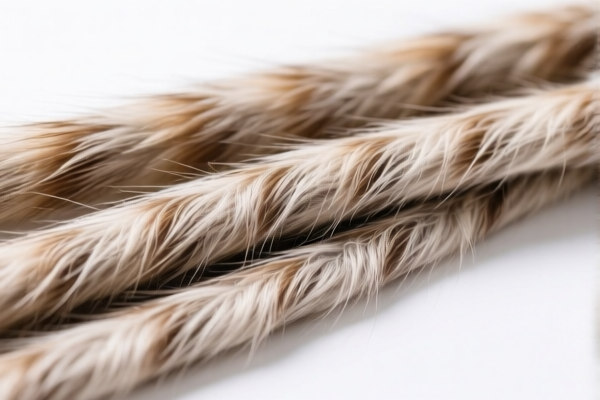
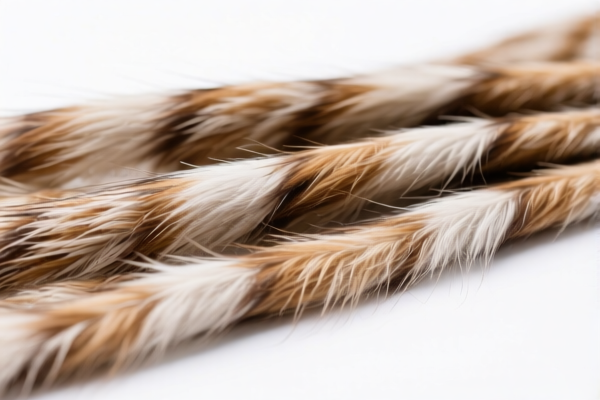
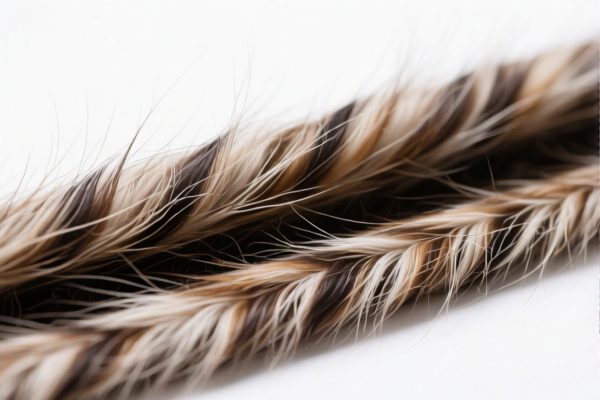
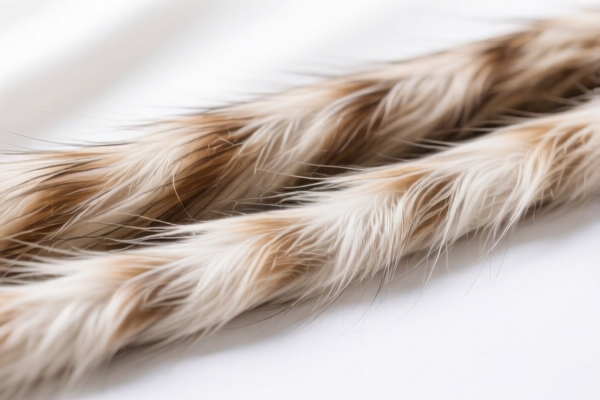
AI Analysis
🧵 Combed Blended Premium Animal Fiber Fabric
🌐 HS Code Reference & Customs Clearance Guide | 2026 Latest Tariff Breakdown | Professional Clearance Strategy
📌 I. Product Definition & Classification: Do You Really Understand "Animal Fiber Fabric"?
Combed Blended Premium Animal Fiber Fabric refers to woven textiles made from high-quality animal fibers (such as wool, cashmere, alpaca, or mohair) that have undergone a combing process to remove short fibers and align the remaining long fibers, resulting in a smoother, stronger, and higher-quality yarn.
In international trade, classification depends on: 1. The Specific Animal Fiber Content (e.g., Wool vs. Camel Hair vs. Other). 2. The Weaving Method (Woven vs. Knitted). 3. The Treatment Process (Bleached, Scoured, Dyed, etc.). 4. Weight/Composition Thresholds (e.g., >85% animal fiber vs. mixed).
⚠️ Key Distinction Points:
- If the fabric is combed, woven, and made of specific premium animal fibers (like merino wool or cashmere) with weight ≥ 200g/m², it often falls under 5111.
- If it is bleached/scoured and meets specific wool criteria, it may fall under 5111.11.
- "Blended" implies it is not 100% pure animal fiber, but the animal fiber content determines the primary classification.
- "Premium" is a marketing term, not a tariff term; customs rely on technical specs (fiber type, weight, structure).
📦 II. HS Code Classification Details (2026 Latest Tariff Authority Reference)
Based on the provided data, here are the four possible HS Codes and their specific applications:
| HS Code | Product Description | Applicable Scenario | Key Characteristics |
|---|---|---|---|
5111.19.60.20 |
Combed woven fabric of other animal fibers (blended) | Combed, woven fabrics from premium animal fibers (e.g., camel hair, alpaca) that are blended (not pure wool). | ✅ Combed, ✅ Woven, ✅ Blended, ❌ Not pure wool (5111.11) |
5111.19.60.60 |
Bleached/scoured animal fiber fabric (blended) | Bleached or scoured fabrics from animal fibers (camel hair, alpaca, etc.), woven, with no conflict in weight or composition. | ✅ Bleached/Scoured, ✅ Woven, ✅ Animal Fiber |
5111.19.60.60 |
Bleached/scoured animal fiber fabric (blended) | Duplicate HS Code for similar bleached/scoured items. Focuses on the process (bleaching/scouring) rather than just combing. | ✅ Bleached/Scoured, ✅ Woven, ✅ Animal Fiber |
5111.11.30.00 |
Bleached/scoured woven fabric of wool (blended) | Specifically for wool (not other animal fibers) that is bleached/scoured and woven. Lower tax burden. | ✅ Wool-based, ✅ Bleached/Scoured, ✅ Woven |
🔍 Important Note:
- 5111.11 is for Wool (sheep/goat).
- 5111.19 is for Other Animal Fibers (camel hair, alpaca, vicuña, mohair, etc.).
- If your "Premium Animal Fiber" is Wool, use5111.11.30.00.
- If it is Camel Hair, Alpaca, or Mohair, use5111.19.60.20or5111.19.60.60.
- Bleaching/Scouring changes the specific subheading under 5111.19.
💰 III. 2026 Latest Tariff Rate Details (Including Surcharges & Policy Add-ons)
✅ Applicable Country: United States (US)
✅ Origin: China (CN)
✅ Effective Date: 2025-11-10 onwards (for subsequent imports)
🎯 1. 5111.19.60.20 —— Combed Woven Fabric of Other Animal Fibers (Blended)
| Item | Content |
|---|---|
| Base Tariff Rate | 25.0% (ad valorem) |
| Section 301 Surcharge | +25.0% (China-specific) |
| Section 122 Tariff | +10.0% (Specific to certain textile/apparel categories) |
| Total Tax Rate | 60.0% |
| Tax Calculation | CIF Value × 60% |
| De Minimis Exemption | ❌ Not Applicable (deny_de_minimis) |
| Legal Basis Path | Section 301 → Section 122 → USITC:5111.19.60.20 |
📌 Explanation:
- This code targets blended fabrics made from non-wool animal fibers (e.g., cashmere blends, alpaca blends) that are combed.
- The 60% total rate is extremely high, driven by the combination of Section 301 (25%) and Section 122 (10%) on top of the base duty (25%).
- Critical: Ensure the fabric is indeed combed and blended. If it is pure wool, this code is incorrect.
🎯 2. 5111.19.60.60 —— Bleached/Scoured Woven Fabric of Other Animal Fibers (Blended)
| Item | Content |
|---|---|
| Base Tariff Rate | 25.0% (ad valorem) |
| Section 301 Surcharge | +25.0% (China-specific) |
| Section 122 Tariff | +10.0% (Specific to certain textile/apparel categories) |
| Total Tax Rate | 60.0% |
| Tax Calculation | CIF Value × 60% |
| De Minimis Exemption | ❌ Not Applicable (deny_de_minimis) |
| Legal Basis Path | Section 301 → Section 122 → USITC:5111.19.60.60 |
📌 Explanation:
- This code applies if the fabric is bleached or scoured (chemically treated to whiten/clean) rather than just combed.
- Even though the HS Code ends in.60, it falls under 5111.19 (Other Animal Fibers), not Wool.
- Same 60% rate as above. The difference lies in the processing state (combed vs. bleached/scoured).
- Warning: Do not mix up "combed" (mechanical) and "bleached" (chemical). If both apply, check the primary treatment. Usually, bleaching/scouring is the defining characteristic for.60.
🎯 3. 5111.11.30.00 —— Bleached/Scoured Woven Fabric of Wool (Blended)
| Item | Content |
|---|---|
| Base Tariff Rate | 10.0% (ad valorem) |
| Section 301 Surcharge | +25.0% (China-specific) |
| Section 122 Tariff | +10.0% (Specific to certain textile/apparel categories) |
| Total Tax Rate | 45.0% |
| Tax Calculation | CIF Value × 45% |
| De Minimis Exemption | ❌ Not Applicable (deny_de_minimis) |
| Legal Basis Path | Section 301 → Section 122 → USITC:5111.11.30.00 |
📌 Explanation:
- This code is for Wool (sheep/goat hair), not other animal fibers.
- If your "Premium Animal Fiber" is Merino Wool, this is the correct code.
- Savings: 15% less tax than the other codes (45% vs. 60%).
- Key: Confirm the fiber content is Wool (≥50% or primary fiber). If it's 100% wool, bleached/scoured, woven →5111.11.30.00.
🛠️ IV. Customs Clearance Practical Advice (Battle-Tested Pitfall Avoidance Guide)
✅ 1. Required Documentation Checklist (Missing Items = Delays)
| Document | Must Provide | Explanation |
|---|---|---|
| ✅ Fiber Content Analysis Report | ✔️ | Must specify exact % of wool vs. other animal fibers (e.g., 80% Wool, 20% Polyester). Critical for distinguishing 5111.11 vs. 5111.19. |
| ✅ Process Description | ✔️ | Detail if "Combed" (mechanical) or "Bleached/Scoured" (chemical). Use technical terms: "Scoured in acid/alkali," "Bleached with H2O2," etc. |
| ✅ Product Photos | ✔️ | Show fabric texture, weave type (plain, twill, satin), and weight (g/m²). |
| ✅ Commercial Invoice | ✔️ | Must list: "Combed Blended Premium Animal Fiber Fabric," HS Code, Unit Price, Total Value. |
| ✅ Packing List | ✔️ | Include roll length, weight, and dimensions. |
| ✅ Certificate of Origin | ✔️ | Required for origin verification. |
✅ 2. Declaration Tips (Key Mantras)
🔥 “Fiber Type First, Process Second, No De Minimis, Pay 45-60%! ”
| Scenario | Correct Declaration | Wrong Practice |
|---|---|---|
| 100% Wool, Bleached | 5111.11.30.00 (45%) |
Declared as 5111.19.60.60 → Overpaid 15% |
| Camel Hair Blend, Combed | 5111.19.60.20 (60%) |
Declared as "Cotton Fabric" → Smuggling/Seizure |
| Alpaca, Bleached | 5111.19.60.60 (60%) |
Declared as "Wool" → Misclassification, Penalties |
| Knitted Fabric | ❌ Not in this list | Use 5111.20-5111.90 series → Wrong Code |
📌 Critical Reminder:
- "Premium" is not a customs term. Use scientific fiber names.
- "Blended" means it’s not 100% animal fiber. You must declare the blend ratio.
- Combed vs. Bleached: If a fabric is both combed AND bleached, check the specific heading notes. Usually, bleaching/scouring is a more specific processing step than combing for subheading purposes in some cases, but always consult the latest HTS notes.
✅ 3. Special Cases Handling
| Scenario | Handling Advice |
|---|---|
| Mixed Animal Fibers (e.g., Wool + Cashmere) | Classify based on the principal fiber. If wool >50%, use 5111.11. If cashmere >50%, use 5111.19. |
| Fabric with Synthetic Blend (e.g., 70% Wool, 30% Polyester) | Still classified under Chapter 51 (Animal Fibers) if animal fiber is principal. Do not use Chapter 55 (Synthetic). |
| Sample vs. Bulk | Samples still face 45-60% duty. Do not declare as "Free of Charge" without proper justification. |
| Origin Fraud | Ensure no transshipment through Vietnam/Mexico to evade tariffs. USCBP checks fiber origin and processing country. |
🌍 V. Global Market Customs Comparison (2026 Latest)
| Country/Region | Recommended HS Code | Tariff Rate | Certification Requirement | Notes |
|---|---|---|---|---|
| 🇺🇸 USA | 5111.11.30.00 or 5111.19.60.60 |
45%-60% | None specific, but accurate fiber declaration is critical | Highest Tariff Burden. Section 301 + 122 applies. |
| 🇨🇳 China | 5111.11.30.00 or 5111.19.60.60 |
5%-10% | None | Low tariff. Focus on domestic quality standards. |
| 🇪🇺 EU | 5111.11.30 or 5111.19.60 |
6.5%-12% | REACH, Oeko-Tex (if dyed) | No Section 301/122. Lower risk. |
| 🇬🇧 UK | 5111.11.30 or 5111.19.60 |
6.5%-12% | UKCA, REACH | Post-Brexit rules mirror EU. |
| 🇦🇺 Australia | 5111.11.30 or 5111.19.60 |
5% | None | Low tariff, straightforward clearance. |
📌 Conclusion:
- USA is the most challenging market for animal fiber fabrics due to 45-60% total tariffs.
- EU/UK/Australia offer much lower duty rates (5-12%) but stricter environmental/safety certifications.
- Cost-Benefit Analysis: If exporting to the US, ensure the margin can absorb 45-60% duty. Consider shifting production to non-China origins if possible.
📌 VI. Common Mistakes & Pitfall Guide (Blood & Tears Lessons)
❌ Mistake 1: Declaring "Camel Hair" as "Wool"
👉 Consequence: Using 5111.11 (45%) instead of 5111.19 (60%) → Undervaluation + Penalties + Audit.
❌ Mistake 2: Ignoring "Bleached" vs. "Combed"
👉 Consequence: Misclassification between .20 and .60 → Delayed Customs Release + Storage Fees.
❌ Mistake 3: Claiming "De Minimis" (800 USD) for Textiles
👉 Consequence: Denied. Textiles from China are explicitly excluded from de minimis. Shipment will be held or returned.
❌ Mistake 4: Vague Description: "Fabric"
👉 Consequence: Customs cannot determine fiber type → Request for Additional Info → Delay.
✅ Correct Practice:
"Combed Woven Fabric, 80% Merino Wool, 20% Polyester, Bleached, 200g/m², Gray Color, Model: ABC-123"
🎯 VII. Conclusion: Precise Declaration Saves Money!
🎯 Remember the Mantra:
🔹 "Wool = 45%, Other Animal = 60%, No De Minimis, Always Declare Fiber!"
🔹 "HS Code Determines Tax, Misclassification Costs Double!"
📌 Pro Tip:
If your fabric is not made in China (e.g., made in Italy, Peru, Australia), you may avoid Section 301/122 tariffs and pay only the base rate.
Apply for a Pre-Ruling from USCBP if your fiber blend is complex.
📣 Immediate Action:
📞 Contact a licensed customs broker + Provide Fiber Analysis Report + Apply for HS Code Pre-Ruling
🚀 Ensure your fabric, smoothly cleared, efficiently exported, profit maximized!
✨ Professional Clearance Starts with Accurate Classification!
💼 Every cent of your cost deserves precise calculation!
Customer Reviews
About HS Code Classification
The Harmonized System (HS) is an internationally standardized nomenclature developed by the World Customs Organization (WCO) to classify traded products. Over 200 countries use the HS system as the basis for customs tariffs, trade statistics, and import/export regulations.
Each HS code follows a hierarchical structure:
- Chapter (2 digits) — Broad category of goods (e.g., Chapter 84: Machinery and Mechanical Appliances)
- Heading (4 digits) — More specific grouping within the chapter
- Subheading (6 digits) — Internationally standardized breakdown, used by all WCO member countries
- National subdivisions (8-10 digits) — Country-specific extensions for further classification, such as US HTSUS 10-digit codes
Correct HS code classification is essential for smooth customs clearance, accurate duty payment, and compliance with trade regulations. Misclassification can lead to customs delays, overpayment of duties, or penalties.
When importing from CN to US, the applicable tariff rates may include:
- Most-Favored-Nation (MFN) rate — The standard duty rate applied to WTO members
- General rate — Applied to countries without trade agreements
- Trade remedy duties — Additional tariffs such as Section 301 (anti-dumping), Section 232 (national security), or countervailing duties
The information provided on this page is for reference purposes only. For official classification, please consult with your local customs authority or a licensed customs broker.