Composite Non woven Shoe Material
CN → US| HS编码 | 关税税率 | 原产国 | 目的国 | 文档 |
|---|---|---|---|---|
| 3926909989 | 22.8% | CN | US | 官方文档 |
| 6406106000 | 17.5% | CN | US | 官方文档 |
| 5603130010 | 35.0% | CN | US | 官方文档 |
| 5603143000 | 35.0% | CN | US | 官方文档 |
商品图片
AI分析
🧵 Composite Non-Woven Shoe Material
🌐 HS Code Classification & Customs Clearance Guide | 2026 Latest Tariff Analysis | Pro-Level Import Strategy
📌 One Product, Four Possible HS Codes – Know Which One Applies to You!
📦 I. Product Definition & Classification Breakdown: What Is "Composite Non-Woven Shoe Material"?
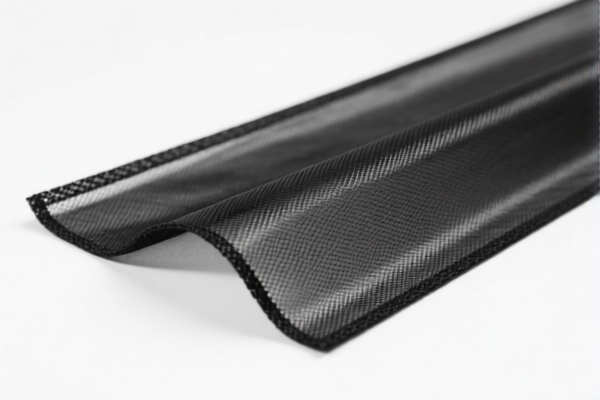
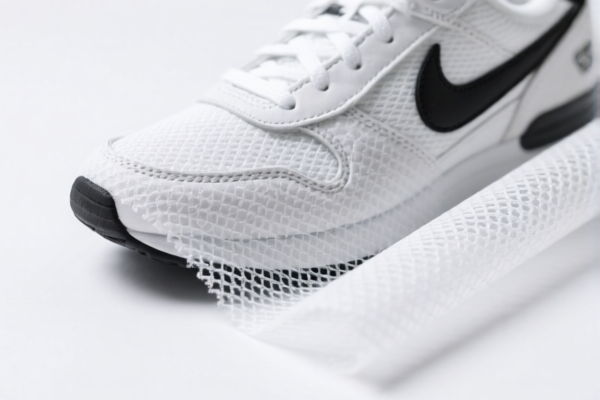
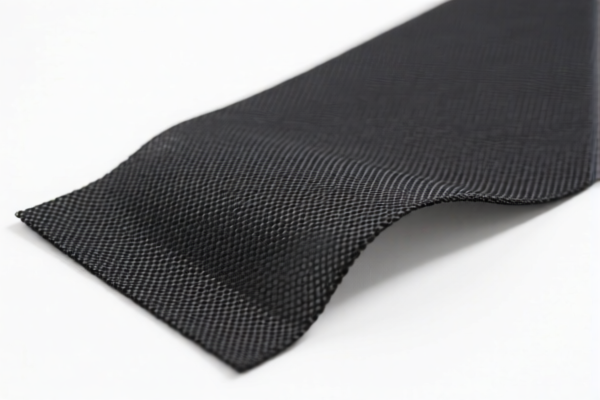
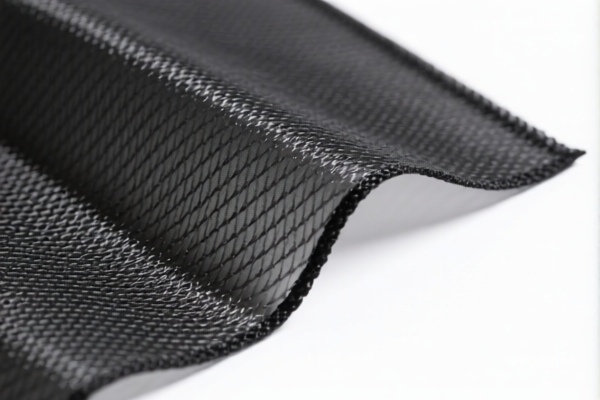
Composite non-woven shoe material refers to textile-like, flexible, multi-layered fabric used in shoe uppers, linings, or structural components, made from synthetic fibers (e.g., polyester, polypropylene) bonded without weaving. It’s not a traditional fabric, nor is it rubber or leather — it’s a synthetic, non-woven, engineered material designed for durability, breathability, and lightweight performance.
⚠️ Key Feature:
- Composite = Layered structure (e.g., non-woven + film + adhesive)
- Non-woven = No interlacing of yarns; fibers are bonded mechanically, thermally, or chemically
- Shoe Material = Used in shoe uppers, midsoles, insoles, or interior panels📌 Critical Insight:
This material does not fall under textile categories (like 5602 or 5603.19) if it's not a fabric — instead, it’s treated as a plastic or synthetic composite, depending on its composition and function.
📊 II. HS Code Classification Summary (2026 Latest Tariff Authority)
| HS Code | Product Description | Applicable Scenario | Key Reasoning |
|---|---|---|---|
3926.90.99.89 |
Other plastic or synthetic material articles, not elsewhere specified | Used as shoe components where plastic/synthetic composite dominates | Classified as plastic/chemical-based product, not textile |
6406.10.60.00 |
Parts of footwear, made of rubber or plastics (non-metallic) | Shoe upper parts made from non-metallic synthetic materials | Fits the logic of plastic/rubber-based shoe parts |
5603.13.00.10 |
Non-woven fabrics, not made of rubber, plastic, wood pulp, or glass fiber | Composite non-woven fabric with no rubber/plastic base | Applies when non-woven layer is primary and not bonded with plastic film |
5603.14.30.00 |
Non-woven fabrics, made from synthetic filaments, weight ≥ 100 g/m², laminated | Laminated, high-weight synthetic non-woven used in shoe uppers | Matches artificial filament + layering + weight criteria |
✅ Important:
- Only one HS code applies per shipment — choose based on material composition, structure, and end use
- Misclassification = Overpayment, delays, penalties
💰 III. 2026 Latest Tariff Breakdown (US Market | China Origin)
✅ Target Country: United States (US)
✅ Origin: China (CN)
✅ Effective Date: November 10, 2025 (including all subsequent imports)
🎯 1. 3926.90.99.89 — Composite Non-Woven Shoe Material as Plastic/Synthetic Product
| Item | Detail |
|---|---|
| Base Tariff | 5.3% (ad valorem) |
| Section 301 (USITC) Additional Duty | +7.5% |
| Section 122 (IEEPA) Emergency Tariff | +10.0% |
| Total Effective Duty | 22.8% |
| Tax Calculation | CIF Value × 22.8% |
| De Minimis Threshold | ❌ Not eligible (denied under US law) |
| Legal Basis Path | IEEPA:9903.01.25 → USITC:3926.90.99.89 → FOOTNOTE:9903.88.01 |
📌 Why This Applies:
- The material is primarily synthetic polymer-based, even if layered with non-woven fabric
- If plastic film or resin is a key structural component, it’s not a textile → 3926.90.99.89 applies
- Common in waterproof shoe linings, bonded shoe uppers, or molded panels
🎯 2. 6406.10.60.00 — Shoe Parts Made of Rubber or Plastic (Non-Metallic)
| Item | Detail |
|---|---|
| Base Tariff | 0.0% |
| Section 301 (USITC) Additional Duty | +7.5% |
| Section 122 (IEEPA) Emergency Tariff | +10.0% |
| Total Effective Duty | 17.5% |
| Tax Calculation | CIF Value × 17.5% |
| De Minimis Threshold | ❌ Not eligible |
| Legal Basis Path | IEEPA:9903.01.24 → USITC:6406.10.60.00 → FOOTNOTE:9903.88.01 |
📌 Why This Applies:
- The material is used as a shoe upper or component
- Made from non-metallic synthetic materials (plastic/rubber)
- Fits footwear part classification under Chapter 64
- Best choice if the material is clearly a shoe part, not a standalone fabric
🎯 3. 5603.13.00.10 — Non-Woven Fabric (Not Rubber/Plastic/Wood/Glass Fiber)
| Item | Detail |
|---|---|
| Base Tariff | 0.0% |
| Section 301 (USITC) Additional Duty | +25.0% |
| Section 122 (IEEPA) Emergency Tariff | +10.0% |
| Total Effective Duty | 35.0% |
| Tax Calculation | CIF Value × 35.0% |
| De Minimis Threshold | ❌ Not eligible |
| Legal Basis Path | IEEPA:9901.25 → USITC:5603.13.00.10 → FOOTNOTE:9903.88.01 |
📌 Why This Applies:
- The material is non-woven, not bonded with plastic or rubber, and not derived from wood pulp or glass fiber
- Only if the composite structure is not dominated by synthetic film or resin
- High-risk category — 35% tax is extremely punitive
🎯 4. 5603.14.30.00 — Non-Woven Fabric from Synthetic Filaments, ≥100 g/m², Laminated
| Item | Detail |
|---|---|
| Base Tariff | 0.0% |
| Section 301 (USITC) Additional Duty | +25.0% |
| Section 122 (IEEPA) Emergency Tariff | +10.0% |
| Total Effective Duty | 35.0% |
| Tax Calculation | CIF Value × 35.0% |
| De Minimis Threshold | ❌ Not eligible |
| Legal Basis Path | IEEPA:9901.25 → USITC:5603.14.30.00 → FOOTNOTE:9903.88.01 |
📌 Why This Applies:
- The material is made from synthetic filaments (e.g., polyester)
- Weight ≥ 100 g/m² (common in shoe uppers)
- Laminated or bonded (e.g., with film or adhesive)
- Most restrictive category — 35% tariff applies if it fits all criteria
🛠️ IV. Customs Clearance Best Practices (Pro Tips to Avoid Penalties)
✅ 1. Documentation Checklist (MUST-HAVE)
| Document | Required? | Why It Matters |
|---|---|---|
| ✅ Product Specification Sheet | ✔️ | Shows fiber type, weight, layer structure |
| ✅ Material Safety Data Sheet (MSDS) | ✔️ | Proves non-rubber/plastic base (if needed) |
| ✅ Lamination Diagram / Cross-Section Image | ✔️ | Critical for distinguishing plastic film vs. non-woven |
| ✅ Commercial Invoice | ✔️ | Must clearly state: "Composite Non-Woven Shoe Material – For Use in Shoe Uppers" |
| ✅ Certificate of Origin (CO) | ✔️ | Needed for tariff eligibility |
| ✅ Third-Party Test Report (e.g., ASTM, ISO) | ✔️ | Validates weight, composition, durability |
| ✅ Packing List | ✔️ | Shows unit count, weight, packaging type |
✅ 2.申报技巧 (申报口诀)
🔥 “层结构看主材,鞋用归6406,塑料为主归3926,非织造层重看5603”
| Scenario | Correct HS Code | Common Mistake |
|---|---|---|
| Material is plastic film + non-woven layer, used in shoe uppers | 3926.90.99.89 |
Misreported as 5603.14.30.00 → 35% tax |
| Material is non-woven, laminated, ≥100 g/m², synthetic filament | 5603.14.30.00 |
Misreported as 6406.10.60.00 → 17.5% vs 35% |
| Material is used in shoe upper, non-metallic, not rubber/plastic dominant | 6406.10.60.00 |
Misreported as 3926.90.99.89 → 22.8% vs 17.5% |
| Material is non-woven, no plastic/rubber, not synthetic filament | 5603.13.00.10 |
Misreported as 6406.10.60.00 → 35% vs 17.5% |
✅ 3. Special Cases & Solutions
| Situation | Recommended Action |
|---|---|
| Material is 60% non-woven, 40% plastic film | Use 3926.90.99.89 — plastic dominates |
| Material is 80% synthetic filament, 20% adhesive | Use 5603.14.30.00 — meets weight & filament criteria |
| Used in shoe lining, not upper | Still 6406.10.60.00 — part of footwear |
| Custom-designed for high-end sneakers | Apply for Advance Ruling (Pre-Decision) to lock in HS Code |
| Exporting to EU, Canada, Japan | Lower tariffs — only 0–5%, no IEEPA/301 |
🌍 V. Global Market Tariff Comparison (2026)
| Country | Recommended HS Code | Base Tariff | Additional Duties | Total Effective Duty | Notes |
|---|---|---|---|---|---|
| 🇺🇸 USA | Depends on structure | 0–5.3% | +7.5% (301) +10% (IEEPA) | 17.5% – 35% | No de minimis |
| 🇨🇳 China | 5603.14.30.00 or 3926.90.99.89 |
5% | None | 5% | No extra tariffs |
| 🇪🇺 EU | 5603.14.30.00 |
0% | None | 0% | CE certification required |
| 🇨🇦 Canada | 5603.14.30.00 |
0% | None | 0% | USMCA applies |
| 🇯🇵 Japan | 5603.14.30.00 |
0% | None | 0% | No extra tariffs |
| 🇦🇺 Australia | 5603.14.30.00 |
5% | None | 5% | No IEEPA/301 |
📌 Key Takeaway:
- USA is the only market with extreme tariffs (up to 35%)
- China, EU, Canada, Japan, Australia are much more favorable
- Consider shifting production or sourcing to Vietnam, Mexico, or Thailand to avoid 301/IEEPA
🚨 VI. Common Mistakes & Legal Risks (Avoid These!)
❌ Mistake 1: Reporting 5603.14.30.00 for a plastic-dominated composite
👉 Result: 35% tax instead of 22.8% → overpayment + audit risk
❌ Mistake 2: Using 6406.10.60.00 for non-shoe parts (e.g., packaging, insulation)
👉 Result: Misclassification → penalties, fines, or seizure
❌ Mistake 3: Not providing cross-section images or material structure proof
👉 Result: Customs refuses classification → delayed release or rejection
❌ Mistake 4: Assuming all non-woven fabrics are the same
👉 Result: Wrong HS code → tariff miscalculation → profit loss
✅ Correct Declaration Example:
"Composite Non-Woven Shoe Material, 120 g/m², Polyester Filament Base, Laminated with Polypropylene Film, Used in Athletic Shoe Uppers, Not Rubber or Plastic Dominant"
🎯 VII. Final Verdict: Choose Wisely, Save Big!
🔹 Lowest Tax:
6406.10.60.00→ 17.5% (if used in shoe parts)
🔹 Moderate Tax:3926.90.99.89→ 22.8% (if plastic-based)
🔹 Highest Tax:5603.14.30.00or5603.13.00.10→ 35.0% (if non-woven dominates)📌 Pro Tip:
- Apply for Advance Ruling (Pre-Decision) before shipping
- Use material structure diagrams to justify classification
- Avoid the 35% trap — only use 5603 codes if truly non-plastic and filament-based
📣 Act Now: Secure Your Supply Chain & Avoid Tariff Traps!
📞 Contact a licensed customs broker + provide cross-section image + material specs
🚀 Get your HS Code pre-approved — avoid delays, overpayment, and penalties
✨ Precision in Classification = Profit in Export!
💼 Your next shipment could save you 17.5% — just by choosing the right HS code!
用户评价
关于 HS 编码归类
协调制度(HS)是由世界海关组织(WCO)制定的国际贸易商品分类标准。全球 200 多个国家采用 HS 系统作为海关关税、贸易统计和进出口监管的基础。
每个 HS 编码遵循以下层级结构:
- 章(2 位)——商品大类(例如:第 84 章:机器和机械设备)
- 品目(4 位)——章内的更具体分类
- 子目(6 位)——国际通用细分,所有 WCO 成员国统一使用
- 本国细分(8-10 位)——各国自行扩展的细分编码,如美国 HTSUS 10 位编码
正确的 HS 编码归类对于顺利通关、准确缴纳关税和遵守贸易法规至关重要。错误归类可能导致海关延误、多缴关税或罚款。
从CN进口到US时,适用的关税税率可能包括:
- 最惠国(MFN)税率——适用于 WTO 成员国的标准关税税率
- 普通税率——适用于无贸易协定国家
- 贸易救济关税——附加关税,如 301 条款(反倾销)、232 条款(国家安全)或反补贴税
本页内容仅供参考。如需正式归类,请咨询当地海关或持牌报关代理。