Composite Non woven Shoe Material
CN → US| HS Code | Tariff Rate | Origin | Destination | Doc |
|---|---|---|---|---|
| 3926909989 | 22.8% | CN | US | Official Doc |
| 6406106000 | 17.5% | CN | US | Official Doc |
| 5603130010 | 35.0% | CN | US | Official Doc |
| 5603143000 | 35.0% | CN | US | Official Doc |
Product Images
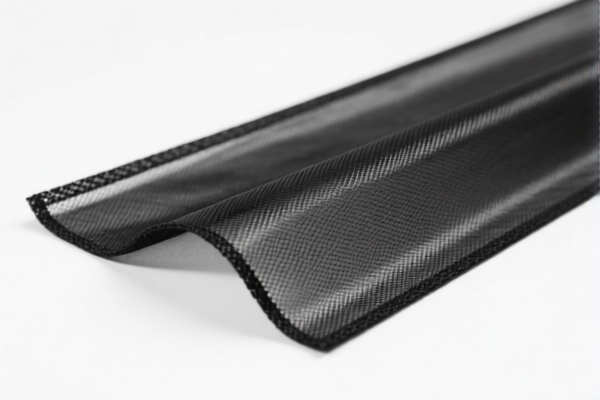
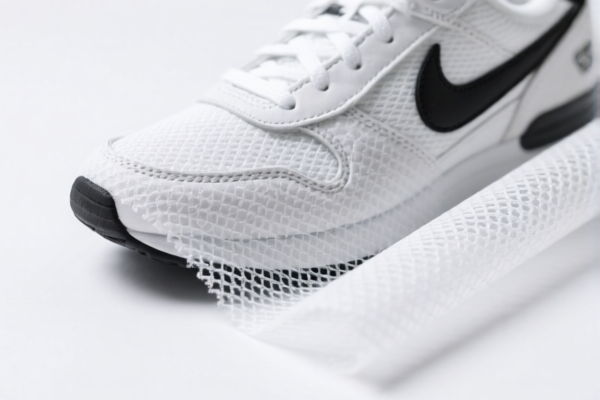
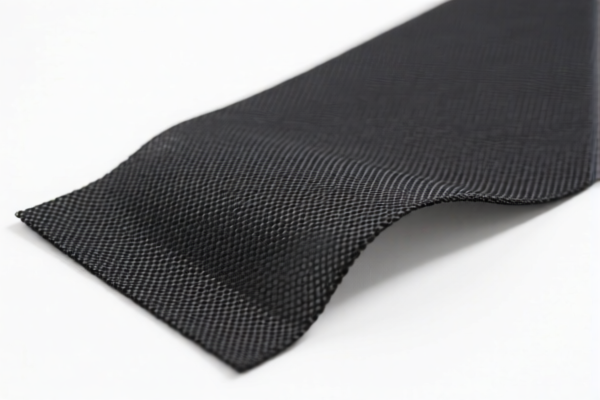
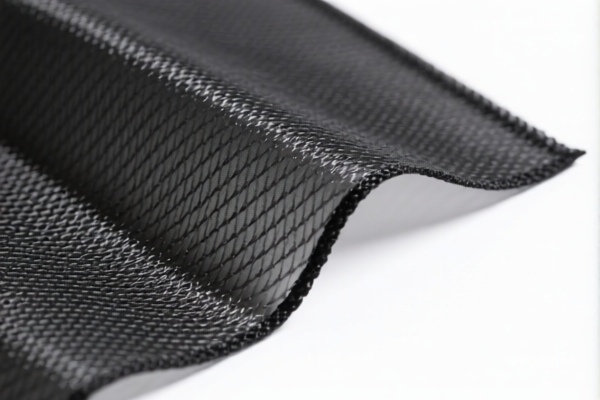
AI Analysis
🧵 Composite Non-Woven Shoe Material
🌐 HS Code Classification & Customs Clearance Guide | 2026 Latest Tariff Analysis | Pro-Level Import Strategy
📌 One Product, Four Possible HS Codes – Know Which One Applies to You!
📦 I. Product Definition & Classification Breakdown: What Is "Composite Non-Woven Shoe Material"?
Composite non-woven shoe material refers to textile-like, flexible, multi-layered fabric used in shoe uppers, linings, or structural components, made from synthetic fibers (e.g., polyester, polypropylene) bonded without weaving. It’s not a traditional fabric, nor is it rubber or leather — it’s a synthetic, non-woven, engineered material designed for durability, breathability, and lightweight performance.
⚠️ Key Feature:
- Composite = Layered structure (e.g., non-woven + film + adhesive)
- Non-woven = No interlacing of yarns; fibers are bonded mechanically, thermally, or chemically
- Shoe Material = Used in shoe uppers, midsoles, insoles, or interior panels📌 Critical Insight:
This material does not fall under textile categories (like 5602 or 5603.19) if it's not a fabric — instead, it’s treated as a plastic or synthetic composite, depending on its composition and function.
📊 II. HS Code Classification Summary (2026 Latest Tariff Authority)
| HS Code | Product Description | Applicable Scenario | Key Reasoning |
|---|---|---|---|
3926.90.99.89 |
Other plastic or synthetic material articles, not elsewhere specified | Used as shoe components where plastic/synthetic composite dominates | Classified as plastic/chemical-based product, not textile |
6406.10.60.00 |
Parts of footwear, made of rubber or plastics (non-metallic) | Shoe upper parts made from non-metallic synthetic materials | Fits the logic of plastic/rubber-based shoe parts |
5603.13.00.10 |
Non-woven fabrics, not made of rubber, plastic, wood pulp, or glass fiber | Composite non-woven fabric with no rubber/plastic base | Applies when non-woven layer is primary and not bonded with plastic film |
5603.14.30.00 |
Non-woven fabrics, made from synthetic filaments, weight ≥ 100 g/m², laminated | Laminated, high-weight synthetic non-woven used in shoe uppers | Matches artificial filament + layering + weight criteria |
✅ Important:
- Only one HS code applies per shipment — choose based on material composition, structure, and end use
- Misclassification = Overpayment, delays, penalties
💰 III. 2026 Latest Tariff Breakdown (US Market | China Origin)
✅ Target Country: United States (US)
✅ Origin: China (CN)
✅ Effective Date: November 10, 2025 (including all subsequent imports)
🎯 1. 3926.90.99.89 — Composite Non-Woven Shoe Material as Plastic/Synthetic Product
| Item | Detail |
|---|---|
| Base Tariff | 5.3% (ad valorem) |
| Section 301 (USITC) Additional Duty | +7.5% |
| Section 122 (IEEPA) Emergency Tariff | +10.0% |
| Total Effective Duty | 22.8% |
| Tax Calculation | CIF Value × 22.8% |
| De Minimis Threshold | ❌ Not eligible (denied under US law) |
| Legal Basis Path | IEEPA:9903.01.25 → USITC:3926.90.99.89 → FOOTNOTE:9903.88.01 |
📌 Why This Applies:
- The material is primarily synthetic polymer-based, even if layered with non-woven fabric
- If plastic film or resin is a key structural component, it’s not a textile → 3926.90.99.89 applies
- Common in waterproof shoe linings, bonded shoe uppers, or molded panels
🎯 2. 6406.10.60.00 — Shoe Parts Made of Rubber or Plastic (Non-Metallic)
| Item | Detail |
|---|---|
| Base Tariff | 0.0% |
| Section 301 (USITC) Additional Duty | +7.5% |
| Section 122 (IEEPA) Emergency Tariff | +10.0% |
| Total Effective Duty | 17.5% |
| Tax Calculation | CIF Value × 17.5% |
| De Minimis Threshold | ❌ Not eligible |
| Legal Basis Path | IEEPA:9903.01.24 → USITC:6406.10.60.00 → FOOTNOTE:9903.88.01 |
📌 Why This Applies:
- The material is used as a shoe upper or component
- Made from non-metallic synthetic materials (plastic/rubber)
- Fits footwear part classification under Chapter 64
- Best choice if the material is clearly a shoe part, not a standalone fabric
🎯 3. 5603.13.00.10 — Non-Woven Fabric (Not Rubber/Plastic/Wood/Glass Fiber)
| Item | Detail |
|---|---|
| Base Tariff | 0.0% |
| Section 301 (USITC) Additional Duty | +25.0% |
| Section 122 (IEEPA) Emergency Tariff | +10.0% |
| Total Effective Duty | 35.0% |
| Tax Calculation | CIF Value × 35.0% |
| De Minimis Threshold | ❌ Not eligible |
| Legal Basis Path | IEEPA:9901.25 → USITC:5603.13.00.10 → FOOTNOTE:9903.88.01 |
📌 Why This Applies:
- The material is non-woven, not bonded with plastic or rubber, and not derived from wood pulp or glass fiber
- Only if the composite structure is not dominated by synthetic film or resin
- High-risk category — 35% tax is extremely punitive
🎯 4. 5603.14.30.00 — Non-Woven Fabric from Synthetic Filaments, ≥100 g/m², Laminated
| Item | Detail |
|---|---|
| Base Tariff | 0.0% |
| Section 301 (USITC) Additional Duty | +25.0% |
| Section 122 (IEEPA) Emergency Tariff | +10.0% |
| Total Effective Duty | 35.0% |
| Tax Calculation | CIF Value × 35.0% |
| De Minimis Threshold | ❌ Not eligible |
| Legal Basis Path | IEEPA:9901.25 → USITC:5603.14.30.00 → FOOTNOTE:9903.88.01 |
📌 Why This Applies:
- The material is made from synthetic filaments (e.g., polyester)
- Weight ≥ 100 g/m² (common in shoe uppers)
- Laminated or bonded (e.g., with film or adhesive)
- Most restrictive category — 35% tariff applies if it fits all criteria
🛠️ IV. Customs Clearance Best Practices (Pro Tips to Avoid Penalties)
✅ 1. Documentation Checklist (MUST-HAVE)
| Document | Required? | Why It Matters |
|---|---|---|
| ✅ Product Specification Sheet | ✔️ | Shows fiber type, weight, layer structure |
| ✅ Material Safety Data Sheet (MSDS) | ✔️ | Proves non-rubber/plastic base (if needed) |
| ✅ Lamination Diagram / Cross-Section Image | ✔️ | Critical for distinguishing plastic film vs. non-woven |
| ✅ Commercial Invoice | ✔️ | Must clearly state: "Composite Non-Woven Shoe Material – For Use in Shoe Uppers" |
| ✅ Certificate of Origin (CO) | ✔️ | Needed for tariff eligibility |
| ✅ Third-Party Test Report (e.g., ASTM, ISO) | ✔️ | Validates weight, composition, durability |
| ✅ Packing List | ✔️ | Shows unit count, weight, packaging type |
✅ 2.申报技巧 (申报口诀)
🔥 “层结构看主材,鞋用归6406,塑料为主归3926,非织造层重看5603”
| Scenario | Correct HS Code | Common Mistake |
|---|---|---|
| Material is plastic film + non-woven layer, used in shoe uppers | 3926.90.99.89 |
Misreported as 5603.14.30.00 → 35% tax |
| Material is non-woven, laminated, ≥100 g/m², synthetic filament | 5603.14.30.00 |
Misreported as 6406.10.60.00 → 17.5% vs 35% |
| Material is used in shoe upper, non-metallic, not rubber/plastic dominant | 6406.10.60.00 |
Misreported as 3926.90.99.89 → 22.8% vs 17.5% |
| Material is non-woven, no plastic/rubber, not synthetic filament | 5603.13.00.10 |
Misreported as 6406.10.60.00 → 35% vs 17.5% |
✅ 3. Special Cases & Solutions
| Situation | Recommended Action |
|---|---|
| Material is 60% non-woven, 40% plastic film | Use 3926.90.99.89 — plastic dominates |
| Material is 80% synthetic filament, 20% adhesive | Use 5603.14.30.00 — meets weight & filament criteria |
| Used in shoe lining, not upper | Still 6406.10.60.00 — part of footwear |
| Custom-designed for high-end sneakers | Apply for Advance Ruling (Pre-Decision) to lock in HS Code |
| Exporting to EU, Canada, Japan | Lower tariffs — only 0–5%, no IEEPA/301 |
🌍 V. Global Market Tariff Comparison (2026)
| Country | Recommended HS Code | Base Tariff | Additional Duties | Total Effective Duty | Notes |
|---|---|---|---|---|---|
| 🇺🇸 USA | Depends on structure | 0–5.3% | +7.5% (301) +10% (IEEPA) | 17.5% – 35% | No de minimis |
| 🇨🇳 China | 5603.14.30.00 or 3926.90.99.89 |
5% | None | 5% | No extra tariffs |
| 🇪🇺 EU | 5603.14.30.00 |
0% | None | 0% | CE certification required |
| 🇨🇦 Canada | 5603.14.30.00 |
0% | None | 0% | USMCA applies |
| 🇯🇵 Japan | 5603.14.30.00 |
0% | None | 0% | No extra tariffs |
| 🇦🇺 Australia | 5603.14.30.00 |
5% | None | 5% | No IEEPA/301 |
📌 Key Takeaway:
- USA is the only market with extreme tariffs (up to 35%)
- China, EU, Canada, Japan, Australia are much more favorable
- Consider shifting production or sourcing to Vietnam, Mexico, or Thailand to avoid 301/IEEPA
🚨 VI. Common Mistakes & Legal Risks (Avoid These!)
❌ Mistake 1: Reporting 5603.14.30.00 for a plastic-dominated composite
👉 Result: 35% tax instead of 22.8% → overpayment + audit risk
❌ Mistake 2: Using 6406.10.60.00 for non-shoe parts (e.g., packaging, insulation)
👉 Result: Misclassification → penalties, fines, or seizure
❌ Mistake 3: Not providing cross-section images or material structure proof
👉 Result: Customs refuses classification → delayed release or rejection
❌ Mistake 4: Assuming all non-woven fabrics are the same
👉 Result: Wrong HS code → tariff miscalculation → profit loss
✅ Correct Declaration Example:
"Composite Non-Woven Shoe Material, 120 g/m², Polyester Filament Base, Laminated with Polypropylene Film, Used in Athletic Shoe Uppers, Not Rubber or Plastic Dominant"
🎯 VII. Final Verdict: Choose Wisely, Save Big!
🔹 Lowest Tax:
6406.10.60.00→ 17.5% (if used in shoe parts)
🔹 Moderate Tax:3926.90.99.89→ 22.8% (if plastic-based)
🔹 Highest Tax:5603.14.30.00or5603.13.00.10→ 35.0% (if non-woven dominates)📌 Pro Tip:
- Apply for Advance Ruling (Pre-Decision) before shipping
- Use material structure diagrams to justify classification
- Avoid the 35% trap — only use 5603 codes if truly non-plastic and filament-based
📣 Act Now: Secure Your Supply Chain & Avoid Tariff Traps!
📞 Contact a licensed customs broker + provide cross-section image + material specs
🚀 Get your HS Code pre-approved — avoid delays, overpayment, and penalties
✨ Precision in Classification = Profit in Export!
💼 Your next shipment could save you 17.5% — just by choosing the right HS code!
Customer Reviews
About HS Code Classification
The Harmonized System (HS) is an internationally standardized nomenclature developed by the World Customs Organization (WCO) to classify traded products. Over 200 countries use the HS system as the basis for customs tariffs, trade statistics, and import/export regulations.
Each HS code follows a hierarchical structure:
- Chapter (2 digits) — Broad category of goods (e.g., Chapter 84: Machinery and Mechanical Appliances)
- Heading (4 digits) — More specific grouping within the chapter
- Subheading (6 digits) — Internationally standardized breakdown, used by all WCO member countries
- National subdivisions (8-10 digits) — Country-specific extensions for further classification, such as US HTSUS 10-digit codes
Correct HS code classification is essential for smooth customs clearance, accurate duty payment, and compliance with trade regulations. Misclassification can lead to customs delays, overpayment of duties, or penalties.
When importing from CN to US, the applicable tariff rates may include:
- Most-Favored-Nation (MFN) rate — The standard duty rate applied to WTO members
- General rate — Applied to countries without trade agreements
- Trade remedy duties — Additional tariffs such as Section 301 (anti-dumping), Section 232 (national security), or countervailing duties
The information provided on this page is for reference purposes only. For official classification, please consult with your local customs authority or a licensed customs broker.