Condiments
CN → US| HS编码 | 关税税率 | 原产国 | 目的国 | 文档 |
|---|---|---|---|---|
| 1801000000 | 0.0% | CN | US | 官方文档 |
| 1806000000 | 0.0% | CN | US | 官方文档 |
| 2103907200 | 25.0% | CN | US | 官方文档 |
| 2103907400 | 25.0% | CN | US | 官方文档 |
| 2007994500 | 40.6% | CN | US | 官方文档 |
| 2007914000 | 38.5% | CN | US | 官方文档 |
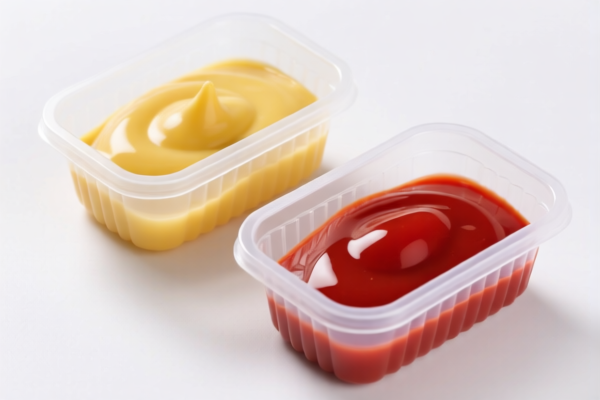
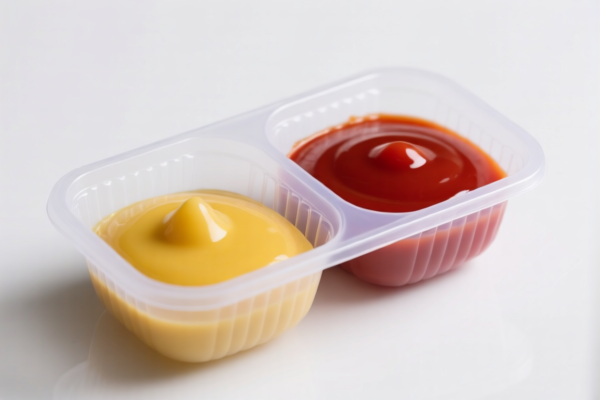
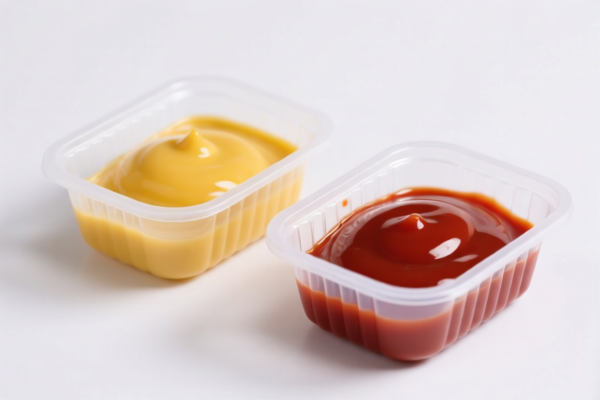
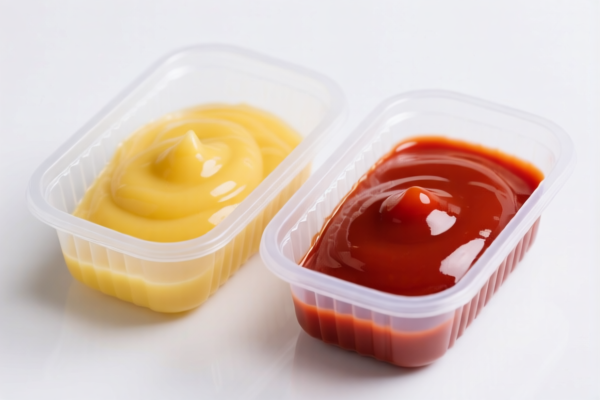
商品图片
AI分析
🌶️ Condiments & Sauces (Mixed Condiments, Jams, Marmalades, and Preparations)
🌐 HS Code Reference & Clearance Guide | 2026 Customs Classification Strategy | Expert Compliance
📌 I. Product Definition: What Are "Condiments" in International Trade?
In the context of US Customs and Border Protection (CBP) and general international trade, "Condiments" is a broad category covering sauces, mixed seasonings, jams, and fruit preserves. However, classification depends strictly on composition, sugar content, and primary function.
Key Distinctions: 1. Mixed Condiments/Seasonings: Blends of spices, extracts, or sauces (e.g., hot sauce, ketchup bases, spice mixes). Governed by Chapter 21. 2. Cooked Fruit Preparations (Jams/Marmalades): Fruit cooked with sugar/preservatives. Governed by Chapter 20 (if fruit-based) or Chapter 18 (if cocoa-based, though rare for "condiments"). 3. Cocoa Beans: Raw materials, not processed condiments. Governed by Chapter 18.
⚠️ Critical Note:
- "Mixed Condiments" often benefit from 0% additional duty under specific US Notes, but only if they meet strict definitions.
- Marmalades and Orange Marmalade are subject to higher duties if not specifically exempted.
📦 II. HS Code Classification Matrix (Based on Provided Data)
| HS Code | Product Description | Category | Tax Status (Total) | Key Differentiator |
|---|---|---|---|---|
1801.00.00.00 |
Cocoa beans, whole or broken, raw or roasted | Raw Material | ❌ Error (Retrieve Failed) | Unprocessed cocoa. Not a finished condiment. |
1806.00.00.00 |
Cocoa preparations <10% cocoa butter | Processed Cocoa | ❌ Error (Retrieve Failed) | High cocoa content. Not a typical "condiment." |
2103.90.72.00 |
Mixed condiments/seasonings (Note 3) | Mixed Seasoning | ✅ 0.0% | Meets Additional U.S. Note 3 criteria. |
2103.90.74.00 |
Mixed condiments/seasonings (Note 4) | Mixed Seasoning | ✅ 0.0% | Meets Additional U.S. Note 4 criteria. |
2007.99.45.00 |
Jams, Marmalades, Purees (Non-Citrus) | Fruit Preserve | ✅ 0.0% | "Jams: Other" (e.g., strawberry, raspberry). |
2007.91.40.00 |
Orange Marmalade (Citrus Fruit) | Fruit Preserve | ⚠️ 28.5% | Citrus-based marmalade. Higher duty. |
🔍 Analysis of Tax Data:
- Cocoa Items (1801,1806): Tax retrieval failed. Action Required: Verify current HTSUS rates manually, as cocoa often carries standard MFN rates (typically 0-15%) but is not a condiment.
- Mixed Condiments (2103.90.72/74): 0% Total Tax. This is a highly favorable classification for spice blends, hot sauces, and mixed seasonings that comply with US Note 3 or 4.
- Jams (2007.99.45): 0% Total Tax. Non-citrus jams (e.g., apple, grape) are duty-free.
- Orange Marmalade (2007.91.40): 28.5% Total Tax (3.5% Base + 25% Additional). This is the costliest item in the list.
💰 III. Detailed Tax Breakdown & Legal Basis
✅ Scope: U.S. Imports
✅ Source Data: Provided JSON Tax Details
🎯 1. Mixed Condiments & Seasonings (2103.90.72.00 / 2103.90.74.00)
| Item | Detail |
|---|---|
| Total Tax Rate | 0.0% |
| Base Duty | 0.0% |
| Additional Duty | 0.0% |
| Legal Basis | Additional U.S. Note 3 or Note 4 to Chapter 21 |
| Interpretation | These codes apply to "Mixed Condiments and Mixed Seasonings" that are specifically described in Additional U.S. Note 3 or Note 4. These notes typically cover products that are not soy sauce, ketchup, or mustard-based preparations but are complex blends. |
| Compliance Tip | Ensure your product label clearly states it is a "Mixed Condiment" or "Seasoning Blend" and does not resemble a standard sauce like ketchup (which may fall under different subheadings). |
🎯 2. Non-Citrus Jams & Marmalades (2007.99.45.00)
| Item | Detail |
|---|---|
| Total Tax Rate | 0.0% |
| Base Duty | 0.0% |
| Additional Duty | 0.0% |
| Product Scope | Jams, fruit jellies, marmalades, pureés obtained by cooking, whether or not containing added sugar. Specifically "Jams: Other". |
| Interpretation | This covers jams made from non-citrus fruits (e.g., strawberry, blueberry, peach). |
| Compliance Tip | Do not classify orange marmalade here. Orange marmalade has a separate, taxable code. |
🎯 3. Orange Marmalade (2007.91.40.00)
| Item | Detail |
|---|---|
| Total Tax Rate | 28.5% |
| Base Duty | 3.5% |
| Additional Duty | 25.0% |
| Product Scope | Citrus fruit preparations, specifically Orange Marmalade. |
| Interpretation | This is a citrus-specific subheading. The 25% additional duty suggests it may be subject to trade measures or higher standard rates for citrus preserves. |
| Compliance Tip | Strict Classification: If your product contains any orange peel/juice as the primary fruit, it must go here. Misclassifying it as 2007.99.45.00 (0%) will result in seizure, penalties, and back duties. |
⚠️ 4. Cocoa Items (1801.00.00.00 / 1806.00.00.00)
| Item | Detail |
|---|---|
| Status | Tax Retrieval Failed |
| Description | Raw/Roasted Cocoa Beans (1801); Cocoa Preparations <10% Butter (1806) |
| Note | These are NOT condiments. They are raw agricultural products or cocoa bases. |
| Action | Consult a licensed customs broker for current HTSUS rates for cocoa. Typically, raw cocoa beans have 0% duty, while cocoa preparations vary. Do not misclassify these as "condiments." |
🛠️ IV. Clearance & Compliance Strategy
✅ 1. Documentation Requirements
| Document | Requirement | Reason |
|---|---|---|
| Commercial Invoice | Must clearly state "Mixed Condiments" or "Orange Marmalade" | Avoid vague terms like "Food" or "Spices." |
| Product Formula | Required for 2103.90.72/74 |
To prove it qualifies as a "Mixed Condiment" under US Notes 3/4. |
| Ingredient List | Critical for 2007.91.40 vs 2007.99.45 |
To prove if the fruit is Citrus (Orange) or Non-Citrus. |
| Processing Method | Required for Chapter 20 | Must confirm products are "obtained by cooking." |
✅ 2. Classification Pitfalls to Avoid
| Mistake | Consequence | Correct Action |
|---|---|---|
| Classifying Orange Marmalade as "Other Jam" | 28.5% Duty vs 0% Duty → Risk of 100% penalty | Use 2007.91.40.00 for any orange-based marmalade. |
| Calling Cocoa Beans "Cocoa Condiment" | Misclassification as processed food | Use 1801.00.00.00 for raw beans; 1806 for processed. |
| Vague Description "Spice Mix" | CBP may assign a default higher rate | Provide exact formulation to qualify for 2103.90.72/74 (0% tax). |
| Ignoring US Notes 3 & 4 | Missing out on 0% duty | Ensure product fits the specific definitions in Additional U.S. Notes for Chapter 21. |
✅ 3. Strategic Recommendations
-
For Mixed Condiments:
- Leverage
2103.90.72.00or2103.90.74.00for 0% duty. - Ensure your product is a blend (e.g., spice mix, herb blend, non-standard sauce) and not a standard ketchup or mustard.
- Keep detailed ingredient percentages ready for CBP examination.
- Leverage
-
For Fruit Preserves:
- Non-Citrus Jams: Use
2007.99.45.00for 0% duty. - Orange Marmalade: Budget for 28.5% duty. Consider sourcing from countries with FTAs if possible (though data suggests US-specific rates).
- Clear Labeling: Clearly state "Orange Marmalade" on the label. Do not use generic terms like "Citrus Jam."
- Non-Citrus Jams: Use
-
For Cocoa:
- Do not treat cocoa beans as condiments.
- If the tax retrieval failed, contact a broker to confirm current rates for
1801and1806. Raw cocoa beans (1801) are typically 0% duty under MFN.
🌍 V. Global Market Comparison (Contextual)
| Market | HS Code Family | Typical Duty Range | Notes |
|---|---|---|---|
| 🇺🇸 United States | 2103, 2007, 1801 |
0% - 28.5% | Highly specific based on fruit type and processing. |
| 🇪🇺 European Union | Similar HS Codes | 5% - 15% | May have different quota systems for marmalades. |
| 🇨🇳 China | Similar HS Codes | 5% - 30% | Import duties on fruit preserves can be high. |
📌 Key Takeaway: The US market offers 0% duty for many mixed condiments and non-citrus jams, making it a competitive market for these products, provided you classify correctly. However, Orange Marmalade is significantly taxed.
📌 VI. Final Checklist for Importers
- [ ] Identify Product Type: Is it a Mixed Condiment, Jam, or Cocoa?
- [ ] Check Fruit Source: Is it Citrus (Orange) or Non-Citrus?
- Orange →
2007.91.40.00(28.5% Tax) - Other →
2007.99.45.00(0% Tax)
- Orange →
- [ ] Verify Condiment Definition: Does it fit US Note 3 or 4?
- Yes →
2103.90.72/74(0% Tax) - No → May require different classification.
- Yes →
- [ ] Cocoa Items: Handle separately from "Condiments." Confirm tax status with a broker.
- [ ] Documentation: Ensure invoices and labels match the HS Code description exactly.
🎯 Conclusion:
Precision in classification saves money.
- Mixed Condiments and Non-Citrus Jams: 0% Duty → High Opportunity.
- Orange Marmalade: 28.5% Duty → Cost Management Needed.
- Cocoa: Not a Condiment → Classify Separately.
💡 Pro Tip: Always request a Binding Ruling from CBP for new product lines to confirm HS Code eligibility for 0% duty under US Notes 3 & 4.
✨ Clear Classification, Smooth Clearance, Maximized Profit!
📞 Consult a Licensed Customs Broker for Complex Blends or New Product Lines.
用户评价
关于 HS 编码归类
协调制度(HS)是由世界海关组织(WCO)制定的国际贸易商品分类标准。全球 200 多个国家采用 HS 系统作为海关关税、贸易统计和进出口监管的基础。
每个 HS 编码遵循以下层级结构:
- 章(2 位)——商品大类(例如:第 84 章:机器和机械设备)
- 品目(4 位)——章内的更具体分类
- 子目(6 位)——国际通用细分,所有 WCO 成员国统一使用
- 本国细分(8-10 位)——各国自行扩展的细分编码,如美国 HTSUS 10 位编码
正确的 HS 编码归类对于顺利通关、准确缴纳关税和遵守贸易法规至关重要。错误归类可能导致海关延误、多缴关税或罚款。
从CN进口到US时,适用的关税税率可能包括:
- 最惠国(MFN)税率——适用于 WTO 成员国的标准关税税率
- 普通税率——适用于无贸易协定国家
- 贸易救济关税——附加关税,如 301 条款(反倾销)、232 条款(国家安全)或反补贴税
本页内容仅供参考。如需正式归类,请咨询当地海关或持牌报关代理。