Condiments
CN → US| HS Code | Tariff Rate | Origin | Destination | Doc |
|---|---|---|---|---|
| 1801000000 | 0.0% | CN | US | Official Doc |
| 1806000000 | 0.0% | CN | US | Official Doc |
| 2103907200 | 25.0% | CN | US | Official Doc |
| 2103907400 | 25.0% | CN | US | Official Doc |
| 2007994500 | 40.6% | CN | US | Official Doc |
| 2007914000 | 38.5% | CN | US | Official Doc |
Product Images
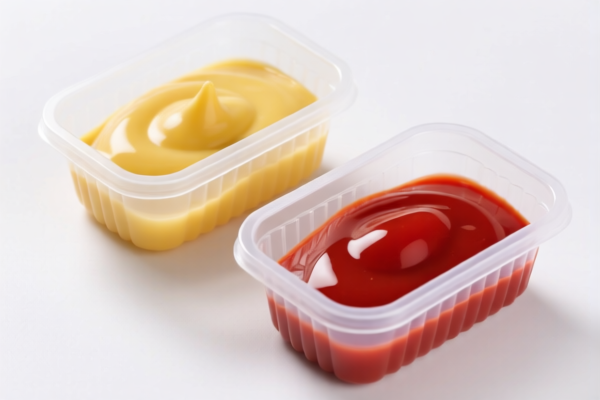
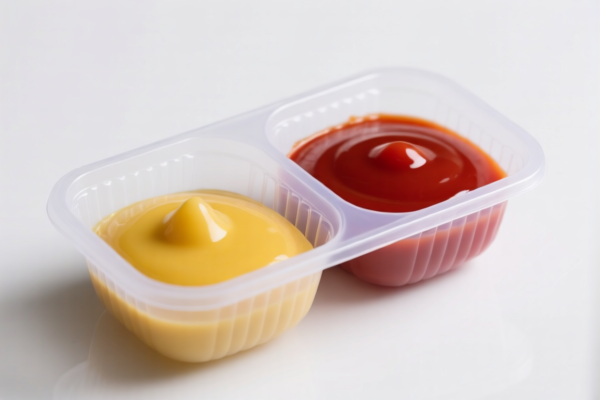
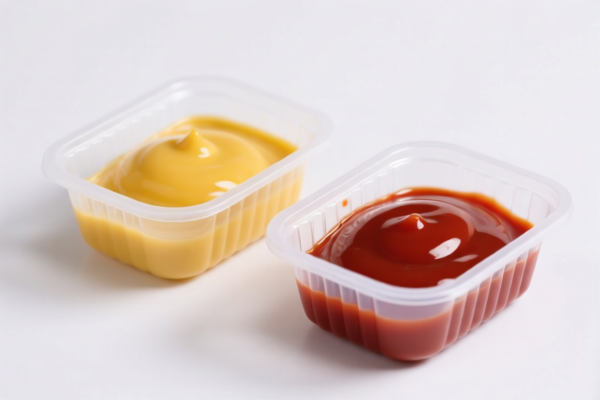
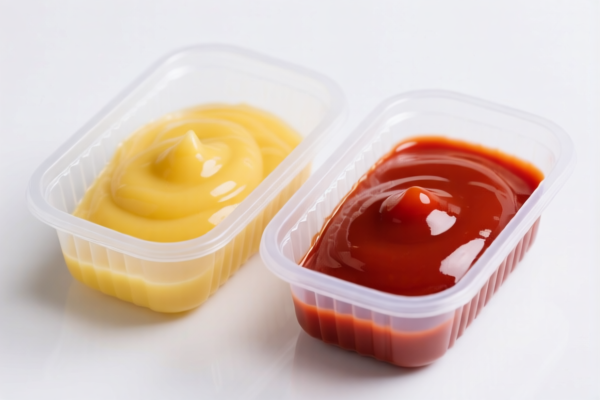
AI Analysis
🌶️ Condiments & Sauces (Mixed Condiments, Jams, Marmalades, and Preparations)
🌐 HS Code Reference & Clearance Guide | 2026 Customs Classification Strategy | Expert Compliance
📌 I. Product Definition: What Are "Condiments" in International Trade?
In the context of US Customs and Border Protection (CBP) and general international trade, "Condiments" is a broad category covering sauces, mixed seasonings, jams, and fruit preserves. However, classification depends strictly on composition, sugar content, and primary function.
Key Distinctions: 1. Mixed Condiments/Seasonings: Blends of spices, extracts, or sauces (e.g., hot sauce, ketchup bases, spice mixes). Governed by Chapter 21. 2. Cooked Fruit Preparations (Jams/Marmalades): Fruit cooked with sugar/preservatives. Governed by Chapter 20 (if fruit-based) or Chapter 18 (if cocoa-based, though rare for "condiments"). 3. Cocoa Beans: Raw materials, not processed condiments. Governed by Chapter 18.
⚠️ Critical Note:
- "Mixed Condiments" often benefit from 0% additional duty under specific US Notes, but only if they meet strict definitions.
- Marmalades and Orange Marmalade are subject to higher duties if not specifically exempted.
📦 II. HS Code Classification Matrix (Based on Provided Data)
| HS Code | Product Description | Category | Tax Status (Total) | Key Differentiator |
|---|---|---|---|---|
1801.00.00.00 |
Cocoa beans, whole or broken, raw or roasted | Raw Material | ❌ Error (Retrieve Failed) | Unprocessed cocoa. Not a finished condiment. |
1806.00.00.00 |
Cocoa preparations <10% cocoa butter | Processed Cocoa | ❌ Error (Retrieve Failed) | High cocoa content. Not a typical "condiment." |
2103.90.72.00 |
Mixed condiments/seasonings (Note 3) | Mixed Seasoning | ✅ 0.0% | Meets Additional U.S. Note 3 criteria. |
2103.90.74.00 |
Mixed condiments/seasonings (Note 4) | Mixed Seasoning | ✅ 0.0% | Meets Additional U.S. Note 4 criteria. |
2007.99.45.00 |
Jams, Marmalades, Purees (Non-Citrus) | Fruit Preserve | ✅ 0.0% | "Jams: Other" (e.g., strawberry, raspberry). |
2007.91.40.00 |
Orange Marmalade (Citrus Fruit) | Fruit Preserve | ⚠️ 28.5% | Citrus-based marmalade. Higher duty. |
🔍 Analysis of Tax Data:
- Cocoa Items (1801,1806): Tax retrieval failed. Action Required: Verify current HTSUS rates manually, as cocoa often carries standard MFN rates (typically 0-15%) but is not a condiment.
- Mixed Condiments (2103.90.72/74): 0% Total Tax. This is a highly favorable classification for spice blends, hot sauces, and mixed seasonings that comply with US Note 3 or 4.
- Jams (2007.99.45): 0% Total Tax. Non-citrus jams (e.g., apple, grape) are duty-free.
- Orange Marmalade (2007.91.40): 28.5% Total Tax (3.5% Base + 25% Additional). This is the costliest item in the list.
💰 III. Detailed Tax Breakdown & Legal Basis
✅ Scope: U.S. Imports
✅ Source Data: Provided JSON Tax Details
🎯 1. Mixed Condiments & Seasonings (2103.90.72.00 / 2103.90.74.00)
| Item | Detail |
|---|---|
| Total Tax Rate | 0.0% |
| Base Duty | 0.0% |
| Additional Duty | 0.0% |
| Legal Basis | Additional U.S. Note 3 or Note 4 to Chapter 21 |
| Interpretation | These codes apply to "Mixed Condiments and Mixed Seasonings" that are specifically described in Additional U.S. Note 3 or Note 4. These notes typically cover products that are not soy sauce, ketchup, or mustard-based preparations but are complex blends. |
| Compliance Tip | Ensure your product label clearly states it is a "Mixed Condiment" or "Seasoning Blend" and does not resemble a standard sauce like ketchup (which may fall under different subheadings). |
🎯 2. Non-Citrus Jams & Marmalades (2007.99.45.00)
| Item | Detail |
|---|---|
| Total Tax Rate | 0.0% |
| Base Duty | 0.0% |
| Additional Duty | 0.0% |
| Product Scope | Jams, fruit jellies, marmalades, pureés obtained by cooking, whether or not containing added sugar. Specifically "Jams: Other". |
| Interpretation | This covers jams made from non-citrus fruits (e.g., strawberry, blueberry, peach). |
| Compliance Tip | Do not classify orange marmalade here. Orange marmalade has a separate, taxable code. |
🎯 3. Orange Marmalade (2007.91.40.00)
| Item | Detail |
|---|---|
| Total Tax Rate | 28.5% |
| Base Duty | 3.5% |
| Additional Duty | 25.0% |
| Product Scope | Citrus fruit preparations, specifically Orange Marmalade. |
| Interpretation | This is a citrus-specific subheading. The 25% additional duty suggests it may be subject to trade measures or higher standard rates for citrus preserves. |
| Compliance Tip | Strict Classification: If your product contains any orange peel/juice as the primary fruit, it must go here. Misclassifying it as 2007.99.45.00 (0%) will result in seizure, penalties, and back duties. |
⚠️ 4. Cocoa Items (1801.00.00.00 / 1806.00.00.00)
| Item | Detail |
|---|---|
| Status | Tax Retrieval Failed |
| Description | Raw/Roasted Cocoa Beans (1801); Cocoa Preparations <10% Butter (1806) |
| Note | These are NOT condiments. They are raw agricultural products or cocoa bases. |
| Action | Consult a licensed customs broker for current HTSUS rates for cocoa. Typically, raw cocoa beans have 0% duty, while cocoa preparations vary. Do not misclassify these as "condiments." |
🛠️ IV. Clearance & Compliance Strategy
✅ 1. Documentation Requirements
| Document | Requirement | Reason |
|---|---|---|
| Commercial Invoice | Must clearly state "Mixed Condiments" or "Orange Marmalade" | Avoid vague terms like "Food" or "Spices." |
| Product Formula | Required for 2103.90.72/74 |
To prove it qualifies as a "Mixed Condiment" under US Notes 3/4. |
| Ingredient List | Critical for 2007.91.40 vs 2007.99.45 |
To prove if the fruit is Citrus (Orange) or Non-Citrus. |
| Processing Method | Required for Chapter 20 | Must confirm products are "obtained by cooking." |
✅ 2. Classification Pitfalls to Avoid
| Mistake | Consequence | Correct Action |
|---|---|---|
| Classifying Orange Marmalade as "Other Jam" | 28.5% Duty vs 0% Duty → Risk of 100% penalty | Use 2007.91.40.00 for any orange-based marmalade. |
| Calling Cocoa Beans "Cocoa Condiment" | Misclassification as processed food | Use 1801.00.00.00 for raw beans; 1806 for processed. |
| Vague Description "Spice Mix" | CBP may assign a default higher rate | Provide exact formulation to qualify for 2103.90.72/74 (0% tax). |
| Ignoring US Notes 3 & 4 | Missing out on 0% duty | Ensure product fits the specific definitions in Additional U.S. Notes for Chapter 21. |
✅ 3. Strategic Recommendations
-
For Mixed Condiments:
- Leverage
2103.90.72.00or2103.90.74.00for 0% duty. - Ensure your product is a blend (e.g., spice mix, herb blend, non-standard sauce) and not a standard ketchup or mustard.
- Keep detailed ingredient percentages ready for CBP examination.
- Leverage
-
For Fruit Preserves:
- Non-Citrus Jams: Use
2007.99.45.00for 0% duty. - Orange Marmalade: Budget for 28.5% duty. Consider sourcing from countries with FTAs if possible (though data suggests US-specific rates).
- Clear Labeling: Clearly state "Orange Marmalade" on the label. Do not use generic terms like "Citrus Jam."
- Non-Citrus Jams: Use
-
For Cocoa:
- Do not treat cocoa beans as condiments.
- If the tax retrieval failed, contact a broker to confirm current rates for
1801and1806. Raw cocoa beans (1801) are typically 0% duty under MFN.
🌍 V. Global Market Comparison (Contextual)
| Market | HS Code Family | Typical Duty Range | Notes |
|---|---|---|---|
| 🇺🇸 United States | 2103, 2007, 1801 |
0% - 28.5% | Highly specific based on fruit type and processing. |
| 🇪🇺 European Union | Similar HS Codes | 5% - 15% | May have different quota systems for marmalades. |
| 🇨🇳 China | Similar HS Codes | 5% - 30% | Import duties on fruit preserves can be high. |
📌 Key Takeaway: The US market offers 0% duty for many mixed condiments and non-citrus jams, making it a competitive market for these products, provided you classify correctly. However, Orange Marmalade is significantly taxed.
📌 VI. Final Checklist for Importers
- [ ] Identify Product Type: Is it a Mixed Condiment, Jam, or Cocoa?
- [ ] Check Fruit Source: Is it Citrus (Orange) or Non-Citrus?
- Orange →
2007.91.40.00(28.5% Tax) - Other →
2007.99.45.00(0% Tax)
- Orange →
- [ ] Verify Condiment Definition: Does it fit US Note 3 or 4?
- Yes →
2103.90.72/74(0% Tax) - No → May require different classification.
- Yes →
- [ ] Cocoa Items: Handle separately from "Condiments." Confirm tax status with a broker.
- [ ] Documentation: Ensure invoices and labels match the HS Code description exactly.
🎯 Conclusion:
Precision in classification saves money.
- Mixed Condiments and Non-Citrus Jams: 0% Duty → High Opportunity.
- Orange Marmalade: 28.5% Duty → Cost Management Needed.
- Cocoa: Not a Condiment → Classify Separately.
💡 Pro Tip: Always request a Binding Ruling from CBP for new product lines to confirm HS Code eligibility for 0% duty under US Notes 3 & 4.
✨ Clear Classification, Smooth Clearance, Maximized Profit!
📞 Consult a Licensed Customs Broker for Complex Blends or New Product Lines.
Customer Reviews
About HS Code Classification
The Harmonized System (HS) is an internationally standardized nomenclature developed by the World Customs Organization (WCO) to classify traded products. Over 200 countries use the HS system as the basis for customs tariffs, trade statistics, and import/export regulations.
Each HS code follows a hierarchical structure:
- Chapter (2 digits) — Broad category of goods (e.g., Chapter 84: Machinery and Mechanical Appliances)
- Heading (4 digits) — More specific grouping within the chapter
- Subheading (6 digits) — Internationally standardized breakdown, used by all WCO member countries
- National subdivisions (8-10 digits) — Country-specific extensions for further classification, such as US HTSUS 10-digit codes
Correct HS code classification is essential for smooth customs clearance, accurate duty payment, and compliance with trade regulations. Misclassification can lead to customs delays, overpayment of duties, or penalties.
When importing from CN to US, the applicable tariff rates may include:
- Most-Favored-Nation (MFN) rate — The standard duty rate applied to WTO members
- General rate — Applied to countries without trade agreements
- Trade remedy duties — Additional tariffs such as Section 301 (anti-dumping), Section 232 (national security), or countervailing duties
The information provided on this page is for reference purposes only. For official classification, please consult with your local customs authority or a licensed customs broker.