Cork Powder (Cosmetic Raw Material)
CN → US| HS编码 | 关税税率 | 原产国 | 目的国 | 文档 |
|---|---|---|---|---|
| 4504900000 | 35.0% | CN | US | 官方文档 |
| 3304910050 | 35.0% | CN | US | 官方文档 |
| 3304995000 | 35.0% | CN | US | 官方文档 |
商品图片
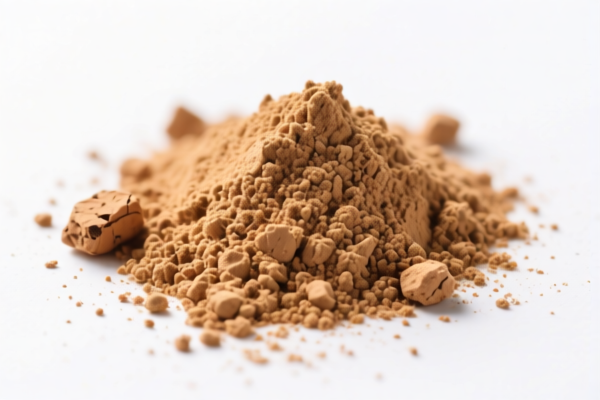
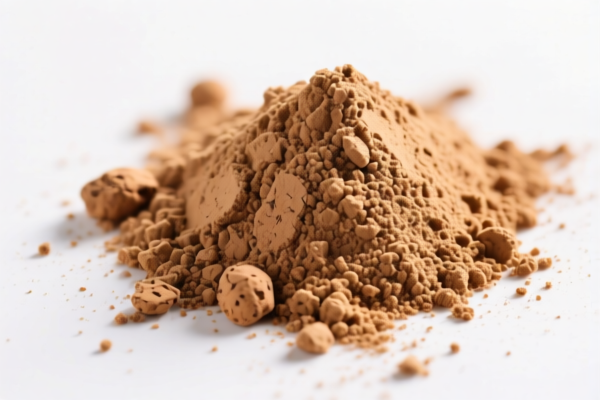
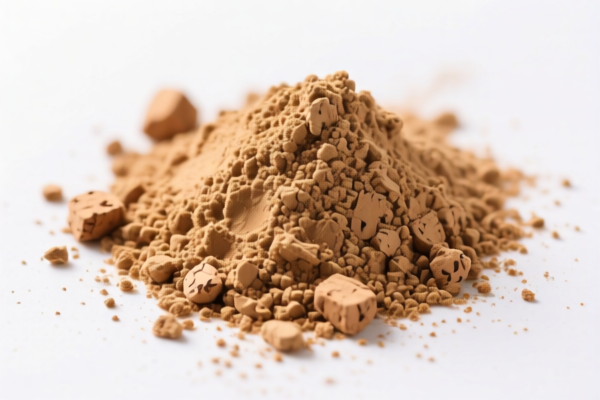
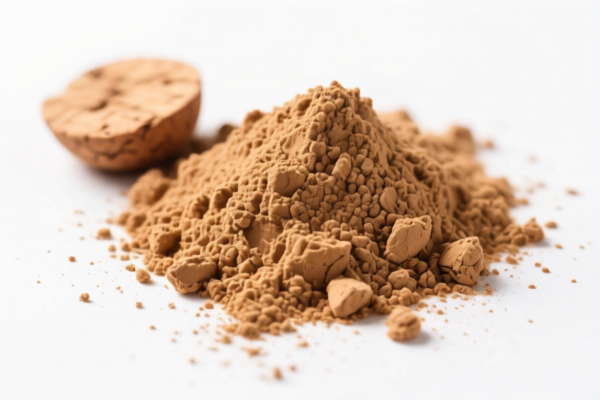
AI分析
🌿 Cork Powder (Cosmetic Raw Material)
🌐 HS Code Reference & Customs Clearance Guide | 2026 Latest Tariff Analysis | Professional Entry Strategy
📌 I. Product Definition & Classification: Do You Really Understand "Cork Powder" in Cosmetics?
Cork powder, when intended for use as a cosmetic raw material, is not merely a simple agricultural or industrial byproduct. In international trade, its classification hinges on its form (powder) and its ultimate use (beauty/skin care preparation). It falls under the broad umbrella of "Articles of natural cork, prepared cork, or articles of cork," but specifically targets cosmetic ingredients.
⚠️ Key Distinction:
- If it is generic industrial cork powder with no cosmetic specification → It may fall under 4504.90.00.00 (General cork products/powder).
- If it is explicitly labeled, processed, and marketed as a Cosmetic Raw Material (e.g., for masks, scrubs, or skin care formulations) → It must be classified under 3304.91.00.50 or 3304.99.50.00 (Beauty/Skin Care Preparations).
📦 II. HS Code Classification Details (2026 Latest Tariff Authoritative Comparison)
| HS Code | Product Description | Application Scenario | Tax Rate (Total) | Tax Details |
|---|---|---|---|---|
4504.90.00.00 |
Cork powder, as a raw material in primary form, fits the attribute of raw materials under other categories. | Generic industrial fillers, non-cosmetic applications, bulk raw material. | 35.0% | Base Tariff: 0.0%, Additional Tariff: 25.0%, Section 122 Tariff: 10% |
3304.91.00.50 |
Powder form of cosmetic raw materials, fits the "other" category of powder-type beauty or skin care preparations. | Cosmetic ingredients, specifically powder forms for skin care/beauty formulations. | 35.0% | Base Tariff: 0.0%, Additional Tariff: 25.0%, Section 122 Tariff: 10% |
3304.99.50.00 |
Powder explicitly labeled as cosmetic raw materials, fits the category of beauty or skin care preparations. | Specific cosmetic powders, clearly defined for beauty/skin care use. | 35.0% | Base Tariff: 0.0%, Additional Tariff: 25.0%, Section 122 Tariff: 10% |
🔍 Key Reminder:
- Whether classified under4504(general cork) or3304(cosmetic), the total tax burden is identical (35%).
- However,3304codes are preferred if the product is explicitly marketed and used as a cosmetic ingredient, as it aligns better with the product's commercial intent and reduces customs inquiry risks regarding "misdeclaration."
-4504.90.00.00is only appropriate if the cork powder lacks specific cosmetic processing or labeling and is sold as a generic raw material.
💰 III. 2026 Latest Tariff Rate Explanation (Including Additional Taxes & Policy Surcharges)
✅ Applicable Country: United States (US)
✅ Country of Origin: China (CN)
✅ Effective Date: 2025 onwards (including subsequent imports)
🎯 1. 4504.90.00.00 —— Cork Powder, General Raw Material
| Item | Content |
|---|---|
| Base Tariff | 0% (ad valorem) |
| USITC Additional Tariff (Section 301) | +25% |
| Section 122 Tariff (IEEPA) | +10% |
| Total Tariff Rate | 35% |
| Tax Calculation | CIF Value × 35% |
| De Minimis Exemption Eligible? | ❌ No (deny_de_minimis) |
| Legal Basis Path | Section 122: 9903.10.01 → USITC:4504.90.00.00 |
📌 Explanation:
- The "25% Additional Tariff" comes from the Section 301 Tariffs under the U.S. Trade Act, targeting Chinese-origin goods.
- The "10% Section 122 Tariff" is applied under the International Emergency Economic Powers Act (IEEPA), specifically targeting certain Chinese imports.
- Total 35%: This is a high tariff rate. Importers must factor this into their cost structure immediately.
🎯 2. 3304.91.00.50 & 3304.99.50.00 —— Cosmetic Raw Material Powder
| Item | Content |
|---|---|
| Base Tariff | 0% (ad valorem) |
| USITC Additional Tariff (Section 301) | +25% |
| Section 122 Tariff (IEEPA) | +10% |
| Total Tariff Rate | 35% |
| Tax Calculation | CIF Value × 35% |
| De Minimis Exemption Eligible? | ❌ No (deny_de_minimis) |
| Legal Basis Path | Section 122: 9903.10.01 → USITC:3304.91.00.50 / 3304.99.50.00 |
📌 Note:
- The tariff structure is identical to the general cork powder.
- However, classifying under3304requires strict documentation proving the cosmetic nature of the product (e.g., FDA registration, MSDS, intended use statements).
- Misclassifying a cosmetic product as4504to avoid scrutiny may lead to penalties if customs detects cosmetic intent.
🛠️ IV. Customs Clearance Practical Advice (Real-World Pitfall Avoidance)
✅ 1. Required Documentation Checklist (None Can Be Skipped)
| Document | Must Provide | Explanation |
|---|---|---|
| ✅ Product Specification Sheet | ✔️ | Must explicitly state "For Cosmetic Use" or "Cosmetic Raw Material." |
| ✅ MSDS (Material Safety Data Sheet) | ✔️ | Critical for chemical/cosmetic ingredients. Must align with HS Code classification. |
| ✅ Product Photos (Label & Packaging) | ✔️ | Clear indication of cosmetic branding, usage instructions, and batch numbers. |
| ✅ Commercial Invoice | ✔️ | Must describe goods as "Cork Powder for Cosmetic Use" or "Cosmetic Ingredient." Avoid vague terms like "Industrial Filler." |
| ✅ Certificate of Origin (CO) | ✔️ | Proves Chinese origin (triggering the 35% tariff). |
| ✅ Packing List | ✔️ | Details weight, dimensions, and packaging type. |
✅ 2. Declaration Tips (Key Mnemonics)
🔥 "Cosmetic Intent is Key: Declare Clearly, Avoid Vague Terms!"
| Scenario | Correct Declaration | Incorrect Practice |
|---|---|---|
| Cosmetic-grade cork powder | 3304.91.00.50 or 3304.99.50.00 |
"Cork Powder" (ambiguous) |
| Generic industrial cork filler | 4504.90.00.00 |
"Cosmetic Raw Material" (false declaration) |
| Mixed shipments (cosmetic + industrial) | Split Declaration | Mixed in one line item → High risk of seizure |
✅ 3. Special Situation Handling
| Situation | Handling Advice |
|---|---|
| OEM Cosmetic Ingredients | Provide client order + formula sheet (if available) to prove cosmetic intent. |
| Unclear Intent | If unsure, lean towards 3304 if the product is marketed to beauty brands, or 4504 if sold to industrial buyers. Consistency is key. |
| Small Samples | Note: De Minimis ($800) does NOT apply to Chinese-origin goods under Section 301/122. Even small shipments are subject to 35% tax. |
| FDA Compliance | Ensure the product complies with FDA cosmetic regulations. Lack of compliance can lead to detention regardless of HS Code. |
🌍 V. Global Major Market Clearance Comparison (2026 Latest)
| Country/Region | Recommended HS Code | Tariff | Certification Requirements | Notes |
|---|---|---|---|---|
| 🇺🇸 United States | 3304.99.50.00 |
35% | FDA Compliance, MSDS | High tariff, strict customs scrutiny |
| 🇨🇳 China | 3304.99.50.00 |
5% | N/A | Low import tariff, no Section 301 |
| 🇪🇺 European Union | 3304.99.50.00 |
0-6.5% | EC 1223/2009 Compliance | No Section 301, but strict cosmetic regulations |
| 🇬🇧 United Kingdom | 3304.99.50.00 |
0-6.5% | UK CPNP Notification | Post-Brexit rules apply |
| 🇯🇵 Japan | 3304.99.50.00 |
5-6.5% | PMDA Notification | No Section 301 |
📌 Conclusion:
- The US is the only major market imposing the 35% tariff due to Section 301 and 122.
- Other markets (EU, UK, Japan, China) have significantly lower tariffs, but strict cosmetic safety regulations apply.
- Strategy: If targeting the US, ensure cost absorption is planned. If targeting other markets, focus on compliance documentation rather than tariff savings.
📌 VI. Common Errors & Pitfall Avoidance (Blood & Tears Lessons)
❌ Error 1: Declaring "Cork Powder" without specifying "Cosmetic Use"
👉 Consequence: Customs may classify under 4504 (still 35% tariff) or request additional information, causing delays.
👉 Fix: Always specify the end-use in the commercial invoice.
❌ Error 2: Assuming Small Shipments (<$800) are Tax-Free
👉 Consequence: 35% tariff still applies to Chinese-origin goods under Section 301/122. No de minimis exemption!
👉 Fix: Calculate tax even for samples.
❌ Error 3: Using "Natural Cork" to Describe Processed Cosmetic Powder
👉 Consequence: Misclassification → Penalties + Back Taxes.
👉 Fix: Use "Processed Cork Powder for Cosmetic Use."
❌ Error 4: Ignoring FDA/ Cosmetic Regulations
👉 Consequence: Product detention or destruction at US ports, regardless of HS Code accuracy.
👉 Fix: Ensure full cosmetic compliance documentation.
✅ Correct Practice:
"Cork Powder, Processed, for Cosmetic Use Only, Non-Toxic, Batch No. XYZ, MSDS Attached, Compliant with FDA 21 CFR"
🎯 VII. Conclusion: Professional Declaration, Time-Saving, Cost-Efficient!
🎯 Remember Mnemonics:
🔹 "US Market: 35% No Exemption, Cosmetic Intent Must Be Shown!"
🔹 "Other Markets: Low Tariff, High Compliance!"
🔹 "HS Code May Be Similar, But Documentation is Everything!"
📌 Tips:
- If your cork powder is originating from Vietnam, Mexico, or Malaysia, you MAY qualify for tariff exemptions (check specific rules of origin).
- Apply for Advance Rulings if unsure about classification to mitigate risk.
- Work with a licensed customs broker who specializes in cosmetic imports to the US.
📣 Immediate Action:
📞 Contact a licensed customs broker + Provide Product Photos + Verify FDA Compliance
🚀 Ensure your cork powder clears customs smoothly, avoids penalties, and maximizes profit!
✨ Professional Customs Clearance Starts with Accurate Classification!
💼 Every Cent in Tariff is Worth Precise Calculation!
用户评价
关于 HS 编码归类
协调制度(HS)是由世界海关组织(WCO)制定的国际贸易商品分类标准。全球 200 多个国家采用 HS 系统作为海关关税、贸易统计和进出口监管的基础。
每个 HS 编码遵循以下层级结构:
- 章(2 位)——商品大类(例如:第 84 章:机器和机械设备)
- 品目(4 位)——章内的更具体分类
- 子目(6 位)——国际通用细分,所有 WCO 成员国统一使用
- 本国细分(8-10 位)——各国自行扩展的细分编码,如美国 HTSUS 10 位编码
正确的 HS 编码归类对于顺利通关、准确缴纳关税和遵守贸易法规至关重要。错误归类可能导致海关延误、多缴关税或罚款。
从CN进口到US时,适用的关税税率可能包括:
- 最惠国(MFN)税率——适用于 WTO 成员国的标准关税税率
- 普通税率——适用于无贸易协定国家
- 贸易救济关税——附加关税,如 301 条款(反倾销)、232 条款(国家安全)或反补贴税
本页内容仅供参考。如需正式归类,请咨询当地海关或持牌报关代理。