Cork Powder (Cosmetic Raw Material)
CN → US| HS Code | Tariff Rate | Origin | Destination | Doc |
|---|---|---|---|---|
| 4504900000 | 35.0% | CN | US | Official Doc |
| 3304910050 | 35.0% | CN | US | Official Doc |
| 3304995000 | 35.0% | CN | US | Official Doc |
Product Images
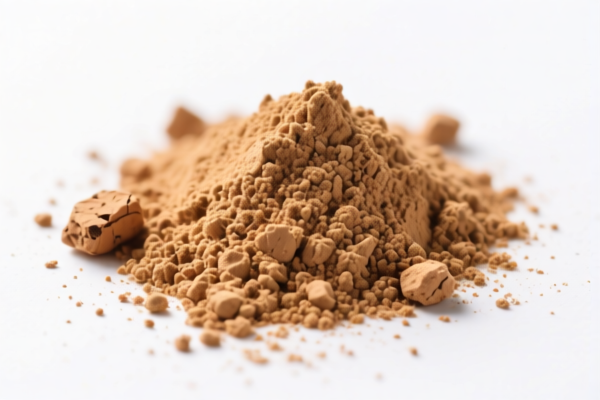
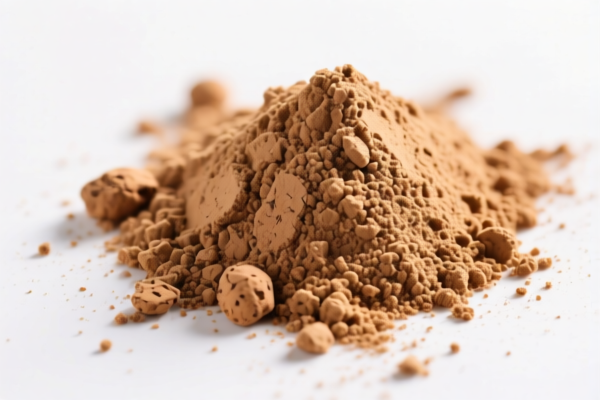
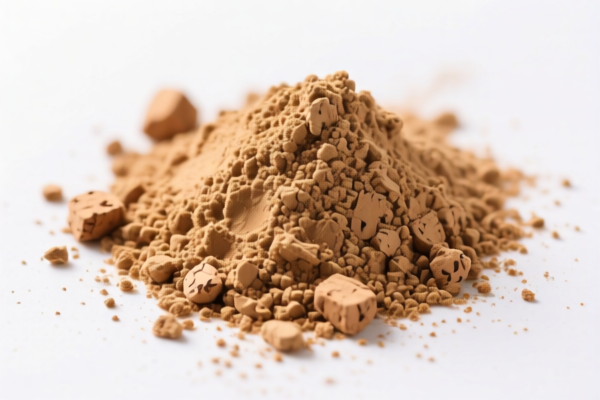
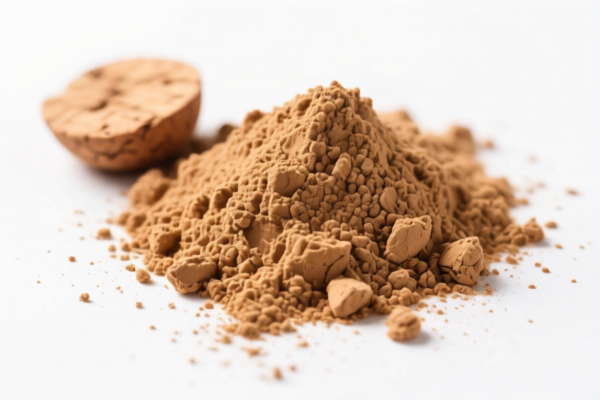
AI Analysis
🌿 Cork Powder (Cosmetic Raw Material)
🌐 HS Code Reference & Customs Clearance Guide | 2026 Latest Tariff Analysis | Professional Entry Strategy
📌 I. Product Definition & Classification: Do You Really Understand "Cork Powder" in Cosmetics?
Cork powder, when intended for use as a cosmetic raw material, is not merely a simple agricultural or industrial byproduct. In international trade, its classification hinges on its form (powder) and its ultimate use (beauty/skin care preparation). It falls under the broad umbrella of "Articles of natural cork, prepared cork, or articles of cork," but specifically targets cosmetic ingredients.
⚠️ Key Distinction:
- If it is generic industrial cork powder with no cosmetic specification → It may fall under 4504.90.00.00 (General cork products/powder).
- If it is explicitly labeled, processed, and marketed as a Cosmetic Raw Material (e.g., for masks, scrubs, or skin care formulations) → It must be classified under 3304.91.00.50 or 3304.99.50.00 (Beauty/Skin Care Preparations).
📦 II. HS Code Classification Details (2026 Latest Tariff Authoritative Comparison)
| HS Code | Product Description | Application Scenario | Tax Rate (Total) | Tax Details |
|---|---|---|---|---|
4504.90.00.00 |
Cork powder, as a raw material in primary form, fits the attribute of raw materials under other categories. | Generic industrial fillers, non-cosmetic applications, bulk raw material. | 35.0% | Base Tariff: 0.0%, Additional Tariff: 25.0%, Section 122 Tariff: 10% |
3304.91.00.50 |
Powder form of cosmetic raw materials, fits the "other" category of powder-type beauty or skin care preparations. | Cosmetic ingredients, specifically powder forms for skin care/beauty formulations. | 35.0% | Base Tariff: 0.0%, Additional Tariff: 25.0%, Section 122 Tariff: 10% |
3304.99.50.00 |
Powder explicitly labeled as cosmetic raw materials, fits the category of beauty or skin care preparations. | Specific cosmetic powders, clearly defined for beauty/skin care use. | 35.0% | Base Tariff: 0.0%, Additional Tariff: 25.0%, Section 122 Tariff: 10% |
🔍 Key Reminder:
- Whether classified under4504(general cork) or3304(cosmetic), the total tax burden is identical (35%).
- However,3304codes are preferred if the product is explicitly marketed and used as a cosmetic ingredient, as it aligns better with the product's commercial intent and reduces customs inquiry risks regarding "misdeclaration."
-4504.90.00.00is only appropriate if the cork powder lacks specific cosmetic processing or labeling and is sold as a generic raw material.
💰 III. 2026 Latest Tariff Rate Explanation (Including Additional Taxes & Policy Surcharges)
✅ Applicable Country: United States (US)
✅ Country of Origin: China (CN)
✅ Effective Date: 2025 onwards (including subsequent imports)
🎯 1. 4504.90.00.00 —— Cork Powder, General Raw Material
| Item | Content |
|---|---|
| Base Tariff | 0% (ad valorem) |
| USITC Additional Tariff (Section 301) | +25% |
| Section 122 Tariff (IEEPA) | +10% |
| Total Tariff Rate | 35% |
| Tax Calculation | CIF Value × 35% |
| De Minimis Exemption Eligible? | ❌ No (deny_de_minimis) |
| Legal Basis Path | Section 122: 9903.10.01 → USITC:4504.90.00.00 |
📌 Explanation:
- The "25% Additional Tariff" comes from the Section 301 Tariffs under the U.S. Trade Act, targeting Chinese-origin goods.
- The "10% Section 122 Tariff" is applied under the International Emergency Economic Powers Act (IEEPA), specifically targeting certain Chinese imports.
- Total 35%: This is a high tariff rate. Importers must factor this into their cost structure immediately.
🎯 2. 3304.91.00.50 & 3304.99.50.00 —— Cosmetic Raw Material Powder
| Item | Content |
|---|---|
| Base Tariff | 0% (ad valorem) |
| USITC Additional Tariff (Section 301) | +25% |
| Section 122 Tariff (IEEPA) | +10% |
| Total Tariff Rate | 35% |
| Tax Calculation | CIF Value × 35% |
| De Minimis Exemption Eligible? | ❌ No (deny_de_minimis) |
| Legal Basis Path | Section 122: 9903.10.01 → USITC:3304.91.00.50 / 3304.99.50.00 |
📌 Note:
- The tariff structure is identical to the general cork powder.
- However, classifying under3304requires strict documentation proving the cosmetic nature of the product (e.g., FDA registration, MSDS, intended use statements).
- Misclassifying a cosmetic product as4504to avoid scrutiny may lead to penalties if customs detects cosmetic intent.
🛠️ IV. Customs Clearance Practical Advice (Real-World Pitfall Avoidance)
✅ 1. Required Documentation Checklist (None Can Be Skipped)
| Document | Must Provide | Explanation |
|---|---|---|
| ✅ Product Specification Sheet | ✔️ | Must explicitly state "For Cosmetic Use" or "Cosmetic Raw Material." |
| ✅ MSDS (Material Safety Data Sheet) | ✔️ | Critical for chemical/cosmetic ingredients. Must align with HS Code classification. |
| ✅ Product Photos (Label & Packaging) | ✔️ | Clear indication of cosmetic branding, usage instructions, and batch numbers. |
| ✅ Commercial Invoice | ✔️ | Must describe goods as "Cork Powder for Cosmetic Use" or "Cosmetic Ingredient." Avoid vague terms like "Industrial Filler." |
| ✅ Certificate of Origin (CO) | ✔️ | Proves Chinese origin (triggering the 35% tariff). |
| ✅ Packing List | ✔️ | Details weight, dimensions, and packaging type. |
✅ 2. Declaration Tips (Key Mnemonics)
🔥 "Cosmetic Intent is Key: Declare Clearly, Avoid Vague Terms!"
| Scenario | Correct Declaration | Incorrect Practice |
|---|---|---|
| Cosmetic-grade cork powder | 3304.91.00.50 or 3304.99.50.00 |
"Cork Powder" (ambiguous) |
| Generic industrial cork filler | 4504.90.00.00 |
"Cosmetic Raw Material" (false declaration) |
| Mixed shipments (cosmetic + industrial) | Split Declaration | Mixed in one line item → High risk of seizure |
✅ 3. Special Situation Handling
| Situation | Handling Advice |
|---|---|
| OEM Cosmetic Ingredients | Provide client order + formula sheet (if available) to prove cosmetic intent. |
| Unclear Intent | If unsure, lean towards 3304 if the product is marketed to beauty brands, or 4504 if sold to industrial buyers. Consistency is key. |
| Small Samples | Note: De Minimis ($800) does NOT apply to Chinese-origin goods under Section 301/122. Even small shipments are subject to 35% tax. |
| FDA Compliance | Ensure the product complies with FDA cosmetic regulations. Lack of compliance can lead to detention regardless of HS Code. |
🌍 V. Global Major Market Clearance Comparison (2026 Latest)
| Country/Region | Recommended HS Code | Tariff | Certification Requirements | Notes |
|---|---|---|---|---|
| 🇺🇸 United States | 3304.99.50.00 |
35% | FDA Compliance, MSDS | High tariff, strict customs scrutiny |
| 🇨🇳 China | 3304.99.50.00 |
5% | N/A | Low import tariff, no Section 301 |
| 🇪🇺 European Union | 3304.99.50.00 |
0-6.5% | EC 1223/2009 Compliance | No Section 301, but strict cosmetic regulations |
| 🇬🇧 United Kingdom | 3304.99.50.00 |
0-6.5% | UK CPNP Notification | Post-Brexit rules apply |
| 🇯🇵 Japan | 3304.99.50.00 |
5-6.5% | PMDA Notification | No Section 301 |
📌 Conclusion:
- The US is the only major market imposing the 35% tariff due to Section 301 and 122.
- Other markets (EU, UK, Japan, China) have significantly lower tariffs, but strict cosmetic safety regulations apply.
- Strategy: If targeting the US, ensure cost absorption is planned. If targeting other markets, focus on compliance documentation rather than tariff savings.
📌 VI. Common Errors & Pitfall Avoidance (Blood & Tears Lessons)
❌ Error 1: Declaring "Cork Powder" without specifying "Cosmetic Use"
👉 Consequence: Customs may classify under 4504 (still 35% tariff) or request additional information, causing delays.
👉 Fix: Always specify the end-use in the commercial invoice.
❌ Error 2: Assuming Small Shipments (<$800) are Tax-Free
👉 Consequence: 35% tariff still applies to Chinese-origin goods under Section 301/122. No de minimis exemption!
👉 Fix: Calculate tax even for samples.
❌ Error 3: Using "Natural Cork" to Describe Processed Cosmetic Powder
👉 Consequence: Misclassification → Penalties + Back Taxes.
👉 Fix: Use "Processed Cork Powder for Cosmetic Use."
❌ Error 4: Ignoring FDA/ Cosmetic Regulations
👉 Consequence: Product detention or destruction at US ports, regardless of HS Code accuracy.
👉 Fix: Ensure full cosmetic compliance documentation.
✅ Correct Practice:
"Cork Powder, Processed, for Cosmetic Use Only, Non-Toxic, Batch No. XYZ, MSDS Attached, Compliant with FDA 21 CFR"
🎯 VII. Conclusion: Professional Declaration, Time-Saving, Cost-Efficient!
🎯 Remember Mnemonics:
🔹 "US Market: 35% No Exemption, Cosmetic Intent Must Be Shown!"
🔹 "Other Markets: Low Tariff, High Compliance!"
🔹 "HS Code May Be Similar, But Documentation is Everything!"
📌 Tips:
- If your cork powder is originating from Vietnam, Mexico, or Malaysia, you MAY qualify for tariff exemptions (check specific rules of origin).
- Apply for Advance Rulings if unsure about classification to mitigate risk.
- Work with a licensed customs broker who specializes in cosmetic imports to the US.
📣 Immediate Action:
📞 Contact a licensed customs broker + Provide Product Photos + Verify FDA Compliance
🚀 Ensure your cork powder clears customs smoothly, avoids penalties, and maximizes profit!
✨ Professional Customs Clearance Starts with Accurate Classification!
💼 Every Cent in Tariff is Worth Precise Calculation!
Customer Reviews
About HS Code Classification
The Harmonized System (HS) is an internationally standardized nomenclature developed by the World Customs Organization (WCO) to classify traded products. Over 200 countries use the HS system as the basis for customs tariffs, trade statistics, and import/export regulations.
Each HS code follows a hierarchical structure:
- Chapter (2 digits) — Broad category of goods (e.g., Chapter 84: Machinery and Mechanical Appliances)
- Heading (4 digits) — More specific grouping within the chapter
- Subheading (6 digits) — Internationally standardized breakdown, used by all WCO member countries
- National subdivisions (8-10 digits) — Country-specific extensions for further classification, such as US HTSUS 10-digit codes
Correct HS code classification is essential for smooth customs clearance, accurate duty payment, and compliance with trade regulations. Misclassification can lead to customs delays, overpayment of duties, or penalties.
When importing from CN to US, the applicable tariff rates may include:
- Most-Favored-Nation (MFN) rate — The standard duty rate applied to WTO members
- General rate — Applied to countries without trade agreements
- Trade remedy duties — Additional tariffs such as Section 301 (anti-dumping), Section 232 (national security), or countervailing duties
The information provided on this page is for reference purposes only. For official classification, please consult with your local customs authority or a licensed customs broker.