Cotton Fiber Substrate for Sensitive Materials
CN → US| HS编码 | 关税税率 | 原产国 | 目的国 | 文档 |
|---|---|---|---|---|
| 5903101000 | 37.7% | CN | US | 官方文档 |
| 5201001200 | 35.0% | CN | US | 官方文档 |
| 5903901000 | 37.7% | CN | US | 官方文档 |
| 5205112000 | 40.0% | CN | US | 官方文档 |
商品图片
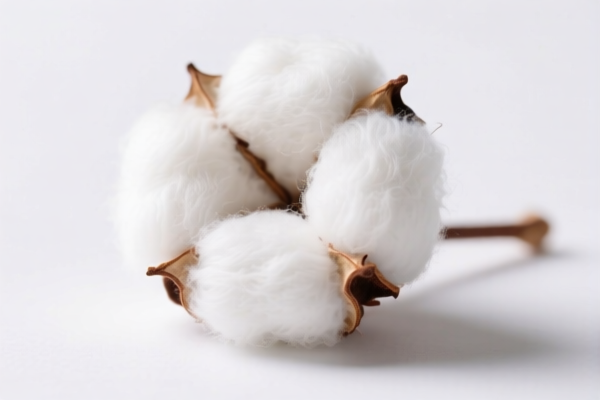
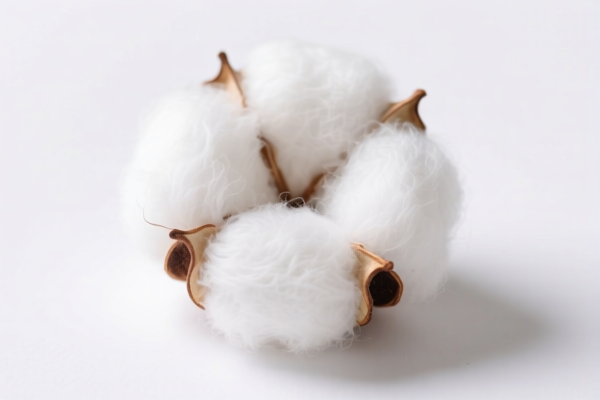
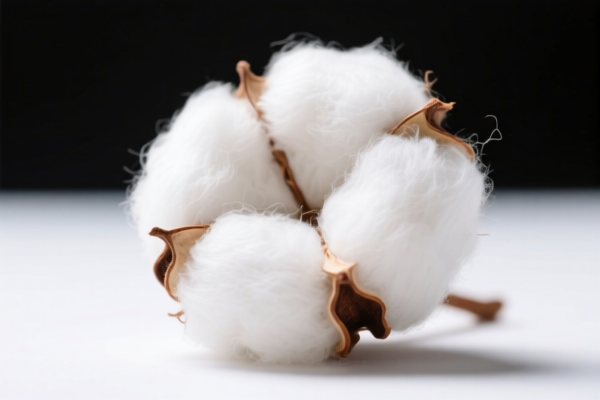
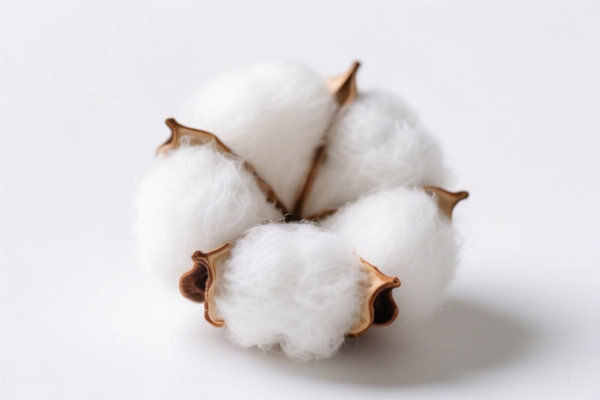
AI分析
🧵 Cotton Fiber Substrate for Sensitive Materials (敏感材料用棉纤维基材)
🌐 HS Code Reference & Clearance Guide | 2026 Latest Tariff Analysis | Professional Customs Strategy
📌 I. Product Definition & Classification: Do You Really Understand "Cotton Fiber Substrate"?
"Cotton Fiber Substrate for Sensitive Materials" is a specialized industrial textile component. In international trade, its classification hinges on two critical factors: 1. Material: Cotton fibers (specifically high-cotton content). 2. State/Form: "Substrate" (基材). This is the ambiguous term. Does it mean raw, unprocessed fiber? Or a processed textile fabric intended for coating/sensitization?
⚠️ Key Classification Divergence: * Raw/Unprocessed State: If "Substrate" implies raw, uncombed, or basic cotton fiber原料 →归入 Chapter 52 (Cotton). * Processed/Textile State: If "Substrate" implies a formed fabric, non-woven, or treated material ready for sensitization → 归入 Chapter 59 (Impregnated/Coated Textiles).
📦 II. HS Code Classification Details (2026 Latest Tariff Authority Comparison)
Based on the provided data analysis, here are the four possible classifications and their logic:
| HS Code | Product Description | Logic & Justification (From Data) | Total Tax Rate |
|---|---|---|---|
5903.10.10.00 |
Textile fabrics impregnated, coated, covered or laminated with plastic, of polyvinyl chloride | Logic: Matches material (Cotton) and form (Substrate, textile feature). Although coating material isn't explicit, "Substrate" for "Sensitive Materials" implies it's a treated textile. No material conflict. | 37.7% |
5201.00.12.00 |
Cotton, not carded or combed: Cotton, not carded or combed, with a fiber length of ≥ 28 mm but < 34 mm | Logic: "Cotton Fiber" matches "Cotton". "Substrate" interpreted as primary raw material (uncombed fiber). No conflict in material or form based on common sense for raw fiber inputs. | 35.0% |
5903.90.10.00 |
Other textile fabrics impregnated, coated, covered or laminated with plastic: Other: Of cotton | Logic: Material "Cotton Fiber" fits "Cotton Textiles". Form "Substrate" inferred as processed textile state. No conflict with "Other Cotton Textiles" classification. | 37.7% |
5205.11.20.00 |
Cotton yarn containing ≥ 85% by weight of cotton, put up for retail sale: Single yarn, of cotton, with a fiber length < 28 mm, weighed per 100 m ≤ 50 g | Logic: "Cotton Fiber" matches "≥85% Cotton". "Substrate" interpreted as unprocessed primary form (raw yarn/fiber). Consistent with raw cotton yarn classification attributes. | 40.0% |
🔍 Critical Analysis: * High Tax Risk: All potential classifications attract USITC 301 Tariffs (25%) and IEEPA Tariffs (10%) in addition to Base Duties. * The "Substrate" Ambiguity: The biggest risk lies in whether CBP views the item as Raw Material (Ch 52) or Processed Textile (Ch 59). * If it is raw fiber,
5201.00.12.00is the lowest tax (35.0%). * If it is a fabric/substrate,5903codes apply (37.7%). * If it is yarn,5205applies (40.0%).
💰 III. 2026 Latest Tariff Rate Breakdown (Including Surtaxes & Policy Add-ons)
✅ Applicable Country: United States (US)
✅ Origin: China (CN)
✅ Effective Date: November 10, 2025 (and subsequent imports)
🎯 1. 5903.10.10.00 & 5903.90.10.00 —— Treated Cotton Substrates
| Item | Detail |
|---|---|
| Base Duty | 2.7% (ad valorem) |
| USITC Surcharge (Section 301) | +25.0% |
| IEEPA Surcharge (China-specific) | +10.0% |
| Total Tax Rate | 37.7% |
| Calculation | CIF Value × 37.7% |
| De Minimis Exemption? | ❌ NO (denied for textile/textile products from China under current enforcement) |
| Legal Basis Path | IEEPA:9903.01.25 → IEEPA:9903.01.24 → USITC:5903.xx.10.00 |
📌 Explanation:
- These codes classify the item as a textile fabric that has been impregnated, coated, or treated.
- The term "Sensitive Materials" (敏感材料) often implies chemical treatment or functional coating, which pushes classification toward Chapter 59.
- Total 37.7% is a significant cost driver.
🎯 2. 5201.00.12.00 —— Raw Cotton Fiber (Lowest Rate Option)
| Item | Detail |
|---|---|
| Base Duty | 0.0% |
| USITC Surcharge (Section 301) | +25.0% |
| IEEPA Surcharge (China-specific) | +10.0% |
| Total Tax Rate | 35.0% |
| Calculation | CIF Value × 35.0% |
| De Minimis Exemption? | ❌ NO |
| Legal Basis Path | IEEPA:9903.01.24 → USITC:5201.00.12.00 |
📌 Explanation:
- If you can prove the product is raw, uncombed cotton fiber (not yet woven or non-woven into a "fabric" substrate), this code offers the lowest duty.
- Risk: If CBP inspectors see a rolled "fabric-like" substrate, they will reclassify to Ch 59, leading to back taxes and penalties.
🎯 3. 5205.11.20.00 —— Cotton Yarn
| Item | Detail |
|---|---|
| Base Duty | 5.0% |
| USITC Surcharge (Section 301) | +25.0% |
| IEEPA Surcharge (China-specific) | +10.0% |
| Total Tax Rate | 40.0% |
| Calculation | CIF Value × 40.0% |
| De Minimis Exemption? | ❌ NO |
| Legal Basis Path | IEEPA:9903.01.24 → USITC:5205.11.20.00 |
📌 Explanation:
- This is the most expensive option. Only use if the product is explicitly yarn spun for retail, not a substrate fabric. Generally, avoid this classification for "substrates" unless strictly defined as yarn.
🛠️ IV. Customs Clearance Practical Advice (Battle-Tested Pitfall Guide)
✅ 1. Documentation Checklist (Non-Negotiable)
| Document | Required? | Description |
|---|---|---|
| ✅ Product Specification Sheet | ✔️ | Must define "Substrate": Is it woven, non-woven, or raw fiber? Include thickness, weight, and processing status. |
| ✅ Material Composition Report | ✔️ | Proof of 100% Cotton or specific blend. "Sensitive Materials" component must be disclosed if it changes the chemical nature. |
| ✅ Product Photos (Clear) | ✔️ | Show texture, roll form, or loose fiber. Avoid images that look like "finished garments" or "complex assemblies." |
| ✅ Commercial Invoice | ✔️ | Accurate description: "Cotton Fiber Substrate, Raw/Processed, for Sensitive Material Application" |
| ✅ Certificate of Origin (CO) | ✔️ | Essential for proving Chinese origin (triggers 301/IEEPA taxes). |
| ✅ Pre-Import Analysis | ✔️ | Internal memo explaining why Ch 52 vs Ch 59 was chosen. |
✅ 2. Declaration Strategy (Key Mantras)
🔥 "Define Form First, Fiber Second. Raw is Cheaper, Fabric is Riskier!"
| Scenario | Correct Declaration | Wrong Practice | Consequence |
|---|---|---|---|
| Product is Loose Fiber | HS 5201.00.12.00"Raw Cotton Fiber" |
Labeling as "Textile Substrate" | Rejection at border; forced re-classification |
| Product is Non-Woven Fabric | HS 5903.90.10.00"Non-Woven Cotton Substrate" |
Labeling as "Raw Cotton" | 5% duty penalty + potential fraud investigation |
| Product is Woven Fabric | HS 5903.10.10.00"Coated Cotton Textile" |
Labeling as "Yarn" | 2.3% difference in base duty + high scrutiny |
| Vague Description: "Cotton Base" | Specific "Cotton Non-Woven Substrate, Impregnated" |
"Cotton Base Material" | CBP will assign highest duty code automatically |
✅ 3. Special Situations & Mitigation
| Situation | Handling Advice |
|---|---|
| "Sensitive Materials" Ambiguity | If the "sensitive material" refers to chemical coatings, emphasize the coating process to justify Ch 59. If it refers to electronic sensitivity, ensure the substrate is non-conductive cotton. |
| Pre-Treatment Status | If the cotton is merely washed/dried but not coated/laminated, argue for Ch 52 (Lower Tax). If glued/coated, must be Ch 59. |
| Origin Marking | Clearly mark "Made in China" on the substrate rolls. Failure to mark can lead to additional penalties. |
| De Minimis (Section 321) | ❌ Do Not Rely on De Minimis. Textile products from China are strictly monitored. Even small shipments are subject to the 37.7% total duty. |
🌍 V. Global Market Comparison (2026 Latest)
| Country/Region | Recommended HS Code | Total Tariff (China Origin) | Certification/Notes |
|---|---|---|---|
| 🇺🇸 USA | 5903.90.10.00 or 5201.00.12.00 |
35.0% – 37.7% | High scrutiny on "Sensitive" chemicals. |
| 🇨🇳 China | Same HS Codes | 0% – 2.7% (Import Duty) | No US surcharges. Domestic circulation may have VAT. |
| 🇪🇺 EU | Similar HS Codes | 0% – 12% | No Section 301/IEEPA equivalents. CE/RoHS may apply if chemical treated. |
| 🇬🇧 UK | Similar HS Codes | 0% – 12% | Post-Brexit rules apply. No US-style surcharges. |
| 🇯🇵 Japan | Similar HS Codes | 0% – 8% | No additional trade war tariffs. |
📌 Conclusion: * The US market is the most expensive due to the combination of Base Duty + 301 Tariffs + IEEPA Tariffs. * China, EU, and Asia-Pacific offer significantly lower duty burdens. Consider supply chain diversification if shipping directly to the US is not viable.
📌 VI. Common Errors & Pitfalls (Blood-Tested Lessons)
❌ Error 1: Using generic terms like "Cotton Base" or "Textile Mat"
👉 Consequence: CBP assigns the highest duty code (5205 or 5903) by default due to uncertainty. Cost increases by 2.7-5%.
❌ Error 2: Claiming "Raw Fiber" when the product is a Non-Woven Fabric 👉 Consequence: Misdeclaration of goods. Potential seizure, fines, and loss of import privileges. Risk of Criminal Investigation if intent is proven.
❌ Error 3: Ignoring the "Sensitive Materials" aspect 👉 Consequence: If the substrate contains hazardous chemicals for "sensitivity," it may trigger EPA/TSCA reviews in addition to Customs duties. Clearance Delay.
❌ Error 4: Assuming De Minimis (Under $800) Applies 👉 Consequence: Textiles from China are excluded from streamlined entry procedures. Full duty assessment on every package.
✅ Correct Approach:
"Cotton Non-Woven Substrate, Uncoated, Raw Fiber Form, 100% Cotton, for Sensitive Material Application, Model XYZ"
🎯 VII. Conclusion: Precision is Profit
🎯 Remember the Mantras:
🔹 "Raw Fiber = 35%, Fabric = 37.7%, Yarn = 40%. Don't Guess!"
🔹 "Sensitive Materials = Chemical Scrutiny. Disclose Everything."
🔹 "No De Minimis for China Textiles. Pay Up or Reroute."
📌 Pro Tip: If your "Sensitive Materials" component involves hazardous chemicals, ensure you have TSCA certification ready. Customs and EPA work together. Failure to declare chemical content can lead to rejection of entry.
📣 Immediate Action:
📞 Engage a licensed Customs Broker. 📤 Provide Material Safety Data Sheets (MSDS) for any coatings. 🚀 Pre-classify with CBP if the volume is high. Secure the
5201(35%) rate if possible by proving raw form.
✨ Professional Customs Clearance Starts with Accurate Classification! 💼 Every Percentage Point of Duty Counts in the Age of Trade Wars!
用户评价
关于 HS 编码归类
协调制度(HS)是由世界海关组织(WCO)制定的国际贸易商品分类标准。全球 200 多个国家采用 HS 系统作为海关关税、贸易统计和进出口监管的基础。
每个 HS 编码遵循以下层级结构:
- 章(2 位)——商品大类(例如:第 84 章:机器和机械设备)
- 品目(4 位)——章内的更具体分类
- 子目(6 位)——国际通用细分,所有 WCO 成员国统一使用
- 本国细分(8-10 位)——各国自行扩展的细分编码,如美国 HTSUS 10 位编码
正确的 HS 编码归类对于顺利通关、准确缴纳关税和遵守贸易法规至关重要。错误归类可能导致海关延误、多缴关税或罚款。
从CN进口到US时,适用的关税税率可能包括:
- 最惠国(MFN)税率——适用于 WTO 成员国的标准关税税率
- 普通税率——适用于无贸易协定国家
- 贸易救济关税——附加关税,如 301 条款(反倾销)、232 条款(国家安全)或反补贴税
本页内容仅供参考。如需正式归类,请咨询当地海关或持牌报关代理。