Cotton Fiber Substrate for Sensitive Materials
CN → US| HS Code | Tariff Rate | Origin | Destination | Doc |
|---|---|---|---|---|
| 5903101000 | 37.7% | CN | US | Official Doc |
| 5201001200 | 35.0% | CN | US | Official Doc |
| 5903901000 | 37.7% | CN | US | Official Doc |
| 5205112000 | 40.0% | CN | US | Official Doc |
Product Images
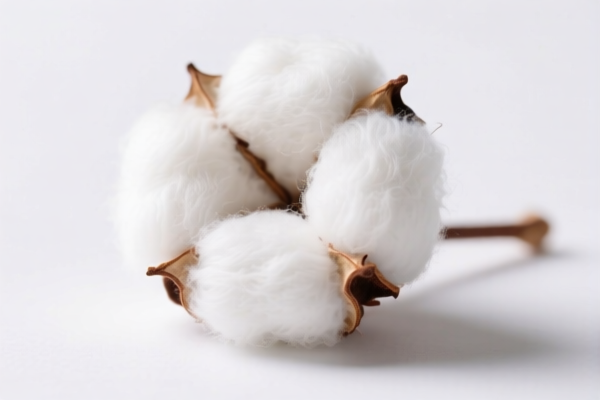
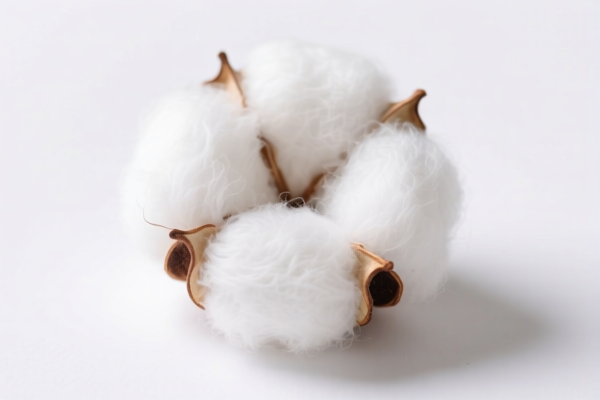
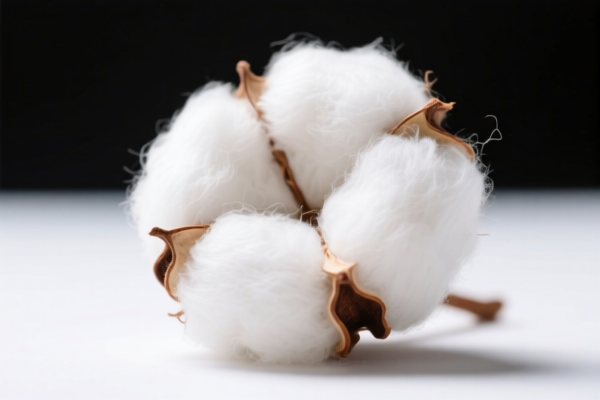
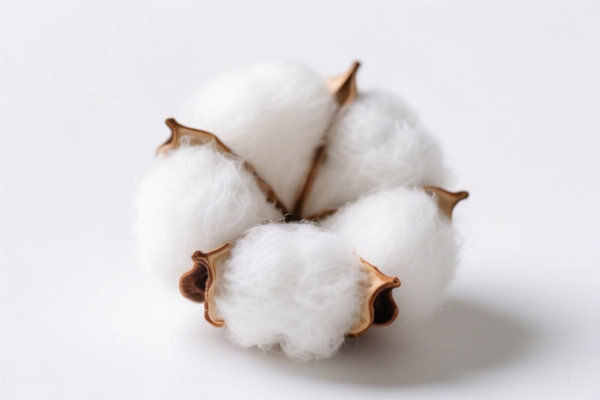
AI Analysis
🧵 Cotton Fiber Substrate for Sensitive Materials (敏感材料用棉纤维基材)
🌐 HS Code Reference & Clearance Guide | 2026 Latest Tariff Analysis | Professional Customs Strategy
📌 I. Product Definition & Classification: Do You Really Understand "Cotton Fiber Substrate"?
"Cotton Fiber Substrate for Sensitive Materials" is a specialized industrial textile component. In international trade, its classification hinges on two critical factors: 1. Material: Cotton fibers (specifically high-cotton content). 2. State/Form: "Substrate" (基材). This is the ambiguous term. Does it mean raw, unprocessed fiber? Or a processed textile fabric intended for coating/sensitization?
⚠️ Key Classification Divergence: * Raw/Unprocessed State: If "Substrate" implies raw, uncombed, or basic cotton fiber原料 →归入 Chapter 52 (Cotton). * Processed/Textile State: If "Substrate" implies a formed fabric, non-woven, or treated material ready for sensitization → 归入 Chapter 59 (Impregnated/Coated Textiles).
📦 II. HS Code Classification Details (2026 Latest Tariff Authority Comparison)
Based on the provided data analysis, here are the four possible classifications and their logic:
| HS Code | Product Description | Logic & Justification (From Data) | Total Tax Rate |
|---|---|---|---|
5903.10.10.00 |
Textile fabrics impregnated, coated, covered or laminated with plastic, of polyvinyl chloride | Logic: Matches material (Cotton) and form (Substrate, textile feature). Although coating material isn't explicit, "Substrate" for "Sensitive Materials" implies it's a treated textile. No material conflict. | 37.7% |
5201.00.12.00 |
Cotton, not carded or combed: Cotton, not carded or combed, with a fiber length of ≥ 28 mm but < 34 mm | Logic: "Cotton Fiber" matches "Cotton". "Substrate" interpreted as primary raw material (uncombed fiber). No conflict in material or form based on common sense for raw fiber inputs. | 35.0% |
5903.90.10.00 |
Other textile fabrics impregnated, coated, covered or laminated with plastic: Other: Of cotton | Logic: Material "Cotton Fiber" fits "Cotton Textiles". Form "Substrate" inferred as processed textile state. No conflict with "Other Cotton Textiles" classification. | 37.7% |
5205.11.20.00 |
Cotton yarn containing ≥ 85% by weight of cotton, put up for retail sale: Single yarn, of cotton, with a fiber length < 28 mm, weighed per 100 m ≤ 50 g | Logic: "Cotton Fiber" matches "≥85% Cotton". "Substrate" interpreted as unprocessed primary form (raw yarn/fiber). Consistent with raw cotton yarn classification attributes. | 40.0% |
🔍 Critical Analysis: * High Tax Risk: All potential classifications attract USITC 301 Tariffs (25%) and IEEPA Tariffs (10%) in addition to Base Duties. * The "Substrate" Ambiguity: The biggest risk lies in whether CBP views the item as Raw Material (Ch 52) or Processed Textile (Ch 59). * If it is raw fiber,
5201.00.12.00is the lowest tax (35.0%). * If it is a fabric/substrate,5903codes apply (37.7%). * If it is yarn,5205applies (40.0%).
💰 III. 2026 Latest Tariff Rate Breakdown (Including Surtaxes & Policy Add-ons)
✅ Applicable Country: United States (US)
✅ Origin: China (CN)
✅ Effective Date: November 10, 2025 (and subsequent imports)
🎯 1. 5903.10.10.00 & 5903.90.10.00 —— Treated Cotton Substrates
| Item | Detail |
|---|---|
| Base Duty | 2.7% (ad valorem) |
| USITC Surcharge (Section 301) | +25.0% |
| IEEPA Surcharge (China-specific) | +10.0% |
| Total Tax Rate | 37.7% |
| Calculation | CIF Value × 37.7% |
| De Minimis Exemption? | ❌ NO (denied for textile/textile products from China under current enforcement) |
| Legal Basis Path | IEEPA:9903.01.25 → IEEPA:9903.01.24 → USITC:5903.xx.10.00 |
📌 Explanation:
- These codes classify the item as a textile fabric that has been impregnated, coated, or treated.
- The term "Sensitive Materials" (敏感材料) often implies chemical treatment or functional coating, which pushes classification toward Chapter 59.
- Total 37.7% is a significant cost driver.
🎯 2. 5201.00.12.00 —— Raw Cotton Fiber (Lowest Rate Option)
| Item | Detail |
|---|---|
| Base Duty | 0.0% |
| USITC Surcharge (Section 301) | +25.0% |
| IEEPA Surcharge (China-specific) | +10.0% |
| Total Tax Rate | 35.0% |
| Calculation | CIF Value × 35.0% |
| De Minimis Exemption? | ❌ NO |
| Legal Basis Path | IEEPA:9903.01.24 → USITC:5201.00.12.00 |
📌 Explanation:
- If you can prove the product is raw, uncombed cotton fiber (not yet woven or non-woven into a "fabric" substrate), this code offers the lowest duty.
- Risk: If CBP inspectors see a rolled "fabric-like" substrate, they will reclassify to Ch 59, leading to back taxes and penalties.
🎯 3. 5205.11.20.00 —— Cotton Yarn
| Item | Detail |
|---|---|
| Base Duty | 5.0% |
| USITC Surcharge (Section 301) | +25.0% |
| IEEPA Surcharge (China-specific) | +10.0% |
| Total Tax Rate | 40.0% |
| Calculation | CIF Value × 40.0% |
| De Minimis Exemption? | ❌ NO |
| Legal Basis Path | IEEPA:9903.01.24 → USITC:5205.11.20.00 |
📌 Explanation:
- This is the most expensive option. Only use if the product is explicitly yarn spun for retail, not a substrate fabric. Generally, avoid this classification for "substrates" unless strictly defined as yarn.
🛠️ IV. Customs Clearance Practical Advice (Battle-Tested Pitfall Guide)
✅ 1. Documentation Checklist (Non-Negotiable)
| Document | Required? | Description |
|---|---|---|
| ✅ Product Specification Sheet | ✔️ | Must define "Substrate": Is it woven, non-woven, or raw fiber? Include thickness, weight, and processing status. |
| ✅ Material Composition Report | ✔️ | Proof of 100% Cotton or specific blend. "Sensitive Materials" component must be disclosed if it changes the chemical nature. |
| ✅ Product Photos (Clear) | ✔️ | Show texture, roll form, or loose fiber. Avoid images that look like "finished garments" or "complex assemblies." |
| ✅ Commercial Invoice | ✔️ | Accurate description: "Cotton Fiber Substrate, Raw/Processed, for Sensitive Material Application" |
| ✅ Certificate of Origin (CO) | ✔️ | Essential for proving Chinese origin (triggers 301/IEEPA taxes). |
| ✅ Pre-Import Analysis | ✔️ | Internal memo explaining why Ch 52 vs Ch 59 was chosen. |
✅ 2. Declaration Strategy (Key Mantras)
🔥 "Define Form First, Fiber Second. Raw is Cheaper, Fabric is Riskier!"
| Scenario | Correct Declaration | Wrong Practice | Consequence |
|---|---|---|---|
| Product is Loose Fiber | HS 5201.00.12.00"Raw Cotton Fiber" |
Labeling as "Textile Substrate" | Rejection at border; forced re-classification |
| Product is Non-Woven Fabric | HS 5903.90.10.00"Non-Woven Cotton Substrate" |
Labeling as "Raw Cotton" | 5% duty penalty + potential fraud investigation |
| Product is Woven Fabric | HS 5903.10.10.00"Coated Cotton Textile" |
Labeling as "Yarn" | 2.3% difference in base duty + high scrutiny |
| Vague Description: "Cotton Base" | Specific "Cotton Non-Woven Substrate, Impregnated" |
"Cotton Base Material" | CBP will assign highest duty code automatically |
✅ 3. Special Situations & Mitigation
| Situation | Handling Advice |
|---|---|
| "Sensitive Materials" Ambiguity | If the "sensitive material" refers to chemical coatings, emphasize the coating process to justify Ch 59. If it refers to electronic sensitivity, ensure the substrate is non-conductive cotton. |
| Pre-Treatment Status | If the cotton is merely washed/dried but not coated/laminated, argue for Ch 52 (Lower Tax). If glued/coated, must be Ch 59. |
| Origin Marking | Clearly mark "Made in China" on the substrate rolls. Failure to mark can lead to additional penalties. |
| De Minimis (Section 321) | ❌ Do Not Rely on De Minimis. Textile products from China are strictly monitored. Even small shipments are subject to the 37.7% total duty. |
🌍 V. Global Market Comparison (2026 Latest)
| Country/Region | Recommended HS Code | Total Tariff (China Origin) | Certification/Notes |
|---|---|---|---|
| 🇺🇸 USA | 5903.90.10.00 or 5201.00.12.00 |
35.0% – 37.7% | High scrutiny on "Sensitive" chemicals. |
| 🇨🇳 China | Same HS Codes | 0% – 2.7% (Import Duty) | No US surcharges. Domestic circulation may have VAT. |
| 🇪🇺 EU | Similar HS Codes | 0% – 12% | No Section 301/IEEPA equivalents. CE/RoHS may apply if chemical treated. |
| 🇬🇧 UK | Similar HS Codes | 0% – 12% | Post-Brexit rules apply. No US-style surcharges. |
| 🇯🇵 Japan | Similar HS Codes | 0% – 8% | No additional trade war tariffs. |
📌 Conclusion: * The US market is the most expensive due to the combination of Base Duty + 301 Tariffs + IEEPA Tariffs. * China, EU, and Asia-Pacific offer significantly lower duty burdens. Consider supply chain diversification if shipping directly to the US is not viable.
📌 VI. Common Errors & Pitfalls (Blood-Tested Lessons)
❌ Error 1: Using generic terms like "Cotton Base" or "Textile Mat"
👉 Consequence: CBP assigns the highest duty code (5205 or 5903) by default due to uncertainty. Cost increases by 2.7-5%.
❌ Error 2: Claiming "Raw Fiber" when the product is a Non-Woven Fabric 👉 Consequence: Misdeclaration of goods. Potential seizure, fines, and loss of import privileges. Risk of Criminal Investigation if intent is proven.
❌ Error 3: Ignoring the "Sensitive Materials" aspect 👉 Consequence: If the substrate contains hazardous chemicals for "sensitivity," it may trigger EPA/TSCA reviews in addition to Customs duties. Clearance Delay.
❌ Error 4: Assuming De Minimis (Under $800) Applies 👉 Consequence: Textiles from China are excluded from streamlined entry procedures. Full duty assessment on every package.
✅ Correct Approach:
"Cotton Non-Woven Substrate, Uncoated, Raw Fiber Form, 100% Cotton, for Sensitive Material Application, Model XYZ"
🎯 VII. Conclusion: Precision is Profit
🎯 Remember the Mantras:
🔹 "Raw Fiber = 35%, Fabric = 37.7%, Yarn = 40%. Don't Guess!"
🔹 "Sensitive Materials = Chemical Scrutiny. Disclose Everything."
🔹 "No De Minimis for China Textiles. Pay Up or Reroute."
📌 Pro Tip: If your "Sensitive Materials" component involves hazardous chemicals, ensure you have TSCA certification ready. Customs and EPA work together. Failure to declare chemical content can lead to rejection of entry.
📣 Immediate Action:
📞 Engage a licensed Customs Broker. 📤 Provide Material Safety Data Sheets (MSDS) for any coatings. 🚀 Pre-classify with CBP if the volume is high. Secure the
5201(35%) rate if possible by proving raw form.
✨ Professional Customs Clearance Starts with Accurate Classification! 💼 Every Percentage Point of Duty Counts in the Age of Trade Wars!
Customer Reviews
About HS Code Classification
The Harmonized System (HS) is an internationally standardized nomenclature developed by the World Customs Organization (WCO) to classify traded products. Over 200 countries use the HS system as the basis for customs tariffs, trade statistics, and import/export regulations.
Each HS code follows a hierarchical structure:
- Chapter (2 digits) — Broad category of goods (e.g., Chapter 84: Machinery and Mechanical Appliances)
- Heading (4 digits) — More specific grouping within the chapter
- Subheading (6 digits) — Internationally standardized breakdown, used by all WCO member countries
- National subdivisions (8-10 digits) — Country-specific extensions for further classification, such as US HTSUS 10-digit codes
Correct HS code classification is essential for smooth customs clearance, accurate duty payment, and compliance with trade regulations. Misclassification can lead to customs delays, overpayment of duties, or penalties.
When importing from CN to US, the applicable tariff rates may include:
- Most-Favored-Nation (MFN) rate — The standard duty rate applied to WTO members
- General rate — Applied to countries without trade agreements
- Trade remedy duties — Additional tariffs such as Section 301 (anti-dumping), Section 232 (national security), or countervailing duties
The information provided on this page is for reference purposes only. For official classification, please consult with your local customs authority or a licensed customs broker.