Cotton T shirts
CN → US| HS编码 | 关税税率 | 原产国 | 目的国 | 文档 |
|---|---|---|---|---|
| 6109100004 | 34.0% | CN | US | 官方文档 |
| 6109100012 | 34.0% | CN | US | 官方文档 |
| 6110202079 | 34.0% | CN | US | 官方文档 |
| 6209205050 | 26.8% | CN | US | 官方文档 |
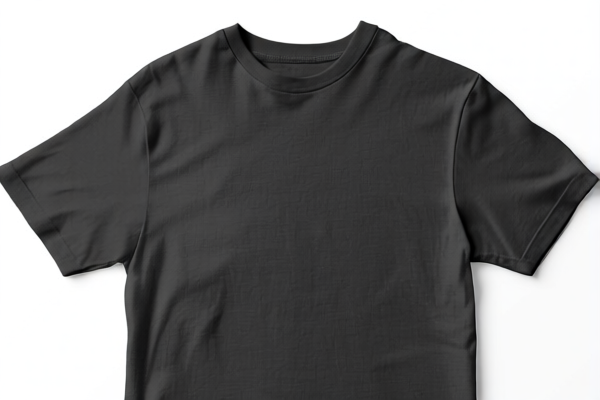
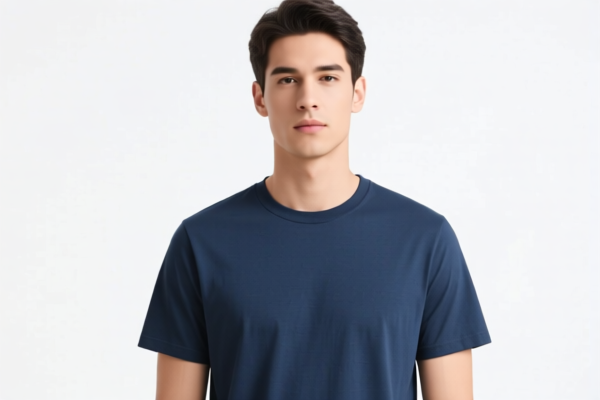
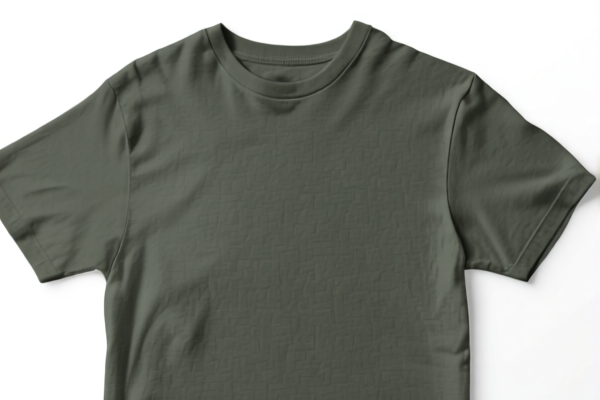
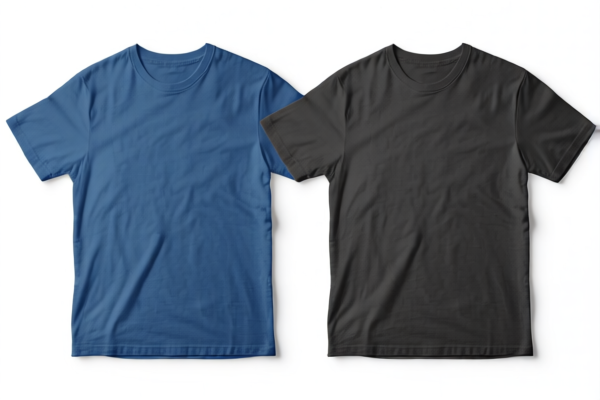
商品图片
AI分析
👕 Cotton T-Shirts (Knitted & Crocheted / Woven)
🌐 HS Code Reference & Customs Clearance Guide | 2026 Latest Tariff Analysis | Professional Entry Strategy
📌 Part I: Product Definition & Classification: What Exactly Is a "Cotton T-Shirt"?
A Cotton T-Shirt is a staple garment in global trade, but its classification depends entirely on its construction method (knitted vs. woven) and target demographic (general vs. infants). In international trade, "Cotton T-Shirt" is not a single HS Code but falls under specific subheadings based on manufacturing technique.
1. Knitted T-Shirts (Most Common)
Made by interlocking loops of yarn (jersey, rib, etc.). Flexible, stretchy, and breathable.
Key HS Chapter*: 61 (Articles of Apparel and Clothing Accessories, Knitted or Crocheted)
2. Woven T-Shirts (Less Common for Basic Tees)
Made by weaving threads at right angles. Stiffer, less stretch. Often used for fashion blends or specific uniform types.
Key HS Chapter*: 62 (Articles of Apparel and Clothing Accessories, Not Knitted or Crocheted)
3. Infant T-Shirts
Specifically designed for children under 2 years (usually size < 24 months).
Key HS Chapter*: 62 (Specifically subheading 6209)
⚠️ Critical Distinction:
- If it is stretchy and made of jersey fabric → It is Knitted (Chapter 61).
- If it is rigid, structured, or sewn from woven cotton sheets → It is Woven (Chapter 62).
- If it is for babies → It falls under Infant Garments (Chapter 62, specific subheading).
📦 Part II: HS Code Classification Details (2026 Latest Tariff Authority Match)
Based on the provided <DATA> context, here are the precise classifications and tax implications. Note: All codes below reflect goods originating from China imported into the US, subject to Section 301 and Section 122 tariffs.
| HS Code | Product Description | Application Scenario | Fabric/Construction Type |
|---|---|---|---|
6109.10.00.04 |
100% Cotton T-Shirt (Knitted) | General adult/kids knitted tee, 100% cotton | ✅ Knitted, 100% Cotton |
6109.10.00.12 |
Cotton T-Shirt (Knitted) | General knitted tee, cotton content | ✅ Knitted, Cotton |
6110.20.20.79 |
100% Cotton Knitted Article (Similar) | Knitted garments similar to T-shirts (e.g., pullovers, sweatshirts with collar) | ✅ Knitted, Similar Article |
6209.20.50.50 |
Cotton T-Shirt (Infant) | T-shirts specifically for infants (under 2 years) | ✅ Woven/Other, Infant Category |
🔍 Key Insight:
- Codes6109and6110apply to Knitted items.
- Code6209applies to Infant items, which often carry different tariff structures.
- All products in<DATA>are subject to high combined tariffs due to current US-China trade policies.
💰 Part III: 2026 Tariff Rate Breakdown (Including Surcharges & Policy Add-ons)
✅ Applicable Country: United States (US)
✅ Country of Origin: China (CN)
✅ Effective Date: Current rates apply for 2026 imports
🎯 1. Knitted Cotton T-Shirts (6109.10.00.04, 6109.10.00.12, 6110.20.20.79)
| Item | Detail |
|---|---|
| Base MFN Rate | 16.5% (Ad Valorem) |
| Section 301 Surcharge (Additional Duty) | 7.5% |
| Section 122 Tariff | 10% |
| Total Tax Rate | 34.0% |
| Tax Calculation | CIF Value × 34.0% |
| De Minimis Eligibility | ❌ No (Deny de minimis for Section 301/122 goods) |
| Legal Basis Path | USITC:6109.10.00.04 → SECTION_301:7.5% → SECTION_122:10% → TOTAL:34.0% |
📌 Explanation:
- The 16.5% is the standard Most Favored Nation (MFN) duty for knitted cotton T-shirts.
- The 7.5% is an additional duty under Section 301 of the Trade Act of 1974 (targeting Chinese goods).
- The 10% is a Section 122 tariff, which can be imposed to address balance of payments issues or protect domestic industry.
- Total Effective Rate: 34.0%. This is a significant cost factor that must be factored into pricing models.
🎯 2. Infant Cotton T-Shirts (6209.20.50.50)
| Item | Detail |
|---|---|
| Base MFN Rate | 9.3% (Ad Valorem) |
| Section 301 Surcharge (Additional Duty) | 7.5% |
| Section 122 Tariff | 10% |
| Total Tax Rate | 26.8% |
| Tax Calculation | CIF Value × 26.8% |
| De Minimis Eligibility | ❌ No (Deny de minimis for Section 301/122 goods) |
| Legal Basis Path | USITC:6209.20.50.50 → SECTION_301:7.5% → SECTION_122:10% → TOTAL:26.8% |
📌 Note:
- Infant garments have a lower base rate (9.3%) compared to general knitted tees (16.5%).
- However, the Section 301 (7.5%) and Section 122 (10%) surcharges are still applied, resulting in a 26.8% total.
- Savings Alert: Infant T-shirts save 7.2% in total duties compared to general knitted T-shirts.
🛠️ Part IV: Customs Clearance Practical Advice (Battle-Tested Pitfall Guide)
✅ 1. Required Documentation Checklist (Non-Negotiable)
| Document | Must Provide? | Explanation |
|---|---|---|
| ✅ Product Specification Sheet | ✔️ | Must specify: 100% Cotton, Knitted/Woven, Fabric Weight (GSM), Color, Size Range. |
| ✅ Fabric Content Label | ✔️ | Physical label on the garment must match the commercial invoice (e.g., "100% Cotton"). |
| ✅ Commercial Invoice | ✔️ | Must clearly state: "Cotton T-Shirt, Knitted," not just "Garment." |
| ✅ Packing List | ✔️ | Detail quantities by size/color. Ensure no mixed HS Codes in one shipment without clear separation. |
| ✅ Bill of Lading / Air Waybill | ✔️ | Standard shipping docs. |
| ✅ Section 301/122 Compliance Statement | ✔️ | Explicitly declare origin as China to trigger correct tariff treatment and avoid penalties. |
✅ 2. Declaration Tips (Key Mantra)
🔥 “Be Specific: Material + Construction + Use. Ambiguity = Audit!”
| Scenario | Correct Declaration | Wrong Declaration | Consequence |
|---|---|---|---|
| Adult Knitted Tee | 6109.10.00.04 / 6109.10.00.12 |
"Clothing" or "Tee Shirt" (General) | High risk of reclassification & penalties. |
| Infant Tee | 6209.20.50.50 |
"Baby Clothes" (Vague) | Must specify "Infant" to qualify for lower base rate. |
| Knitted vs. Woven | Clearly state "Knitted" or "Woven" | Not specified | Customs may assume the higher-tax or incorrect code. |
| Cotton Content | "100% Cotton" | "Cotton Blend" (if false) | Misdeclaration of fiber content is a major fraud risk. |
✅ 3. Special Cases & Handling
| Situation | Handling Advice |
|---|---|
| Mixed Shipment (Adult + Infant) | Split HS Codes! Do not declare all under one code. Infant items under 6209 have a lower base rate. Misclassifying infant goods as general goods can lead to underpayment; vice versa leads to overpayment and audit flags. |
| T-Shirts with Graphics/Prints | Still classified under 6109 or 6209 based on base garment. Embellishments do not change the fundamental classification unless they add significant value (then check Ch. 61/62 notes). |
| OEM Private Label | Ensure the invoice reflects the actual manufacturer. Origin determination is critical for Section 301/122 application. |
| Sample Shipments | Even samples are subject to duties if value exceeds de minimis ($800). However, Section 301/122 may still apply depending on CBP rulings. Check current de minimis exclusions for China. |
🌍 Part V: Global Market Clearance Comparison (2026)
| Country/Region | Recommended HS Code | Base Tariff | Additional Duties (China Origin) | Total Est. Rate | Notes |
|---|---|---|---|---|---|
| 🇺🇸 USA | 6109.10.00.04 |
16.5% | +7.5% (301) + 10% (122) | 34.0% | High barriers. Use infant code (6209) if applicable for savings. |
| 🇨🇳 China | 6109.10.00.04 |
9.0% - 15%* | None | ~9-15% | Import duties vary. No Section 301/122. |
| 🇪🇺 EU | 6109.10.00 |
12% | None (WTO MFN) | 12% | No extra Section 301/122. CBAM does not apply to textiles. |
| 🇬🇧 UK | 6109.10.00 |
12% | None | 12% | Post-Brexit rules. Similar to EU. |
| 🇨🇦 Canada | 6109.10.00 |
16% | CUSMA Eligibility? | 0-16% | If produced in North America, 0%. If China origin, 16% + potential penalties. |
📌 Conclusion:
- USA is the most costly market for Chinese cotton T-shirts due to Section 301 and Section 122 tariffs.
- EU/UK/Canada offer significantly lower duty burdens (12-16%) without the additional punitive tariffs.
- Strategy: If targeting the US, consider infant classification (6209) for a 7.2% saving per unit, or explore supply chain diversification to avoid China-origin surcharges.
📌 Part VI: Common Mistakes & Pitfalls (Lessons Learned)
❌ Mistake 1: Declaring all T-shirts under a single generic code (e.g., "Knitted T-Shirt") without specifying infant vs. adult.
👉 Consequence: May miss out on lower infant tariff rates (6209) or face audits for misclassification.
❌ Mistake 2: Ignoring Section 122 and Section 301 in cost calculations.
👉 Consequence: Underquoting product price, leading to negative margins. Total 34% vs. 16.5% is a massive difference!
❌ Mistake 3: Misidentifying Knitted vs. Woven.
👉 Consequence: Wrong HS Chapter (61 vs. 62), leading to seizure, delay, or back-taxes.
❌ Mistake 4: Assuming de minimis ($800) applies to Section 301/122 goods.
👉 Consequence: Strictly prohibited. CBP will assess duties on the entire shipment, even for small samples.
✅ Correct Approach:
"100% Cotton, Knitted, Adult T-Shirt, HS 6109.10.00.04, Total Duty 34%"
"Cotton T-Shirt, Infant, HS 6209.20.50.50, Total Duty 26.8%"
🎯 Part VII: Conclusion: Professional Declaration, Cost Control, Efficiency!
🎯 Remember the Mantra:
🔹 "Knitted 34%, Infant 26.8%, Don't Guess the Code!"
🔹 "Section 301 + 122 = High Cost, Plan Ahead!"
🔹 "Infant Code Saves 7.2%, Check Size & Label!"
📌 Pro Tip:
If your T-shirts are not made in China (e.g., Vietnam, Bangladesh, Turkey), you can avoid the 7.5% Section 301 and potentially the Section 122 tariffs, reducing the total rate significantly.
Recommendation: Apply for an Advance Ruling from CBP if your product is on the borderline between knitted/woven or general/infant to avoid costly misclassification penalties.
📣 Take Action Now:
📞 Contact a licensed customs broker + Provide garment photos + Verify fiber content + Check origin rules
🚀 Ensure your cotton T-shirts clear customs smoothly, minimize duties, and maximize profit!
✨ Professional Clearance Starts with Accurate Classification!
💼 Every Dollar in Tariffs is a Dollar Lost from Your Margin!
用户评价
关于 HS 编码归类
协调制度(HS)是由世界海关组织(WCO)制定的国际贸易商品分类标准。全球 200 多个国家采用 HS 系统作为海关关税、贸易统计和进出口监管的基础。
每个 HS 编码遵循以下层级结构:
- 章(2 位)——商品大类(例如:第 84 章:机器和机械设备)
- 品目(4 位)——章内的更具体分类
- 子目(6 位)——国际通用细分,所有 WCO 成员国统一使用
- 本国细分(8-10 位)——各国自行扩展的细分编码,如美国 HTSUS 10 位编码
正确的 HS 编码归类对于顺利通关、准确缴纳关税和遵守贸易法规至关重要。错误归类可能导致海关延误、多缴关税或罚款。
从CN进口到US时,适用的关税税率可能包括:
- 最惠国(MFN)税率——适用于 WTO 成员国的标准关税税率
- 普通税率——适用于无贸易协定国家
- 贸易救济关税——附加关税,如 301 条款(反倾销)、232 条款(国家安全)或反补贴税
本页内容仅供参考。如需正式归类,请咨询当地海关或持牌报关代理。