Cotton T shirts
CN → US| HS Code | Tariff Rate | Origin | Destination | Doc |
|---|---|---|---|---|
| 6109100004 | 34.0% | CN | US | Official Doc |
| 6109100012 | 34.0% | CN | US | Official Doc |
| 6110202079 | 34.0% | CN | US | Official Doc |
| 6209205050 | 26.8% | CN | US | Official Doc |
Product Images
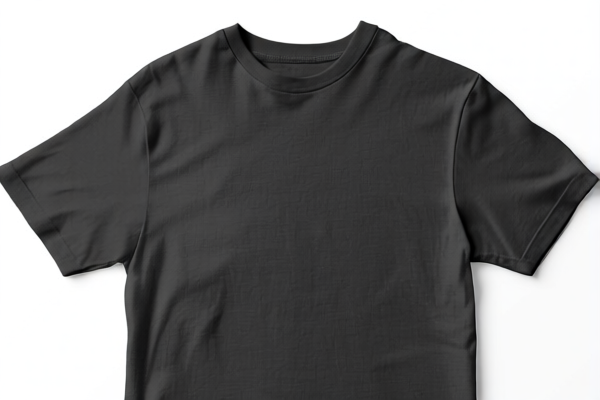
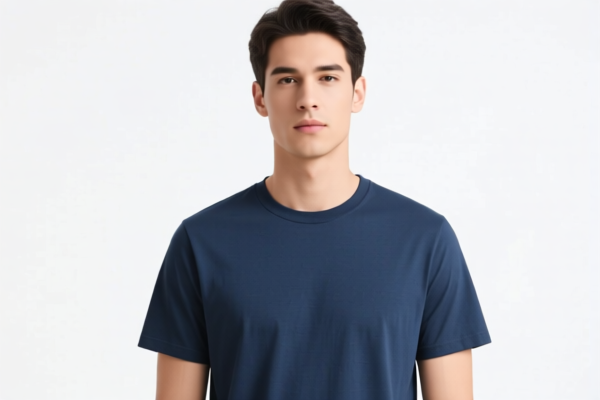
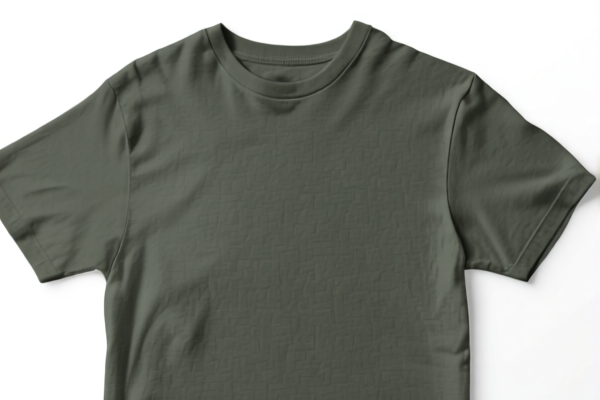
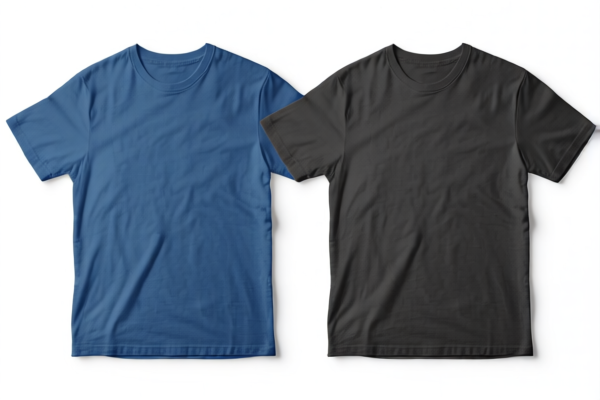
AI Analysis
👕 Cotton T-Shirts (Knitted & Crocheted / Woven)
🌐 HS Code Reference & Customs Clearance Guide | 2026 Latest Tariff Analysis | Professional Entry Strategy
📌 Part I: Product Definition & Classification: What Exactly Is a "Cotton T-Shirt"?
A Cotton T-Shirt is a staple garment in global trade, but its classification depends entirely on its construction method (knitted vs. woven) and target demographic (general vs. infants). In international trade, "Cotton T-Shirt" is not a single HS Code but falls under specific subheadings based on manufacturing technique.
1. Knitted T-Shirts (Most Common)
Made by interlocking loops of yarn (jersey, rib, etc.). Flexible, stretchy, and breathable.
Key HS Chapter*: 61 (Articles of Apparel and Clothing Accessories, Knitted or Crocheted)
2. Woven T-Shirts (Less Common for Basic Tees)
Made by weaving threads at right angles. Stiffer, less stretch. Often used for fashion blends or specific uniform types.
Key HS Chapter*: 62 (Articles of Apparel and Clothing Accessories, Not Knitted or Crocheted)
3. Infant T-Shirts
Specifically designed for children under 2 years (usually size < 24 months).
Key HS Chapter*: 62 (Specifically subheading 6209)
⚠️ Critical Distinction:
- If it is stretchy and made of jersey fabric → It is Knitted (Chapter 61).
- If it is rigid, structured, or sewn from woven cotton sheets → It is Woven (Chapter 62).
- If it is for babies → It falls under Infant Garments (Chapter 62, specific subheading).
📦 Part II: HS Code Classification Details (2026 Latest Tariff Authority Match)
Based on the provided <DATA> context, here are the precise classifications and tax implications. Note: All codes below reflect goods originating from China imported into the US, subject to Section 301 and Section 122 tariffs.
| HS Code | Product Description | Application Scenario | Fabric/Construction Type |
|---|---|---|---|
6109.10.00.04 |
100% Cotton T-Shirt (Knitted) | General adult/kids knitted tee, 100% cotton | ✅ Knitted, 100% Cotton |
6109.10.00.12 |
Cotton T-Shirt (Knitted) | General knitted tee, cotton content | ✅ Knitted, Cotton |
6110.20.20.79 |
100% Cotton Knitted Article (Similar) | Knitted garments similar to T-shirts (e.g., pullovers, sweatshirts with collar) | ✅ Knitted, Similar Article |
6209.20.50.50 |
Cotton T-Shirt (Infant) | T-shirts specifically for infants (under 2 years) | ✅ Woven/Other, Infant Category |
🔍 Key Insight:
- Codes6109and6110apply to Knitted items.
- Code6209applies to Infant items, which often carry different tariff structures.
- All products in<DATA>are subject to high combined tariffs due to current US-China trade policies.
💰 Part III: 2026 Tariff Rate Breakdown (Including Surcharges & Policy Add-ons)
✅ Applicable Country: United States (US)
✅ Country of Origin: China (CN)
✅ Effective Date: Current rates apply for 2026 imports
🎯 1. Knitted Cotton T-Shirts (6109.10.00.04, 6109.10.00.12, 6110.20.20.79)
| Item | Detail |
|---|---|
| Base MFN Rate | 16.5% (Ad Valorem) |
| Section 301 Surcharge (Additional Duty) | 7.5% |
| Section 122 Tariff | 10% |
| Total Tax Rate | 34.0% |
| Tax Calculation | CIF Value × 34.0% |
| De Minimis Eligibility | ❌ No (Deny de minimis for Section 301/122 goods) |
| Legal Basis Path | USITC:6109.10.00.04 → SECTION_301:7.5% → SECTION_122:10% → TOTAL:34.0% |
📌 Explanation:
- The 16.5% is the standard Most Favored Nation (MFN) duty for knitted cotton T-shirts.
- The 7.5% is an additional duty under Section 301 of the Trade Act of 1974 (targeting Chinese goods).
- The 10% is a Section 122 tariff, which can be imposed to address balance of payments issues or protect domestic industry.
- Total Effective Rate: 34.0%. This is a significant cost factor that must be factored into pricing models.
🎯 2. Infant Cotton T-Shirts (6209.20.50.50)
| Item | Detail |
|---|---|
| Base MFN Rate | 9.3% (Ad Valorem) |
| Section 301 Surcharge (Additional Duty) | 7.5% |
| Section 122 Tariff | 10% |
| Total Tax Rate | 26.8% |
| Tax Calculation | CIF Value × 26.8% |
| De Minimis Eligibility | ❌ No (Deny de minimis for Section 301/122 goods) |
| Legal Basis Path | USITC:6209.20.50.50 → SECTION_301:7.5% → SECTION_122:10% → TOTAL:26.8% |
📌 Note:
- Infant garments have a lower base rate (9.3%) compared to general knitted tees (16.5%).
- However, the Section 301 (7.5%) and Section 122 (10%) surcharges are still applied, resulting in a 26.8% total.
- Savings Alert: Infant T-shirts save 7.2% in total duties compared to general knitted T-shirts.
🛠️ Part IV: Customs Clearance Practical Advice (Battle-Tested Pitfall Guide)
✅ 1. Required Documentation Checklist (Non-Negotiable)
| Document | Must Provide? | Explanation |
|---|---|---|
| ✅ Product Specification Sheet | ✔️ | Must specify: 100% Cotton, Knitted/Woven, Fabric Weight (GSM), Color, Size Range. |
| ✅ Fabric Content Label | ✔️ | Physical label on the garment must match the commercial invoice (e.g., "100% Cotton"). |
| ✅ Commercial Invoice | ✔️ | Must clearly state: "Cotton T-Shirt, Knitted," not just "Garment." |
| ✅ Packing List | ✔️ | Detail quantities by size/color. Ensure no mixed HS Codes in one shipment without clear separation. |
| ✅ Bill of Lading / Air Waybill | ✔️ | Standard shipping docs. |
| ✅ Section 301/122 Compliance Statement | ✔️ | Explicitly declare origin as China to trigger correct tariff treatment and avoid penalties. |
✅ 2. Declaration Tips (Key Mantra)
🔥 “Be Specific: Material + Construction + Use. Ambiguity = Audit!”
| Scenario | Correct Declaration | Wrong Declaration | Consequence |
|---|---|---|---|
| Adult Knitted Tee | 6109.10.00.04 / 6109.10.00.12 |
"Clothing" or "Tee Shirt" (General) | High risk of reclassification & penalties. |
| Infant Tee | 6209.20.50.50 |
"Baby Clothes" (Vague) | Must specify "Infant" to qualify for lower base rate. |
| Knitted vs. Woven | Clearly state "Knitted" or "Woven" | Not specified | Customs may assume the higher-tax or incorrect code. |
| Cotton Content | "100% Cotton" | "Cotton Blend" (if false) | Misdeclaration of fiber content is a major fraud risk. |
✅ 3. Special Cases & Handling
| Situation | Handling Advice |
|---|---|
| Mixed Shipment (Adult + Infant) | Split HS Codes! Do not declare all under one code. Infant items under 6209 have a lower base rate. Misclassifying infant goods as general goods can lead to underpayment; vice versa leads to overpayment and audit flags. |
| T-Shirts with Graphics/Prints | Still classified under 6109 or 6209 based on base garment. Embellishments do not change the fundamental classification unless they add significant value (then check Ch. 61/62 notes). |
| OEM Private Label | Ensure the invoice reflects the actual manufacturer. Origin determination is critical for Section 301/122 application. |
| Sample Shipments | Even samples are subject to duties if value exceeds de minimis ($800). However, Section 301/122 may still apply depending on CBP rulings. Check current de minimis exclusions for China. |
🌍 Part V: Global Market Clearance Comparison (2026)
| Country/Region | Recommended HS Code | Base Tariff | Additional Duties (China Origin) | Total Est. Rate | Notes |
|---|---|---|---|---|---|
| 🇺🇸 USA | 6109.10.00.04 |
16.5% | +7.5% (301) + 10% (122) | 34.0% | High barriers. Use infant code (6209) if applicable for savings. |
| 🇨🇳 China | 6109.10.00.04 |
9.0% - 15%* | None | ~9-15% | Import duties vary. No Section 301/122. |
| 🇪🇺 EU | 6109.10.00 |
12% | None (WTO MFN) | 12% | No extra Section 301/122. CBAM does not apply to textiles. |
| 🇬🇧 UK | 6109.10.00 |
12% | None | 12% | Post-Brexit rules. Similar to EU. |
| 🇨🇦 Canada | 6109.10.00 |
16% | CUSMA Eligibility? | 0-16% | If produced in North America, 0%. If China origin, 16% + potential penalties. |
📌 Conclusion:
- USA is the most costly market for Chinese cotton T-shirts due to Section 301 and Section 122 tariffs.
- EU/UK/Canada offer significantly lower duty burdens (12-16%) without the additional punitive tariffs.
- Strategy: If targeting the US, consider infant classification (6209) for a 7.2% saving per unit, or explore supply chain diversification to avoid China-origin surcharges.
📌 Part VI: Common Mistakes & Pitfalls (Lessons Learned)
❌ Mistake 1: Declaring all T-shirts under a single generic code (e.g., "Knitted T-Shirt") without specifying infant vs. adult.
👉 Consequence: May miss out on lower infant tariff rates (6209) or face audits for misclassification.
❌ Mistake 2: Ignoring Section 122 and Section 301 in cost calculations.
👉 Consequence: Underquoting product price, leading to negative margins. Total 34% vs. 16.5% is a massive difference!
❌ Mistake 3: Misidentifying Knitted vs. Woven.
👉 Consequence: Wrong HS Chapter (61 vs. 62), leading to seizure, delay, or back-taxes.
❌ Mistake 4: Assuming de minimis ($800) applies to Section 301/122 goods.
👉 Consequence: Strictly prohibited. CBP will assess duties on the entire shipment, even for small samples.
✅ Correct Approach:
"100% Cotton, Knitted, Adult T-Shirt, HS 6109.10.00.04, Total Duty 34%"
"Cotton T-Shirt, Infant, HS 6209.20.50.50, Total Duty 26.8%"
🎯 Part VII: Conclusion: Professional Declaration, Cost Control, Efficiency!
🎯 Remember the Mantra:
🔹 "Knitted 34%, Infant 26.8%, Don't Guess the Code!"
🔹 "Section 301 + 122 = High Cost, Plan Ahead!"
🔹 "Infant Code Saves 7.2%, Check Size & Label!"
📌 Pro Tip:
If your T-shirts are not made in China (e.g., Vietnam, Bangladesh, Turkey), you can avoid the 7.5% Section 301 and potentially the Section 122 tariffs, reducing the total rate significantly.
Recommendation: Apply for an Advance Ruling from CBP if your product is on the borderline between knitted/woven or general/infant to avoid costly misclassification penalties.
📣 Take Action Now:
📞 Contact a licensed customs broker + Provide garment photos + Verify fiber content + Check origin rules
🚀 Ensure your cotton T-shirts clear customs smoothly, minimize duties, and maximize profit!
✨ Professional Clearance Starts with Accurate Classification!
💼 Every Dollar in Tariffs is a Dollar Lost from Your Margin!
Customer Reviews
About HS Code Classification
The Harmonized System (HS) is an internationally standardized nomenclature developed by the World Customs Organization (WCO) to classify traded products. Over 200 countries use the HS system as the basis for customs tariffs, trade statistics, and import/export regulations.
Each HS code follows a hierarchical structure:
- Chapter (2 digits) — Broad category of goods (e.g., Chapter 84: Machinery and Mechanical Appliances)
- Heading (4 digits) — More specific grouping within the chapter
- Subheading (6 digits) — Internationally standardized breakdown, used by all WCO member countries
- National subdivisions (8-10 digits) — Country-specific extensions for further classification, such as US HTSUS 10-digit codes
Correct HS code classification is essential for smooth customs clearance, accurate duty payment, and compliance with trade regulations. Misclassification can lead to customs delays, overpayment of duties, or penalties.
When importing from CN to US, the applicable tariff rates may include:
- Most-Favored-Nation (MFN) rate — The standard duty rate applied to WTO members
- General rate — Applied to countries without trade agreements
- Trade remedy duties — Additional tariffs such as Section 301 (anti-dumping), Section 232 (national security), or countervailing duties
The information provided on this page is for reference purposes only. For official classification, please consult with your local customs authority or a licensed customs broker.