Cotton Textile Composite Board (Highest Vegetable Fiber Content)
CN → US| HS编码 | 关税税率 | 原产国 | 目的国 | 文档 |
|---|---|---|---|---|
| 5903903090 | 37.7% | CN | US | 官方文档 |
| 5603949090 | 35.0% | CN | US | 官方文档 |
| 5603949050 | 35.0% | CN | US | 官方文档 |
| 5311004010 | 35.0% | CN | US | 官方文档 |
| 5903902500 | 42.5% | CN | US | 官方文档 |
商品图片
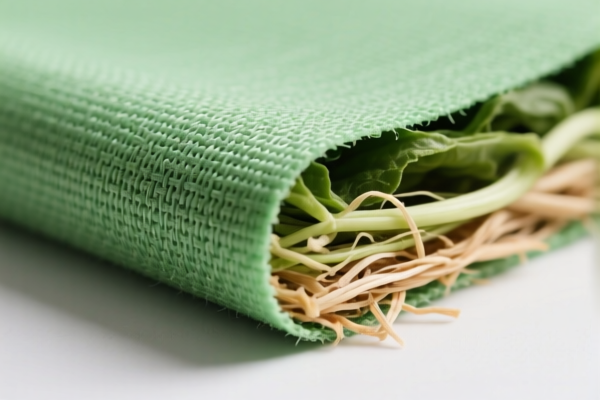
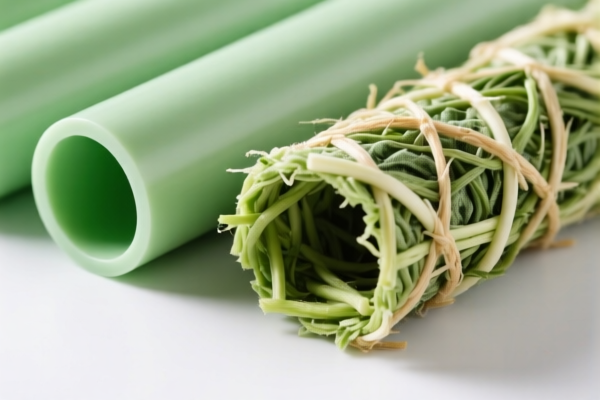
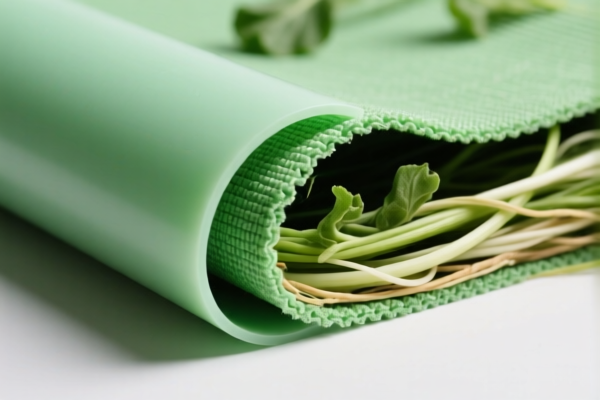
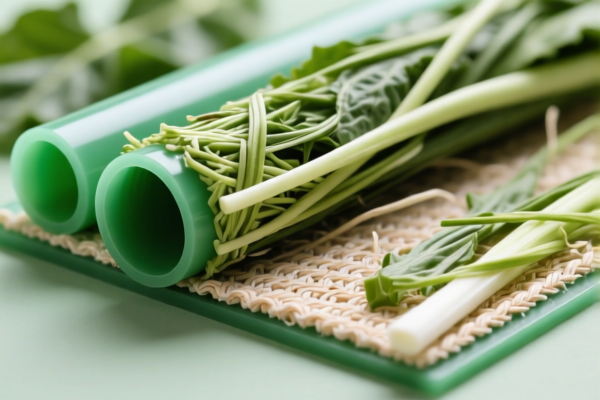
AI分析
🌿 Cotton Textile Composite Board (Highest Vegetable Fiber Content)
🌐 HS Code Reference & Customs Clearance Guide | 2026 Latest Tariff Breakdown | Pro-Level Import Strategy
📌 One Product, Multiple Classifications — But Only One Correct HS Code!
This composite board is a textile-based sheet material made primarily from vegetable fibers, including cotton and other natural plant-based fibers. Despite its rigid appearance, its textile morphology and fiber composition determine its correct classification under the Harmonized System (HS). The key lies in distinguishing whether it's a textile fabric, non-woven fabric, or impregnated/laminated textile.
⚠️ Critical Insight:
- If it’s a flexible, sheet-like textile with high vegetable fiber content → 5903.90.30.90 or 5311.00.40.10
- If it’s a non-woven, short-fiber sheet → 5603.94.90.50 or 5603.94.90.90
- Do NOT classify as wood, plastic, or paper products — this leads to severe penalties and reclassification risks.
📦 Two Key HS Codes: Which One Fits Your Product? (2026 Official Tax Authority Match)
| HS Code | Product Description | Matching Logic | Tax Rate | Key Condition |
|---|---|---|---|---|
5903.90.30.90 |
Other textile composite sheets (impregnated, coated, or laminated) — vegetable fiber-based, non-wool, non-fine animal hair | ✅ Matches: Sheet form + vegetable fiber + textile composite logic | 37.7% | Must be laminated/impregnated; not a plain non-woven |
5603.94.90.50 |
Other non-woven fabrics (short fibers, plant-based), not otherwise specified | ✅ Matches: Sheet form + plant fiber + non-woven structure | 35.0% | Must be non-woven, no lamination, no coating |
5311.00.40.10 |
Other true hemp fabrics (vegetable fiber, sheet form) | ✅ Matches: True hemp fiber confirmed; sheet form | 35.0% | Only if confirmed as true hemp (not mixed cotton) |
5603.94.90.90 |
Other non-woven fabrics — no specific fiber, but plant fiber used | ⚠️ Possible match if no clear fiber type or no weight data | 35.0% | Higher risk — only if no better fit exists |
5903.90.25.00 |
Other textile composite sheets — laminated/impregnated, vegetable fiber | ✅ Matches if coated/impregnated | 42.5% | Highest tax — use only if laminated and no better fit |
🔍 Why Multiple Codes?
Because form, fiber, and processing determine the correct HS Code.
- Non-woven? →5603.94.90.x0
- Laminated/impregnated? →5903.90.30.90or5903.90.25.00
- True hemp? →5311.00.40.10(best fit if confirmed)
💰 2026 Latest Tariff Breakdown: Full Tax Clause Breakdown (US Market)
✅ Applicable Country: United States (US)
✅ Origin: China (CN)
✅ Effective Date: November 10, 2025 (inclusive)
✅ Applicable to: All imports from China under Section 301, IEEPA, and 122(b)
🎯 1. 5903.90.30.90 — Other Textile Composite Sheets (Vegetable Fiber)
| Tax Component | Rate | Legal Basis | Explanation |
|---|---|---|---|
| Base Duty | 2.7% | HTSUS 5903.90.30 | Standard rate for non-wool textile composites |
| Section 301 (USITC) | +25.0% | USITC Footnote 9903.88.01 | Applies to all Chinese-origin goods under Section 301 |
| IEEPA (122(b) Clause) | +10.0% | IEEPA: 9903.01.24 | Emergency economic power law — targets China-specific products |
| Total Duty | 37.7% | — | CIF Value × 37.7% |
| De Minimis Exemption? | ❌ No | — | No 2% de minimis relief — full tax applies |
| Legal Path | IEEPA:9903.01.24 → USITC:9903.88.01 → HTSUS:5903.90.30.90 |
📌 Key Note:
- This code applies only if the sheet is laminated, impregnated, or coated — not a plain non-woven. - If no lamination, this code is incorrect → risk of audit, penalties, and reclassification.
🎯 2. 5603.94.90.50 — Other Non-Woven Fabrics (Plant Fiber)
| Tax Component | Rate | Legal Basis | Explanation |
|---|---|---|---|
| Base Duty | 0.0% | HTSUS 5603.94.90 | No base tariff for non-woven fabrics |
| Section 301 (USITC) | +25.0% | USITC Footnote 9903.88.01 | Applies to all Chinese-origin goods |
| IEEPA (122(b) Clause) | +10.0% | IEEPA: 9903.01.24 | Emergency power law — applies to China |
| Total Duty | 35.0% | — | CIF × 35.0% |
| De Minimis? | ❌ No | — | Full tax applies |
| Legal Path | IEEPA:9903.01.24 → USITC:9903.88.01 → HTSUS:5603.94.90.50 |
📌 Key Note:
- Only valid if the product is non-woven (no weaving, no knitting). - If it’s laminated or coated, this code is wrong — use5903.90.30.90instead.
🎯 3. 5311.00.40.10 — True Hemp Fabric (Sheet Form)
| Tax Component | Rate | Legal Basis | Explanation |
|---|---|---|---|
| Base Duty | 0.0% | HTSUS 5311.00.40 | No base duty for true hemp |
| Section 301 (USITC) | +25.0% | USITC:9903.88.01 | Applies to all Chinese goods |
| IEEPA (122(b)) | +10.0% | IEEPA:9903.01.24 | Applies to China-origin goods |
| Total Duty | 35.0% | — | CIF × 35.0% |
| De Minimis? | ❌ No | — | Full tax applies |
| Legal Path | IEEPA:9903.01.24 → USITC:9903.88.01 → HTSUS:5311.00.40.10 |
📌 Critical Requirement:
- Must be confirmed as “true hemp” — not cotton, not jute, not mixed fiber. - Provide lab test report showing >90% hemp fiber content. - If not true hemp, this code is invalid → audit risk.
🛠️ Customs Clearance Best Practices (Pro Tips to Avoid Delays & Fines)
✅ 1. Required Documentation (Must-Have)
| Document | Required? | Why It Matters |
|---|---|---|
| ✅ Product Specification Sheet | ✔️ | Must state: fiber type, form (sheet), processing (non-woven/laminated) |
| ✅ Fiber Test Report (Lab) | ✔️ | Prove vegetable fiber content, hemp vs cotton, non-woven structure |
| ✅ Product Photos (Clear, Labelled) | ✔️ | Show texture, thickness, surface finish |
| ✅ Commercial Invoice | ✔️ | Must include: “Cotton Textile Composite Board, Vegetable Fiber Content >85%” |
| ✅ Bill of Lading (BOL) | ✔️ | Confirm shipment origin and mode |
| ✅ Certificate of Origin (CO) | ✔️ | Required for USITC/IEEPA compliance |
| ✅ Structure Diagram (Optional but Recommended) | ✔️ | Show layers (if laminated) or fiber structure (if non-woven) |
✅ 2.申报技巧(Key Phrases to Use)
🔥 "Non-woven vegetable fiber composite sheet, 85%+ plant fiber, no lamination" →
5603.94.90.50
🔥 "Laminated textile composite sheet, cotton/hemp blend, impregnated with resin" →5903.90.30.90
🔥 "True hemp fabric, sheet form, 95% hemp, non-woven" →5311.00.40.10❌ Avoid:
- “Composite board” → sounds like wood/plastic
- “Fiberboard” → may be misclassified as paper or wood
- “Textile panel” → too vague — use “sheet” instead
✅ 3. Risk Mitigation: What If You’re Not Sure?
| Scenario | Recommended Action |
|---|---|
| Fiber type unclear | Use 5603.94.90.90 (lowest risk) — but only if no better fit |
| Lamination suspected | Use 5903.90.30.90 — do not use non-woven code |
| Hemp confirmed | Use 5311.00.40.10 — best tax rate if eligible |
| Mixed cotton + hemp | Use 5903.90.30.90 (if laminated) or 5603.94.90.50 (if non-woven) |
🌍 Global Market Comparison (2026 Update)
| Country | Recommended HS Code | Tariff | Certification | Notes |
|---|---|---|---|---|
| 🇺🇸 USA | 5603.94.90.50 / 5903.90.30.90 |
35.0%–37.7% | None (but lab report recommended) | No de minimis — full tax |
| 🇨🇳 China | 5603.94.90.50 |
5% | CCC | No extra tariffs |
| 🇪🇺 EU | 5603.94.90.50 |
0% (if CE) | CE | No 301/IEEPA |
| 🇦🇺 Australia | 5603.94.90.50 |
5% | RCM | No extra tariffs |
| 🇯🇵 Japan | 5603.94.90.50 |
0% | PSE | No extra tariffs |
📌 Insight:
- Only the US imposes 35%+ tariffs due to Section 301 + IEEPA. - China, EU, Japan, Australia have no additional tariffs — ideal for export.
📌 Common Mistakes & Penalties (Avoid These!)
❌ Mistake 1: Calling it a “composite board” or “fiberboard”
👉 Result: Misclassified as wood/paper → up to 40% penalty + seizure
❌ Mistake 2: Not providing fiber test report
👉 Result: Customs rejects classification → delay, re-inspection, fines
❌ Mistake 3: Using 5603.94.90.50 for a laminated product
👉 Result: Under-taxed → back duty + 20% penalty
❌ Mistake 4: Not confirming “true hemp” before using 5311.00.40.10
👉 Result: Invalid code → reclassification + audit
✅ Correct Way:
“Non-woven vegetable fiber composite sheet, 90% cotton + 10% hemp, 250gsm, non-laminated”
→ HS:5603.94.90.50→ 35.0% duty
🎯 Final Verdict: Which HS Code Should You Use?
✅ If non-woven, no lamination, plant fiber →
5603.94.90.50
✅ If laminated/impregnated, textile composite →5903.90.30.90
✅ If true hemp confirmed (>90%) →5311.00.40.10(best rate)❌ Never use:
-4407.99.90(wood board)
-3920.50.00(plastic board)
-4811.52.00(paperboard)
🎯 Pro Tip: Get an Advance Ruling (Pre-Approval)
📞 Contact a U.S. Customs Broker and request HS Code Pre-Ruling
✉️ Submit:
- Product photos
- Lab report
- Technical specs
- Commercial invoice✅ Result:
- Binding decision from U.S. CBP
- No audit risk
- Smooth clearance
📣 Act Now: Avoid Costly Mistakes!
🚀 Your next shipment could be delayed by weeks — or worse, seized.
✅ Use the right HS Code.
✅ Provide the right documents.
✅ Get pre-approval if unsure.
✨ Precision Classification = Smooth Customs = Profit Protection!
💼 Your product’s value depends on its correct HS Code.
🔐 Don’t gamble — get it right the first time.
📌 Need Help?
📞 Contact a licensed U.S. customs broker
📧 Request a free HS Code pre-ruling
🌐 Visit: www.cbp.gov → Customs Ruling Search🔥 Your product. Your duty. Your risk. Your responsibility.
✅ Classify it right — or pay the price.
用户评价
关于 HS 编码归类
协调制度(HS)是由世界海关组织(WCO)制定的国际贸易商品分类标准。全球 200 多个国家采用 HS 系统作为海关关税、贸易统计和进出口监管的基础。
每个 HS 编码遵循以下层级结构:
- 章(2 位)——商品大类(例如:第 84 章:机器和机械设备)
- 品目(4 位)——章内的更具体分类
- 子目(6 位)——国际通用细分,所有 WCO 成员国统一使用
- 本国细分(8-10 位)——各国自行扩展的细分编码,如美国 HTSUS 10 位编码
正确的 HS 编码归类对于顺利通关、准确缴纳关税和遵守贸易法规至关重要。错误归类可能导致海关延误、多缴关税或罚款。
从CN进口到US时,适用的关税税率可能包括:
- 最惠国(MFN)税率——适用于 WTO 成员国的标准关税税率
- 普通税率——适用于无贸易协定国家
- 贸易救济关税——附加关税,如 301 条款(反倾销)、232 条款(国家安全)或反补贴税
本页内容仅供参考。如需正式归类,请咨询当地海关或持牌报关代理。