Cotton Textile Composite Board (Highest Vegetable Fiber Content)
CN → US| HS Code | Tariff Rate | Origin | Destination | Doc |
|---|---|---|---|---|
| 5903903090 | 37.7% | CN | US | Official Doc |
| 5603949090 | 35.0% | CN | US | Official Doc |
| 5603949050 | 35.0% | CN | US | Official Doc |
| 5311004010 | 35.0% | CN | US | Official Doc |
| 5903902500 | 42.5% | CN | US | Official Doc |
Product Images
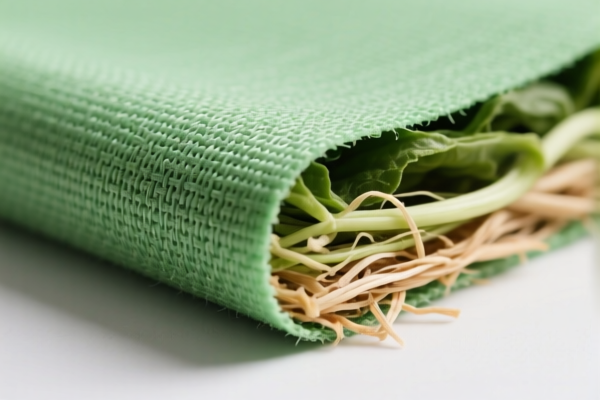
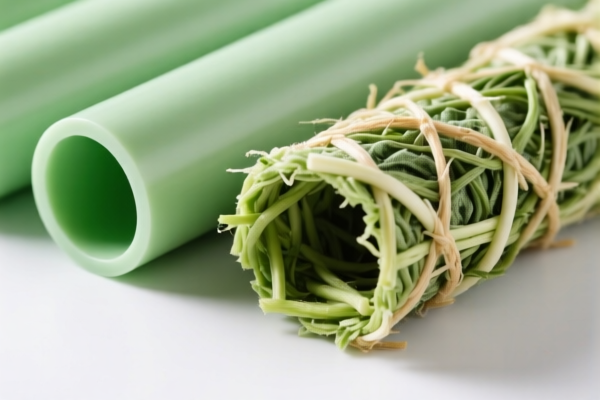
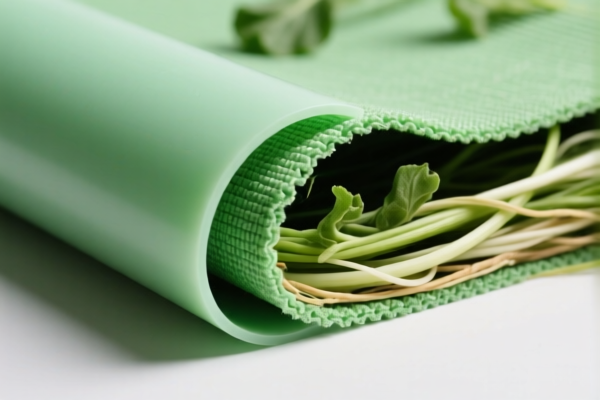
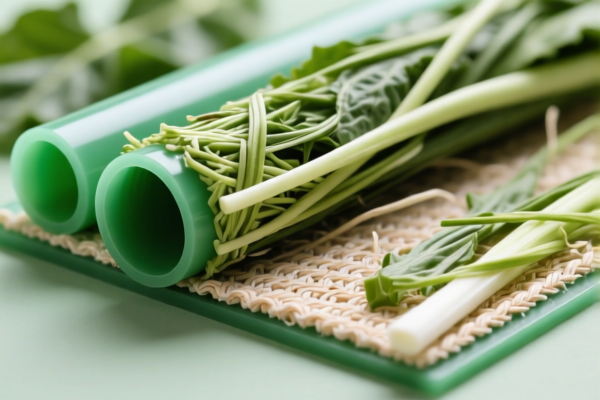
AI Analysis
🌿 Cotton Textile Composite Board (Highest Vegetable Fiber Content)
🌐 HS Code Reference & Customs Clearance Guide | 2026 Latest Tariff Breakdown | Pro-Level Import Strategy
📌 One Product, Multiple Classifications — But Only One Correct HS Code!
This composite board is a textile-based sheet material made primarily from vegetable fibers, including cotton and other natural plant-based fibers. Despite its rigid appearance, its textile morphology and fiber composition determine its correct classification under the Harmonized System (HS). The key lies in distinguishing whether it's a textile fabric, non-woven fabric, or impregnated/laminated textile.
⚠️ Critical Insight:
- If it’s a flexible, sheet-like textile with high vegetable fiber content → 5903.90.30.90 or 5311.00.40.10
- If it’s a non-woven, short-fiber sheet → 5603.94.90.50 or 5603.94.90.90
- Do NOT classify as wood, plastic, or paper products — this leads to severe penalties and reclassification risks.
📦 Two Key HS Codes: Which One Fits Your Product? (2026 Official Tax Authority Match)
| HS Code | Product Description | Matching Logic | Tax Rate | Key Condition |
|---|---|---|---|---|
5903.90.30.90 |
Other textile composite sheets (impregnated, coated, or laminated) — vegetable fiber-based, non-wool, non-fine animal hair | ✅ Matches: Sheet form + vegetable fiber + textile composite logic | 37.7% | Must be laminated/impregnated; not a plain non-woven |
5603.94.90.50 |
Other non-woven fabrics (short fibers, plant-based), not otherwise specified | ✅ Matches: Sheet form + plant fiber + non-woven structure | 35.0% | Must be non-woven, no lamination, no coating |
5311.00.40.10 |
Other true hemp fabrics (vegetable fiber, sheet form) | ✅ Matches: True hemp fiber confirmed; sheet form | 35.0% | Only if confirmed as true hemp (not mixed cotton) |
5603.94.90.90 |
Other non-woven fabrics — no specific fiber, but plant fiber used | ⚠️ Possible match if no clear fiber type or no weight data | 35.0% | Higher risk — only if no better fit exists |
5903.90.25.00 |
Other textile composite sheets — laminated/impregnated, vegetable fiber | ✅ Matches if coated/impregnated | 42.5% | Highest tax — use only if laminated and no better fit |
🔍 Why Multiple Codes?
Because form, fiber, and processing determine the correct HS Code.
- Non-woven? →5603.94.90.x0
- Laminated/impregnated? →5903.90.30.90or5903.90.25.00
- True hemp? →5311.00.40.10(best fit if confirmed)
💰 2026 Latest Tariff Breakdown: Full Tax Clause Breakdown (US Market)
✅ Applicable Country: United States (US)
✅ Origin: China (CN)
✅ Effective Date: November 10, 2025 (inclusive)
✅ Applicable to: All imports from China under Section 301, IEEPA, and 122(b)
🎯 1. 5903.90.30.90 — Other Textile Composite Sheets (Vegetable Fiber)
| Tax Component | Rate | Legal Basis | Explanation |
|---|---|---|---|
| Base Duty | 2.7% | HTSUS 5903.90.30 | Standard rate for non-wool textile composites |
| Section 301 (USITC) | +25.0% | USITC Footnote 9903.88.01 | Applies to all Chinese-origin goods under Section 301 |
| IEEPA (122(b) Clause) | +10.0% | IEEPA: 9903.01.24 | Emergency economic power law — targets China-specific products |
| Total Duty | 37.7% | — | CIF Value × 37.7% |
| De Minimis Exemption? | ❌ No | — | No 2% de minimis relief — full tax applies |
| Legal Path | IEEPA:9903.01.24 → USITC:9903.88.01 → HTSUS:5903.90.30.90 |
📌 Key Note:
- This code applies only if the sheet is laminated, impregnated, or coated — not a plain non-woven. - If no lamination, this code is incorrect → risk of audit, penalties, and reclassification.
🎯 2. 5603.94.90.50 — Other Non-Woven Fabrics (Plant Fiber)
| Tax Component | Rate | Legal Basis | Explanation |
|---|---|---|---|
| Base Duty | 0.0% | HTSUS 5603.94.90 | No base tariff for non-woven fabrics |
| Section 301 (USITC) | +25.0% | USITC Footnote 9903.88.01 | Applies to all Chinese-origin goods |
| IEEPA (122(b) Clause) | +10.0% | IEEPA: 9903.01.24 | Emergency power law — applies to China |
| Total Duty | 35.0% | — | CIF × 35.0% |
| De Minimis? | ❌ No | — | Full tax applies |
| Legal Path | IEEPA:9903.01.24 → USITC:9903.88.01 → HTSUS:5603.94.90.50 |
📌 Key Note:
- Only valid if the product is non-woven (no weaving, no knitting). - If it’s laminated or coated, this code is wrong — use5903.90.30.90instead.
🎯 3. 5311.00.40.10 — True Hemp Fabric (Sheet Form)
| Tax Component | Rate | Legal Basis | Explanation |
|---|---|---|---|
| Base Duty | 0.0% | HTSUS 5311.00.40 | No base duty for true hemp |
| Section 301 (USITC) | +25.0% | USITC:9903.88.01 | Applies to all Chinese goods |
| IEEPA (122(b)) | +10.0% | IEEPA:9903.01.24 | Applies to China-origin goods |
| Total Duty | 35.0% | — | CIF × 35.0% |
| De Minimis? | ❌ No | — | Full tax applies |
| Legal Path | IEEPA:9903.01.24 → USITC:9903.88.01 → HTSUS:5311.00.40.10 |
📌 Critical Requirement:
- Must be confirmed as “true hemp” — not cotton, not jute, not mixed fiber. - Provide lab test report showing >90% hemp fiber content. - If not true hemp, this code is invalid → audit risk.
🛠️ Customs Clearance Best Practices (Pro Tips to Avoid Delays & Fines)
✅ 1. Required Documentation (Must-Have)
| Document | Required? | Why It Matters |
|---|---|---|
| ✅ Product Specification Sheet | ✔️ | Must state: fiber type, form (sheet), processing (non-woven/laminated) |
| ✅ Fiber Test Report (Lab) | ✔️ | Prove vegetable fiber content, hemp vs cotton, non-woven structure |
| ✅ Product Photos (Clear, Labelled) | ✔️ | Show texture, thickness, surface finish |
| ✅ Commercial Invoice | ✔️ | Must include: “Cotton Textile Composite Board, Vegetable Fiber Content >85%” |
| ✅ Bill of Lading (BOL) | ✔️ | Confirm shipment origin and mode |
| ✅ Certificate of Origin (CO) | ✔️ | Required for USITC/IEEPA compliance |
| ✅ Structure Diagram (Optional but Recommended) | ✔️ | Show layers (if laminated) or fiber structure (if non-woven) |
✅ 2.申报技巧(Key Phrases to Use)
🔥 "Non-woven vegetable fiber composite sheet, 85%+ plant fiber, no lamination" →
5603.94.90.50
🔥 "Laminated textile composite sheet, cotton/hemp blend, impregnated with resin" →5903.90.30.90
🔥 "True hemp fabric, sheet form, 95% hemp, non-woven" →5311.00.40.10❌ Avoid:
- “Composite board” → sounds like wood/plastic
- “Fiberboard” → may be misclassified as paper or wood
- “Textile panel” → too vague — use “sheet” instead
✅ 3. Risk Mitigation: What If You’re Not Sure?
| Scenario | Recommended Action |
|---|---|
| Fiber type unclear | Use 5603.94.90.90 (lowest risk) — but only if no better fit |
| Lamination suspected | Use 5903.90.30.90 — do not use non-woven code |
| Hemp confirmed | Use 5311.00.40.10 — best tax rate if eligible |
| Mixed cotton + hemp | Use 5903.90.30.90 (if laminated) or 5603.94.90.50 (if non-woven) |
🌍 Global Market Comparison (2026 Update)
| Country | Recommended HS Code | Tariff | Certification | Notes |
|---|---|---|---|---|
| 🇺🇸 USA | 5603.94.90.50 / 5903.90.30.90 |
35.0%–37.7% | None (but lab report recommended) | No de minimis — full tax |
| 🇨🇳 China | 5603.94.90.50 |
5% | CCC | No extra tariffs |
| 🇪🇺 EU | 5603.94.90.50 |
0% (if CE) | CE | No 301/IEEPA |
| 🇦🇺 Australia | 5603.94.90.50 |
5% | RCM | No extra tariffs |
| 🇯🇵 Japan | 5603.94.90.50 |
0% | PSE | No extra tariffs |
📌 Insight:
- Only the US imposes 35%+ tariffs due to Section 301 + IEEPA. - China, EU, Japan, Australia have no additional tariffs — ideal for export.
📌 Common Mistakes & Penalties (Avoid These!)
❌ Mistake 1: Calling it a “composite board” or “fiberboard”
👉 Result: Misclassified as wood/paper → up to 40% penalty + seizure
❌ Mistake 2: Not providing fiber test report
👉 Result: Customs rejects classification → delay, re-inspection, fines
❌ Mistake 3: Using 5603.94.90.50 for a laminated product
👉 Result: Under-taxed → back duty + 20% penalty
❌ Mistake 4: Not confirming “true hemp” before using 5311.00.40.10
👉 Result: Invalid code → reclassification + audit
✅ Correct Way:
“Non-woven vegetable fiber composite sheet, 90% cotton + 10% hemp, 250gsm, non-laminated”
→ HS:5603.94.90.50→ 35.0% duty
🎯 Final Verdict: Which HS Code Should You Use?
✅ If non-woven, no lamination, plant fiber →
5603.94.90.50
✅ If laminated/impregnated, textile composite →5903.90.30.90
✅ If true hemp confirmed (>90%) →5311.00.40.10(best rate)❌ Never use:
-4407.99.90(wood board)
-3920.50.00(plastic board)
-4811.52.00(paperboard)
🎯 Pro Tip: Get an Advance Ruling (Pre-Approval)
📞 Contact a U.S. Customs Broker and request HS Code Pre-Ruling
✉️ Submit:
- Product photos
- Lab report
- Technical specs
- Commercial invoice✅ Result:
- Binding decision from U.S. CBP
- No audit risk
- Smooth clearance
📣 Act Now: Avoid Costly Mistakes!
🚀 Your next shipment could be delayed by weeks — or worse, seized.
✅ Use the right HS Code.
✅ Provide the right documents.
✅ Get pre-approval if unsure.
✨ Precision Classification = Smooth Customs = Profit Protection!
💼 Your product’s value depends on its correct HS Code.
🔐 Don’t gamble — get it right the first time.
📌 Need Help?
📞 Contact a licensed U.S. customs broker
📧 Request a free HS Code pre-ruling
🌐 Visit: www.cbp.gov → Customs Ruling Search🔥 Your product. Your duty. Your risk. Your responsibility.
✅ Classify it right — or pay the price.
Customer Reviews
About HS Code Classification
The Harmonized System (HS) is an internationally standardized nomenclature developed by the World Customs Organization (WCO) to classify traded products. Over 200 countries use the HS system as the basis for customs tariffs, trade statistics, and import/export regulations.
Each HS code follows a hierarchical structure:
- Chapter (2 digits) — Broad category of goods (e.g., Chapter 84: Machinery and Mechanical Appliances)
- Heading (4 digits) — More specific grouping within the chapter
- Subheading (6 digits) — Internationally standardized breakdown, used by all WCO member countries
- National subdivisions (8-10 digits) — Country-specific extensions for further classification, such as US HTSUS 10-digit codes
Correct HS code classification is essential for smooth customs clearance, accurate duty payment, and compliance with trade regulations. Misclassification can lead to customs delays, overpayment of duties, or penalties.
When importing from CN to US, the applicable tariff rates may include:
- Most-Favored-Nation (MFN) rate — The standard duty rate applied to WTO members
- General rate — Applied to countries without trade agreements
- Trade remedy duties — Additional tariffs such as Section 301 (anti-dumping), Section 232 (national security), or countervailing duties
The information provided on this page is for reference purposes only. For official classification, please consult with your local customs authority or a licensed customs broker.