Cotton Woven Handbag (Minimalist Style)
CN → US| HS编码 | 关税税率 | 原产国 | 目的国 | 文档 |
|---|---|---|---|---|
| 4202224020 | 42.4% | CN | US | 官方文档 |
| 4202228930 | 52.6% | CN | US | 官方文档 |
| 6307909882 | 24.5% | CN | US | 官方文档 |
| 6307909891 | 24.5% | CN | US | 官方文档 |
| 4202224500 | 41.3% | CN | US | 官方文档 |
商品图片
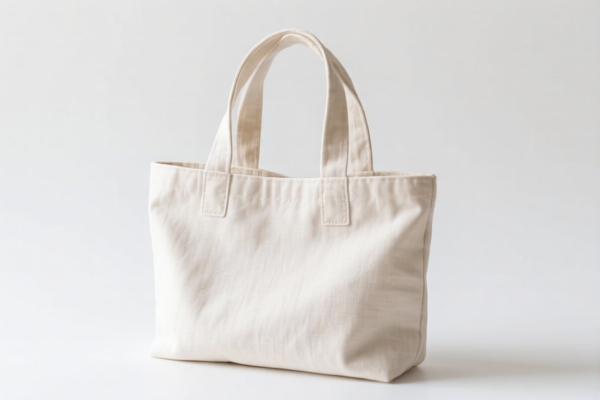
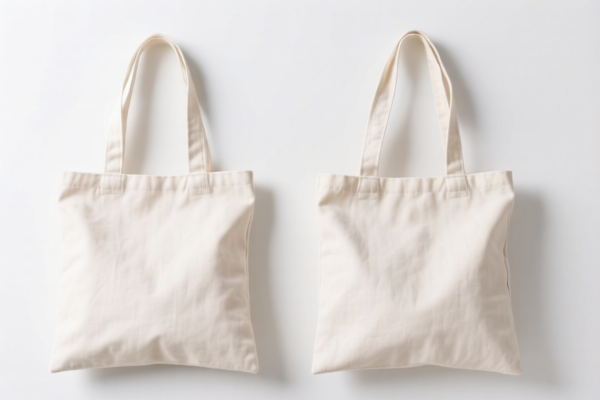
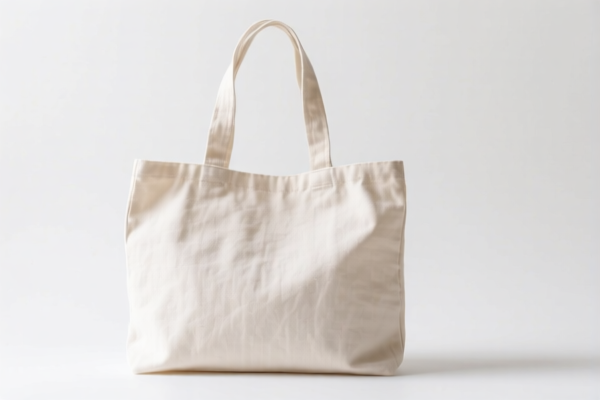
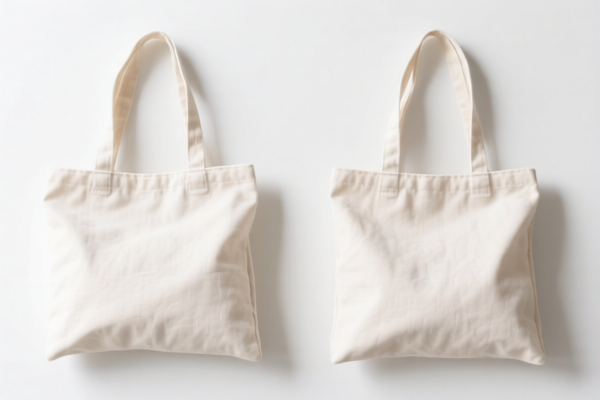
AI分析
🖐️ Cotton Woven Handbag (Minimalist Style)
🌐 HS Code Reference & Customs Clearance Guide | 2026 Latest Tariff Analysis | Professional Clearance Strategy
📌 I. Product Definition & Classification: Do You Truly Understand "Cotton Woven Handbag"?
A Cotton Woven Handbag is a fashion accessory made primarily from cotton fibers, characterized by a woven structural integrity. In international trade, classification depends heavily on: 1. Material Composition: Is the outer surface exclusively or predominantly cotton? 2. Structure/Form: Is it a "woven" fabric bag or a general "bag of textiles"? 3. End-Use: Is it a "handbag" (Chapter 42) or a "finished article" (Chapter 63)?
⚠️ Key Classification Distinction: - Woven Structure + Cotton Surface: Falls under Chapter 42 (Articles of leather; travel goods, handbags...). Specifically, bags of textile materials. - Generic Finished Cotton Item: If the weaving is incidental or it’s considered a general "made-up article" rather than a specialized handbag, it may fall under Chapter 63 (Other made up textile articles).
📦 II. HS Code Classification Details (2026 Latest Tariff Authoritative Comparison)
| HS Code | Product Description | Applicable Scenario | Tax Rate (Total) |
|---|---|---|---|
4202.22.40.20 |
Cotton Woven Handbag: Meets requirements for cotton material and woven form. | Handbags with distinct woven cotton outer layer. | 42.4% |
4202.22.89.30 |
Cotton Handbag: Outer surface is textile material and cotton. | General cotton handbags not specified in narrower subheadings. | 52.6% |
6307.90.98.82 |
Cotton Handbag: Form is "finished article," material is cotton. | Classified as other made-up textile articles (non-handbag specific). | 24.5% |
6307.90.98.91 |
Cotton Finished Bag: Belongs to "other finished articles" category, no material conflict. | Generic cotton bags treated as general textile goods. | 24.5% |
4202.22.45.00 |
Cotton Handbag: Fully complies with cotton material and handbag form requirements. | Standard cotton handbags meeting specific textile criteria in Ch 42. | 41.3% |
🔍 Critical Note: - Chapter 42 (4202) generally carries higher tariffs due to additional duties (25% Section 301 + 10% IEEPA). - Chapter 63 (6307) carries lower tariffs but only if the item is deemed a "general textile article" rather than a specific "handbag." - Misclassification from Ch 42 to Ch 63 can save ~18% in taxes, but requires strong justification that it is not a primary "handbag" function.
💰 III. 2026 Latest Tariff Rate Breakdown (Including Additional Taxes)
✅ Applicable Country: United States (US)
✅ Origin: China (CN)
✅ Effective Date: November 10, 2025 (for subsequent imports)
🎯 1. 4202.22.40.20 – Cotton Woven Handbag (Woven Form)
| Item | Content |
|---|---|
| Base Duty Rate | 7.4% (ad valorem) |
| Section 301 Additional Duty | +25.0% (USITC Footnote 9903.88.01) |
| IEEPA Additional Duty | +10.0% (Against China/HK products, effective Nov 10, 2025) |
| Total Effective Rate | 42.4% |
| Tax Calculation | CIF Value × 42.4% |
| De Minimis Exemption | ❌ Not Eligible (deny_de_minimis) |
| Legal Authority Path | IEEPA:9903.01.25 → IEEPA:9903.01.24 → USITC:4202.22.40.20 → FOOTNOTE:9903.88.01 |
📌 Explanation: - The 25% Section 301 duty applies to most textile handbags from China. - The 10% IEEPA duty is a new layer added in 2025. - Total 42.4% is significant. This classification assumes the bag is a true "handbag" under Chapter 42.
🎯 2. 4202.22.89.30 – Cotton Handbag (Textile Outer Surface)
| Item | Content |
|---|---|
| Base Duty Rate | 17.6% |
| Section 301 Additional Duty | +25.0% |
| IEEPA Additional Duty | +10.0% |
| Total Effective Rate | 52.6% |
| Tax Calculation | CIF Value × 52.6% |
| De Minimis Exemption | ❌ Not Eligible |
| Legal Authority Path | IEEPA:9903.01.25 → IEEPA:9903.01.24 → USITC:4202.22.89.30 → FOOTNOTE:9903.88.01 |
📌 Warning: - This is the highest tax bracket for cotton handbags. - Applies when the bag doesn't fit narrower "woven" or specific cotton subheadings but is still clearly a handbag.
🎯 3. 6307.90.98.82 & 6307.90.98.91 – Cotton Finished Article (Non-Handbag Specific)
| Item | Content |
|---|---|
| Base Duty Rate | 7.0% |
| Section 301 Additional Duty | +7.5% |
| IEEPA Additional Duty | +10.0% |
| Total Effective Rate | 24.5% |
| Tax Calculation | CIF Value × 24.5% |
| De Minimis Exemption | ❌ Not Eligible |
| Legal Authority Path | IEEPA:9903.01.25 → IEEPA:9903.01.24 → USITC:6307.90.98.82/91 |
📌 Strategic Insight: - These codes have a much lower Section 301 rate (7.5%) compared to Chapter 42 (25%). - Risk: Customs may challenge this classification if the item is clearly a handbag. You must prove it is a "general textile article" (e.g., a storage bag, not a fashion handbag).
🛠️ IV. Customs Clearance Practical Advice (Real-World Pitfall Guide)
✅ 1. Documentation Checklist (All are Mandatory)
| Document | Required? | Notes |
|---|---|---|
| ✅ Product Specifications | ✔️ | Must detail: "Cotton," "Woven," dimensions, lining material. |
| ✅ Material Composition Certificate | ✔️ | Prove ≥50% cotton in outer surface. |
| ✅ Product Photos (Labeled) | ✔️ | Clear view of weave structure, handles, and closure. |
| ✅ Commercial Invoice | ✔️ | Description must match HS code logic (e.g., "Woven Cotton Bag"). |
| ✅ Packing List | ✔️ | Weight and dimensions. |
| ✅ Origin Certificate | ✔️ | If not China origin, may reduce IEEPA duty. |
✅ 2. Declaration Strategy (Key Mnemonics)
🔥 "Weave Matters, Chapter 42 is Heavy, Chapter 63 is Light but Risky!"
| Scenario | Correct Declaration | Wrong Practice |
|---|---|---|
| Fashion Handbag with Woven Cotton | 4202.22.40.20 (42.4%) |
Misdeclare as 6307 → 24.5% (High Risk of Audit) |
| Simple Cotton Storage Pouch | 6307.90.98.82 (24.5%) |
Declare as Handbag → 42.4% (Overpay) |
| Cotton Bag with Leather Trim | Check if "Textile Surface" > "Leather Surface" | Misclassify as Leather Goods → Different Duty |
| OEM Custom Cotton Bag | Provide Design Specs | Vague Description "Bag" → Delayed Clearance |
✅ 3. Special Cases Handling
| Case | Handling Advice |
|---|---|
| Mixed Material (Cotton + Poly) | If cotton < 50%, may fall out of "Cotton" specific codes. Check general textile rates. |
| Woven vs. Knitted | "Woven" is critical for 4202.22.40.20. Knitted may fall under different subheadings. |
| Minimalist Style | Does not change HS code, but helps define "Handbag" vs. "Accessory." |
🌍 V. Global Market Clearance Comparison (2026 Latest)
| Country/Region | Recommended HS Code | Duty Rate | Certification Requirements | Notes |
|---|---|---|---|---|
| 🇺🇸 USA | 4202.22.40.20 |
42.4% | No specific tech cert | Highest duty due to 301 + IEEPA |
| 🇨🇳 China | 4202.22.40.20 |
~5-10% | No specific cert | Low import duty to China |
| 🇪🇺 EU | 4202.22.40.20 |
4-6% | REACH (Chemicals) | No Section 301 equivalent |
| 🇬🇧 UK | 4202.22.40.20 |
4-6% | UKCA (if applicable) | Post-Brexit rules apply |
| 🇨🇦 Canada | 4202.22.40.20 |
0-5% | N/A | No major additional tariffs |
📌 Conclusion: - USA is the most expensive market for cotton handbags due to political tariffs. - Duty Saving Opportunity: If the bag can be legally classified as a "textile accessory" (Ch 63) rather than a "handbag" (Ch 42), you save ~18%. However, this requires robust documentation.
📌 VI. Common Errors & Pitfall Guide (Lessons Learned)
❌ Error 1: Declaring a woven handbag under 6307.90.98.82 without proof it’s not a handbag.
👉 Consequence: Customs reclassifies → Back pay 42.4% - 24.5% = 17.9% difference + penalties.
❌ Error 2: Ignoring the 10% IEEPA duty in 2025.
👉 Consequence: Underpayment by 10% on every shipment → Seizure risk.
❌ Error 3: Confusing Woven vs. Knitted.
👉 Consequence: Wrong HS subheading → Potential misclassification fines.
❌ Error 4: Using vague terms like "Fabric Bag."
👉 Consequence: CBP assigns default higher duty or requests detailed breakdown → Delays.
✅ Correct Practice:
“Woven Cotton Handbag, Outer Material: 100% Cotton, Style: Minimalist Tote, No Leather Components”
🎯 VII. Conclusion: Precise Classification, Cost Optimization!
🎯 Remember the Mnemonic:
🔹 “Ch 42 is Fashion, Ch 63 is Generic. 42 pays 42%, 63 pays 24%. Don’t lie, just justify!”
🔹 “Cotton Woven means 4202.22.40.20 unless you prove it’s just a ‘textile bag’.”
📌 Pro Tip:
If your cotton handbag is originated in Vietnam, Mexico, or Cambodia, you may avoid the IEEPA 10% and potentially the Section 301 25% duties, reducing the total rate to base duty only (~7.4%).
👉 Recommendation: Apply for Pre-Ruling (CBP Advance Ruling) to lock in the HS code and avoid post-clearance audits.
📣 Immediate Action:
📞 Contact a licensed customs broker
📸 Provide high-res photos of the weave
🚀 Ensure smooth clearance, maximize profit, minimize duty!
✨ Professional Clearance Starts with Accurate Classification!
💼 Every cent in duty is a cent of profit lost if misclassified!
用户评价
关于 HS 编码归类
协调制度(HS)是由世界海关组织(WCO)制定的国际贸易商品分类标准。全球 200 多个国家采用 HS 系统作为海关关税、贸易统计和进出口监管的基础。
每个 HS 编码遵循以下层级结构:
- 章(2 位)——商品大类(例如:第 84 章:机器和机械设备)
- 品目(4 位)——章内的更具体分类
- 子目(6 位)——国际通用细分,所有 WCO 成员国统一使用
- 本国细分(8-10 位)——各国自行扩展的细分编码,如美国 HTSUS 10 位编码
正确的 HS 编码归类对于顺利通关、准确缴纳关税和遵守贸易法规至关重要。错误归类可能导致海关延误、多缴关税或罚款。
从CN进口到US时,适用的关税税率可能包括:
- 最惠国(MFN)税率——适用于 WTO 成员国的标准关税税率
- 普通税率——适用于无贸易协定国家
- 贸易救济关税——附加关税,如 301 条款(反倾销)、232 条款(国家安全)或反补贴税
本页内容仅供参考。如需正式归类,请咨询当地海关或持牌报关代理。