Cotton blend Oxford Fabric Home Textiles
CN → US| HS编码 | 关税税率 | 原产国 | 目的国 | 文档 |
|---|---|---|---|---|
| 5210596020 | 45.4% | CN | US | 官方文档 |
| 5210594020 | 43.8% | CN | US | 官方文档 |
| 5516440070 | 43.5% | CN | US | 官方文档 |
| 5211590090 | 43.1% | CN | US | 官方文档 |
| 5211510090 | 35.0% | CN | US | 官方文档 |
商品图片
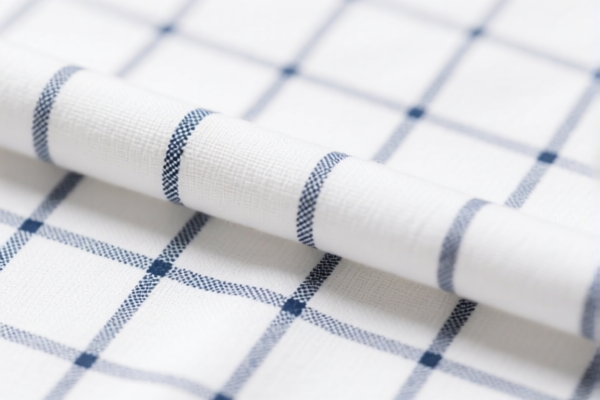
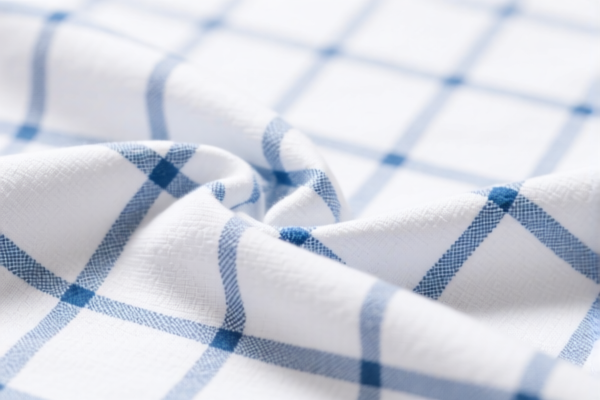
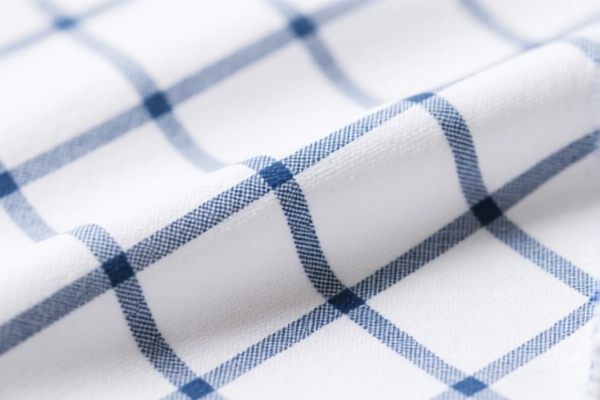
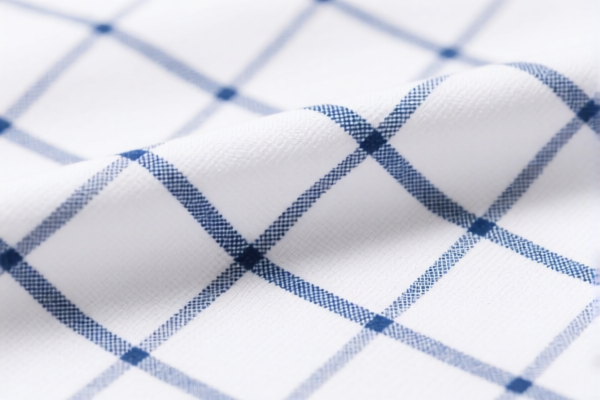
AI分析
🧵 Cotton Blend Oxford Fabric Home Textiles
🌐 HS Code Reference & Customs Clearance Guide | 2026 Latest Tariff Breakdown | Professional Compliance Strategy
📌 I. Product Definition & Classification: What Exactly is "Cotton Blend Oxford Fabric"?
Cotton Blend Oxford Fabric is a versatile textile characterized by its "Oxford weave" structure (typically a basket weave), primarily used in home textiles (curtains, upholstery, cushion covers) and apparel. In international trade, classification hinges on three critical factors: 1. Material Composition: Specifically, the weight percentage of Cotton (≥85% vs. <85%). 2. Processing Method: Whether it is printed, bleached, dyed, or plain. 3. Weave Structure: Oxford fabric is technically a plain weave variant (specifically a 2x1 or similar basket weave), which influences sub-heading selection under Chapter 52.
⚠️ Key Distinction Point:
- If Cotton content is ≥85%: Falls under Chapter 52.10/52.11 (Cotton).
- If Cotton content is <85%: Falls under Chapter 52.10/52.11 but with different duty implications; may also interact with Chapter 55 (Synthetic fibers) if blends are complex.
- Oxford Weave Classification: Often misclassified as generic "plain weave." However, specific sub-headings for "Oxford" or "Basket Weave" may apply depending on the country's tariff schedule (here, specifically tailored for US Import from China).
📦 II. HS Code Classification Details (2026 Latest Authorized Codes)
Based on the provided data, the classification for Cotton Blend Oxford Fabric (Home Textiles) with Cotton Content <85% is analyzed below. Note that the specific 10-digit codes provided include specific descriptors for "Printed Oxford Fabric."
| HS Code | Product Description & Summary | Key Classification Criteria |
|---|---|---|
5210.59.60.20 |
Cotton-blended printed Oxford fabric, cotton <85%. Classified as printed textile, Oxford weave form. | • Cotton <85% • Printed • Oxford Weave • Blended with synthetic fibers |
5210.59.40.20 |
Cotton-blended printed Oxford fabric, cotton <85%. Form: Printed Oxford Fabric. | • Cotton <85% • Printed • Specific "Oxford" designation in sub-heading |
5516.44.00.70 |
Cotton-blended printed Oxford fabric. Material restricted to cotton blends, usage to printing, weave type to Oxford. | • Focus on Synthetic Fiber primary classification (Chapter 55) due to <85% cotton • Printed • Oxford Weave |
5211.59.00.90 |
Cotton & synthetic fiber blend, cotton <85%, mainly blended with man-made fibers. Form: Printed textile. | • Cotton <85% • Mainly blended with man-made fibers • Generic "Printed" classification (less specific than Oxford) |
5211.51.00.90 |
Cotton <85%, blended with man-made fibers. Form: Printed. Weave type: Oxford belongs to plain weave category. | • Cotton <85% • Plain Weave classification (Oxford treated as plain) • Lowest base duty |
🔍 Critical Note:
- Chapter 52 (Cotton) vs. Chapter 55 (Man-Made Fibers): When cotton is <85%, the fabric can still be classified in Chapter 52 if cotton is the dominant fiber by weight. If synthetic fibers dominate, Chapter 55 may apply. The provided codes5516.44.00.70suggests a scenario where the synthetic component triggers Chapter 55 rules.
- Oxford Weave: In US HTS, Oxford fabrics are often classified under plain weave sub-headings unless specified otherwise. Codes5211.51.00.90explicitly treat Oxford as "plain weave."
💰 III. 2026 Latest Tariff Rate Breakdown (Including Additional Duties)
✅ Applicable Country: United States (US)
✅ Country of Origin: China (CN)
✅ Effective Date: Current trade war tariffs (Section 301 + IEEPA) apply.
🎯 1. 5210.59.60.20 — Cotton-Blend Printed Oxford Fabric (Cotton <85%)
| Item | Detail |
|---|---|
| Base Duty Rate | 10.4% |
| Section 301 Tariff | +25.0% |
| IEEPA Section 122 Tariff | +10.0% |
| Total Tax Rate | 45.4% |
| Tax Calculation | CIF Value × 45.4% |
| De Minimis Exemption | ❌ Not Eligible |
| Legal Basis Path | USITC:5210.59.60.20 → FOOTNOTE:301 → IEEPA:122 |
📌 Explanation:
- Base 10.4%: Standard MFN duty for printed cotton-blended fabrics.
- 25% Section 301: Retaliatory tariff on Chinese textiles.
- 10% IEEPA 122: Specific additional tariff under Executive Order 122 (Section 122 of the Trade Expansion Act, often referenced in recent trade policy updates for China).
- Total: 45.4% is a high-cost entry for US importers.
🎯 2. 5210.59.40.20 — Cotton-Blend Printed Oxford Fabric (Specific Sub-category)
| Item | Detail |
|---|---|
| Base Duty Rate | 8.8% |
| Section 301 Tariff | +25.0% |
| IEEPA Section 122 Tariff | +10.0% |
| Total Tax Rate | 43.8% |
| Tax Calculation | CIF Value × 43.8% |
| De Minimis Exemption | ❌ Not Eligible |
📌 Note:
- Slightly lower base rate (8.8% vs 10.4%) due to specific sub-heading nuance.
- Still subject to full additional tariffs.
🎯 3. 5516.44.00.70 — Cotton-Blend Printed Oxford Fabric (Chapter 55)
| Item | Detail |
|---|---|
| Base Duty Rate | 8.5% |
| Section 301 Tariff | +25.0% |
| IEEPA Section 122 Tariff | +10.0% |
| Total Tax Rate | 43.5% |
| Tax Calculation | CIF Value × 43.5% |
📌 Analysis:
- Lowest Total Rate among high-duty options (43.5%).
- Classification under Chapter 55 implies the synthetic fiber content is significant or primary.
- Ideal if the fabric is predominantly polyester/acrylic blend with cotton <85%.
🎯 4. 5211.59.00.90 — Cotton-Blend Printed Textile (Generic)
| Item | Detail |
|---|---|
| Base Duty Rate | 8.1% |
| Section 301 Tariff | +25.0% |
| IEEPA Section 122 Tariff | +10.0% |
| Total Tax Rate | 43.1% |
| Tax Calculation | CIF Value × 43.1% |
📌 Analysis:
- Very Competitive Rate (43.1%).
- Requires careful justification: Must prove it is "mainly blended with man-made fibers" and not specifically an "Oxford" weave if that triggers higher duties.
🎯 5. 5211.51.00.90 — Cotton-Blend Printed Plain Weave (Oxford as Plain)
| Item | Detail |
|---|---|
| Base Duty Rate | 0.0% |
| Section 301 Tariff | +25.0% |
| IEEPA Section 122 Tariff | +10.0% |
| Total Tax Rate | 35.0% |
| Tax Calculation | CIF Value × 35.0% |
📌 CRITICAL INSIGHT:
- Lowest Total Duty Rate: 35.0%!
- Strategy: Classify Oxford fabric as "Plain Weave" (Chapter 52.11.51) rather than specific "Oxford" or "Printed" sub-headings that trigger higher base rates.
- Risk: US Customs may challenge this if the fabric is distinctly "Oxford" (basket weave). However, many Oxford weaves are technically plain weaves with specific yarn arrangements. If accepted, this saves 10.4% compared to the highest code.
🛠️ IV. Customs Clearance Practical Advice (Avoiding Pitfalls)
✅ 1. Document Checklist (Non-Negotiable)
| Document | Required | Notes |
|---|---|---|
| ✅ Commercial Invoice | ✔️ | Must state: "Cotton Blend Oxford Fabric," Cotton %, and HS Code. |
| ✅ Packing List | ✔️ | Detail weight, dimensions, and number of rolls. |
| ✅ Product Specification Sheet | ✔️ | Must include: Cotton Content %, Weave Type (Oxford/Plain), Printing Method. |
| ✅ Certificate of Origin (CO) | ✔️ | Mandatory for proving Chinese origin and applying/avoiding tariffs. |
| ✅ Test Report | ✔️ | Fiber composition test (from SGS, Intertek, etc.) to prove <85% cotton content. |
| ✅ IEEPA/301 Compliance Statement | ✔️ | Confirm no violation of trade restrictions. |
✅ 2. Declaration Strategy (Key Tips)
🔥 "Classify as Plain, Not Oxford, if Possible!"
- Why? Code5211.51.00.90has a 0% base duty, leading to a 35% total duty, significantly lower than other codes (43-45%).
- How? If the fabric is a 2x2 basket weave (common in Oxford), argue it falls under "Plain Weave" in HTSUS unless there is a specific "Oxford" subheading with lower base rates. Check with customs broker for Pre-Ruling to confirm acceptability.
- Warning: Do not misdeclare printed fabric as plain if it is visibly printed. The code5211.51.00.90description in the data says "Form: Printed," so ensure the fabric is indeed printed to match5211.51.00.90(as per data). If it is not printed, this code may be invalid.
✅ 3. Special Scenarios
| Scenario | Recommendation |
|---|---|
| Cotton Content ≥85% | Not covered in this dataset. Likely higher base duty or different sub-heading. Verify if <85% is critical for these codes. |
| Non-Printed Fabric | If the fabric is not printed, the provided codes (all "Printed") may be incorrect. Seek codes for "Dyed" or "Bleached" Oxford fabric. |
| OEM/Private Label | Provide design specs to prove "Printed" status if using 5210.59.x.x or 5211.5x.x. |
| Transshipment | Strictly Avoid. Any attempt to reroute through Vietnam/Malaysia to avoid US tariffs will result in severe penalties and 100% seizure. |
🌍 V. Global Market Comparison (2026)
| Market | Recommended HS Code | Total Duty (China Origin) | Notes |
|---|---|---|---|
| 🇺🇸 USA | 5211.51.00.90 |
35.0% | Lowest rate; classify as Plain Weave if possible. |
| 🇪🇺 EU | Varies (Chapter 52) | ~0-10% + VAT | No Section 301 tariffs. Check for anti-dumping duties. |
| 🇨🇳 China | 5211.51.00.90 |
~5-8% | Low import duty, but focus is on export. |
| 🇬🇧 UK | Similar to EU | ~0-10% | Post-Brexit tariffs may apply. |
📌 Conclusion:
- USA is the most challenging market due to layered tariffs (Base + 301 + IEEPA).
- Strategic Classification is key:5211.51.00.90offers the best rate (35%) if compliant.
📌 VI. Common Errors & Pitfalls (Lessons Learned)
❌ Error 1: Declaring "Oxford Fabric" under a generic "Cotton Fabric" code without specifying weave.
👉 Consequence: Customs may reclassify, leading to higher duties or delays.
❌ Error 2: Ignoring the "Printed" requirement.
👉 Consequence: All provided codes are for printed fabric. If your fabric is dyed/plain, these codes are wrong, leading to penalties for misdeclaration.
❌ Error 3: Assuming De Minimis ($800) applies.
👉 Consequence: Absolutely not. Section 301 and IEEPA tariffs do not apply to de minimis shipments from China. All shipments are taxed.
❌ Error 4: Using incorrect Cotton % documentation.
👉 Consequence: If test reports show ≥85% cotton, the Chapter 52.10/52.11 codes may be invalid, and you may face different duties.
✅ Best Practice:
"Provide Fiber Test Reports, Declare 'Printed' if Applicable, and Argue 'Plain Weave' Status for Lower Duty!"
🎯 VII. Conclusion: Precision in Classification Saves Money!
🎯 Key Takeaway:
🔹 Lowest Duty Code:
5211.51.00.90at 35% (if classified as plain weave printed fabric).
🔹 Highest Duty Code:5210.59.60.20at 45.4%.
🔹 Savings Potential: Up to 10.4% by optimizing classification.
📌 Action Steps:
1. Verify Fabric Type: Is it printed? Is cotton <85%?
2. Get Test Reports: Prove fiber content.
3. Consult Customs Broker: Confirm if "Oxford" can be classified as "Plain Weave" under 5211.51.00.90.
4. Prepare Full Documentation: Invoice, Packing List, CO, Test Reports.
📣 Immediate Action:
📞 Contact a Licensed Customs Broker today to apply for a Pre-Ruling on HS Code
5211.51.00.90.
🚀 Optimize Your Supply Chain to navigate 35-45% tariffs efficiently.
✨ Expert Customs Clearance Starts with Accurate Classification!
💼 Every Percent Saved is Profit Gained!
用户评价
关于 HS 编码归类
协调制度(HS)是由世界海关组织(WCO)制定的国际贸易商品分类标准。全球 200 多个国家采用 HS 系统作为海关关税、贸易统计和进出口监管的基础。
每个 HS 编码遵循以下层级结构:
- 章(2 位)——商品大类(例如:第 84 章:机器和机械设备)
- 品目(4 位)——章内的更具体分类
- 子目(6 位)——国际通用细分,所有 WCO 成员国统一使用
- 本国细分(8-10 位)——各国自行扩展的细分编码,如美国 HTSUS 10 位编码
正确的 HS 编码归类对于顺利通关、准确缴纳关税和遵守贸易法规至关重要。错误归类可能导致海关延误、多缴关税或罚款。
从CN进口到US时,适用的关税税率可能包括:
- 最惠国(MFN)税率——适用于 WTO 成员国的标准关税税率
- 普通税率——适用于无贸易协定国家
- 贸易救济关税——附加关税,如 301 条款(反倾销)、232 条款(国家安全)或反补贴税
本页内容仅供参考。如需正式归类,请咨询当地海关或持牌报关代理。