Cotton blend Oxford Fabric Home Textiles
CN → US| HS Code | Tariff Rate | Origin | Destination | Doc |
|---|---|---|---|---|
| 5210596020 | 45.4% | CN | US | Official Doc |
| 5210594020 | 43.8% | CN | US | Official Doc |
| 5516440070 | 43.5% | CN | US | Official Doc |
| 5211590090 | 43.1% | CN | US | Official Doc |
| 5211510090 | 35.0% | CN | US | Official Doc |
Product Images
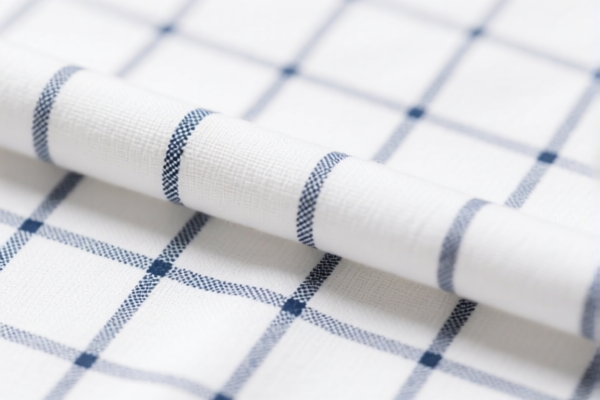
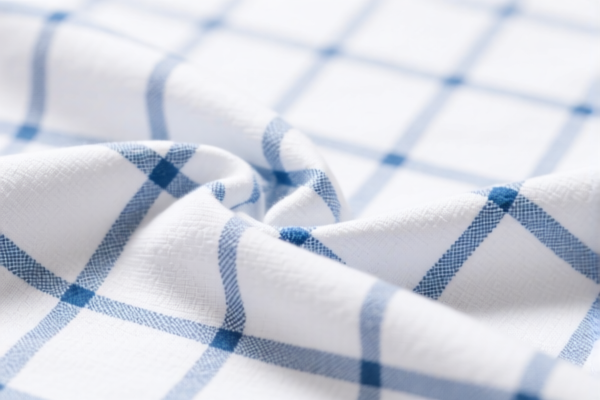
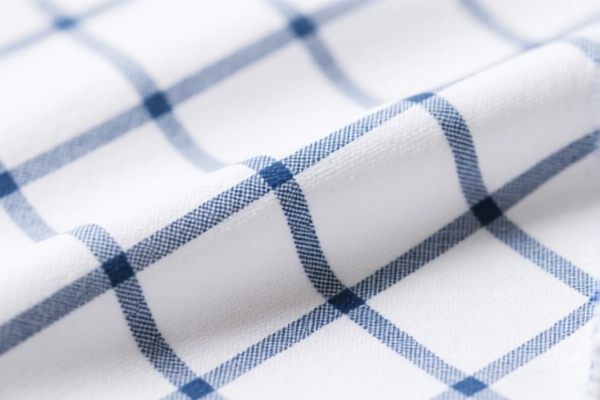
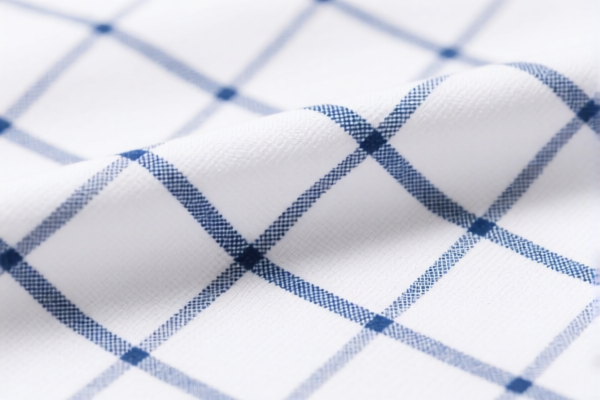
AI Analysis
🧵 Cotton Blend Oxford Fabric Home Textiles
🌐 HS Code Reference & Customs Clearance Guide | 2026 Latest Tariff Breakdown | Professional Compliance Strategy
📌 I. Product Definition & Classification: What Exactly is "Cotton Blend Oxford Fabric"?
Cotton Blend Oxford Fabric is a versatile textile characterized by its "Oxford weave" structure (typically a basket weave), primarily used in home textiles (curtains, upholstery, cushion covers) and apparel. In international trade, classification hinges on three critical factors: 1. Material Composition: Specifically, the weight percentage of Cotton (≥85% vs. <85%). 2. Processing Method: Whether it is printed, bleached, dyed, or plain. 3. Weave Structure: Oxford fabric is technically a plain weave variant (specifically a 2x1 or similar basket weave), which influences sub-heading selection under Chapter 52.
⚠️ Key Distinction Point:
- If Cotton content is ≥85%: Falls under Chapter 52.10/52.11 (Cotton).
- If Cotton content is <85%: Falls under Chapter 52.10/52.11 but with different duty implications; may also interact with Chapter 55 (Synthetic fibers) if blends are complex.
- Oxford Weave Classification: Often misclassified as generic "plain weave." However, specific sub-headings for "Oxford" or "Basket Weave" may apply depending on the country's tariff schedule (here, specifically tailored for US Import from China).
📦 II. HS Code Classification Details (2026 Latest Authorized Codes)
Based on the provided data, the classification for Cotton Blend Oxford Fabric (Home Textiles) with Cotton Content <85% is analyzed below. Note that the specific 10-digit codes provided include specific descriptors for "Printed Oxford Fabric."
| HS Code | Product Description & Summary | Key Classification Criteria |
|---|---|---|
5210.59.60.20 |
Cotton-blended printed Oxford fabric, cotton <85%. Classified as printed textile, Oxford weave form. | • Cotton <85% • Printed • Oxford Weave • Blended with synthetic fibers |
5210.59.40.20 |
Cotton-blended printed Oxford fabric, cotton <85%. Form: Printed Oxford Fabric. | • Cotton <85% • Printed • Specific "Oxford" designation in sub-heading |
5516.44.00.70 |
Cotton-blended printed Oxford fabric. Material restricted to cotton blends, usage to printing, weave type to Oxford. | • Focus on Synthetic Fiber primary classification (Chapter 55) due to <85% cotton • Printed • Oxford Weave |
5211.59.00.90 |
Cotton & synthetic fiber blend, cotton <85%, mainly blended with man-made fibers. Form: Printed textile. | • Cotton <85% • Mainly blended with man-made fibers • Generic "Printed" classification (less specific than Oxford) |
5211.51.00.90 |
Cotton <85%, blended with man-made fibers. Form: Printed. Weave type: Oxford belongs to plain weave category. | • Cotton <85% • Plain Weave classification (Oxford treated as plain) • Lowest base duty |
🔍 Critical Note:
- Chapter 52 (Cotton) vs. Chapter 55 (Man-Made Fibers): When cotton is <85%, the fabric can still be classified in Chapter 52 if cotton is the dominant fiber by weight. If synthetic fibers dominate, Chapter 55 may apply. The provided codes5516.44.00.70suggests a scenario where the synthetic component triggers Chapter 55 rules.
- Oxford Weave: In US HTS, Oxford fabrics are often classified under plain weave sub-headings unless specified otherwise. Codes5211.51.00.90explicitly treat Oxford as "plain weave."
💰 III. 2026 Latest Tariff Rate Breakdown (Including Additional Duties)
✅ Applicable Country: United States (US)
✅ Country of Origin: China (CN)
✅ Effective Date: Current trade war tariffs (Section 301 + IEEPA) apply.
🎯 1. 5210.59.60.20 — Cotton-Blend Printed Oxford Fabric (Cotton <85%)
| Item | Detail |
|---|---|
| Base Duty Rate | 10.4% |
| Section 301 Tariff | +25.0% |
| IEEPA Section 122 Tariff | +10.0% |
| Total Tax Rate | 45.4% |
| Tax Calculation | CIF Value × 45.4% |
| De Minimis Exemption | ❌ Not Eligible |
| Legal Basis Path | USITC:5210.59.60.20 → FOOTNOTE:301 → IEEPA:122 |
📌 Explanation:
- Base 10.4%: Standard MFN duty for printed cotton-blended fabrics.
- 25% Section 301: Retaliatory tariff on Chinese textiles.
- 10% IEEPA 122: Specific additional tariff under Executive Order 122 (Section 122 of the Trade Expansion Act, often referenced in recent trade policy updates for China).
- Total: 45.4% is a high-cost entry for US importers.
🎯 2. 5210.59.40.20 — Cotton-Blend Printed Oxford Fabric (Specific Sub-category)
| Item | Detail |
|---|---|
| Base Duty Rate | 8.8% |
| Section 301 Tariff | +25.0% |
| IEEPA Section 122 Tariff | +10.0% |
| Total Tax Rate | 43.8% |
| Tax Calculation | CIF Value × 43.8% |
| De Minimis Exemption | ❌ Not Eligible |
📌 Note:
- Slightly lower base rate (8.8% vs 10.4%) due to specific sub-heading nuance.
- Still subject to full additional tariffs.
🎯 3. 5516.44.00.70 — Cotton-Blend Printed Oxford Fabric (Chapter 55)
| Item | Detail |
|---|---|
| Base Duty Rate | 8.5% |
| Section 301 Tariff | +25.0% |
| IEEPA Section 122 Tariff | +10.0% |
| Total Tax Rate | 43.5% |
| Tax Calculation | CIF Value × 43.5% |
📌 Analysis:
- Lowest Total Rate among high-duty options (43.5%).
- Classification under Chapter 55 implies the synthetic fiber content is significant or primary.
- Ideal if the fabric is predominantly polyester/acrylic blend with cotton <85%.
🎯 4. 5211.59.00.90 — Cotton-Blend Printed Textile (Generic)
| Item | Detail |
|---|---|
| Base Duty Rate | 8.1% |
| Section 301 Tariff | +25.0% |
| IEEPA Section 122 Tariff | +10.0% |
| Total Tax Rate | 43.1% |
| Tax Calculation | CIF Value × 43.1% |
📌 Analysis:
- Very Competitive Rate (43.1%).
- Requires careful justification: Must prove it is "mainly blended with man-made fibers" and not specifically an "Oxford" weave if that triggers higher duties.
🎯 5. 5211.51.00.90 — Cotton-Blend Printed Plain Weave (Oxford as Plain)
| Item | Detail |
|---|---|
| Base Duty Rate | 0.0% |
| Section 301 Tariff | +25.0% |
| IEEPA Section 122 Tariff | +10.0% |
| Total Tax Rate | 35.0% |
| Tax Calculation | CIF Value × 35.0% |
📌 CRITICAL INSIGHT:
- Lowest Total Duty Rate: 35.0%!
- Strategy: Classify Oxford fabric as "Plain Weave" (Chapter 52.11.51) rather than specific "Oxford" or "Printed" sub-headings that trigger higher base rates.
- Risk: US Customs may challenge this if the fabric is distinctly "Oxford" (basket weave). However, many Oxford weaves are technically plain weaves with specific yarn arrangements. If accepted, this saves 10.4% compared to the highest code.
🛠️ IV. Customs Clearance Practical Advice (Avoiding Pitfalls)
✅ 1. Document Checklist (Non-Negotiable)
| Document | Required | Notes |
|---|---|---|
| ✅ Commercial Invoice | ✔️ | Must state: "Cotton Blend Oxford Fabric," Cotton %, and HS Code. |
| ✅ Packing List | ✔️ | Detail weight, dimensions, and number of rolls. |
| ✅ Product Specification Sheet | ✔️ | Must include: Cotton Content %, Weave Type (Oxford/Plain), Printing Method. |
| ✅ Certificate of Origin (CO) | ✔️ | Mandatory for proving Chinese origin and applying/avoiding tariffs. |
| ✅ Test Report | ✔️ | Fiber composition test (from SGS, Intertek, etc.) to prove <85% cotton content. |
| ✅ IEEPA/301 Compliance Statement | ✔️ | Confirm no violation of trade restrictions. |
✅ 2. Declaration Strategy (Key Tips)
🔥 "Classify as Plain, Not Oxford, if Possible!"
- Why? Code5211.51.00.90has a 0% base duty, leading to a 35% total duty, significantly lower than other codes (43-45%).
- How? If the fabric is a 2x2 basket weave (common in Oxford), argue it falls under "Plain Weave" in HTSUS unless there is a specific "Oxford" subheading with lower base rates. Check with customs broker for Pre-Ruling to confirm acceptability.
- Warning: Do not misdeclare printed fabric as plain if it is visibly printed. The code5211.51.00.90description in the data says "Form: Printed," so ensure the fabric is indeed printed to match5211.51.00.90(as per data). If it is not printed, this code may be invalid.
✅ 3. Special Scenarios
| Scenario | Recommendation |
|---|---|
| Cotton Content ≥85% | Not covered in this dataset. Likely higher base duty or different sub-heading. Verify if <85% is critical for these codes. |
| Non-Printed Fabric | If the fabric is not printed, the provided codes (all "Printed") may be incorrect. Seek codes for "Dyed" or "Bleached" Oxford fabric. |
| OEM/Private Label | Provide design specs to prove "Printed" status if using 5210.59.x.x or 5211.5x.x. |
| Transshipment | Strictly Avoid. Any attempt to reroute through Vietnam/Malaysia to avoid US tariffs will result in severe penalties and 100% seizure. |
🌍 V. Global Market Comparison (2026)
| Market | Recommended HS Code | Total Duty (China Origin) | Notes |
|---|---|---|---|
| 🇺🇸 USA | 5211.51.00.90 |
35.0% | Lowest rate; classify as Plain Weave if possible. |
| 🇪🇺 EU | Varies (Chapter 52) | ~0-10% + VAT | No Section 301 tariffs. Check for anti-dumping duties. |
| 🇨🇳 China | 5211.51.00.90 |
~5-8% | Low import duty, but focus is on export. |
| 🇬🇧 UK | Similar to EU | ~0-10% | Post-Brexit tariffs may apply. |
📌 Conclusion:
- USA is the most challenging market due to layered tariffs (Base + 301 + IEEPA).
- Strategic Classification is key:5211.51.00.90offers the best rate (35%) if compliant.
📌 VI. Common Errors & Pitfalls (Lessons Learned)
❌ Error 1: Declaring "Oxford Fabric" under a generic "Cotton Fabric" code without specifying weave.
👉 Consequence: Customs may reclassify, leading to higher duties or delays.
❌ Error 2: Ignoring the "Printed" requirement.
👉 Consequence: All provided codes are for printed fabric. If your fabric is dyed/plain, these codes are wrong, leading to penalties for misdeclaration.
❌ Error 3: Assuming De Minimis ($800) applies.
👉 Consequence: Absolutely not. Section 301 and IEEPA tariffs do not apply to de minimis shipments from China. All shipments are taxed.
❌ Error 4: Using incorrect Cotton % documentation.
👉 Consequence: If test reports show ≥85% cotton, the Chapter 52.10/52.11 codes may be invalid, and you may face different duties.
✅ Best Practice:
"Provide Fiber Test Reports, Declare 'Printed' if Applicable, and Argue 'Plain Weave' Status for Lower Duty!"
🎯 VII. Conclusion: Precision in Classification Saves Money!
🎯 Key Takeaway:
🔹 Lowest Duty Code:
5211.51.00.90at 35% (if classified as plain weave printed fabric).
🔹 Highest Duty Code:5210.59.60.20at 45.4%.
🔹 Savings Potential: Up to 10.4% by optimizing classification.
📌 Action Steps:
1. Verify Fabric Type: Is it printed? Is cotton <85%?
2. Get Test Reports: Prove fiber content.
3. Consult Customs Broker: Confirm if "Oxford" can be classified as "Plain Weave" under 5211.51.00.90.
4. Prepare Full Documentation: Invoice, Packing List, CO, Test Reports.
📣 Immediate Action:
📞 Contact a Licensed Customs Broker today to apply for a Pre-Ruling on HS Code
5211.51.00.90.
🚀 Optimize Your Supply Chain to navigate 35-45% tariffs efficiently.
✨ Expert Customs Clearance Starts with Accurate Classification!
💼 Every Percent Saved is Profit Gained!
Customer Reviews
About HS Code Classification
The Harmonized System (HS) is an internationally standardized nomenclature developed by the World Customs Organization (WCO) to classify traded products. Over 200 countries use the HS system as the basis for customs tariffs, trade statistics, and import/export regulations.
Each HS code follows a hierarchical structure:
- Chapter (2 digits) — Broad category of goods (e.g., Chapter 84: Machinery and Mechanical Appliances)
- Heading (4 digits) — More specific grouping within the chapter
- Subheading (6 digits) — Internationally standardized breakdown, used by all WCO member countries
- National subdivisions (8-10 digits) — Country-specific extensions for further classification, such as US HTSUS 10-digit codes
Correct HS code classification is essential for smooth customs clearance, accurate duty payment, and compliance with trade regulations. Misclassification can lead to customs delays, overpayment of duties, or penalties.
When importing from CN to US, the applicable tariff rates may include:
- Most-Favored-Nation (MFN) rate — The standard duty rate applied to WTO members
- General rate — Applied to countries without trade agreements
- Trade remedy duties — Additional tariffs such as Section 301 (anti-dumping), Section 232 (national security), or countervailing duties
The information provided on this page is for reference purposes only. For official classification, please consult with your local customs authority or a licensed customs broker.