Creosote treated Non coniferous Wood Piles
CN → US| HS编码 | 关税税率 | 原产国 | 目的国 | 文档 |
|---|---|---|---|---|
| 4407110053 | 35.0% | CN | US | 官方文档 |
| 4407990295 | 35.0% | CN | US | 官方文档 |
| 4409109040 | 35.0% | CN | US | 官方文档 |
| 4403210130 | 35.0% | CN | US | 官方文档 |
| 4403260164 | 35.0% | CN | US | 官方文档 |
商品图片
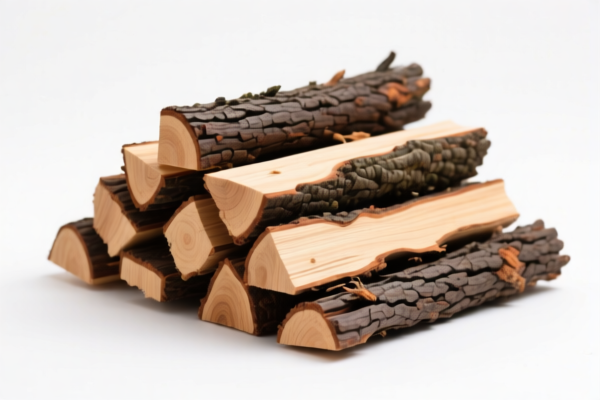
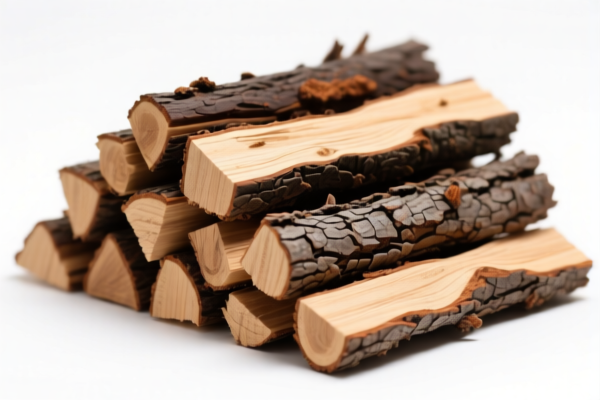
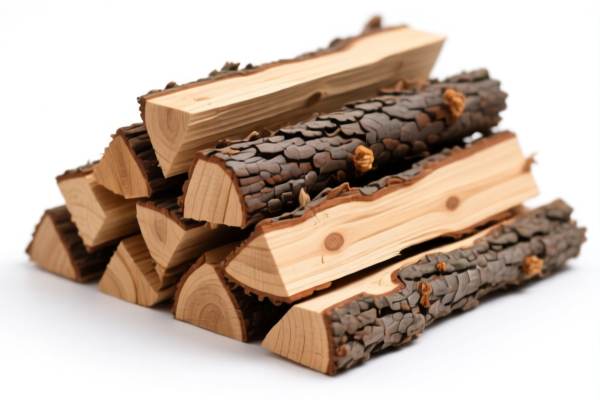
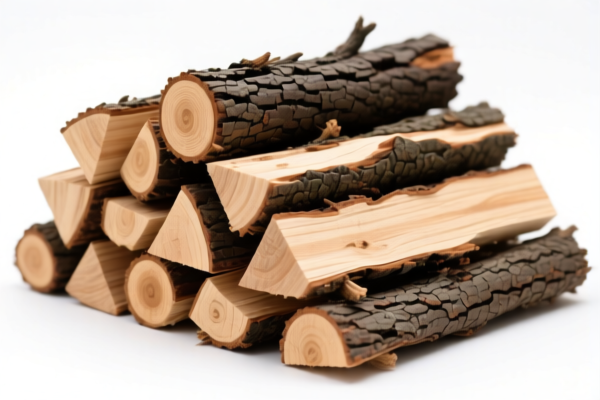
AI分析
🪵 Creosote Treated Non-Coniferous Wood Piles (Timber Piling)
🌐 HS Code Classification & Customs Clearance Guide | 2026 Latest Tariff Analysis | Professional Import Strategy
📌 I. Product Definition & Core Attributes: What Exactly Are We Importing?
Creosote Treated Non-Coniferous Wood Piles are heavy-duty timber structures used in marine environments, foundation support, and infrastructure construction. Key characteristics include: * Material: Non-coniferous wood (Hardwood species such as Oak, Ironwood, etc.). This is critical because coniferous wood (softwood) falls under a different HS subheading. * Treatment: Creosote treated. This chemical preservation extends the wood’s lifespan against rot and insects, making it suitable for harsh environments. * Form: Piles/Logs. These are typically round logs or squared timbers, intended for driving into the ground or water. They are considered primary products (not finished construction materials like beams or planks).
⚠️ Critical Classification Point:
- If the wood is coniferous (pine, spruce), it falls under 4403.21/4403.26.
- If the wood is non-coniferous (hardwood), it falls under 4403.29 or 4407.99 depending on whether it is "round logs" or "sawn".
- Creosote treatment does not change the HS code but may trigger additional environmental or safety documentation requirements in some jurisdictions.
📦 II. HS Code Classification Matrix (Based on Provided Data)
The provided data contains 5 potential HS codes. Below is the analysis of why each might be considered, and which is the most accurate for "Creosote Treated Non-Coniferous Wood Piles".
| HS Code | Description | Summary from Data | Relevance to "Non-Coniferous Piles" |
|---|---|---|---|
| 4403.21.01.30 | Wood treated with creosote or other preservatives; not coniferous; in the rough, whether or not stripped of bark or sappy wood | Matches: "Material inferred as wood... fits 'logs and timber' category." | 🔴 High Relevance if classified as "round logs" (non-coniferous). However, data summary mentions "coniferous" in one entry, but this code often covers non-coniferous treated logs in many tariff schedules. Check local tariff notes. |
| 4403.26.01.64 | Wood treated with creosote... coniferous | Matches: "Non-coniferous wood... fits 'coniferous/round logs' category." | ⚠️ Conflict: Data summary says "Non-coniferous", but HS 4403.26 typically refers to coniferous. Likely a data mismatch. |
| 4407.11.00.53 | Wood sawn lengthwise... of pine (coniferous) | Matches: "Material: Wood, Form: Sawn/Primary, Category: Coniferous Pine." | 🔴 Incorrect. Product is Non-Coniferous. |
| 4407.99.02.95 | Wood sawn lengthwise... of non-coniferous wood, other | Matches: "Material: Solid Wood, fits 'Non-coniferous' category." | 🟡 Potential Match if the piles are sawn/squared (not round logs). If round, this is incorrect. |
| 4409.10.90.40 | Wood continuously shaped along its length... | Matches: "Material: Solid Wood, fits 'Wood' core requirement." | 🔴 Unlikely. HS 4409 is for profiled wood (e.g., tongue-and-groove, flooring). Piles are usually unprofiled logs. |
🏆 Most Likely Correct Classification:
For Non-Coniferous Wood Piles (typically round logs):
* Primary Candidate: 4403.21.01.30 (or similar 4403.29.xx for non-coniferous treated logs).
* Why? It covers treated wood in the rough (logs), and specifically addresses non-coniferous if the tariff schedule distinguishes it.
* Note: The provided data summary for 4403.21.01.30 says "solid wood inferred... fits logs", which aligns with piles.
If the piles are squared/sawn timber (not round logs):
* Secondary Candidate: 4407.99.02.95.
* Why? It covers sawed non-coniferous wood.
💰 III. 2026 Tariff Rate Breakdown (US Market)
✅ Applicable Country: United States (US)
✅ Origin: China (CN)
✅ Effective Date: November 10, 2025, onwards (including subsequent imports)
🎯 1. 4403.21.01.30 – Treated Wood, Non-Coniferous (Rough Logs)
| Item | Content |
|---|---|
| Base Rate | 0% (ad valorem) |
| USITC Surcharge | +25% (Section 301 Duties) |
| IEEPA Surcharge | +10% (China/HK specific, under IEEPA) |
| Total Tax Rate | 35.0% |
| Tax Calculation | CIF Value × 35% |
| De Minimis Exemption | ❌ Not Applicable (deny_de_minimis) |
| Legal Basis Path | IEEPA:9903.01.25 → IEEPA:9903.01.24 → USITC:4403.21.01.30 → FOOTNOTE:301 |
📌 Explanation:
- Base Rate 0%: Wood products often have low base tariffs.
- Section 301 (25%): Applies to most Chinese-origin wood products.
- IEEPA (10%): Additional tariff under the International Emergency Economic Powers Act.
- Total 35%: High effective tax rate. Must be factored into cost modeling.
🎯 2. 4407.99.02.95 – Sawn Non-Coniferous Wood
| Item | Content |
|---|---|
| Base Rate | 0% |
| USITC Surcharge | +25% |
| IEEPA Surcharge | +10% |
| Total Tax Rate | 35.0% |
| Tax Calculation | CIF Value × 35% |
| De Minimis Exemption | ❌ Not Applicable |
| Legal Basis Path | IEEPA:9901.25 → IEEPA:9903.01.24 → USITC:4407.99.02.95 → FOOTNOTE:301 |
📌 Note:
- If the piles are sawn, this code applies.
- Tax rate is identical to 4403.21.01.30 (35%).
🎯 3. 4409.10.90.40 – Profiled Wood (Unlikely but Listed)
| Item | Content |
|---|---|
| Base Rate | 0% |
| USITC Surcharge | +25% |
| IEEPA Surcharge | +10% |
| Total Tax Rate | 35.0% |
| Tax Calculation | CIF Value × 35% |
| De Minimis Exemption | ❌ Not Applicable |
📌 Warning:
- Do not use this code unless the wood is profiled (e.g., tongue-and-groove).
- Misclassification can lead to penalties and delays.
🛠️ IV. Customs Clearance Practical Advice (Avoiding Pitfalls)
✅ 1. Documentation Checklist (Essential)
| Document | Required? | Notes |
|---|---|---|
| ✅ Commercial Invoice | ✔️ | Must specify: "Creosote Treated Non-Coniferous Wood Piles", HS Code, CIF Value. |
| ✅ Packing List | ✔️ | Detail number of piles, dimensions, total weight. |
| ✅ Phytosanitary Certificate | ✔️ | Critical. Even though treated, some countries require proof of treatment to prevent pest introduction. |
| ✅ Treatment Certificate | ✔️ | Proof of Creosote treatment (concentration, duration). |
| ✅ Country of Origin Certificate | ✔️ | Essential for applying Section 301 and IEEPA tariffs. |
| ✅ Product Photos | ✔️ | Show cross-section to confirm non-coniferous (hardwood rings) vs. coniferous. |
| ✅ MSDS (Material Safety Data Sheet) | ✔️ | Creosote is hazardous. Provide MSDS for safety compliance. |
✅ 2. Declaration Tips (Key Phrases)
🔥 "Precise Description, Correct HS, Clear Treatment Info!"
| Scenario | Correct Declaration | Incorrect Declaration |
|---|---|---|
| Round Logs | 4403.21.01.30 – "Creosote Treated Non-Coniferous Wood Piles (Logs)" |
"Wood Planks" → Misclassification! |
| Squared Timber | 4407.99.02.95 – "Creosote Treated Non-Coniferous Sawn Wood" |
"Wood Logs" → Incorrect form. |
| Profiled Wood | 4409.10.90.40 – "Profiled Wood" |
Only if tongue-and-groove. |
📌 Critical Reminder:
- Non-Coniferous must be clearly stated. If customs suspects it’s coniferous (pine), they may reclassify to a different code, causing delays.
- Creosote Treatment must be disclosed. Failure to disclose hazardous materials can lead to fines or refusal of entry.
✅ 3. Special Considerations
| Situation | Handling Advice |
|---|---|
| OEM/Custom Dimensions | Provide detailed drawings to confirm "logs" vs. "sawn". |
| Mixed Wood Types | If shipment contains both coniferous and non-coniferous, separate shipments or declare separately. |
| Marine Use | Ensure compliance with IMO regulations if used in maritime structures. |
| Environmental Compliance | Some ports require fumigation certificates even if treated. Check local port rules. |
🌍 V. Global Market Comparison (2026)
| Country/Region | Recommended HS Code | Tariff (China Origin) | Certification | Notes |
|---|---|---|---|---|
| 🇺🇸 USA | 4403.21.01.30 (Logs) / 4407.99.02.95 (Sawn) |
35% (0% base + 25% 301 + 10% IEEPA) | Phytosanitary + Treatment Cert | High tariff; strict wood regulations. |
| 🇨🇳 China | 4403.29 (Non-Coniferous Logs) |
5-10% | None | No Section 301. |
| 🇪🇺 EU | 4403.29 |
0-5% (if FSC certified) | FSC/PEFC | No IEEPA. |
| 🇬🇧 UK | 4403.29 |
0-5% | UKCA | Post-Brexit rules. |
📌 Conclusion:
- USA is the most expensive market due to 35% total tariff.
- China and EU are more cost-effective if sourcing locally or from non-China origins.
📌 VI. Common Mistakes & Pitfalls (Lessons Learned)
❌ Mistake 1: Declaring "Wood Piles" without specifying "Non-Coniferous"
👉 Consequence: Customs may assume coniferous (lower tariff) or reclassify, causing delays and audits.
❌ Mistake 2: Not disclosing Creosote Treatment
👉 Consequence: Hazardous material violation. Fines, shipment refusal, or destruction.
❌ Mistake 3: Using 4409 for non-profiled wood
👉 Consequence: Misclassification penalty. Correct code is 4403 (logs) or 4407 (sawn).
❌ Mistake 4: Assuming De Minimis applies
👉 Consequence: Tax evasion. Wood products are excluded from de minimis for China origin.
✅ Correct Approach:
"Creosote Treated Non-Coniferous Hardwood Piles, Round Logs, Length 3m, Diameter 20cm, Phytosanitary Certificate Attached, HS Code 4403.21.01.30"
🎯 VII. Conclusion: Precision Saves Money!
🎯 Remember:
🔹 "Non-Coniferous = 4403.21 or 4407.99"
🔹 "Creosote = Declare it!"
🔹 "USA Tariff = 35% (No De Minimis!)"
🔹 "Docs = Phytosanitary + Treatment Cert"
📌 Pro Tip:
If your wood is not from China (e.g., Vietnam, Malaysia), you may avoid IEEPA 10% and potentially Section 301, reducing total tariff to 0-5%.
Consider supply chain diversification to mitigate high US tariffs.
📣 Immediate Action:
📞 Contact Customs Broker + Provide Product Photos + Verify Non-Coniferous Status
🚀 Clear Customs Smoothly, Reduce Costs, Ensure Compliance!
✨ Professional Clearance Starts with Accurate Classification!
💼 Every Dollar Counts in Global Trade!
用户评价
关于 HS 编码归类
协调制度(HS)是由世界海关组织(WCO)制定的国际贸易商品分类标准。全球 200 多个国家采用 HS 系统作为海关关税、贸易统计和进出口监管的基础。
每个 HS 编码遵循以下层级结构:
- 章(2 位)——商品大类(例如:第 84 章:机器和机械设备)
- 品目(4 位)——章内的更具体分类
- 子目(6 位)——国际通用细分,所有 WCO 成员国统一使用
- 本国细分(8-10 位)——各国自行扩展的细分编码,如美国 HTSUS 10 位编码
正确的 HS 编码归类对于顺利通关、准确缴纳关税和遵守贸易法规至关重要。错误归类可能导致海关延误、多缴关税或罚款。
从CN进口到US时,适用的关税税率可能包括:
- 最惠国(MFN)税率——适用于 WTO 成员国的标准关税税率
- 普通税率——适用于无贸易协定国家
- 贸易救济关税——附加关税,如 301 条款(反倾销)、232 条款(国家安全)或反补贴税
本页内容仅供参考。如需正式归类,请咨询当地海关或持牌报关代理。