Crochet Fabric
CN → US| HS编码 | 关税税率 | 原产国 | 目的国 | 文档 |
|---|---|---|---|---|
| 6109100027 | 34.0% | CN | US | 官方文档 |
| 6109100070 | 34.0% | CN | US | 官方文档 |
| 6112110010 | 32.4% | CN | US | 官方文档 |
商品图片
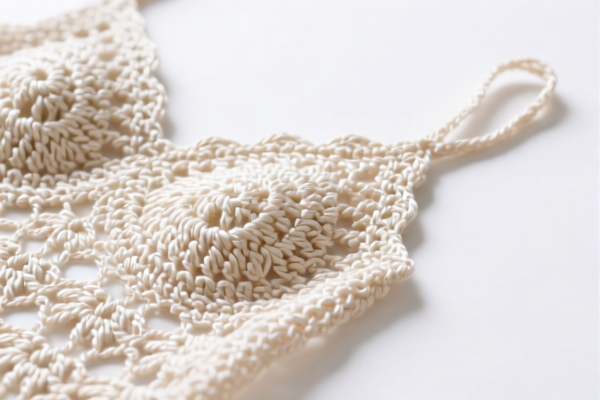
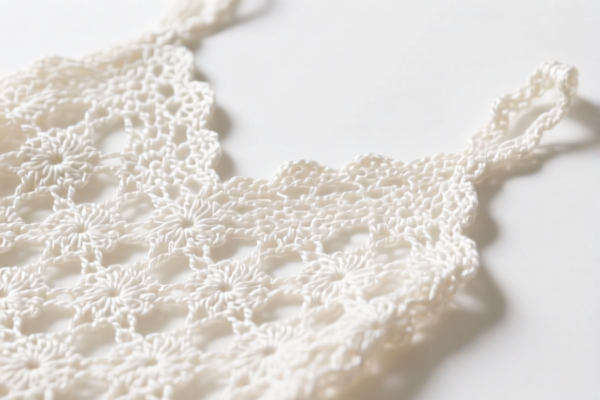
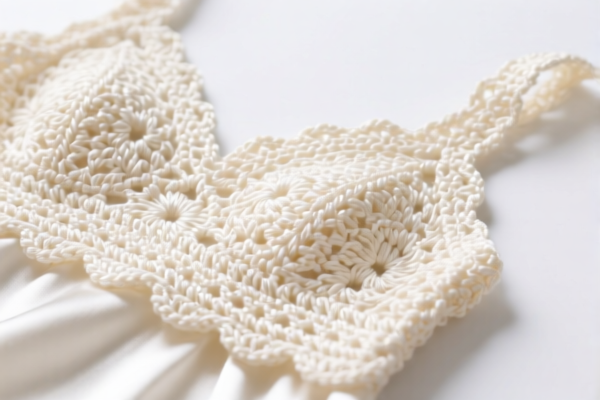

AI分析
🧵 Crochet Fabric (Handmade/Knitted Textile Goods)
🌐 HS Code Reference & Customs Clearance Guide | 2026 Latest Tariff Analysis | Professional Clearance Strategy
📌 I. Product Definition & Classification: Do You Really Understand "Crochet Fabric"?
Crochet fabric refers to textiles produced by interlocking loops of yarn using a single hook. In international trade, it is primarily classified under Chapter 61 (Articles of Apparel and Clothing Accessories, Knitted or Crocheted) if it is in a recognizable clothing form (e.g., T-shirts, tops, swimsuits), or potentially under Chapter 60 if it is plain fabric.
However, based on the provided <DATA>, the items are classified under Chapter 61, implying they are recognized as garments or garment parts (such as shirts, bodysuits, or swimsuits) rather than raw yardage.
⚠️ Key Distinction Point:
- If the item is a finished garment (e.g., a T-shirt, tank top, or swimsuit) made by knitting or crocheting → It falls under 6109 or 6112.
- If it is raw fabric (by the yard/meter) → It typically falls under Chapter 60 (Knitted/Crocheted Fabrics), but NOT included in the provided<DATA>.
- The provided HS codes specifically target apparel articles, not raw textile rolls.
📦 II. HS Code Classification Details (2026 Latest Tariff Authority Reference)
| HS Code | Product Description | Application Scenario | Material/Type |
|---|---|---|---|
| 6109.10.00.27 | Knitted or crocheted T-shirts, singlets, and similar vests | Casual wear, summer tops, base layers | Cotton or Polyester blend inferred |
| 6109.10.00.70 | Knitted or crocheted T-shirts, singlets, and similar vests | Apparel category, cotton-based | Cotton-based inference |
| 6112.11.00.10 | Knitted or crocheted tracksuits, ski suits, and swimwear | Sportswear, swimwear, active wear | Material unspecified but likely suitable |
🔍 Key Reminder:
- 6109: Covers T-shirts, singlets, and similar vests. This is the most common category for "crochet tops" or "crochet tanks."
- 6112: Covers specific functional wear, most notably swimwear and tracksuits. If your crochet fabric is made into a bikini or swimsuit, it falls here.
- Material Inference: The tax rates differ slightly based on material (Cotton vs. Polyester/Other). Customs often infer material from the product type if not explicitly stated.
💰 III. 2026 Latest Tariff Rate Details (Including Surcharges & Policy Add-ons)
✅ Applicable Country: United States (US)
✅ Origin: China (CN)
✅ Effective Date: Current trade policies (Section 301 & 122 provisions)
🎯 1. 6109.10.00.27 —— Knitted/Crocheted T-shirts & Singlets (Polyester/Other Fiber Inference)
| Item | Content |
|---|---|
| Base Tariff | 16.5% (Standard MFN Rate) |
| Section 301 Tariff | +7.5% (Retaliatory/Add-on Tariff) |
| Section 122 Tariff | +10% (Specific Import Surcharge) |
| Total Tariff | 34.0% |
| Tax Calculation | CIF Value × 34% |
| De Minimis Exemption | ❌ Not Applicable (High tariff threshold usually blocks de minimis benefits for direct imports) |
| Legal Basis Path | USITC:6109.10.00.27 → Section 301: 7.5% → Section 122: 10% |
📌 Explanation:
- Base 16.5%: Standard tariff for knitted cotton/polyester tops.
- Section 301 (7.5%): Additional duty on Chinese textiles under trade remedy actions.
- Section 122 (10%): Specific surcharge on imports of certain goods (often applied to textiles/apparel to protect domestic manufacturing).
- Total 34%: A significant cost burden. Importers must price accordingly.
🎯 2. 6109.10.00.70 —— Knitted/Crocheted T-shirts & Singlets (Cotton Inference)
| Item | Content |
|---|---|
| Base Tariff | 16.5% |
| Section 301 Tariff | +7.5% |
| Section 122 Tariff | +10% |
| Total Tariff | 34.0% |
| Tax Calculation | CIF Value × 34% |
| De Minimis Exemption | ❌ Not Applicable |
| Legal Basis Path | USITC:6109.10.00.70 → Section 301: 7.5% → Section 122: 10% |
📌 Note:
- Despite being "Cotton" (often lower base rates), the total effective rate remains 34.0% due to the fixed add-ons.
- Do not assume cotton always means lower total duty; the surcharges dominate the cost structure here.
🎯 3. 6112.11.00.10 —— Knitted/Crocheted Swimwear & Sportswear
| Item | Content |
|---|---|
| Base Tariff | 14.9% |
| Section 301 Tariff | +7.5% |
| Section 122 Tariff | +10% |
| Total Tariff | 32.4% |
| Tax Calculation | CIF Value × 32.4% |
| De Minimis Exemption | ❌ Not Applicable |
| Legal Basis Path | USITC:6112.11.00.10 → Section 301: 7.5% → Section 122: 10% |
📌 Advantage:
- This code has a slightly lower base rate (14.9% vs. 16.5%), resulting in a 32.4% total rate.
- Savings: 1.6% lower than T-shirts.
- Usage: Only applicable if the crochet fabric is made into swimwear or tracksuits. Casual crochet tops still fall under 6109.
🛠️ IV. Customs Clearance Practical Advice (实战避坑指南)
✅ 1. Preparation Checklist (Must-Have Documents)
| Document | Required | Notes |
|---|---|---|
| ✅ Product Specification Sheet | ✔️ | Must specify: Fiber content (Cotton %, Polyester %), Weight, Dimensions. |
| ✅ Photos of Final Product | ✔️ | Show neckline, hem, and any tags. Crucial for distinguishing T-shirt (6109) vs. Swimsuit (6112). |
| ✅ Commercial Invoice | ✔️ | Clearly state "Crochet Top" or "Knitted Swimsuit." Avoid vague terms like "Fabric" if it's a garment. |
| ✅ Country of Origin Certificate | ✔️ | Essential for calculating Section 301 and 122 tariffs. |
| ✅ Packing List | ✔️ | Include gross/net weight, piece count. |
✅ 2. Declaration Tips (Key Mantras)
🔥 "Garment, not Fabric; Material, not Guess; Name, not Vague."
| Scenario | Correct Declaration | Wrong Practice | Consequence |
|---|---|---|---|
| Crochet T-shirt | 6109.10.00.70 (Cotton) or .27 (Poly) |
Declared as "Fabric" | Rejection/Inspection delay |
| Crochet Swimsuit | 6112.11.00.10 |
Declared as "T-shirt" | Potential under/over-duty issues |
| Raw Crochet Yarn/Fabric | Chapter 60 (Not in Data) | Declared as Garment | Misclassification penalty |
| Mixed Fiber (e.g., 50% Cotton/50% Poly) | Check HTSUS rules for principal fiber | Guessing | Audit risk |
✅ 3. Special Cases
| Situation | Handling Advice |
|---|---|
| OEM Custom Crochet Tops | Provide design sketches and fabric swatches to prove fiber content. |
| Sample vs. Bulk | Samples may still be subject to tariffs if commercial value is declared. Use "Non-commercial Sample" label only if truly exempt, but expect duty on return. |
| De Minimis (Section 321) | ❌ Generally NOT applicable for China-origin goods under current trade rules for these categories. Do not rely on $800 exemption. |
| Material Ambiguity | If fiber content is unknown, customs may apply the highest duty rate within the heading or require a lab test. Always declare accurately. |
🌍 V. Global Market Comparison (2026 Update)
| Country/Region | Recommended HS Code | Base Tariff | Total Effective Rate (China Origin) | Notes |
|---|---|---|---|---|
| 🇺🇸 USA | 6109.10.00.27/.70 |
16.5% | 34.0% | High Section 301 + 122 surcharges |
| 🇺🇸 USA | 6112.11.00.10 |
14.9% | 32.4% | Lower base rate for swimwear |
| 🇨🇳 China | 6109.10.00.27 |
5-15% | ~5-15% | No Section 122/301 |
| 🇪🇺 EU | 6109.10.00.27 |
12% | ~12% | No Section 301/122 equivalents |
| 🇬🇧 UK | 6109.10.00.27 |
12% | ~12% | Post-Brexit tariff structure |
📌 Conclusion:
- USA is the most expensive market due to layered surcharges (16.5% + 7.5% + 10%).
- Cost Optimization: Consider classifying as Swimwear (6112) if functionally appropriate to save 1.6%.
- Supply Chain: For US exports, explore third-country assembly (e.g., Vietnam, Bangladesh) if eligible for duty exemptions, though "substantial transformation" rules are strict.
📌 VI. Common Errors & Pitfalls (Lessons Learned)
❌ Error 1: Declaring "Crochet Fabric" as "Knitted Fabric" (Chapter 60)
👉 Result: Customs reclassifies to Chapter 61 (Garment) due to shape/use → Penalty + Back Taxes.
❌ Error 2: Ignoring Fiber Content
👉 Result: Misdeclaration of cotton vs. polyester → Audit Flag. Even a 1% difference matters.
❌ Error 3: Assuming De Minimis Applies
👉 Result: Shipments under $800 held at border → Storage Fees + Delays. Section 122 goods are excluded.
❌ Error 4: Using "T-shirt" for a "Tank Top"
👉 Result: Both fall under 6109, but precise description helps avoid scrutiny. Ensure HTS code matches the exact cut.
✅ Correct Practice:
"Women's Crochet Knitted Tank Top, 100% Cotton, Summer Style, Model XYZ, Origin China"
🎯 VII. Conclusion: Precision in Classification Saves Money!
🎯 Remember the Mantra:
🔹 "Garment, not Fabric; Material, not Guess; Total 34%, Price in Early!"
🔹 "Swimwear saves 1.6%; T-shirt pays 34%; Don't guess, test!"
📌 Pro Tip:
If your crochet fabric is intended for non-apparel uses (e.g., home decor, bags), it may fall under Chapter 63 (Other Made-up Textile Articles), which has different tariffs. Ensure your final product matches the HS code description.
📣 Immediate Action:
📞 Contact your Customs Broker + Provide Fabric Swatch + Verify Fiber Content
🚀 Ensure Compliance, Avoid Delays, Protect Your Margin!
✨ Professional Clearance Starts with Accurate Classification!
💼 Every Percentage Point Counts in 2026!
用户评价
关于 HS 编码归类
协调制度(HS)是由世界海关组织(WCO)制定的国际贸易商品分类标准。全球 200 多个国家采用 HS 系统作为海关关税、贸易统计和进出口监管的基础。
每个 HS 编码遵循以下层级结构:
- 章(2 位)——商品大类(例如:第 84 章:机器和机械设备)
- 品目(4 位)——章内的更具体分类
- 子目(6 位)——国际通用细分,所有 WCO 成员国统一使用
- 本国细分(8-10 位)——各国自行扩展的细分编码,如美国 HTSUS 10 位编码
正确的 HS 编码归类对于顺利通关、准确缴纳关税和遵守贸易法规至关重要。错误归类可能导致海关延误、多缴关税或罚款。
从CN进口到US时,适用的关税税率可能包括:
- 最惠国(MFN)税率——适用于 WTO 成员国的标准关税税率
- 普通税率——适用于无贸易协定国家
- 贸易救济关税——附加关税,如 301 条款(反倾销)、232 条款(国家安全)或反补贴税
本页内容仅供参考。如需正式归类,请咨询当地海关或持牌报关代理。