Crossbody Plastic Handbag
CN → US| HS编码 | 关税税率 | 原产国 | 目的国 | 文档 |
|---|---|---|---|---|
| 4202221500 | 51.0% | CN | US | 官方文档 |
| 3923210085 | 38.0% | CN | US | 官方文档 |
| 3923210080 | 38.0% | CN | US | 官方文档 |
| 4202224010 | 42.4% | CN | US | 官方文档 |
| 4202227000 | 42.0% | CN | US | 官方文档 |
商品图片
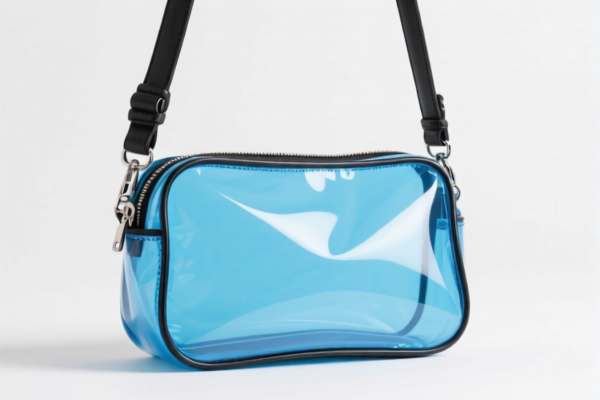
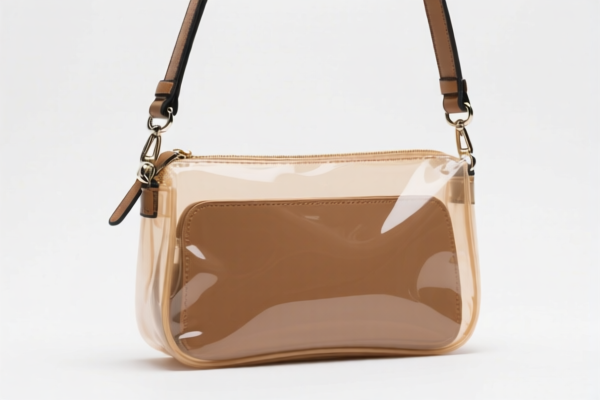
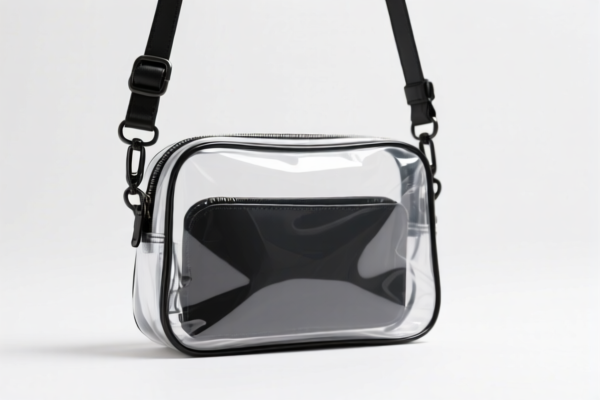
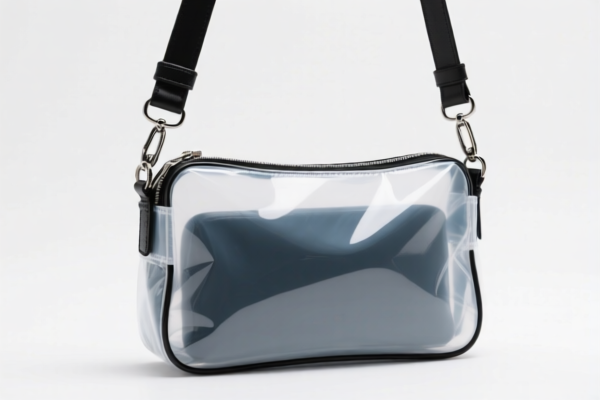
AI分析
👜 Crossbody Plastic Handbag (The "Plastic" Aesthetic)
🌐 HS Code Reference & Customs Clearance Guide | 2026 Latest Tariff Analysis | Professional Strategy
📌 I. Product Definition & Classification: What Makes It "Plastic"?
A Crossbody Plastic Handbag refers to a bag worn across the body, where the outer surface material is primarily plastic (e.g., PVC, PE, or other plastic films/sheets). This category excludes handbags with outer surfaces made of leather, textile, or paper, even if they have plastic components (like lining or handles).
Key Distinction:
- ✅ Plastic Outer Surface: The main visible layer is plastic → Chapter 42 or 39
- ❌ Textile Outer Surface: Even if it has plastic coating, if the base is fabric → Not applicable here
- ❌ Leather Outer Surface: If made of genuine or synthetic leather → Not applicable here
⚠️ Critical Note:
If the bag is made of plastic sheets (like PVC film) and resembles a traditional handbag, it may fall under 4202. If it is essentially a plastic bag (like a shopping bag) used for carrying personal items, it may fall under 3923.
📦 II. HS Code Classification Details (2026 Latest Tariff Authority Match)
| HS Code | Product Description | Key Features | Material |
|---|---|---|---|
| 4202.22.15.00 | Plastic Handbag (Geometric/Structured) | Outer surface is plastic sheet/film; structured shape | Plastic |
| 3923.21.00.85 | Lightweight Plastic Handbag (Retail Bag Style) | Made of ethylene polymers; resembles retail shopping bag | Ethylene Polymer (Plastic) |
| 3923.21.00.80 | Lightweight Plastic Handbag (Plastic Bag Form) | Classified as a plastic bag; for retail use | Plastic |
| 4202.22.70.00 | Silk Crossbody Bag | Outer surface is textile (silk); Included for comparison | Silk (Textile) |
| 4202.22.40.10 | Silk Crossbody Bag (Alternative) | Outer surface is textile (silk); Included for comparison | Silk (Textile) |
🔍 Clarification:
- HS 4202.22.15.00: Applies to structured plastic handbags (e.g., PVC clutches, geometric plastic bags).
- HS 3923.21.00.85/80: Applies to plastic bags used as handbags (e.g., reusable shopping bags made of PE/PP).
- HS 4202.22.70.00/40: These are SILK bags, NOT plastic. They are listed in your data for contrast but do not apply to a plastic bag.
💰 III. 2026 Tariff Rate Breakdown (Including Surtaxes & Policy Add-ons)
✅ Applicable Country: United States (US)
✅ Country of Origin: China (CN)
✅ Effective Date: From November 10, 2025 (and subsequent imports)
🎯 1. HS Code 4202.22.15.00 – Plastic Handbag (Structured)
| Item | Detail |
|---|---|
| Base Tariff | 16.0% |
| Section 301 Surtax | +25.0% |
| Section 122 Tariff | +10.0% |
| Total Tariff Rate | 51.0% |
| Tax Calculation | CIF Value × 51.0% |
| De Minimis Exemption | ❌ Not Eligible (High risk of audit) |
| Legal Basis Path | Section 301: 8524.11.10.00 → Section 122: 9903.01.24 → USITC: 4202.22.15.00 |
📌 Explanation:
- The 16% base rate is for handbags of other materials (including plastic) under Chapter 42.
- The 25% surtax is from Section 301 (US-China trade war).
- The 10% is from Section 122 (additional tariff on specific plastic goods).
- Total: 51% – This is a very high duty rate. Proper classification is critical.
🎯 2. HS Code 3923.21.00.85 – Lightweight Plastic Handbag (Retail Bag)
| Item | Detail |
|---|---|
| Base Tariff | 3.0% |
| Section 301 Surtax | +25.0% |
| Section 122 Tariff | +10.0% |
| Total Tariff Rate | 38.0% |
| Tax Calculation | CIF Value × 38.0% |
| De Minimis Exemption | ❌ Not Eligible |
| Legal Basis Path | Section 301: 3923.21.00.85 → Section 122: 9903.01.24 → USITC: 3923.21.00.85 |
📌 Explanation:
- If the bag is considered a plastic bag (e.g., thin PE/PP film) rather than a structured handbag, it falls under 3923.
- Base rate is lower (3%), but surtaxes still apply.
- Total: 38% – Still high, but 13% lower than 4202.22.15.00.
🎯 3. HS Code 3923.21.00.80 – Plastic Bag (Retail Use)
| Item | Detail |
|---|---|
| Base Tariff | 3.0% |
| Section 301 Surtax | +25.0% |
| Section 122 Tariff | +10.0% |
| Total Tariff Rate | 38.0% |
| Tax Calculation | CIF Value × 38.0% |
| De Minimis Exemption | ❌ Not Eligible |
| Legal Basis Path | Section 301: 3923.21.00.80 → Section 122: 9903.01.24 → USITC: 3923.21.00.80 |
📌 Note:
- Essentially same as 3923.21.00.85 in terms of tariff.
- Difference lies in specific plastic polymer type or use case (e.g., shopping bag vs. light-duty carry-all).
🛠️ IV. Customs Clearance Practical Advice (Avoiding Pitfalls)
✅ 1. Preparation Checklist (Non-Negotiable)
| Document | Required? | Notes |
|---|---|---|
| ✅ Product Photos | ✔️ | Show outer surface material clearly (plastic sheet/film) |
| ✅ Material Declaration | ✔️ | Specify type of plastic (e.g., PVC, PE, PP) |
| ✅ Structure Diagram | ✔️ | Show if it has lining, handles, or zipper |
| ✅ Commercial Invoice | ✔️ | Describe as "Plastic Handbag" or "Plastic Bag" – NOT "Silk Bag" |
| ✅ Packing List | ✔️ | Include quantity, weight, dimensions |
| ✅ Origin Certificate | ✔️ | Proof of Chinese origin (triggers surtaxes) |
✅ 2. Classification Strategy (Key Tips)
🔥 "Is it structured or a bag?"
- If structured (e.g., hard plastic, clutches, geometric shapes) → 4202.22.15.00 (51%)
- If soft/pliable (e.g., reusable shopping bag, thin film) → 3923.21.00.85/80 (38%)
| Scenario | Recommended HS Code | Reason |
|---|---|---|
| PVC clutch, rigid structure | 4202.22.15.00 |
Chapter 42 covers "articles of travel, handbags" |
| PE/PP reusable shopping bag | 3923.21.00.85 |
Chapter 39 covers "articles of plastics for transport" |
| Silk bag (mistaken for plastic) | 4202.22.70.00 |
Wrong material! Do not use for plastic bags |
✅ 3. Common Mistakes & Consequences
❌ Mistake 1: Classifying a plastic bag as a silk bag (4202.22.70.00)
👉 Consequence: Customs may reject declaration, demand reclassification, and impose penalties. Silk bags have a 42% rate – close, but material mismatch is a red flag.
❌ Mistake 2: Not declaring Section 122 tariff (10%)
👉 Consequence: Underpayment of duties → 10% penalty + interest on unpaid duties.
❌ Mistake 3: Claiming De Minimis exemption for shipments under $800
👉 Consequence: Denied. High-value plastic goods from China are not eligible for de minimis due to surtaxes.
🌍 V. Global Market Comparison (2026)
| Country/Region | Recommended HS Code | Total Duty (China Origin) | Notes |
|---|---|---|---|
| 🇺🇸 United States | 4202.22.15.00 or 3923.21.00.85 |
51% or 38% | High surtaxes (301 + 122) |
| 🇨🇳 China | 4202.22.15.00 or 3923.21.00.85 |
~5-10% | No surtaxes; low duty for domestic sale |
| 🇪🇺 European Union | 4202.22.15.00 or 3923.21.00.85 |
~2-4% | No Section 301/122; standard EU tariff |
| 🇬🇧 United Kingdom | 4202.22.15.00 or 3923.21.00.85 |
~5-10% | Post-Brexit tariff; no US-style surtaxes |
📌 Conclusion:
- USA is the most expensive market due to 301 + 122 surtaxes.
- Consider third-country assembly (e.g., Vietnam, Thailand) to avoid surtaxes, if feasible.
📌 VI. Pro Tips for Cost Reduction
- Optimize Classification:
- If possible, classify as 3923 (plastic bag) instead of 4202 (handbag) to save 13% in duty.
-
Ensure the bag does not have structured hardware that pushes it into Chapter 42.
-
Material Declaration:
- Clearly state "Ethylene Polymer (PE/PP)" for 3923 classification.
-
Avoid terms like "handbag" if it’s a reusable shopping bag.
-
Pre-Ruling Application:
- Apply for CBP Pre-Ruling to confirm classification before shipping.
-
This reduces risk of customs delays or penalties.
-
Third-Country Sourcing:
- If sourcing from Vietnam or Mexico, check for IEEPA exemptions (some plastics may qualify for 0-5% duty).
🎯 VII. Summary & Action Plan
| Step | Action |
|---|---|
| 1️⃣ | Identify Material: Is it plastic sheet/film (4202) or plastic bag (3923)? |
| 2️⃣ | Choose HS Code: 4202.22.15.00 (51%) or 3923.21.00.85 (38%) |
| 3️⃣ | Prepare Documents: Photos, material declaration, invoice, packing list |
| 4️⃣ | Apply for Pre-Ruling: Optional but recommended for high-value shipments |
| 5️⃣ | Monitor Tariff Changes: Check for updates to Section 301/122 in 2026 |
📌 Final Advice:
🔹 "Plastic Handbag = 38-51% Duty in USA"
🔹 "Classify as Plastic Bag (3923) to Save 13%"
🔹 "Never Claim De Minimis for China-Origin Plastic Goods"
📣 Next Steps:
📞 Consult a Customs Broker | 📋 Submit Pre-Ruling Request | 🌍 Explore Third-Country Sourcing
✨ Accurate Classification Saves Money!
💼 Every Percent Counts in Customs Duties!
用户评价
关于 HS 编码归类
协调制度(HS)是由世界海关组织(WCO)制定的国际贸易商品分类标准。全球 200 多个国家采用 HS 系统作为海关关税、贸易统计和进出口监管的基础。
每个 HS 编码遵循以下层级结构:
- 章(2 位)——商品大类(例如:第 84 章:机器和机械设备)
- 品目(4 位)——章内的更具体分类
- 子目(6 位)——国际通用细分,所有 WCO 成员国统一使用
- 本国细分(8-10 位)——各国自行扩展的细分编码,如美国 HTSUS 10 位编码
正确的 HS 编码归类对于顺利通关、准确缴纳关税和遵守贸易法规至关重要。错误归类可能导致海关延误、多缴关税或罚款。
从CN进口到US时,适用的关税税率可能包括:
- 最惠国(MFN)税率——适用于 WTO 成员国的标准关税税率
- 普通税率——适用于无贸易协定国家
- 贸易救济关税——附加关税,如 301 条款(反倾销)、232 条款(国家安全)或反补贴税
本页内容仅供参考。如需正式归类,请咨询当地海关或持牌报关代理。