Crossbody Plastic Handbag
CN → US| HS Code | Tariff Rate | Origin | Destination | Doc |
|---|---|---|---|---|
| 4202221500 | 51.0% | CN | US | Official Doc |
| 3923210085 | 38.0% | CN | US | Official Doc |
| 3923210080 | 38.0% | CN | US | Official Doc |
| 4202224010 | 42.4% | CN | US | Official Doc |
| 4202227000 | 42.0% | CN | US | Official Doc |
Product Images
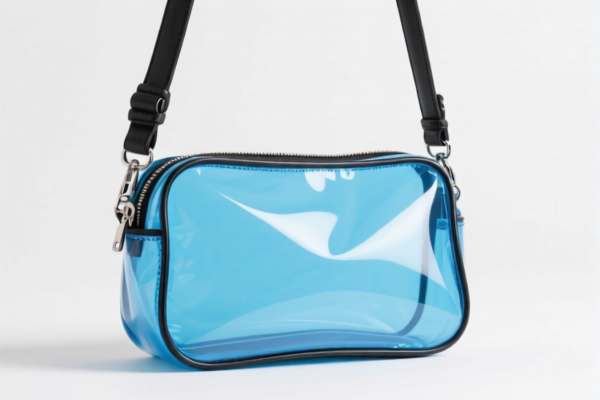
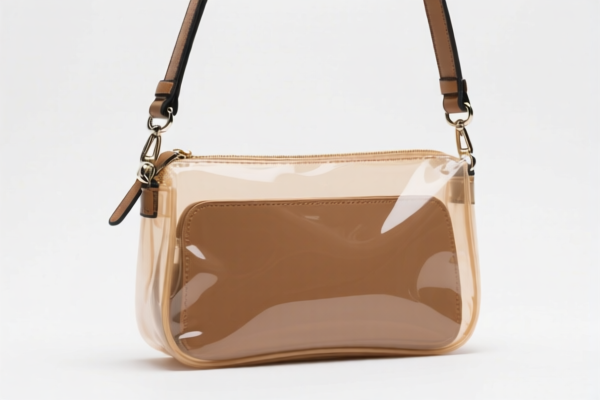
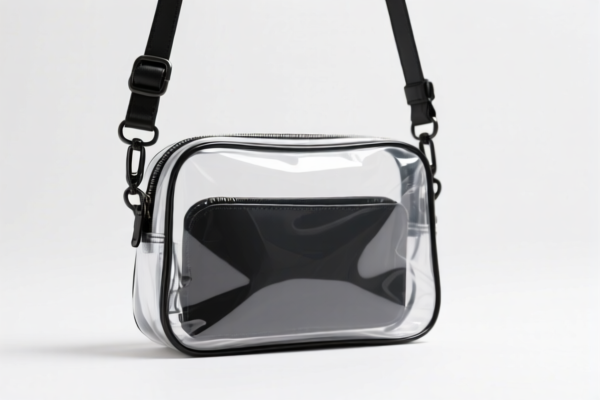
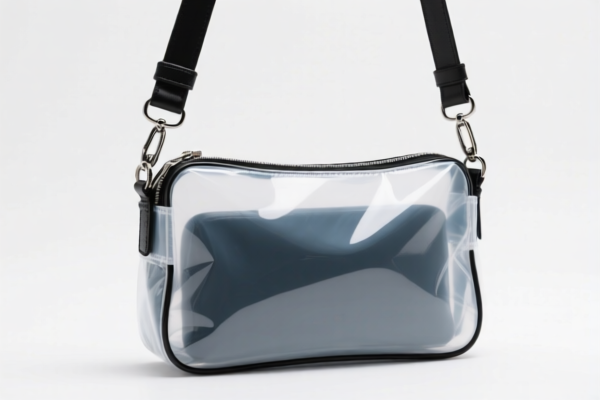
AI Analysis
👜 Crossbody Plastic Handbag (The "Plastic" Aesthetic)
🌐 HS Code Reference & Customs Clearance Guide | 2026 Latest Tariff Analysis | Professional Strategy
📌 I. Product Definition & Classification: What Makes It "Plastic"?
A Crossbody Plastic Handbag refers to a bag worn across the body, where the outer surface material is primarily plastic (e.g., PVC, PE, or other plastic films/sheets). This category excludes handbags with outer surfaces made of leather, textile, or paper, even if they have plastic components (like lining or handles).
Key Distinction:
- ✅ Plastic Outer Surface: The main visible layer is plastic → Chapter 42 or 39
- ❌ Textile Outer Surface: Even if it has plastic coating, if the base is fabric → Not applicable here
- ❌ Leather Outer Surface: If made of genuine or synthetic leather → Not applicable here
⚠️ Critical Note:
If the bag is made of plastic sheets (like PVC film) and resembles a traditional handbag, it may fall under 4202. If it is essentially a plastic bag (like a shopping bag) used for carrying personal items, it may fall under 3923.
📦 II. HS Code Classification Details (2026 Latest Tariff Authority Match)
| HS Code | Product Description | Key Features | Material |
|---|---|---|---|
| 4202.22.15.00 | Plastic Handbag (Geometric/Structured) | Outer surface is plastic sheet/film; structured shape | Plastic |
| 3923.21.00.85 | Lightweight Plastic Handbag (Retail Bag Style) | Made of ethylene polymers; resembles retail shopping bag | Ethylene Polymer (Plastic) |
| 3923.21.00.80 | Lightweight Plastic Handbag (Plastic Bag Form) | Classified as a plastic bag; for retail use | Plastic |
| 4202.22.70.00 | Silk Crossbody Bag | Outer surface is textile (silk); Included for comparison | Silk (Textile) |
| 4202.22.40.10 | Silk Crossbody Bag (Alternative) | Outer surface is textile (silk); Included for comparison | Silk (Textile) |
🔍 Clarification:
- HS 4202.22.15.00: Applies to structured plastic handbags (e.g., PVC clutches, geometric plastic bags).
- HS 3923.21.00.85/80: Applies to plastic bags used as handbags (e.g., reusable shopping bags made of PE/PP).
- HS 4202.22.70.00/40: These are SILK bags, NOT plastic. They are listed in your data for contrast but do not apply to a plastic bag.
💰 III. 2026 Tariff Rate Breakdown (Including Surtaxes & Policy Add-ons)
✅ Applicable Country: United States (US)
✅ Country of Origin: China (CN)
✅ Effective Date: From November 10, 2025 (and subsequent imports)
🎯 1. HS Code 4202.22.15.00 – Plastic Handbag (Structured)
| Item | Detail |
|---|---|
| Base Tariff | 16.0% |
| Section 301 Surtax | +25.0% |
| Section 122 Tariff | +10.0% |
| Total Tariff Rate | 51.0% |
| Tax Calculation | CIF Value × 51.0% |
| De Minimis Exemption | ❌ Not Eligible (High risk of audit) |
| Legal Basis Path | Section 301: 8524.11.10.00 → Section 122: 9903.01.24 → USITC: 4202.22.15.00 |
📌 Explanation:
- The 16% base rate is for handbags of other materials (including plastic) under Chapter 42.
- The 25% surtax is from Section 301 (US-China trade war).
- The 10% is from Section 122 (additional tariff on specific plastic goods).
- Total: 51% – This is a very high duty rate. Proper classification is critical.
🎯 2. HS Code 3923.21.00.85 – Lightweight Plastic Handbag (Retail Bag)
| Item | Detail |
|---|---|
| Base Tariff | 3.0% |
| Section 301 Surtax | +25.0% |
| Section 122 Tariff | +10.0% |
| Total Tariff Rate | 38.0% |
| Tax Calculation | CIF Value × 38.0% |
| De Minimis Exemption | ❌ Not Eligible |
| Legal Basis Path | Section 301: 3923.21.00.85 → Section 122: 9903.01.24 → USITC: 3923.21.00.85 |
📌 Explanation:
- If the bag is considered a plastic bag (e.g., thin PE/PP film) rather than a structured handbag, it falls under 3923.
- Base rate is lower (3%), but surtaxes still apply.
- Total: 38% – Still high, but 13% lower than 4202.22.15.00.
🎯 3. HS Code 3923.21.00.80 – Plastic Bag (Retail Use)
| Item | Detail |
|---|---|
| Base Tariff | 3.0% |
| Section 301 Surtax | +25.0% |
| Section 122 Tariff | +10.0% |
| Total Tariff Rate | 38.0% |
| Tax Calculation | CIF Value × 38.0% |
| De Minimis Exemption | ❌ Not Eligible |
| Legal Basis Path | Section 301: 3923.21.00.80 → Section 122: 9903.01.24 → USITC: 3923.21.00.80 |
📌 Note:
- Essentially same as 3923.21.00.85 in terms of tariff.
- Difference lies in specific plastic polymer type or use case (e.g., shopping bag vs. light-duty carry-all).
🛠️ IV. Customs Clearance Practical Advice (Avoiding Pitfalls)
✅ 1. Preparation Checklist (Non-Negotiable)
| Document | Required? | Notes |
|---|---|---|
| ✅ Product Photos | ✔️ | Show outer surface material clearly (plastic sheet/film) |
| ✅ Material Declaration | ✔️ | Specify type of plastic (e.g., PVC, PE, PP) |
| ✅ Structure Diagram | ✔️ | Show if it has lining, handles, or zipper |
| ✅ Commercial Invoice | ✔️ | Describe as "Plastic Handbag" or "Plastic Bag" – NOT "Silk Bag" |
| ✅ Packing List | ✔️ | Include quantity, weight, dimensions |
| ✅ Origin Certificate | ✔️ | Proof of Chinese origin (triggers surtaxes) |
✅ 2. Classification Strategy (Key Tips)
🔥 "Is it structured or a bag?"
- If structured (e.g., hard plastic, clutches, geometric shapes) → 4202.22.15.00 (51%)
- If soft/pliable (e.g., reusable shopping bag, thin film) → 3923.21.00.85/80 (38%)
| Scenario | Recommended HS Code | Reason |
|---|---|---|
| PVC clutch, rigid structure | 4202.22.15.00 |
Chapter 42 covers "articles of travel, handbags" |
| PE/PP reusable shopping bag | 3923.21.00.85 |
Chapter 39 covers "articles of plastics for transport" |
| Silk bag (mistaken for plastic) | 4202.22.70.00 |
Wrong material! Do not use for plastic bags |
✅ 3. Common Mistakes & Consequences
❌ Mistake 1: Classifying a plastic bag as a silk bag (4202.22.70.00)
👉 Consequence: Customs may reject declaration, demand reclassification, and impose penalties. Silk bags have a 42% rate – close, but material mismatch is a red flag.
❌ Mistake 2: Not declaring Section 122 tariff (10%)
👉 Consequence: Underpayment of duties → 10% penalty + interest on unpaid duties.
❌ Mistake 3: Claiming De Minimis exemption for shipments under $800
👉 Consequence: Denied. High-value plastic goods from China are not eligible for de minimis due to surtaxes.
🌍 V. Global Market Comparison (2026)
| Country/Region | Recommended HS Code | Total Duty (China Origin) | Notes |
|---|---|---|---|
| 🇺🇸 United States | 4202.22.15.00 or 3923.21.00.85 |
51% or 38% | High surtaxes (301 + 122) |
| 🇨🇳 China | 4202.22.15.00 or 3923.21.00.85 |
~5-10% | No surtaxes; low duty for domestic sale |
| 🇪🇺 European Union | 4202.22.15.00 or 3923.21.00.85 |
~2-4% | No Section 301/122; standard EU tariff |
| 🇬🇧 United Kingdom | 4202.22.15.00 or 3923.21.00.85 |
~5-10% | Post-Brexit tariff; no US-style surtaxes |
📌 Conclusion:
- USA is the most expensive market due to 301 + 122 surtaxes.
- Consider third-country assembly (e.g., Vietnam, Thailand) to avoid surtaxes, if feasible.
📌 VI. Pro Tips for Cost Reduction
- Optimize Classification:
- If possible, classify as 3923 (plastic bag) instead of 4202 (handbag) to save 13% in duty.
-
Ensure the bag does not have structured hardware that pushes it into Chapter 42.
-
Material Declaration:
- Clearly state "Ethylene Polymer (PE/PP)" for 3923 classification.
-
Avoid terms like "handbag" if it’s a reusable shopping bag.
-
Pre-Ruling Application:
- Apply for CBP Pre-Ruling to confirm classification before shipping.
-
This reduces risk of customs delays or penalties.
-
Third-Country Sourcing:
- If sourcing from Vietnam or Mexico, check for IEEPA exemptions (some plastics may qualify for 0-5% duty).
🎯 VII. Summary & Action Plan
| Step | Action |
|---|---|
| 1️⃣ | Identify Material: Is it plastic sheet/film (4202) or plastic bag (3923)? |
| 2️⃣ | Choose HS Code: 4202.22.15.00 (51%) or 3923.21.00.85 (38%) |
| 3️⃣ | Prepare Documents: Photos, material declaration, invoice, packing list |
| 4️⃣ | Apply for Pre-Ruling: Optional but recommended for high-value shipments |
| 5️⃣ | Monitor Tariff Changes: Check for updates to Section 301/122 in 2026 |
📌 Final Advice:
🔹 "Plastic Handbag = 38-51% Duty in USA"
🔹 "Classify as Plastic Bag (3923) to Save 13%"
🔹 "Never Claim De Minimis for China-Origin Plastic Goods"
📣 Next Steps:
📞 Consult a Customs Broker | 📋 Submit Pre-Ruling Request | 🌍 Explore Third-Country Sourcing
✨ Accurate Classification Saves Money!
💼 Every Percent Counts in Customs Duties!
Customer Reviews
About HS Code Classification
The Harmonized System (HS) is an internationally standardized nomenclature developed by the World Customs Organization (WCO) to classify traded products. Over 200 countries use the HS system as the basis for customs tariffs, trade statistics, and import/export regulations.
Each HS code follows a hierarchical structure:
- Chapter (2 digits) — Broad category of goods (e.g., Chapter 84: Machinery and Mechanical Appliances)
- Heading (4 digits) — More specific grouping within the chapter
- Subheading (6 digits) — Internationally standardized breakdown, used by all WCO member countries
- National subdivisions (8-10 digits) — Country-specific extensions for further classification, such as US HTSUS 10-digit codes
Correct HS code classification is essential for smooth customs clearance, accurate duty payment, and compliance with trade regulations. Misclassification can lead to customs delays, overpayment of duties, or penalties.
When importing from CN to US, the applicable tariff rates may include:
- Most-Favored-Nation (MFN) rate — The standard duty rate applied to WTO members
- General rate — Applied to countries without trade agreements
- Trade remedy duties — Additional tariffs such as Section 301 (anti-dumping), Section 232 (national security), or countervailing duties
The information provided on this page is for reference purposes only. For official classification, please consult with your local customs authority or a licensed customs broker.