Crystal Diamond
CN → US| HS编码 | 关税税率 | 原产国 | 目的国 | 文档 |
|---|---|---|---|---|
| 7102310000 | 17.5% | CN | US | 官方文档 |
| 7102390010 | 17.5% | CN | US | 官方文档 |
| 7018102000 | 10.0% | CN | US | 官方文档 |
| 7018105000 | 35.0% | CN | US | 官方文档 |
商品图片
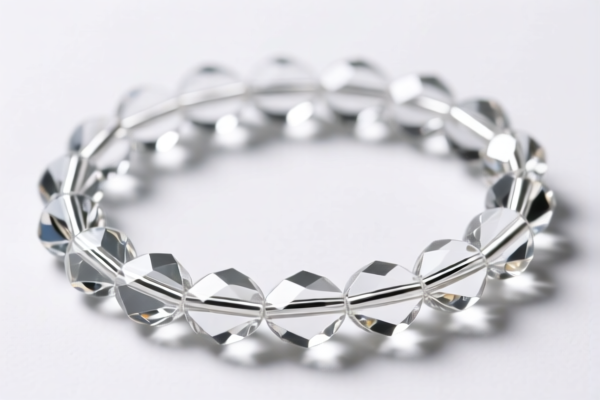
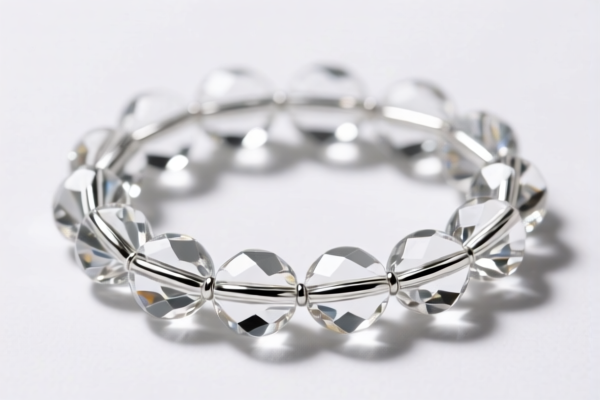
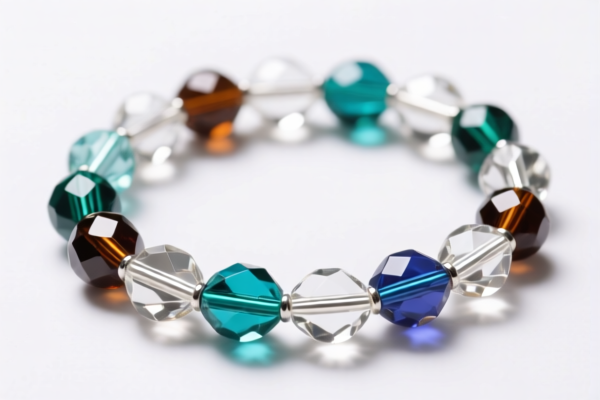

AI分析
💎 Crystal Diamonds & Imitation Gems | Precision Customs Classification Guide | 2026 Tax & Clearance Strategy
🌐 HS Code Reference & Clearance Guide | Latest Tariff Analysis | Professional Entry Strategy
📌 One, Product Definition & Classification: What Exactly Are We Importing?
In international trade, the term "Crystal Diamond" is ambiguous and dangerous. It generally falls into two distinct categories with vastly different tax implications:
1. Natural/Industrial Diamonds (Non-Industrial Grade):
Real diamonds, whether worked or unworked, but not mounted or set. These are raw gemstones used for jewelry making or industrial applications.
Key Distinction: They are genuine minerals (C), not glass or plastic.
2. Glass Imitation Gems (Fake Diamonds/Crystals):
Products made of glass, shaped to look like diamonds or precious/semi-precious stones. These include "crystals," "simulated diamonds," or "rhinestones."
Key Distinction: They are manufactured glass articles, falling under Chapter 70.
⚠️ Critical Classification Point:
- If it is a real diamond (even if small/unworked) → Chapter 71 (7102)
- If it is glass/crystal imitation (synthetic or fake) → Chapter 70 (7018)
- Do NOT group them together. Misclassification leads to severe penalties, as the tariff rates differ significantly (7.5% vs. 25%).
📦 Two, HS Code Classification Details (2026 Latest Tariff Concordance)
Based strictly on the provided <DATA>, here are the correct HS Codes for "Crystal Diamonds" depending on the material:
| HS Code | Product Description | Applicable Scenario | Material Composition | Tariff Rate |
|---|---|---|---|---|
7102.31.00.00 |
Real Diamonds: Nonindustrial: Unworked or simply sawn, cleaved or bruted | Rough diamonds, semi-finished stones, industrial-grade real diamonds | Natural Diamond (Mineral) | 7.5% |
7102.39.00.10 |
Real Diamonds: Nonindustrial: Other, Weighing not over 0.5 carat each | Small real diamonds, under 0.5ct, for jewelry or industrial use | Natural Diamond (Mineral) | 7.5% |
7018.10.20.00 |
Glass Imitations: Imitation precious or semiprecious stones (except imitation beads) | Glass "crystals," fake diamonds, rhinestones, simulated gems | Glass (Manufactured) | 25.0% |
7018.10.50.00 |
Glass Imitations: Other glass beads, imitation pearls, etc. | Glass beads, other small glass wares, non-stone glass imitations | Glass (Manufactured) | 25.0% |
🔍 Key Reminder:
- "Crystal" often implies Glass: In the jewelry/accessories industry, "Austrian Crystal" or "Swarovski Crystal" usually refers to lead crystal (glass), not real diamond. If your product is glass-based, it MUST go to7018.10.20.00or7018.10.50.00.
- Real Diamonds are Expensive to Import: Even real diamonds attract a 7.5% tax.
- Imitations are Taxed Heavily: Glass imitations are subject to a flat 25% tax under current provisions.
💰 Three, 2026 Latest Tariff Rate Breakdown
✅ Applicable Country: USA (US)
✅ Origin: China (CN)
✅ Note: The following rates reflect the Total Tax provided in<DATA>for these specific codes.
🎯 1. For REAL Diamonds (7102.31.00.00 & 7102.39.00.10)
| Item | Detail |
|---|---|
| Base Tariff | 0.0% |
| Additional Tariff (Section 301/Other) | 7.5% |
| Total Tax Rate | 7.5% |
| Calculation | CIF Value × 7.5% |
| De Minimis Exemption? | ❌ No (High-value goods rarely qualify, and specifically, HS 7102 is generally excluded from de minimis benefits due to security and value thresholds). |
| Legal Basis | HS 7102.31.00.00 / 7102.39.00.10 |
📌 Explanation:
- Real diamonds benefit from a lower base tariff (0%) but still carry a 7.5% additional tax.
- Verification is Key: Customs will require a GIA/IGI certificate or similar gemological report to prove the item is a "natural diamond" and not glass. Without proof, they may classify it as "imitation" (25%) or reject it.
🎯 2. For GLASS Imitation Diamonds (7018.10.20.00 & 7018.10.50.00)
| Item | Detail |
|---|---|
| Base Tariff | 0.0% |
| Additional Tariff (Section 301/Other) | 25.0% |
| Total Tax Rate | 25.0% |
| Calculation | CIF Value × 25.0% |
| De Minimis Exemption? | ❌ No (Glass imitations are often subject to anti-dumping or specific trade restrictions, and 25% is above typical de minimis thresholds for risk control). |
| Legal Basis | HS 7018.10.20.00 / 7018.10.50.00 |
📌 Explanation:
- Glass "crystals" are considered manufactured articles.
- The 25% rate is fixed for imitation precious/semi-precious stones.
- Do Not Lie: If you declare glass as "real diamond" to get 7.5%, you risk fraud charges, seizure, and fines.
🛠️ Four, Practical Clearance Advice (Avoiding Pitfalls)
✅ 1. Required Documentation (Mandatory)
| Document | Must Provide? | Description |
|---|---|---|
| ✅ Commercial Invoice | ✔️ | Must clearly state: "Natural Diamond, Unworked" OR "Glass Crystal Imitation, Not Precious Stone". Be explicit. |
| ✅ Gemological Certificate | ✔️ (If claiming Real Diamond) | GIA, IGI, or AGS report proving the item is a real diamond. Essential for HS 7102. |
| ✅ Material Composition Statement | ✔️ | A signed declaration from the manufacturer stating the material is Glass (SiO2) or Carbon (Diamond). |
| ✅ Product Photos | ✔️ | Close-ups showing clarity, cut, and any markings (e.g., "Created," "Glass," "Simulated"). |
| ✅ Packaging List | ✔️ | Show items are loose, not set in jewelry (since HS codes specify "not mounted or set"). |
✅ 2. Declaration Strategy (Key Mantra)
🔥 "Material First, Not Name! 'Crystal' is Dangerous!"
| Scenario | Correct Declaration | Wrong Declaration | Risk |
|---|---|---|---|
| Real Diamonds (Unset) | "Natural Diamond, Unworked, 0.3ct each" | "Crystal Diamond Jewelry" | ❌ Seizure for misclassification. |
| Glass Imitations | "Glass Imitation Gemstone, Artificial Crystal, 10mm" | "Diamond" or "Precious Stone" | ❌ 25% tariff applied + Fraud penalty. |
| Mixed Shipment | Separate lines for Diamonds (7102) and Glass (7018). | One line: "Jewelry Accessories" | ❌ Highest applicable tariff (25%) on ALL items. |
✅ 3. Special Handling Tips
| Situation | Handling Advice |
|---|---|
| OEM "Crystal" Jewelry | If importing glass pendants, declare as Glass Beads/Imitation Stones (7018.10.20.00). Do not use the word "Diamond." |
| High-Value Loose Diamonds | Ensure Bonded Warehouse clearance if value is high. Provide Certificate of Origin to prove authenticity. |
| "Simulated Diamonds" | Always declare as Glass Imitations. Using terms like "Moissanite" or "Cubic Zirconia" may require specific HS codes not listed here; check if they fall under 7018 or 7104. |
| Sealed vs. Open | If diamonds are in sealed, tamper-proof cases with certificates, customs is more likely to trust the 7.5% rate. |
🌍 Five, Global Clearance Comparison (2026 Latest)
| Country/Region | Recommended HS Code | Tariff (China Origin) | Notes |
|---|---|---|---|
| 🇺🇸 USA | 7102.39.00.10 (Real) |
7.5% | Must prove authenticity. |
| 🇺🇸 USA | 7018.10.20.00 (Glass) |
25.0% | High tariff on imitations. |
| 🇪🇺 EU | 7102.39 / 7018 |
Varies | EU may have different rates; check local duty. |
| 🇨🇳 China | 7102.39 / 7018 |
Varies | Import duties into China may differ. |
📌 Conclusion:
- USA is strict on material truth.
- Glass imitations are taxed heavily (25%) to protect domestic glass industries.
- Real diamonds are taxed lightly (7.5%) but require rigorous proof.
📌 Six, Common Mistakes & Pitfalls (Lessons Learned)
❌ Mistake 1: Declaring Glass "Crystals" as "Diamonds"
👉 Result: 7.5% tariff applied initially, but customs audit reveals glass → Back taxes (17.5% difference) + Penalties!
❌ Mistake 2: Using "Crystal" as the Product Name
👉 Result: Customs ambiguity → Delay while they request material testing.
❌ Mistake 3: Assuming All "Diamonds" are Real
👉 Result: Importing cubic zirconia but paying 7.5% instead of 25%? No, Customs will reclassify to 25%.
❌ Mistake 4: Not Providing Gemological Reports
👉 Result: For real diamonds, without a GIA report, Customs may default to the highest duty rate or reject entry.
✅ Correct Approach:
"100% Glass Imitation Gemstones, Artificial Crystal, Not Precious Stone" (For Glass)
"Natural Loose Diamonds, Unmounted, Certified GIA" (For Real)
🎯 Seven, Conclusion: Accurate Classification Saves Money!
🎯 Remember the Mantra:
🔹 "Real Diamond = 7.5%, Glass Crystal = 25%!"
🔹 "Name 'Crystal' is Dangerous, Declare Material True!"
🔹 "No Certificate = No Discount, High Risk for High Value!"
📌 Pro Tip:
If you are importing large volumes of Glass Imitations, consider if your supplier can modify the product slightly (e.g., to non-imitation glass wares) to fall under a different, potentially lower tariff, but only if legally compliant.
For Real Diamonds, always use Bonded Warehouses and ensure Certificate of Authenticity is ready before shipment arrives.
📣 Immediate Action:
📞 Contact your Customs Broker + Provide Material Test Report + Accurate Product Description
🚀 Avoid penalties, ensure smooth clearance, and optimize your landed cost!
✨ Professional Clearance Starts with Accurate Classification!
💼 Your Bottom Line Depends on These 7.5% vs. 25% Differences!
用户评价
关于 HS 编码归类
协调制度(HS)是由世界海关组织(WCO)制定的国际贸易商品分类标准。全球 200 多个国家采用 HS 系统作为海关关税、贸易统计和进出口监管的基础。
每个 HS 编码遵循以下层级结构:
- 章(2 位)——商品大类(例如:第 84 章:机器和机械设备)
- 品目(4 位)——章内的更具体分类
- 子目(6 位)——国际通用细分,所有 WCO 成员国统一使用
- 本国细分(8-10 位)——各国自行扩展的细分编码,如美国 HTSUS 10 位编码
正确的 HS 编码归类对于顺利通关、准确缴纳关税和遵守贸易法规至关重要。错误归类可能导致海关延误、多缴关税或罚款。
从CN进口到US时,适用的关税税率可能包括:
- 最惠国(MFN)税率——适用于 WTO 成员国的标准关税税率
- 普通税率——适用于无贸易协定国家
- 贸易救济关税——附加关税,如 301 条款(反倾销)、232 条款(国家安全)或反补贴税
本页内容仅供参考。如需正式归类,请咨询当地海关或持牌报关代理。